You just brought home a huge bag of bright red sour cherries. They're gorgeous, tart, and... now what? If your mind jumps straight to pie, you're not alone, but you're also missing out. I've been cooking with these little ruby gems for over a decade, and let me tell you, the pie is just the starting line. The real magic happens when you move beyond dessert.
The biggest mistake I see? People treat sour cherries like a one-trick pony for sweets. Their bright acidity is a secret weapon for savory dishes, glazes, and condiments that can transform a meal. This guide is your roadmap to using every last cherry, without waste and without boredom.
Your Sour Cherry Roadmap
Know Your Cherry: Montmorency vs. Morello
Not all sour cherries are the same. Using the right type for the job makes a difference. In North America, you'll mostly find Montmorency cherries—they're bright red, juicy, and have a clean, sharp tartness. In Europe and elsewhere, Morello cherries are common; they're darker, almost mahogany, with a deeper, more complex wine-like flavor.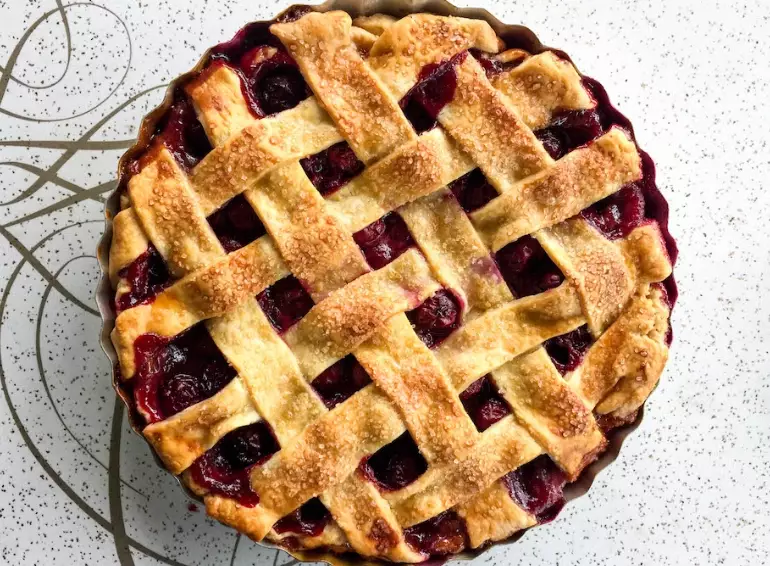
Montmorency are fantastic for pies, jams, and anything where you want a vibrant, fruity punch. Morello cherries excel in sauces, liqueurs, and baking where a richer flavor is desired. If you're buying frozen, the bag usually says which type it is. Fresh at the farmer's market? Just ask.
| Cherry Type | Color & Appearance | Flavor Profile | Best Used For |
|---|---|---|---|
| Montmorency | Bright to medium red, translucent flesh | Clean, sharp, tangy tartness | Pies, crisps, fresh eating (if you like tart!), juice, jam |
| Morello | Dark red to nearly black | Deep, rich, complex tartness with winey notes | Sauces for meat, liqueurs (like Kirsch), clafoutis, compotes |
Why does this matter? If you try to make a duck sauce with Montmorency and find it a bit too simple, it's not you—try seeking out Morellos next time. The good news is, for most recipes, they're interchangeable; you'll just get a slightly different character.
How to Pit Sour Cherries Quickly (Without a Cherry Pitter)
Pitting is the chore everyone dreads. A cherry pitter is great if you have one, but don't let not having one stop you. Here's the method I use 90% of the time because it's fast and minimizes juice spray.
The Chopstick Method: Take a sturdy, blunt-ended chopstick (or the handle of a thin wooden spoon). Hold a cherry over a bowl. Poke the chopstick into the stem end where the cherry attaches to the stem. Gently but firmly push. The pit should pop out the bottom. It's rhythmic and surprisingly satisfying. Wear an apron—some juice will escape.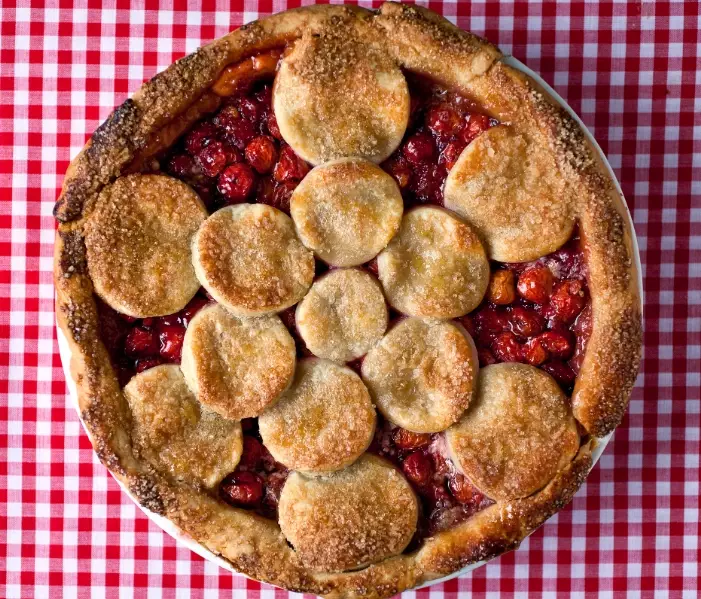
The "paperclip" or "bobby pin" methods you see online? They work, but they're fiddly. For speed and efficiency on a large batch, the chopstick wins. For preserving whole cherries for canning or freezing, a proper pitter is worth the investment.
One pro-tip: Pit your cherries directly into the bowl you're using for your recipe. Don't transfer them multiple times. You want to keep every drop of that precious, flavorful juice.
The Sweet Spot: Beyond Pie & Cobbler
Yes, you can make a stunning sour cherry pie. But let's explore territory that gets less attention.
Star Recipe: Sour Cherry Clafoutis
This French dessert is like a cross between a pancake and a custard, and it's idiot-proof. Butter a pie dish. Scatter in about 2 cups of pitted sour cherries. Whisk together 3 eggs, 1/2 cup flour, 1/2 cup sugar, a pinch of salt, 1 cup milk, and a teaspoon of vanilla. Pour over the cherries. Bake at 350°F (175°C) for 45 minutes until puffed and golden. Serve warm. It's rustic, beautiful, and lets the cherry flavor shine without being overly sweet.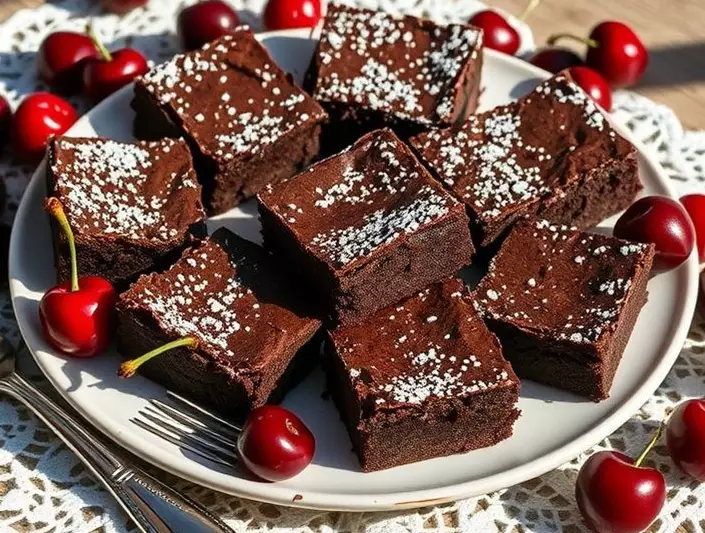
Other sweet applications that deserve more love:
- Swirl into Cheesecake or Brownies: Make a quick compote (cherries + a little sugar simmered for 10 mins) and swirl it into your batter before baking. The tang cuts through the richness perfectly.
- Simple Syrup for Cocktails & Sodas: Equal parts sugar and water, add a cup of pitted cherries, simmer 10 minutes, strain. You now have a brilliant red syrup for lemonade, sparkling water, or drizzling over pancakes.
- Fold into Yogurt or Oatmeal: A spoonful of that same quick compote transforms your breakfast.
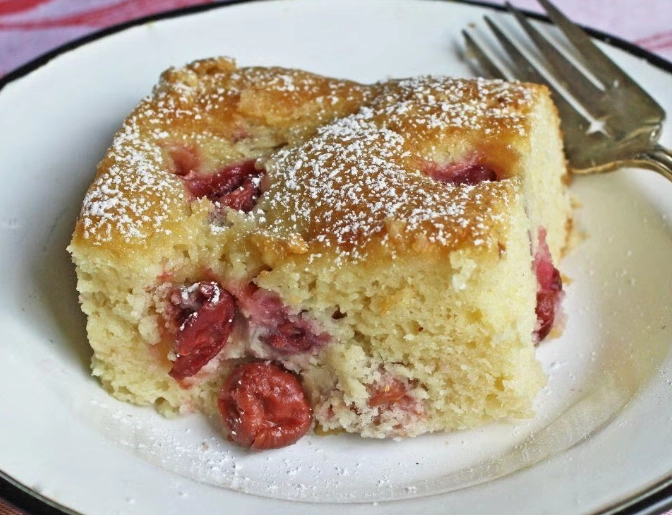
The key with sweets is balancing the tartness. Don't go overboard with sugar; you want that pleasing contrast between sweet and sour.
The Savory Surprise: Main Courses & Condiments
This is where you can really impress. The acidity in sour cherries acts like a squeeze of lemon or a dash of vinegar, but with fruity depth.
Sour Cherry Pan Sauce for Chicken or Pork: This is a weeknight game-changer. After searing your meat, remove it from the pan. Add a minced shallot to the drippings, cook for a minute. Throw in a handful of pitted sour cherries (about 1/2 cup). They'll sizzle and start to break down. Add a splash of red wine or chicken broth to deglaze, scraping up the browned bits. Let it reduce for a few minutes until saucy. Finish with a knob of cold butter and a sprinkle of fresh thyme. Spoon over the meat. It's restaurant-quality in 10 minutes.
Quick Pickled Sour Cherries: These are a revelation on cheese boards, salads, or alongside grilled meats. Bring 1 cup vinegar (white wine or apple cider), 1 cup water, 1/2 cup sugar, and a tablespoon of salt to a boil. Pour over 2 cups of pitted cherries in a jar. Add a few peppercorns and a bay leaf. Let cool, then refrigerate. They're ready in a few hours and keep for weeks.
I once made a sour cherry and red onion relish for grilled sausages that disappeared in minutes. It's that combination of sweet, sour, and savory that people don't expect from a fruit.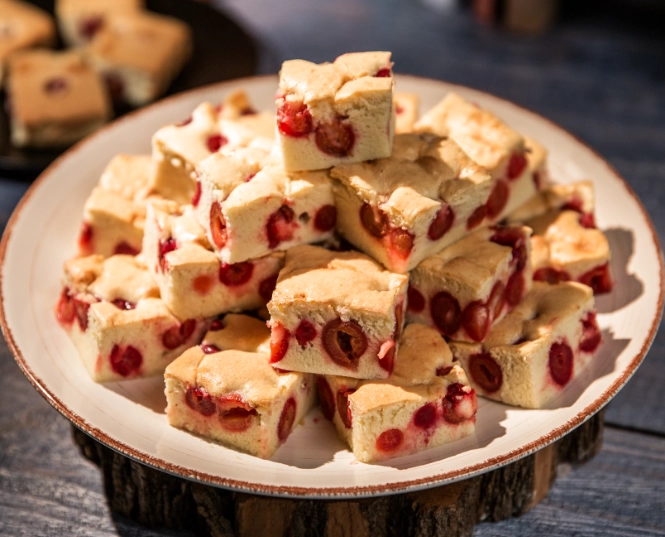
Preserve the Bounty: Freezing, Canning & Drying
Sour cherry season is short. Here’s how to capture it.
Freezing (The Easiest Method): Pit the cherries. Spread them in a single layer on a parchment-lined baking sheet. Freeze solid (this is called "flash freezing"). Then, transfer the frozen cherries to a zip-top bag or container. They won't stick together, and you can pour out exactly the cup you need for a recipe months later. They'll keep for a year.
Canning Jam or Whole Cherries: For safety, always follow a tested recipe from a reliable source like the National Center for Home Food Preservation. Sour cherries are high-acid, making them safe for water bath canning. A basic jam is just fruit, sugar, and a bit of lemon juice. Canning lets you enjoy the taste of summer in the dead of winter.
Drying: You can make your own tart "dried cherries" in a dehydrator or a low oven. They're chewy, intensely flavored, and perfect for granola, salads, or snacking.
Reader Comments