Let's be honest. When you order a Caesar salad, you're probably thinking it's the healthy, safe choice. A bed of crisp romaine, a sprinkle of parmesan, maybe some grilled chicken on top. It feels virtuous. But then the server brings out this mountain of a salad, drenched in a creamy, garlicky dressing, topped with crunchy croutons and shavings of cheese. That's when a little voice in your head might whisper, "Just how many calories are in this thing?" The answer isn't simple, and it's where most casual estimates go wrong. The calorie count in a Caesar salad can swing wildly from a reasonable 350 to a gut-busting 1,000+ calories, turning your light lunch into a calorie bomb. This isn't about fear-mongering; it's about understanding what you're really eating, whether you're at a chain restaurant or whipping one up at home.
What's Inside This Guide
The Restaurant Reality: Chain Caesar Salad Calories
You can't talk about Caesar salad calories without looking at the numbers from popular spots. The variation is shocking. I pulled nutritional data from several major chains to show you what you're really signing up for. Remember, these are often for the entire salad as served, including dressing.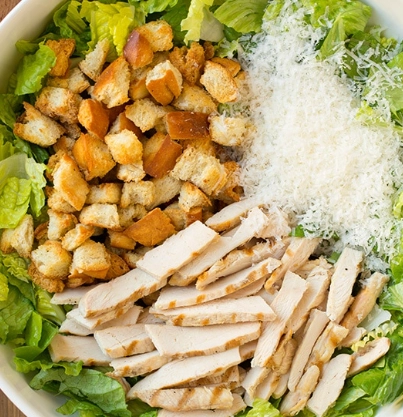
| Restaurant & Salad Name | Approximate Calories | Key Notes & Serving Size |
|---|---|---|
| McDonald's Caesar Salad (with Grilled Chicken & Dressing) | ~220 calories | Surprisingly one of the lowest. Uses lighter dressing and less cheese. A small, simple portion. |
| Panera Bread Caesar Salad (Full, with Chicken) | ~540 calories | The classic "full-size" experience. Dressing and cheese are moderate but present. |
| Cheesecake Factory Caesar Salad (Regular) | ~**1,010** calories | Yes, you read that right. Over a thousand calories. Massive portion, rich dressing, generous cheese and croutons. A famous calorie offender. |
| Olive Garden House Salad (with Caesar Dressing) | ~350 calories | Their house salad base is lighter, but adding Caesar dressing bumps it up. Unlimited breadsticks on the side are the real trap. |
| Chick-fil-A Spicy Southwest Caesar Salad (with Dressing) | ~740 calories | Adds spicy grilled chicken, corn, beans, and a chili-lime pepita blend. More ingredients mean more calories beyond the classic base. |
See the pattern? Portion size and dressing generosity are everything. The Cheesecake Factory example isn't an anomaly; many sit-down restaurants with "signature" Caesars land in the 800-1100 calorie range. You could eat a large burger and fries for that. The mistake is assuming all "salads" are created equal.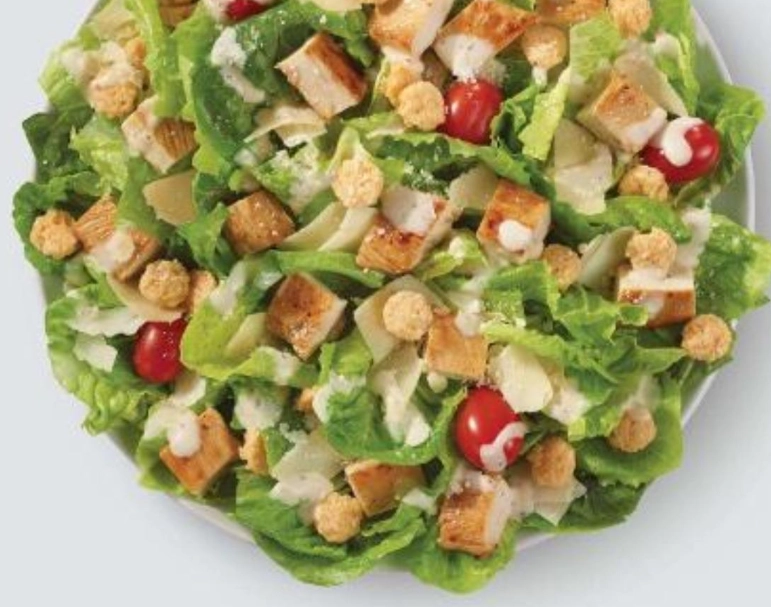
What Packs the Calories? Breaking Down the Ingredients
To understand the numbers, you need to dissect the salad. It's not the lettuce. Here’s where the calories hide, in order of impact:
1. The Dressing: The #1 Saboteur
Traditional Caesar dressing is an emulsion of oil, egg yolk, parmesan, lemon, garlic, and anchovies. That "emulsion" is chef-speak for "a lot of oil held together." Just two tablespoons of a standard homemade or full-fat bottled Caesar dressing can contain 160-180 calories, almost all from fat. Restaurants often use 3-4 tablespoons, sometimes more. A side cup of dressing can be 1/4 to 1/3 of a cup—that's 300-400 calories alone, before you touch a single crouton.
2. Croutons: The Deceptive Carb Bomb
They're just little toasted bread cubes, right? Wrong. They're bread cubes toasted in oil or butter. A half-cup serving (a modest handful) can add 100-150 calories. Many restaurant salads come with a heaping pile that's closer to a cup.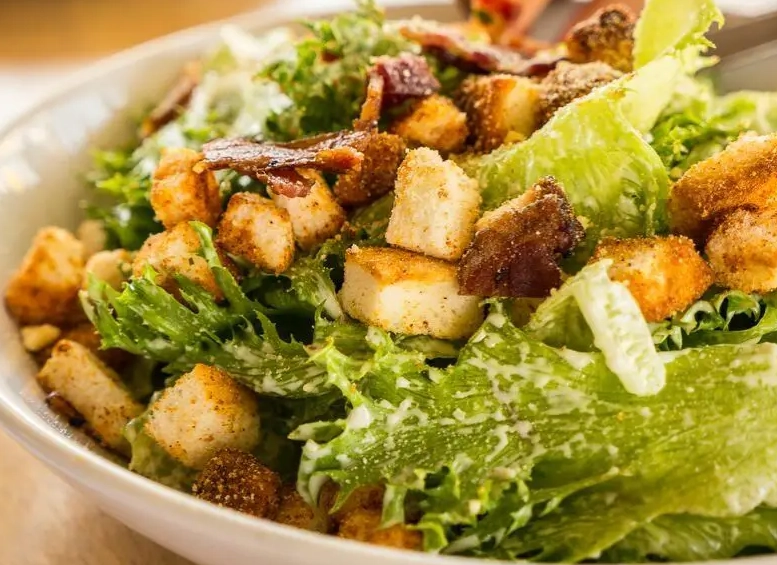
3. Cheese: The Salty Finisher
Parmesan or Romano cheese is essential for flavor. But it's calorie-dense. A quarter-cup of grated parmesan is about 110 calories. Those delicate shavings on top add up quickly when they're applied with a heavy hand.
The Big Misconception: People often blame the protein (grilled chicken, shrimp) for high calories. In a standard Caesar, a 4-6oz portion of grilled chicken adds a reasonable 150-250 calories and a ton of satiating protein. The real issue is the ratio. You get a small amount of chicken drowning in a sea of high-calorie dressing, croutons, and cheese.
4. The Base & Extras
Romaine lettuce is negligible—maybe 20 calories for a huge bowl. But some places mix in kale or use a "chopped" style that holds more dressing. Adding bacon, fried onions, or swapping grilled for crispy chicken changes the game entirely.
How to Build a Lighter Caesar Salad at Home (Under 400 Calories)
This is where you take control. Making it at home lets you keep the soul of the salad without the calorie baggage. Here’s my go-to method, perfected after years of trying to satisfy that Caesar craving without regret.
The Goal: A big, satisfying salad that tastes authentic but clocks in around 350-400 calories.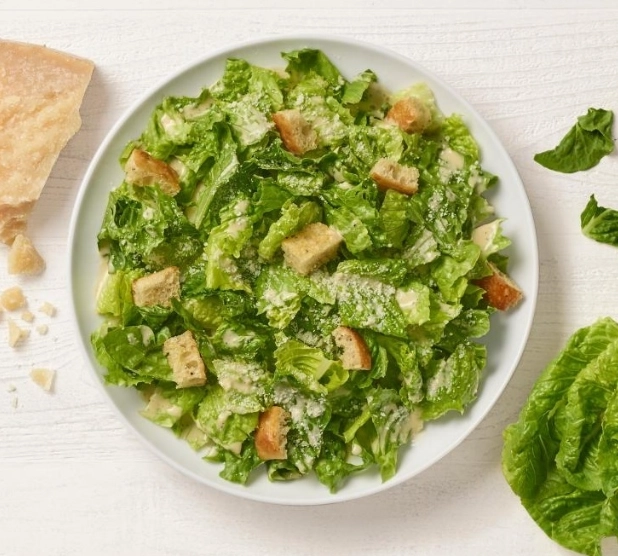
- Base: One large head of romaine, chopped. Hearty and crisp.
- Protein (150 cal): 5oz of grilled chicken breast, seasoned with salt, pepper, and a pinch of garlic powder.
- Smart Croutons (60 cal): Don't buy them. Take 1 slice of whole-grain bread, cube it, spray lightly with olive oil, season with garlic powder and a pinch of salt, and toast in an air fryer or oven until crisp. You get more volume and crunch for fewer calories.
- Cheese (40 cal): Use a microplane to grate 2 tablespoons of real Parmigiano-Reggiano. You'll get more surface area and flavor distribution than with chunks or thick shavings.
- The Game-Changer Dressing (~70 cal): This is the secret. In a blender, combine:
- 3 tbsp plain non-fat Greek yogurt
- 1 tbsp light mayonnaise
- 1 tsp Dijon mustard
- 1 small minced garlic clove
- 1 tbsp fresh lemon juice
- 1 tbsp grated parmesan
- 2-3 anchovy fillets (trust me, or use 1/2 tsp anchovy paste)
- Fresh black pepper and a tiny splash of water to thin.
Blend until smooth. This yields about 1/4 cup of dressing that's creamy, tangy, garlicky, and has a fraction of the fat and calories of the classic version. Toss the lettuce with just enough to coat lightly.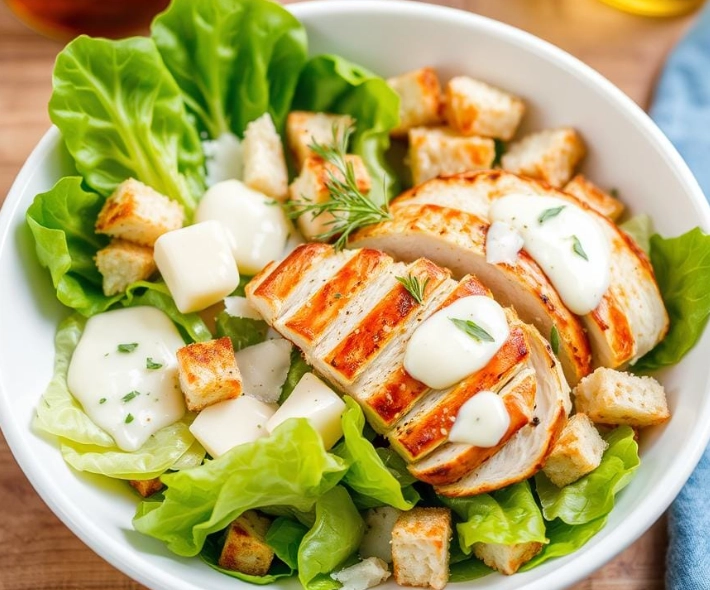
You assemble it: Lettuce in a bowl, drizzle with half the dressing and toss. Top with sliced chicken, your homemade croutons, and sprinkle the grated cheese. You won't miss the heavy version.
Smart Ordering: How to Navigate a Restaurant Menu
You're out with friends, and the Caesar salad is calling. Here’s how to order without derailing your day.
1. Dressing on the Side, Always. This is non-negotiable. It puts you in control. Dip your fork into the dressing before spearing a bite of salad. You'll use about a quarter of what they'd pour on.
2. Ask for Light Dressing. Just saying it makes the kitchen aware. Some places have a lighter vinaigrette option—ask.
3. Modify the Croutons. "Easy on the croutons" or "croutons on the side" works. Eat half of what they give you.
4. Prioritize Protein. Ensure you get a good portion of grilled chicken, shrimp, or salmon. It makes the salad a meal and helps balance the carbs/fat.
5. Beware the "Salad as a Side" Trick. If you order a Caesar as a side to your pasta or pizza, you're adding 400-800 calories to an already large meal. In that case, see if a simple house vinaigrette side salad is an option.
I once ordered a Caesar at a nice bistro and asked for the dressing on the side. They brought a small bowl that could have dressed three salads. If I hadn't asked, it would have been poured over everything. That visual alone changed how I order forever.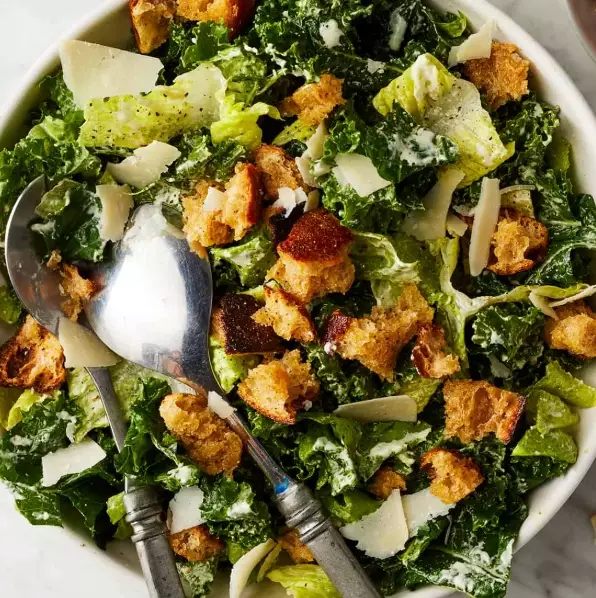
Your Caesar Salad Calorie Questions Answered
Understanding Caesar salad calories isn't about banning a classic. It's about making it work for you. Whether you're scanning a menu or standing in your own kitchen, you now know where the hidden calories live and how to manage them. You can enjoy that creamy, crunchy, savory combination without the surprise. Choose the right version, and it’s not just a salad; it’s a genuinely satisfying and balanced meal.
Reader Comments