March is a culinary crossroads. Winter's hold is loosening, but summer's bounty feels distant. This is precisely why the vegetables in season during March are so special—they're the resilient, flavorful pioneers of spring. Forget the bland, shipped-from-across-the-globe produce. Right now, at your local farmers market or well-stocked grocery, you'll find vegetables with a depth of flavor and nutritional punch that their off-season counterparts can't match. I've been cooking with the seasons for over a decade, and March consistently offers some of the most interesting and underrated ingredients of the year. The key is knowing what to look for and how to handle them. Let's get straight to the good stuff.
What's Inside: Your March Veggie Guide
Why March Veggies Are a Big Deal (It's Not Just Freshness)
Everyone says seasonal eating is better. But with March produce, the difference isn't subtle—it's dramatic. Flavor is the obvious win. A bunch of March-harvested kale that has weathered cool nights develops more complex sugars than its summer-grown version. But there's more to it.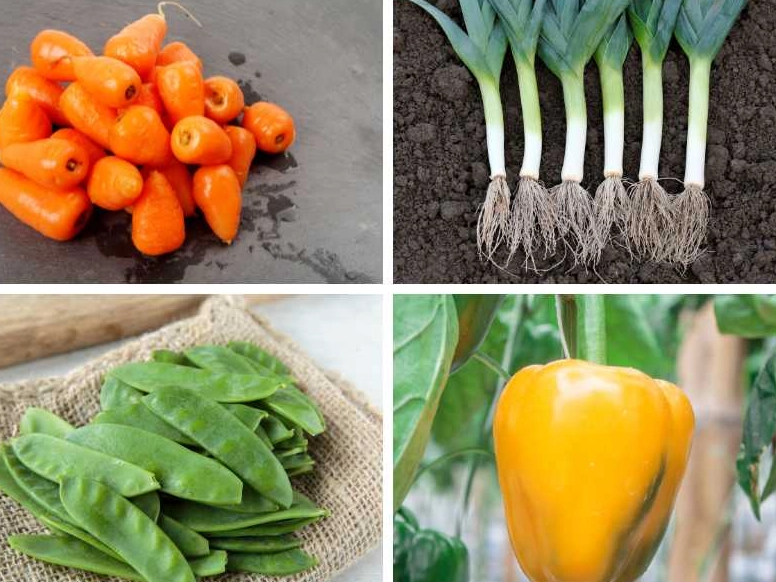
Nutritional density often peaks when vegetables are harvested at their natural time. A report from the USDA acknowledges that post-harvest handling and storage can diminish certain nutrients over time. Eating locally in-season shortens that chain. You're also supporting a more resilient food system. Buying March asparagus from a regional farm has a lower carbon footprint than buying spears flown in from Peru in November.
Here's a personal, non-consensus take: March is the best month to rebuild your cooking intuition. Winter recipes are often about long, slow cooking. Summer is about minimal intervention. March sits in between. It forces you to think: Should this sturdy green be braised or just wilted? It's a cook's training ground, and mastering these vegetables makes you more adaptable in the kitchen year-round.
The March Lineup: Your In-Season Vegetable Checklist
This isn't just a list. Think of it as your shopping and inspiration guide. I'm including the specifics—what to look for, a common pitfall, and a dead-simple starting point for cooking each one.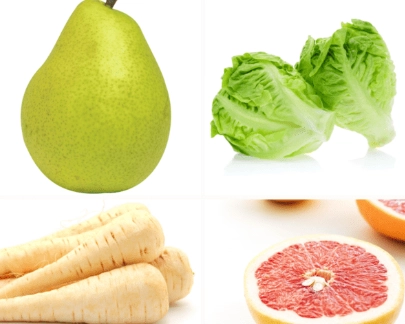
| Vegetable | What to Look For (The Telltale Signs) | One Common Mistake to Avoid | Easiest Way to Start |
|---|---|---|---|
| Artichokes | Heavy for their size, tight green leaves that squeak when pressed together. A bit of brown on the outer leaves is fine. | Overcooking into mush. They're done when a leaf near the center pulls out easily. | Steam whole until tender, then dip the leaves in lemon-garlic mayo. |
| Asparagus | Firm, straight spears with tight, purple-tinged tips. Stalks should snap crisply at the base. | Boiling them. Roasting, grilling, or sautéing preserves flavor and texture. | Toss with olive oil, salt, and pepper; roast at 425°F (220°C) for 12-15 mins. |
| Peas (Sugar Snap & Snow) | Bright green, crisp pods that feel full. Avoid yellowing or limp pods. | Cooking them to death. They're best with a quick sauté or even raw. | Stir-fry with sliced garlic and a splash of soy sauce for 2-3 minutes. |
| Radishes | Firm, smooth skin with vibrant green, perky tops. The greens are edible too! | Only eating them raw. Roasting mellows their spice into sweetness. | Slice thin onto buttered bread with flaky salt. Or roast with chicken. |
| Spinach & Hearty Greens (Kale, Chard) | Vibrant color, no wilting or yellow spots. For kale, smaller leaves are often more tender. | Not washing greens thoroughly. Grit in a sautéed dish is a mood-killer. | Sauté chopped garlic in oil, add greens and a pinch of salt until just wilted. |
| Leeks | White and light green parts that are firm and unslimy. Smaller leeks are sweeter. | Not cleaning them properly. Slice and soak in water to dislodge dirt between layers. | Sliced and sautéed slowly in butter until soft as a base for soups or quiches. |
| Fennel | Clean white bulbs, firm with no cracks. The fronds should look fresh, like dill. | Discarding the fronds. They're a fantastic herb for garnishing. | Thinly slice the bulb and toss with orange segments and olive oil for a salad. |
You might still find some sturdy holdovers from late winter, like carrots, beets, and potatoes. They're still great, but the stars of the show are the newcomers above.
A note on farmers markets in March: Don't expect the overflowing tables of July. March markets are more intimate. Talk to the growers. Ask what's just been harvested or what's coming next week. They might have overwintered parsnips that are incredibly sweet or the first tiny turnips of the year—things you won't find on any standard list. This is where the real magic of seasonal eating happens.
No-Fuss Ways to Cook March Vegetables
You don't need complicated recipes. You need reliable techniques that let the vegetables shine. Here are two frameworks I use weekly in March.
The One-Pan Roasted Medley
This is my go-zero-waste dinner base. Chop any combination of March vegetables into similar-sized pieces—asparagus (2-inch pieces), radishes (halved), leeks (1-inch slices), fennel (wedges). Toss them all on a sheet pan with olive oil, salt, and maybe some whole garlic cloves. Roast at 425°F (220°C) for 20-25 minutes, tossing once. The high heat caramelizes the natural sugars. Finish with a squeeze of lemon or a drizzle of tahini sauce. Serve with a fried egg on top or alongside a piece of fish. It's forgiving, hands-off, and highlights each vegetable's unique texture.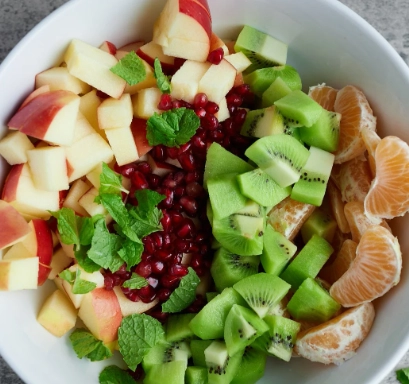
The Quick Sauté for Greens and Peas
This is about speed and freshness. Heat a glug of olive oil or butter in a large skillet over medium-high. Add a sliced leek or some minced garlic and cook for 1 minute until fragrant. Throw in a big handful of chopped kale or spinach and a handful of sugar snap peas. A pinch of salt. Sauté, tossing constantly, for just 3-4 minutes until the greens are wilted and the peas are bright green but still crisp. Finish with a grating of lemon zest. That's it. It takes less than 10 minutes and tastes infinitely better than any frozen or steamed side dish.
For artichokes, they require their own ritual. Steaming is simplest. Serve them as a shared appetizer with a dipping sauce. It's an activity, not just food.
How to Select and Store March Produce Like a Pro
Good cooking starts at the store or market. Here’s the down-and-dirty on handling these March picks.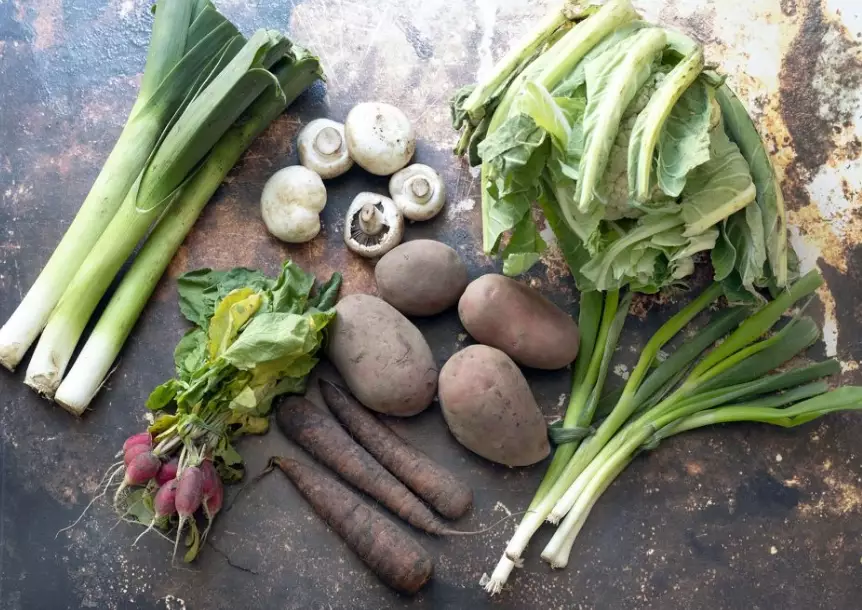
Asparagus: Don't let it sit in a warm car. When you get home, trim the ends and stand the bunch upright in a jar with an inch of water, like flowers. Loosely cover with a plastic bag and refrigerate. It'll stay crisp for days.
Leafy Greens (Kale, Spinach, Chard): Remove any tight bands or twist ties. Wash them in a big bowl of cold water, swish, lift out, and dry thoroughly in a salad spinner. Store them in the spinner basket lined with a paper towel or in a reusable bag with a dry paper towel inside. Moisture is the enemy.
Leeks and Radishes: For leeks, trim the dark green tops (you can save them for stock) and store the white/light green part unwashed in a produce bag. For radishes, separate the greens from the bulbs if they're attached. Store the greens like other leafy greens and the radish bulbs in an open container or bag in the fridge crisper.
The big storage mistake I see? People store potatoes and onions together. They shouldn't. Onions release gases that make potatoes sprout faster. Keep them in separate, cool, dark, well-ventilated places.
Your March Vegetable Questions Answered
Can I still find winter squash in March, or should I move on?
You might find some late-storage varieties like butternut or acorn squash, but their quality can be hit or miss. They've been in storage for months. If the flesh feels spongy or has dark spots, pass. March is really about embracing the shift. The new arrivals like artichokes and peas have a vibrancy that stored squash lacks. Use up any remaining squash in a pureed soup, then make the switch.
My local grocery only has thick asparagus spears. Are they less tender than thin ones?
This is a common misconception. Thickness is more about the age of the plant crown, not tenderness. Thick spears are often from mature, established plants and can be just as tender, with more robust flavor. The key is peeling the lower third of a thick spear with a vegetable peeler to remove the fibrous outer layer. Thin spears cook faster but can sometimes be less flavorful. Don't avoid the thick ones—just give them a quick peel.
How can I make kale less bitter for salads in March?
Massage it. Seriously. After chopping your kale, drizzle it with a little of your salad dressing (especially one with an acid like lemon juice or vinegar) and a pinch of salt. Then use your hands to scrunch and knead the leaves for a minute or two. You'll feel them soften and darken. This breaks down the tough cellulose structure and mellows the bitter compounds. It transforms kale from chewy and harsh to tender and almost sweet. It's a game-changer.
Is it worth buying organic for these March vegetables?
Prioritize it for the "Dirty Dozen" items if you're on a budget. For March, that mainly means spinach and kale, which often rank high for pesticide residues when conventionally grown. For vegetables with protective skins or husks you don't eat, like artichokes or asparagus, the conventional option is generally fine if you wash them well. The most impactful choice, however, is buying locally and in-season, regardless of the organic label, as it often means the produce is fresher and has traveled less.
March is a invitation to shake off the winter cooking blues. It's not about elaborate recipes, but about paying attention to what the ground is offering right now. Pick up a vegetable you've never cooked before, like a knobby artichoke or a bulb of fennel. Use the simple techniques here. Taste the difference that true seasonality makes. Your meals will be brighter, your cooking will feel more connected, and you'll be eating some of the most nutritious food of the year. Head to the market this weekend and see what's just come in.
Reader Comments