Jump Straight to What You Need
I'll never forget the summer I turned my back on my zucchini plants for a few too many days. When I returned, there it was: a zucchini so massive it looked like it could feed a small village. My first thought was panic—what on earth do I do with this thing? If you've ever found yourself staring down a giant zucchini, wondering if it's still edible or just a garden ornament, you're in the right place. This guide is born from years of trial and error, both in the garden and the kitchen. Giant zucchinis aren't just a quirk; they're a common result of fast growth and missed harvests, but with the right approach, they can be a resource, not a burden.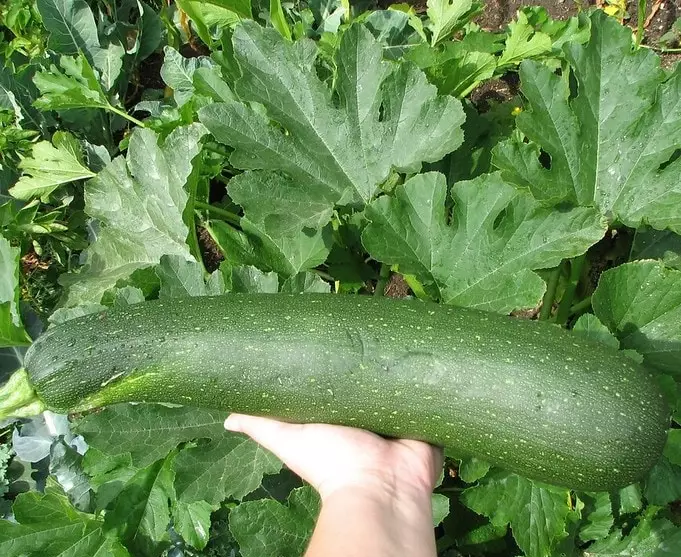
How to Grow Giant Zucchini Successfully
Let's be clear: growing giant zucchini isn't just about luck. It's a mix of the right variety, proper care, and a bit of neglect at the right time. Most gardeners accidentally grow big zucchinis by missing the harvest window, but if you want to do it on purpose, here's how. I've grown zucchinis for over a decade, and I've learned that intentional giant growth requires tweaking standard practices.
Choosing the Right Seeds: It Starts Here
Not all zucchini varieties are created equal. While any zucchini can grow large if left unchecked, some are bred for size. Look for heirloom varieties like 'Cocozelle' or 'Black Beauty'—these tend to produce larger fruits. I've had the best results with 'Giant of Naples', but it's not as common. A tip from a local nursery owner: avoid hybrid seeds if you're aiming for consistent giant growth; heirlooms often have more genetic potential for size. In my experience, 'Black Beauty' is reliable, but 'Cocozelle' gives that extra heft without much fuss.
Soil and Watering: The Foundation You Can't Skip
Zucchinis are heavy feeders. I made the mistake one year of planting them in mediocre soil, and while I got fruits, they were puny. For giants, you need rich, well-draining soil. I mix in plenty of compost—about a 30% ratio—and a balanced organic fertilizer at planting. The University of California's Master Gardener program recommends a soil pH between 6.0 and 7.5 for optimal squash growth. I test my soil every spring; it's a small step that prevents big disappointments.
Watering is where most people mess up. Zucchinis need consistent moisture, but overwatering leads to rot. I use a drip irrigation system set to water deeply once a week, adjusting for rainfall. During hot spells, I might water twice, but always in the morning to avoid fungal issues. Last summer, I experimented with a soaker hose on a timer, and the plants thrived—fewer blossoms dropped, and the zucchinis grew steadily larger.
My Season-Long Experiment: A Case Study
Let me share a specific example from last summer. I planted 'Black Beauty' seeds in early May, in raised beds with a soil mix of 50% garden soil, 30% compost, and 20% perlite for drainage. By mid-June, the plants were thriving, but I noticed one zucchini starting to balloon. I decided to let it grow for an experiment. I watered it consistently, but didn't fertilize extra—over-fertilization can lead to hollow fruits, a mistake I made in the past. By July, that zucchini measured 24 inches long and weighed over 5 pounds. The key? I left it on the vine longer than usual, but ensured the plant had support to prevent breakage.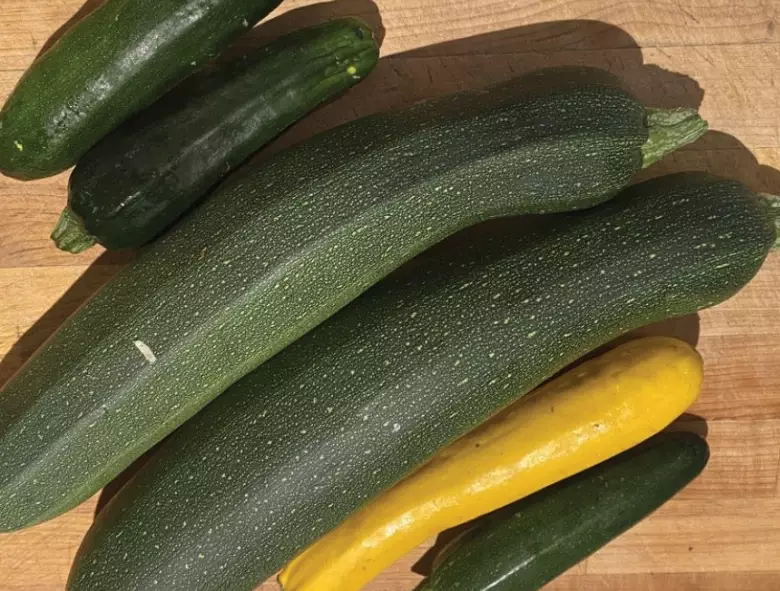
| Variety | Average Size | Best for Giants | My Notes |
|---|---|---|---|
| Black Beauty | 6-8 inches | Good | Reliable, but needs daily checks to avoid giants |
| Cocozelle | 8-10 inches | Better | Heirloom, tends to grow larger with less care |
| Giant of Naples | 12+ inches | Best | Rare, requires specific conditions; hard to find seeds |
| Costata Romanesco | 7-9 inches | Fair | Great flavor, but not for size; I use it for eating fresh |
What to Do With a Giant Zucchini
So you've got a zucchini that's bigger than your forearm. Now what? First, don't panic. Yes, it's still edible, but the texture and taste change as they grow. The seeds become larger and the flesh can get woody. Here are my go-to solutions, tested in my own kitchen. I focus on methods that transform the zucchini, not just mask it.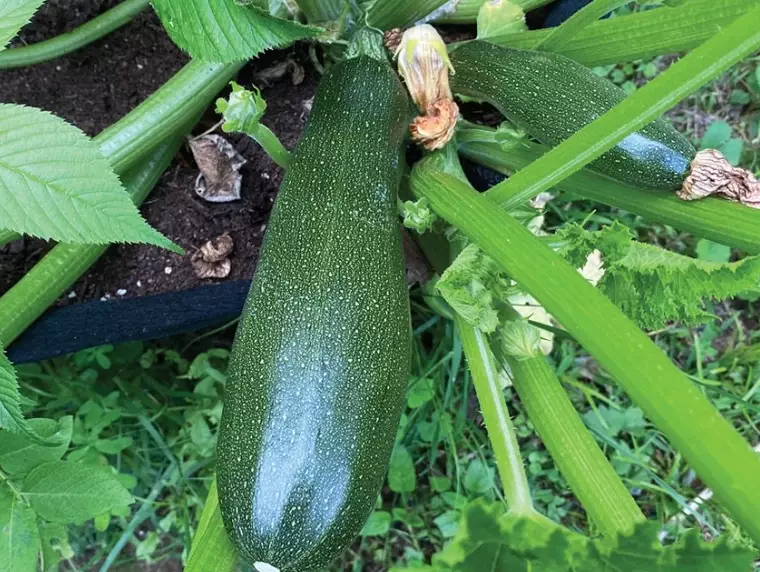
Cooking Giant Zucchini: Recipes That Actually Work
Forget the delicate sautés—giant zucchinis need hearty treatments. My top three uses have saved me from waste countless times.
Zucchini Bread: This is a classic for a reason. Giant zucchinis are perfect for shredding. I use a recipe that includes spices like cinnamon and nutmeg, and I often add walnuts or chocolate chips. One giant zucchini can yield enough shreds for multiple loaves. I freeze the extra bread for winter. Here's my detailed recipe:
- Ingredients: 3 cups shredded giant zucchini (about half a medium giant), 3 cups all-purpose flour, 1 cup sugar, 1 cup brown sugar, 1 cup vegetable oil, 3 eggs, 1 tsp vanilla extract, 1 tsp baking soda, 1/2 tsp baking powder, 1 tsp salt, 1 tbsp cinnamon, 1 cup chocolate chips.
- Steps: Preheat oven to 350°F. Mix wet ingredients, then dry. Combine, fold in zucchini and chocolate chips. Bake in loaf pans for 60-70 minutes. This makes two loaves—perfect for sharing or freezing.
Stuffed Zucchini Boats: Hollow out the zucchini, fill it with a mixture of ground meat, rice, and tomatoes, then bake. The large size means you can feed a crowd. I've served this at summer barbecues, and it's always a hit. I use a ratio of 1 pound ground beef to 2 cups cooked rice, seasoned with garlic and herbs.
Zucchini Soup: Pureed soups are forgiving. Chop the zucchini, simmer with onions and broth, then blend. Add a touch of cream or coconut milk for richness. It's a great way to use up large quantities without stressing over texture. I often add potatoes to thicken it naturally.
I avoid using giant zucchinis in salads or stir-fries—the texture is too coarse. Instead, focus on dishes where it's cooked thoroughly. A neighbor once told me she tried to grill slices from a giant zucchini, and they turned out rubbery. Lesson learned: marinate them first in oil and vinegar to tenderize.
Preserving for Later: Freezing and Canning
If you can't eat it all now, preserve it. Shredded zucchini freezes beautifully. I pack it in one-cup portions in freezer bags. For longer storage, you can can zucchini relish or pickles. The National Center for Home Food Preservation has guidelines for safe canning practices—I always refer to their resources to avoid botulism risks. Last year, I canned 10 jars of zucchini relish; it's a tangy condiment that lasts all winter.
Another method: dehydrate zucchini slices for chips. They're a healthy snack, but honestly, the process is time-consuming. I only do it if I have extra time and a dehydrator handy.
Common Mistakes When Handling Giant Zucchini
I've made plenty of errors over the years. Here are the big ones, so you can skip the frustration. These aren't just minor slip-ups; they can ruin your harvest or your meal.
Harvesting Too Late or Too Early: Zucchinis grow fast. If you want giants, let them go, but know that after about 10-12 inches, the quality declines. For eating, harvest at 6-8 inches. For giants, wait until they're 18 inches or more, but be prepared for tougher skin. I once left a zucchini until it was 30 inches long; the skin was so hard I needed a saw to cut it. Not fun.
Not Checking for Pests: Giant zucchinis can attract squash bugs and vine borers. I lost a plant once because I didn't inspect under the leaves. Now, I do a weekly check and use organic neem oil if needed. The larger the fruit, the more appealing it is to pests—they see it as a feast.
Assuming Bigger is Better for Eating: This is a common misconception. Giant zucchinis are often less flavorful and more fibrous. They're best for cooking methods that break down the fibers, like baking or slow-cooking. I've tasted side-by-side comparisons: a small zucchini is sweet and tender, while a giant one is bland and stringy. Use giants for bulk, not delicacy.
Storing Incorrectly: Don't refrigerate whole giant zucchinis. The cold damages the texture. I keep mine in a cool, dark pantry for up to a week. If cut, wrap the pieces in paper towel and refrigerate for a few days.
Reader Comments