Let's get straight to it. The secret to a legendary cherry pie isn't just a great recipe—it starts with the right fruit. Using sweet eating cherries like Bing or Rainier is the single most common mistake home bakers make. You end up with a cloyingly sweet, one-note filling that lacks the vibrant, complex tang that defines a classic sour cherry pie. True pie cherries, specifically tart or sour cherries, have the perfect balance of high acid and lower sugar that transforms into magic when baked. This guide is everything I've learned from years of trial, error, and stained aprons about selecting, preparing, and baking with these glorious ruby gems.
In this article:
How to Choose the Perfect Pie Cherries
Not all sour cherries are created equal, even within the "pie cherry" category. Knowing the difference is what separates a good pie from a great one.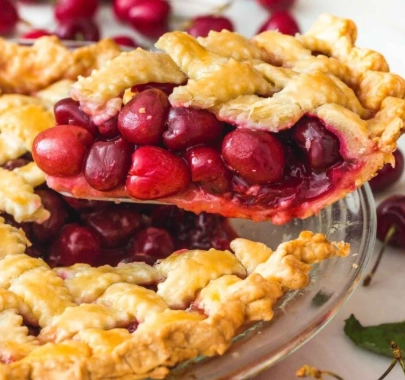
The Two Main Contenders: Montmorency vs. Morello
In North America, you'll primarily encounter two types.
| Variety | Flavor & Texture Profile | Best For | Availability |
|---|---|---|---|
| Montmorency | The classic. Bright, clean acidity with a well-rounded tartness. Flesh is tender and juicy. Color is a vibrant, true red. | The quintessential American sour cherry pie. Its balanced flavor lets the cherry sing. | Most common in the U.S., especially the Midwest and Northeast. Fresh season is short (late June-July). Widely available frozen and canned. |
| Morello | Deeper, more complex wine-like tartness, often with a hint of bitterness. Darker, almost black-red color. Flesh can be firmer. | European-style pies, clafoutis, and preserves where a richer, deeper cherry flavor is desired. | More common in Europe. Gaining ground in specialty U.S. markets. Also found frozen and jarred (often in syrup). |
My personal go-to is Montmorency for a traditional pie. Its flavor is just unmistakable. I tried Morello once for a change, and while the pie was delicious, it had a different, almost deeper personality that some of my family found less "nostalgic."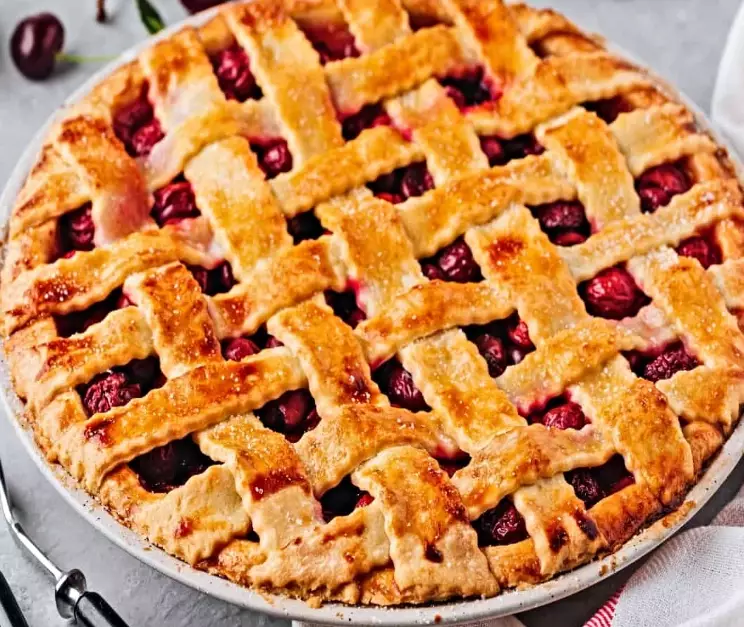
Pro Tip: If you see "Balaton" cherries, they're a newer variety of tart cherry, similar to Montmorency but sometimes larger and a bit firmer. They're an excellent choice and handle baking beautifully.
Fresh, Frozen, or Canned?
This is a huge point of confusion. Here's the real deal.
Fresh are fantastic if you can get them in their brief 3-4 week summer window. They have the best texture and purest flavor. But they're perishable—use within a day or two of purchase.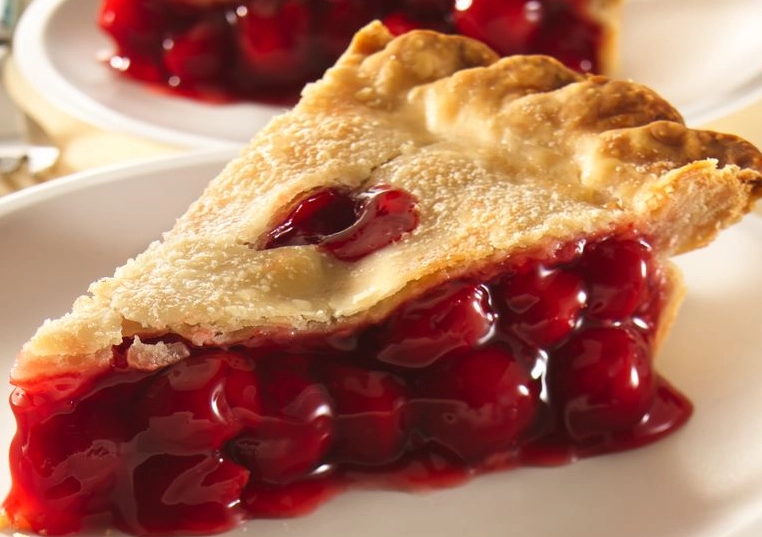
Frozen are the unsung hero of year-round pie baking. Commercially frozen cherries are typically pitted and flash-frozen at peak ripeness. In many blind tastings, a pie made from high-quality frozen cherries beats one made from fresh-but-shipped-across-the-country cherries. They're my absolute recommendation for reliability. Just don't thaw them completely before using (more on that later).
Canned (or Jarred) come packed in water or syrup. They're a convenient pantry staple, but the texture is much softer—almost stewed already. They can make a fine pie in a pinch, but you'll need to drastically adjust the thickener and sugar since they sit in liquid. I rarely use them for pie; they're better for quick compotes or spooning over ice cream.
Preparing Your Cherries for Pie: A Step-by-Step Guide
This is where you can prevent a soggy disaster. The goal is to maximize flavor and minimize excess juice that soaks the bottom crust.
- Pitting is Non-Negotiable. No one wants to break a tooth. A simple handheld pitter is a $15 game-changer. For frozen cherries, I often pit them while they're still semi-frozen—it's less messy.
- Do Not Macerate (The Unpopular Opinion). Most recipes tell you to toss cherries with sugar and let them sit for 30 minutes to draw out juice. This creates a juice bomb. Instead, toss your pitted cherries (frozen or fresh) directly with sugar, thickener (I prefer a mix of cornstarch and instant tapioca), and flavorings like almond extract or citrus zest. The frozen cherries will release juice slowly in the oven as they bake, which the thickener then captures perfectly.
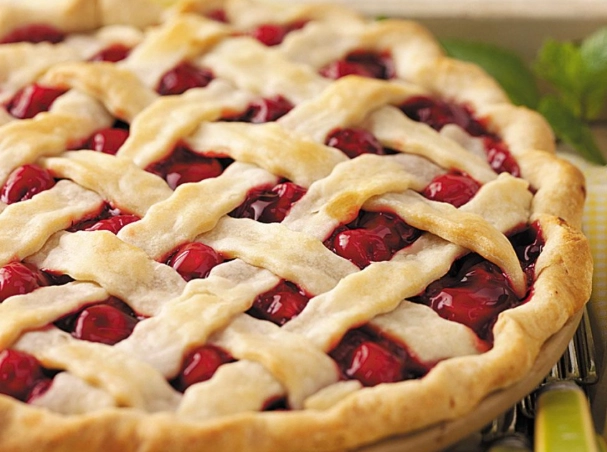
- Add a Flavor Anchor. A quarter teaspoon of almond extract (not imitation) with the cherries does something incredible. It doesn't taste like almond; it amplifies the cherry flavor tenfold. It's the secret weapon.
Watch Out: If you're using previously frozen cherries that have been fully thawed and have sat in a bowl of their own juice, you've essentially pre-made a soup. You'll need to drain some of that liquid or increase your thickener significantly, which can lead to a gummy texture.
A Foolproof Classic Sour Cherry Pie Recipe
This is my workhorse recipe, optimized for frozen Montmorency cherries. It assumes you have your favorite pie crust recipe for a double-crust pie (I'm a butter-and-shortening blend person for flakiness and flavor).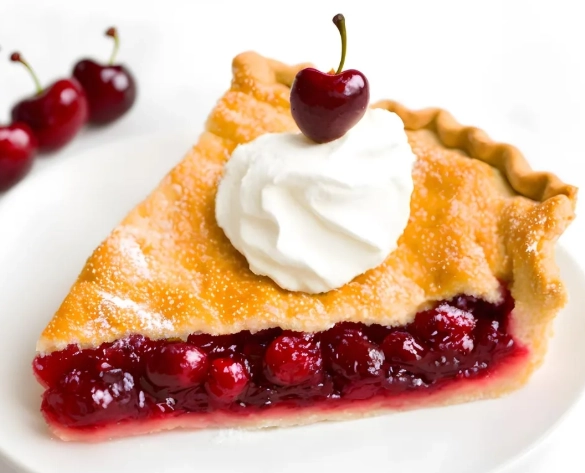
Ingredients
- ~5 cups (about 700g) frozen pitted tart cherries (do not thaw)
- 1 cup to 1 ¼ cups (200-250g) granulated sugar (adjust based on cherry tartness)
- ¼ cup (30g) cornstarch
- 2 tablespoons (15g) instant tapioca/minute tapioca (grind it in a spice grinder or crush with a rolling pin for a finer texture)
- ¼ teaspoon almond extract
- 1 teaspoon vanilla extract
- Zest of half a lemon
- Pinch of salt
- 2 tablespoons (28g) cold unsalted butter, diced small
- 1 egg beaten with 1 tbsp milk (for egg wash)
- Coarse sugar (for sprinkling)
Method
- Preheat your oven to 425°F (220°C) with a rack in the lower third. Place a rimmed baking sheet on the rack to preheat—this catches drips and helps cook the bottom crust.
- In a large bowl, whisk together the sugar, cornstarch, crushed tapioca, and salt. Add the frozen cherries, almond extract, vanilla, and lemon zest. Gently toss until evenly coated. Let it sit while you roll out your bottom crust.
- Pour the filling into your bottom pie crust. Dot the top with the small pieces of cold butter.
- Add your top crust, crimp edges, and vent well (cut slits, not just holes). Brush with egg wash and sprinkle generously with coarse sugar.
- Place the pie on the preheated baking sheet. Bake for 20 minutes at 425°F.
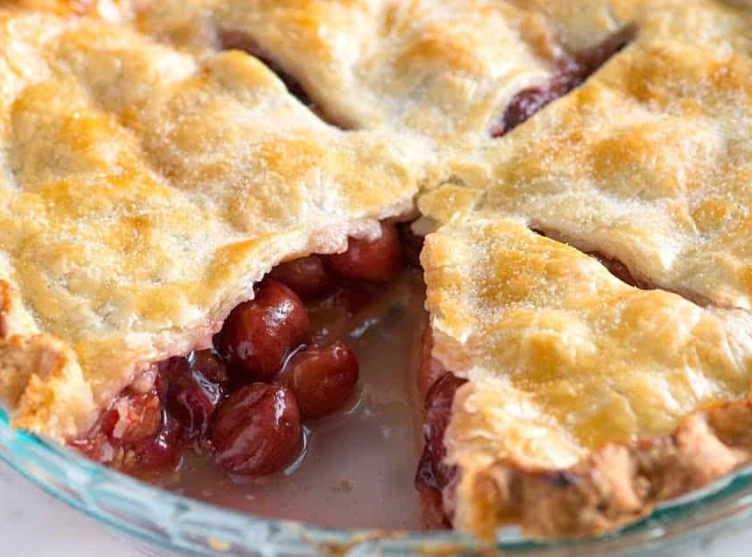
- Reduce oven temperature to 375°F (190°C). Bake for another 45-55 minutes, until the crust is deep golden brown and the filling is bubbling thickly through the vents. If the edges brown too fast, use a pie shield or foil.
- This is critical: Let the pie cool completely on a wire rack, at least 4 hours, preferably longer. The filling needs this time to set. Cutting into a warm cherry pie is a recipe for a runny mess.
Beyond Pie: Other Brilliant Uses for Tart Cherries
That bag of frozen cherries shouldn't just live for pie day.
- Cherry Clafoutis: The lazy cook's elegant dessert. A simple batter poured over cherries and baked. It's stunningly easy.
- Sauce for Meat: Simmer cherries with red wine, a touch of sugar, and thyme for an incredible pan sauce for duck, pork, or chicken.
- Jam & Compote: Sour cherries make the best jam—less sugar needed, incredible flavor. A quick compote (just cherries, a little sugar, lemon juice simmered for 10 mins) is perfect on yogurt, pancakes, or cheesecake.
- Dehydrated: Make your own tart dried cherries for oatmeal and salads, cheaper and tastier than store-bought.
 Finding and Buying Pie Cherries: A Seasonal Hunt
Fresh tart cherries have a brutally short season, typically from late June through July in the northern U.S. (Michigan is a huge producer). Don't rely on big chain supermarkets. Your best bets are:
- Farmers' Markets: Ask the vendor directly if they have "tart" or "pie" cherries.
- Pick-Your-Own Farms: Search for local orchards. Picking them yourself is a fun summer ritual.
- Specialty Grocers & Co-ops: More likely to carry them fresh in season or stock high-quality frozen brands year-round.
For frozen, look for bags labeled "Montmorency Tart Cherries" in the freezer aisle. Brands like Stilwell or from Michigan-based companies are reliable. A 2-3 pound bag is perfect for a deep-dish pie.
Expect to pay a premium for fresh—anywhere from $5 to $9 per pound. Frozen bags are more economical, usually $4-$7 per pound.
Your Pie Cherry Questions, Answered
Can I use frozen cherries directly from the freezer without thawing for a pie?
Not only can you, you should. Tossing them frozen with the sugar and thickener prevents them from becoming a mushy, watery mess before baking. They'll thaw and cook perfectly in the oven, and the thickener will gel the released juices at the right time, preventing a soggy bottom crust.
My cherry pie filling always turns out too runny. What am I doing wrong?
Three likely culprits. First, you might be using too much fruit juice (from macerating or fully thawed cherries) and not enough thickener. Second, you're probably cutting the pie while it's still warm. The filling continues to set as it cools—patience is key. Third, check your thickener. Cornstarch can break down if boiled too vigorously; a combination with instant tapioca (which holds up better to long baking and freezing) creates a more stable gel.
What's the best substitute for pie cherries if I absolutely cannot find them?
This is a tough one because the flavor is unique. The closest approximation is to use fresh or frozen sweet cherries (like Bing) and dramatically increase the acid. Add 1-2 tablespoons of fresh lemon juice or vinegar to the filling, and reduce the sugar by at least a quarter. It won't be the same, but it will be tart and balanced. Using canned sour cherries in water (drained well) is a better flavor match than fresh sweet cherries.
Can I grow my own pie cherry tree?
Yes, but with caveats. Montmorency cherry trees are cold-hardy and can be grown in USDA zones 4-7. They need full sun and well-drained soil. The biggest challenge is the birds—they will decimate your crop. You'll need netting. Also, most tart cherries are not self-pollinating, so you often need two different varieties for cross-pollination. Check with your local university extension service (like from Michigan State University) for specific planting guides for your area.
Are tart cherries the same as the "cherry" supplements you see for sleep and gout?
Yes, they are the source. Tart cherries, particularly Montmorency, have been studied for their high levels of antioxidants and anti-inflammatory compounds (like anthocyanins). Research, including studies referenced by institutions like the Arthritis Foundation, suggests potential benefits for reducing gout attacks and improving sleep quality due to natural melatonin. Eating the whole fruit or drinking tart cherry juice is the natural way to get these compounds, though the concentration in supplements is higher.
Reader Comments