Let's cut to the chase. The best tzatziki recipe isn't about fancy ingredients. It's about nailing a few non-negotiable techniques that transform simple yogurt, cucumber, garlic, and herbs into something magical—creamy, garlicky, refreshing, and utterly addictive. I've eaten my way through enough mediocre, watery versions to know what separates the good from the unforgettable. This guide is that difference.
What You'll Find Inside
Why This Tzatziki Recipe Actually Works
Most recipes get one thing catastrophically wrong: they treat the cucumber as an afterthought. You grate it, maybe pat it dry, and toss it in. The result? A sauce that weeps liquid within an hour, diluting all the flavor. The single most critical step—the one I learned from a cook on Crete—is aggressively squeezing the living daylights out of the grated cucumber. You're not just removing moisture; you're concentrating the cucumber's fresh flavor and ensuring a thick, scoopable texture that holds for days.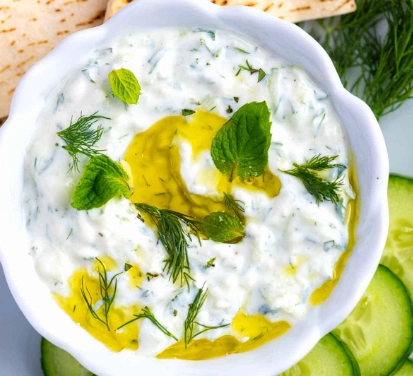
The second pillar is the yogurt. Full-fat Greek yogurt is the standard, and for good reason—its thickness and tang are ideal. But here's a nuance most don't mention: even "Greek" yogurt can vary. If yours isn't thick enough after straining, your tzatziki will suffer. We'll solve that.
Finally, balance. Too much garlic can be harsh and overpowering. The garlic needs to meld, not attack. Olive oil isn't just for garnish; a little mixed in adds richness and helps carry the flavors. It's these small, deliberate choices that build the best tzatziki recipe.
The Tzatziki Ingredients: A Simple Breakdown
Every ingredient has a job. Here’s what you need and why it matters.
| Ingredient | Quantity & Type | Its Role & Pro Tip |
|---|---|---|
| Greek Yogurt | 2 cups (about 500g), full-fat | Provides the creamy, tangy base. Full-fat is non-negotiable for texture and flavor. For an ultra-authentic touch, seek out sheep's milk yogurt. |
| English Cucumber | 1 medium (about 300g) | The star of freshness. English/hothouse cucumbers have fewer seeds and thinner skin. You'll grate and thoroughly squeeze it. |
| Garlic | 2-3 large cloves | For pungent, aromatic kick. Fresh is best. Mince it finely or use a microplane. Start with 2 cloves; you can add more later. |
| Extra Virgin Olive Oil | 2 tbsp + more for garnish | 1 tbsp is mixed in for richness, 1 tbsp is for garnish. Use a good quality, fruity olive oil—it makes a noticeable difference. |
| Fresh Dill & Mint | 2 tbsp dill, 1 tbsp mint (both finely chopped) | Dill is classic; mint adds a bright, cooling layer. If you must choose one, use dill. Dried herbs are a poor substitute here. |
| Red Wine Vinegar or Lemon Juice | 1 tbsp | A touch of acidity to lift everything. Vinegar is more traditional, lemon juice is a bit brighter. Your choice. |
| Salt | 3/4 tsp, or to taste | Essential for seasoning. Don't be shy. Salt wakes up the yogurt and cucumber. |
Yogurt Note: If you can only find regular plain yogurt, you must strain it. Line a sieve with cheesecloth or a clean kitchen towel, place it over a bowl, add the yogurt, and let it drain in the fridge for at least 4 hours, preferably overnight. Discard the liquid (whey). This step is what makes yogurt "Greek-style." According to the U.S. Department of Agriculture, straining significantly increases the protein and reduces the sugar content per serving.
How to Make Authentic Tzatziki: The Core Method
Follow these steps in order. Rushing or skipping is how you end up with soup.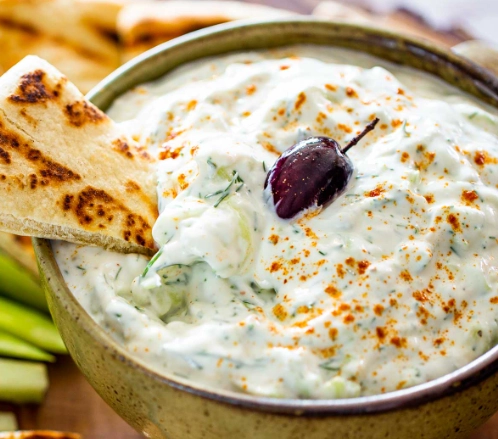
Step 1: Prepare the Cucumber (The Most Important Step)
Peel the cucumber. Grate it on the large holes of a box grater into a bowl. Now, take handfuls of the grated cucumber and squeeze them over the sink with all your strength. You want to extract as much water as possible. I usually do this over a fine-mesh strainer to catch any bits. Transfer the squeezed, dry cucumber to a clean kitchen towel or several layers of paper towels, wrap it up, and give it one final, firm twist. You'll be shocked at how much more liquid comes out. This should yield about 1 cup of tightly packed, dry cucumber pulp.
Step 2: Combine and Season
In a medium mixing bowl, combine the thick Greek yogurt, the thoroughly dried cucumber, minced garlic, chopped dill and mint, 1 tablespoon of olive oil, vinegar or lemon juice, and salt.
Stir everything together gently but thoroughly. Don't whisk aggressively; you want to keep the texture.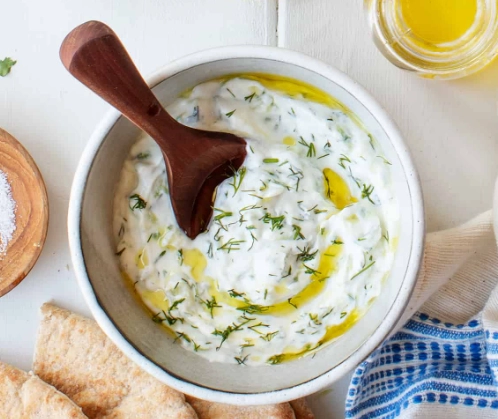
Step 3: The Resting Period (Don't Skip This)
Cover the bowl tightly with plastic wrap and refrigerate for at least 2 hours, ideally 4 or more. This is not optional. The flavors need time to marry. The garlic mellows, the herbs infuse, and the texture sets. It tastes completely different—and infinitely better—after this rest.
Step 4: Serve
Before serving, give it a stir. Drizzle with the remaining tablespoon of good olive oil. A final sprinkle of fresh dill or a crack of black pepper looks great.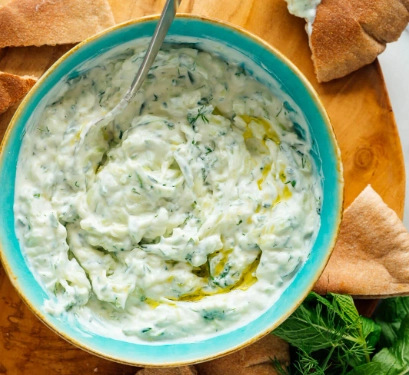
Common Tzatziki Mistakes and How to Fix Them
I've seen these errors ruin countless batches. Avoid them.
Mistake 1: Not squeezing the cucumber enough. This is the #1 cause of watery tzatziki. Your hands should ache a little. If you think you've squeezed enough, do it once more.
Mistake 2: Using low-fat or non-strained yogurt. Low-fat yogurt often has stabilizers and gums that create a weird, slimy texture when combined with cucumber juice. It also lacks the satisfying richness. Always use full-fat, pre-strained Greek yogurt, or strain regular yogurt yourself.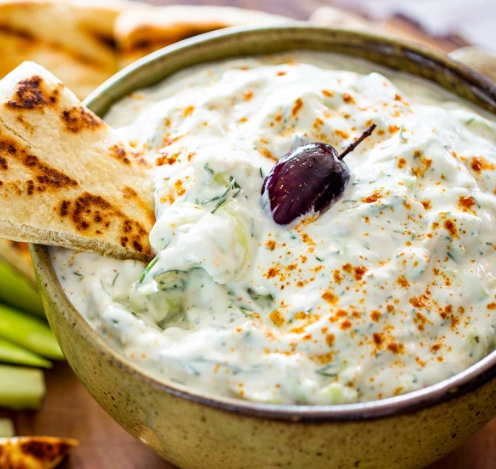
Mistake 3: Adding raw, coarsely chopped garlic. Large chunks of garlic can have a harsh, raw bite that dominates. Mince it very finely or grate it on a microplane. This distributes the flavor evenly and allows it to meld seamlessly.
Mistake 4: Skipping the resting time. Serving it immediately is like serving cookie dough instead of baked cookies. The ingredients haven't become a cohesive sauce yet. Patience is key.
Mistake 5: Over-stirring after resting. Once it's set, a gentle fold is all it needs. Vigorous stirring can break the emulsion and make it thin.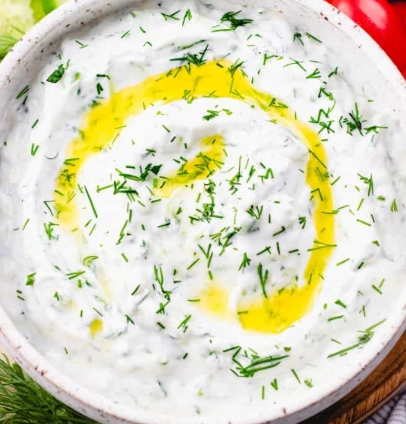
Storing and Serving Your Homemade Tzatziki
Properly stored in an airtight container in the fridge, this tzatziki will keep beautifully for 3-4 days. In fact, it often tastes even better on day two. If a little liquid separates, just stir it back in.
How to serve it? The possibilities are endless.
- The Classic: As a dip with warm pita bread, pita chips, or a platter of raw vegetables.
- The Gyros/Souvlaki Companion: This is its true calling. Dollop it generously on grilled chicken, lamb, or pork sandwiches.
- The Sauce: Drizzle it over grilled fish, roasted vegetables, or baked potatoes.
- The Spread: Use it on sandwiches and wraps instead of mayo or mustard. It's fantastic in a veggie wrap.
It's a cornerstone of the Mediterranean diet, celebrated for its health benefits, proving that "healthy" can also mean "incredibly delicious."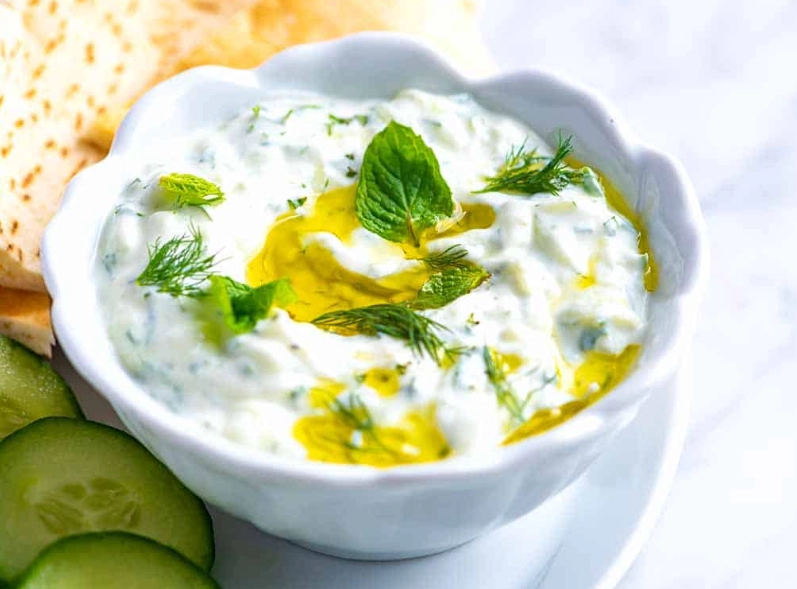
Reader Comments