I remember my first cucumber plant. I was so proud of the little green fruit forming, I waited and waited, convinced bigger was better. What I harvested was a yellow, seedy, bitter monster that was only good for the compost. That's the thing about cucumbers – the window for perfect picking is surprisingly narrow, and missing it costs you flavor and texture.
Getting it right isn't just about following a generic rule. It's about learning to read the plant's subtle cues. Let's get straight to the point: a cucumber is ready when it's the right size for its variety, firm, uniformly dark green, and before its seeds fully mature. But that's just the headline. The real skill is in the details most guides gloss over.
Quick Harvest Guide
The 5 Unmistakable Signs of a Ready Cucumber
Forget counting days from flowering. Your cucumber will tell you when it's time. Look for this combination of signs.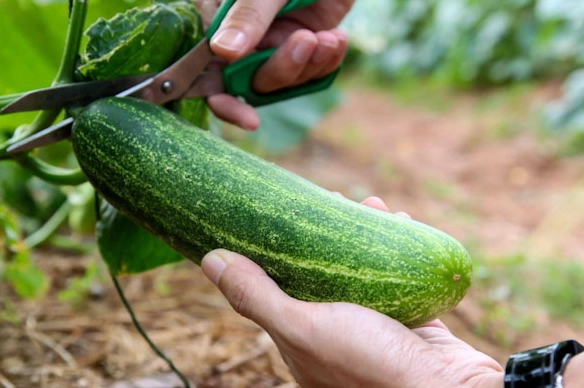
1. Size and Shape: Know Your Variety
This is the most common point of confusion. A 'Marketmore' slicer ready at 8 inches looks very different from a 'Parisian Gherkin' pickler ready at 3 inches. Check your seed packet. Most slicing cucumbers are prime between 6 to 8 inches long. Pickling types are best at 2 to 4 inches. The key is proportional thickness. A ready cucumber feels substantial for its length, not skinny or waisted.
2. Color: The Deep Green Rule (And Its Exceptions)
A ripe cucumber has a deep, uniform, forest green skin. Not pale, not yellowish. Run your finger over it. Any hint of yellow, especially at the blossom end, means it's starting to overripen. The chlorophyll breaks down, sugars convert, and bitterness sets in. Note: Some heirloom or specialty varieties like 'Lemon Cucumber' are supposed to be yellow when ripe. Know what you're growing.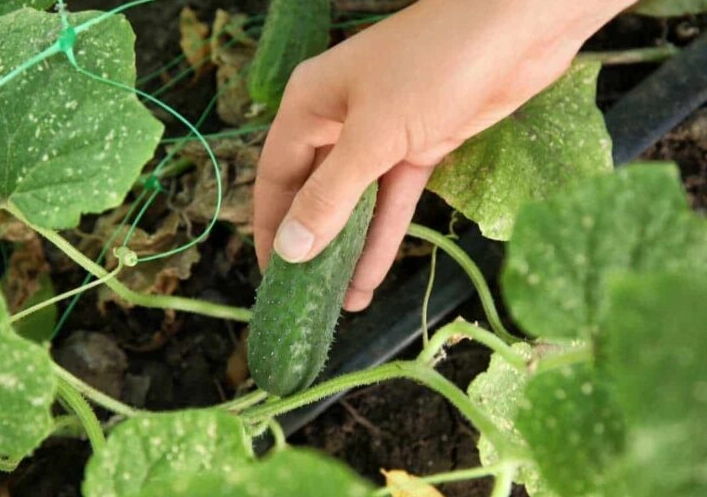
3. Firmness: The Squeeze Test
Gently squeeze the cucumber. It should be firm all the way through, with just the slightest give. If it feels soft, spongy, or has any give at the ends, it's past its prime. If it's rock hard, it might need a couple more days. An overripe cucumber often develops a slightly rubbery feel.
4. Skin Texture: From Prickly to Smooth
Many cucumbers, especially heirlooms and pickling types, have small prickly spines or bumps when young. At peak ripeness, these spines often soften or can be easily rubbed off. The skin itself should be taut and smooth, not wrinkled or dull. A waxy sheen is a good sign for many slicers.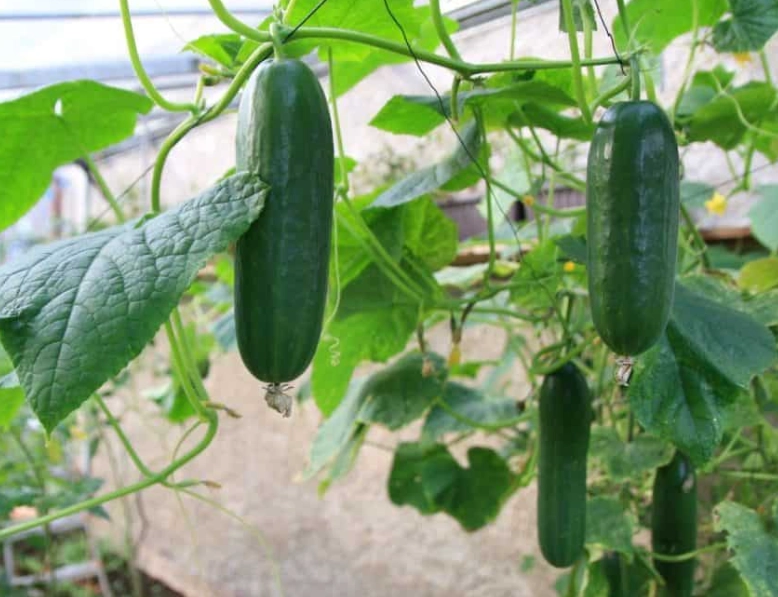
5. The Stem and Flower End
Look at the small stem where the cucumber attaches to the vine. A subtle color change from bright green to a slightly duller green can be a cue. More importantly, check the opposite (blossom) end. It should be rounded and firm. If it's starting to look pinched, pointy, or soft, the fruit is aging.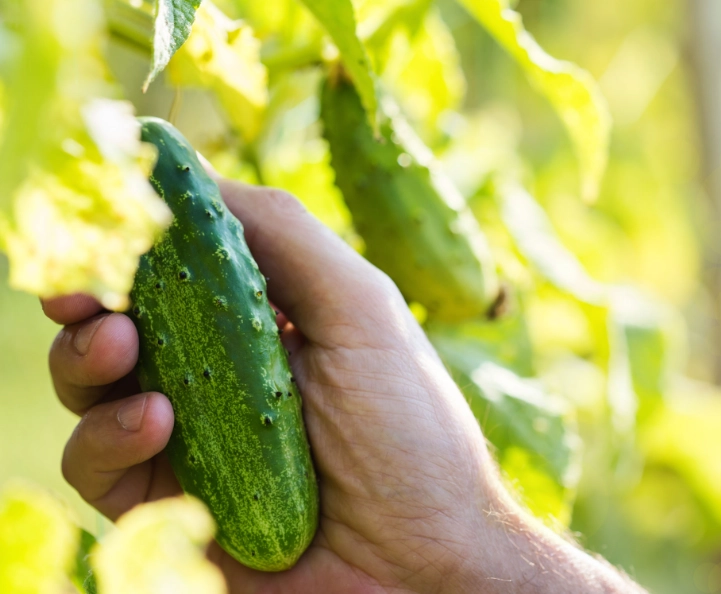
When and How Often to Check Your Plants
Here's where most new gardeners fail: inspection frequency. Cucumbers in the peak of summer can go from "almost ready" to "over the hill" in under 48 hours, especially in hot weather.
During the main harvest season, you need to check your plants every single day. I'm serious. A morning and evening walk-through is ideal. Growth spurts happen overnight. This daily habit is the single biggest difference between a mediocre and a fantastic harvest.
Early in the season or in cooler weather, every other day might suffice. But once you see multiple fruits setting, switch to daily patrols.
The Right Way to Harvest (Without Hurting the Vine)
Snapping or twisting cucumbers off by hand is a great way to damage the brittle vine and open it up to disease. Always use a clean, sharp pair of garden scissors, pruners, or a knife.
Here’s the technique most people get wrong: Don't cut flush against the cucumber. Leave about a quarter to a half inch of stem attached to the fruit. This "handle" prevents the cucumber end from rotting quickly in storage and looks nicer. Cut the stem about a half inch above where it joins the main vine, being careful not to nick the vine itself.
Harvest in the early morning when the plants are cool and full of water. The cucumbers will be crisper and store longer.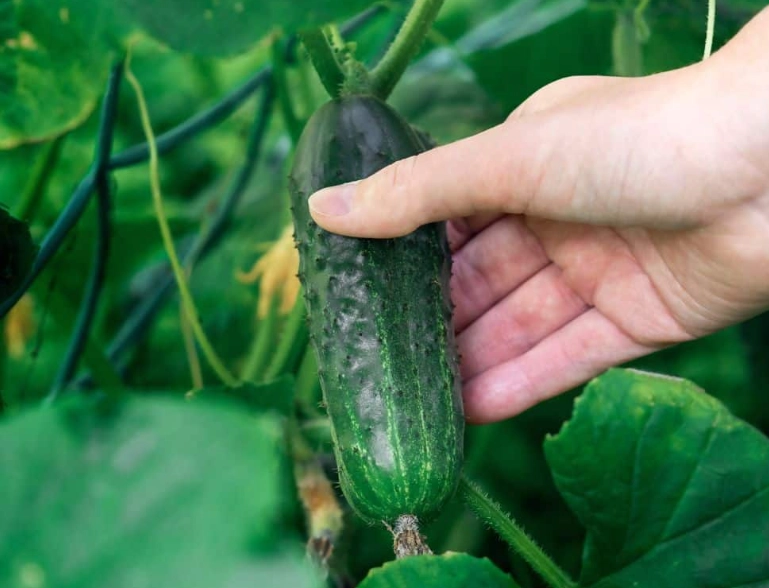
3 Costly Mistakes That Ruin Your Crop
Let's talk about what not to do. These errors can turn your harvest sour.
| Mistake | What Happens | How to Avoid It |
|---|---|---|
| Letting one cucumber overripen | The plant gets a signal that its reproductive job is done (mature seeds inside), and it slows or stops producing new flowers. One yellow cucumber can cost you a dozen future ones. | Harvest diligently, even if you have to give some away. Remove any overripe fruits immediately. |
| Harvesting based on length alone | You pick a long but skinny, pale cucumber that's watery and lacks flavor, or you miss a perfect, shorter, thick one. | Use the multi-sign check: size + color + firmness. Always prioritize color and feel over pure length. |
| Twisting fruits off in wet weather | You create a ragged wound on the vine when fungal spores are active. This can lead to stem rot that kills the whole section of the plant. | Always use a clean cutting tool. If you must harvest in the rain, be extra careful and consider dusting the cut stem on the vine with a pinch of cinnamon (a natural antifungal). |
The overripening mistake is the big one. I've seen it kill the momentum of a whole planting. The plant thinks, "Mission accomplished," and shifts its energy. Regular picking tells it, "Keep going, we need more!"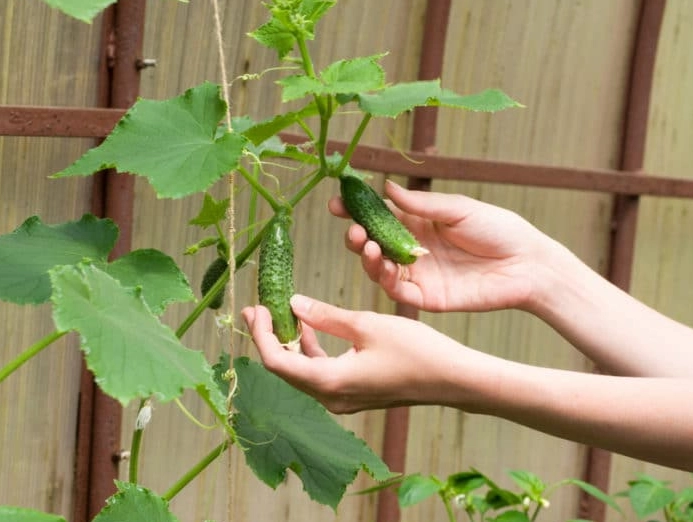
Your Cucumber Harvest Questions Answered
Harvesting cucumbers perfectly becomes intuitive after a season or two. You'll develop an eye for that specific shade of green and a feel for that ideal firmness. Start with the daily garden check. That habit alone will transform your success rate. Remember, the plant wants to make fruit. Your job is to keep telling it, by frequent and timely harvesting, that the work isn't done yet.
Go check your vines. There's probably one ready right now.
Reader Comments