You finally found them. A clutch of soft, greenish-yellow pawpaw fruits, maybe from a farmers' market stall or a lucky forage. They smell tropical, like a mix of mango and banana. Now what? That's the question that stops most people. Pawpaw pulp is incredible, but its short shelf life and unique texture can be intimidating. I've been there. My first batch turned to brown mush before I could decide what to make. After years of experimenting (and a few more failed batches), I've nailed down a set of recipes that actually work, from a lightning-fast breakfast to a show-stopping dessert that will make you the star of any potluck.
What’s Cooking Inside?
Your Morning Pawpaw Boost
Let's start simple. The fastest way to use ripe pawpaw is to blend it. The creamy texture is a natural thickener.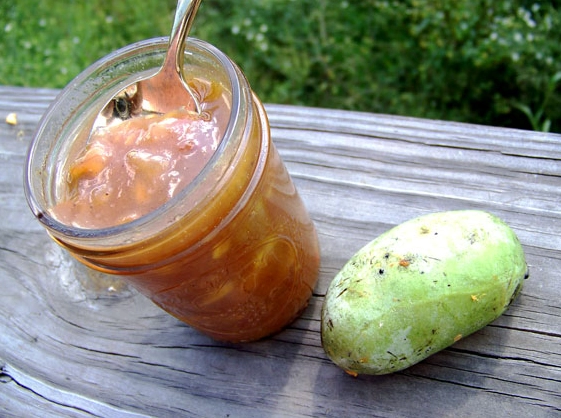
No-Fuss Tropical Power Smoothie
This is my weekday go-to. It uses frozen fruit to chill it instantly, so you don't dilute the flavor with ice.
What you need:
- 1 cup ripe pawpaw pulp (seeds and skin removed)
- 1 frozen banana
- 1/2 cup frozen mango chunks
- 1 cup coconut water or almond milk
- A big handful of spinach (trust me, you won't taste it)
- A squeeze of lime juice
How to make it: Dump everything into a blender. Blitz until completely smooth. That's it. Pour and drink. The pawpaw gives it a rich, custardy body that a plain banana smoothie just can't match.
Here's a tip most recipes won't tell you: if your pawpaw is super ripe and sweet, balance it with something tart. That squeeze of lime is non-negotiable in my book. It cuts through the sweetness and makes the tropical flavors pop.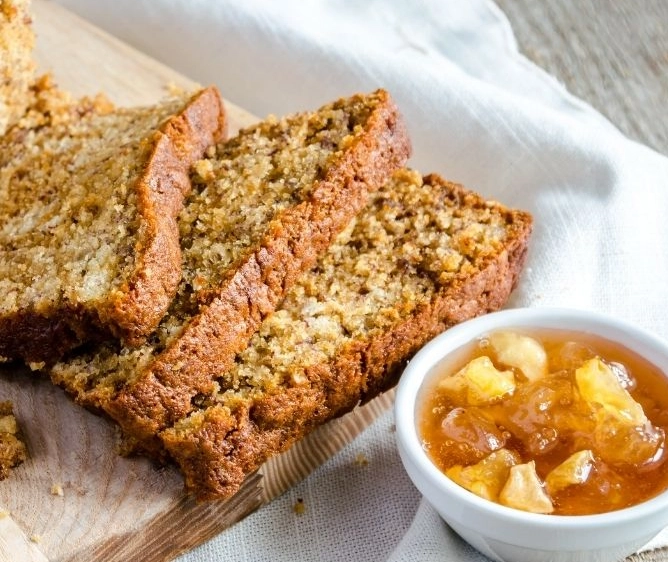
Pawpaw Breakfast Spreads: Two Ways
Pawpaw pulp cooks down beautifully into a jam or butter. The flavor intensifies. You can spread it on toast, swirl it into yogurt, or use it as a pancake topping.
The Quick Jam: Simmer 2 cups of pawpaw pulp with 1/4 cup of honey or maple syrup and the juice of one lemon over medium-low heat for 15-20 minutes, until thickened. The lemon is crucial for pectin and to prevent it from tasting flat.
The Lazy Butter: Even easier. Just mix equal parts ripe pawpaw pulp and softened cream cheese. Add a pinch of cinnamon. It's a fantastic, no-cook schmear for bagels.
The Savory Pawpaw Surprise
This is where we get creative. Pawpaw's tropical notes work shockingly well with savory, smoky, and spicy flavors. Most people never think to try this.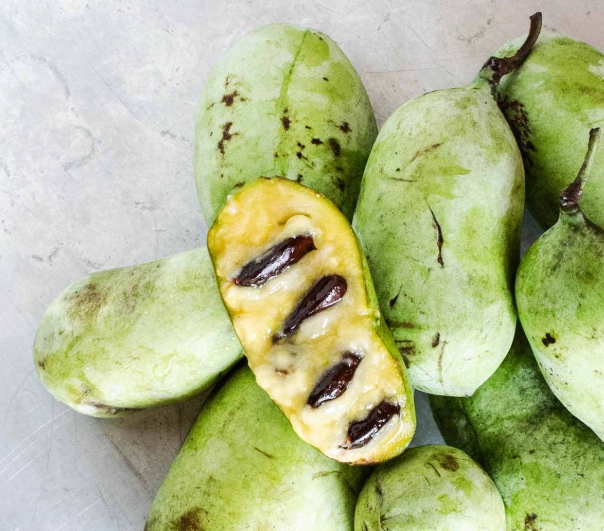
Pawpaw & Black Bean Tropical Salsa
This salsa disappears fast at gatherings. It's sweet, spicy, fresh, and goes with everything from tortilla chips to grilled fish.
What you need:
- 1 cup diced pawpaw pulp (try to keep the pieces somewhat firm)
- 1 can (15 oz) black beans, rinsed and drained
- 1/2 cup diced red onion
- 1 jalapeño, seeds removed and finely diced
- Juice of 2 limes
- 1/4 cup chopped cilantro
- Salt to taste
How to make it: Gently fold everything together in a bowl. Let it sit for 15 minutes so the flavors marry. The key is to add the pawpaw last and fold gently to avoid turning it into complete mush.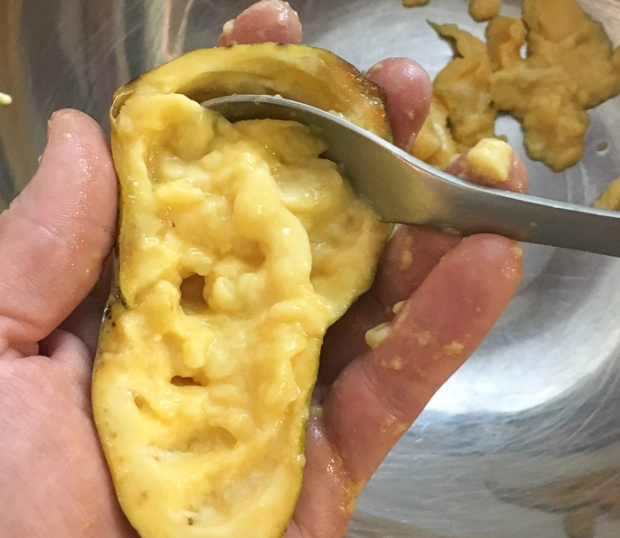
Now, for the real game-changer. This recipe came from a friend who runs a BBQ joint, and it's genius.
Secret-Ingredient Pawpaw BBQ Glaze
Pawpaw adds a subtle fruitiness and acts as a natural thickener for a sticky, glossy glaze perfect for ribs, chicken wings, or tofu.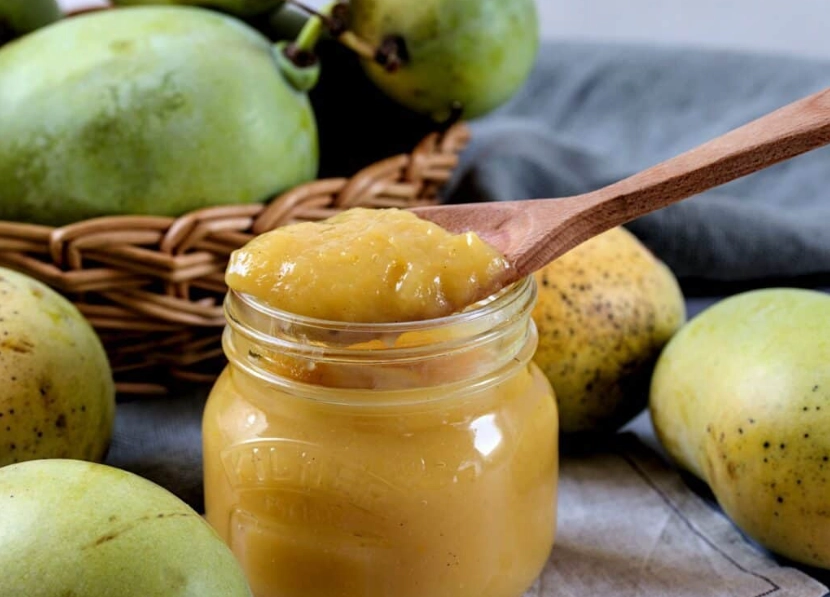
What you need:
- 1 cup pawpaw pulp
- 1 cup ketchup
- 1/3 cup apple cider vinegar
- 1/4 cup brown sugar
- 2 tbsp Worcestershire sauce
- 1 tbsp smoked paprika
- 2 cloves garlic, minced
- 1 tsp black pepper
How to make it: Combine all ingredients in a saucepan. Bring to a simmer over medium heat, then reduce to low. Let it bubble gently for 25-30 minutes, stirring occasionally, until it thickens to a glaze consistency. Brush it on your protein during the last 10-15 minutes of grilling or baking.
The Ultimate Frozen Pawpaw Treat
If you only make one thing, make this. Pawpaw's natural creaminess makes arguably the best no-churn ice cream base you'll ever find.
Pro Insight: The biggest mistake with pawpaw ice cream? Using only pawpaw. Its flavor is mild and can get lost when frozen. You need to pair it with a stronger, complementary flavor to make it sing.
No-Ice-Cream-Maker Pawpaw Swirl Ice Cream
This method uses whipped cream for volume and requires no special equipment. The ginger snap ripple is what takes it over the top.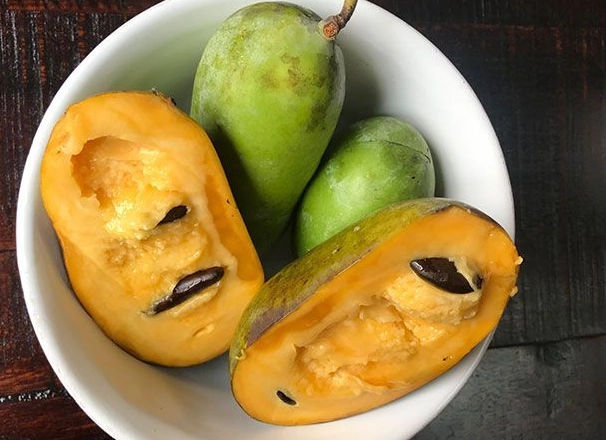
What you need for the base:
- 2 cups very cold heavy cream
- 1 (14 oz) can sweetened condensed milk
- 1 1/2 cups ripe pawpaw pulp
- 1 tsp vanilla extract
- Pinch of salt
What you need for the swirl:
- 1/2 cup crushed ginger snap cookies
- 2 tbsp melted butter
- 2 tbsp chopped crystallized ginger
How to make it: Whip the heavy cream to stiff peaks in a large bowl. In another bowl, whisk the pawpaw pulp, sweetened condensed milk, vanilla, and salt until smooth. Gently fold the pawpaw mixture into the whipped cream until just combined. Mix the crushed cookies with melted butter. In a loaf pan, layer half the ice cream base, sprinkle half the cookie mix and ginger, add the rest of the base, and top with the remaining swirl. Cover and freeze for at least 6 hours, preferably overnight.
The spicy ginger against the cool, creamy pawpaw is a revelation. It solves the "lost flavor" problem perfectly.
Pawpaw Prep 101: Avoiding the Common Pitfalls
Before you start cooking, you have to process the fruit. Do this wrong, and you'll waste it.
- Ripeness is Everything: A ripe pawpaw yields slightly to gentle pressure, like a peach. If it's rock hard, let it sit on the counter for a few days. If it's mushy and smells fermented, it's too far gone.
- The Cutting Method: Don't just hack into it. Slice it in half lengthwise, around the seed cluster. Twist to open.
- Seed Removal: Use a spoon to scoop out the large, lima-bean-like seeds. They are not edible. A common frustration is the slippery pulp. I find running a fork through it helps separate stubborn bits from the skin.
- Storage: Fresh pulp lasts about 3 days in the fridge. For longer storage, freeze it flat in zip-top bags or ice cube trays. This is the single best tip for enjoying pawpaw year-round. Thaw in the fridge before using.
Here’s a quick reference for what to make based on your pulp's state:
| Pulp Condition | Best Use | Recipe to Try First |
|---|---|---|
| Fresh, perfectly ripe | Salsas, no-cook spreads, smoothies | Tropical Salsa |
| Very ripe, super soft | Cooked sauces, jams, ice cream base | BBQ Glaze or Ice Cream |
| Frozen (thawed) | Smoothies, baked goods, ice cream | Power Smoothie |
Reader Comments