If you've ever stumbled upon a patch of ripe pawpaws in late summer, you know the treasure you've found. That creamy, tropical-tasting flesh is a fleeting gift. The best way I've found to lock in that unique flavor for months? Making pawpaw jam. Forget the bland, overly sweet stuff from the store. A homemade pawpaw jam recipe captures the wild, mango-banana essence of the fruit in a spreadable form that's perfect on toast, stirred into yogurt, or even as a glaze for meats. It's simpler than you think, but there are a few tricks most beginners miss that make all the difference between a good jam and a spectacular one.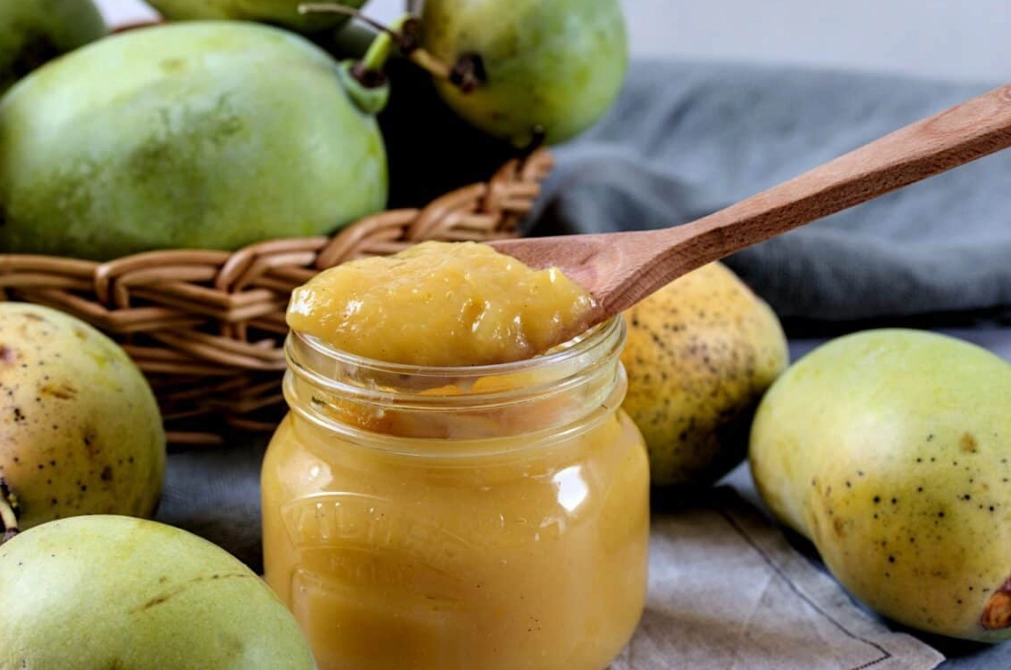
What's Inside This Guide
Finding and Prepping Your Pawpaws for Jam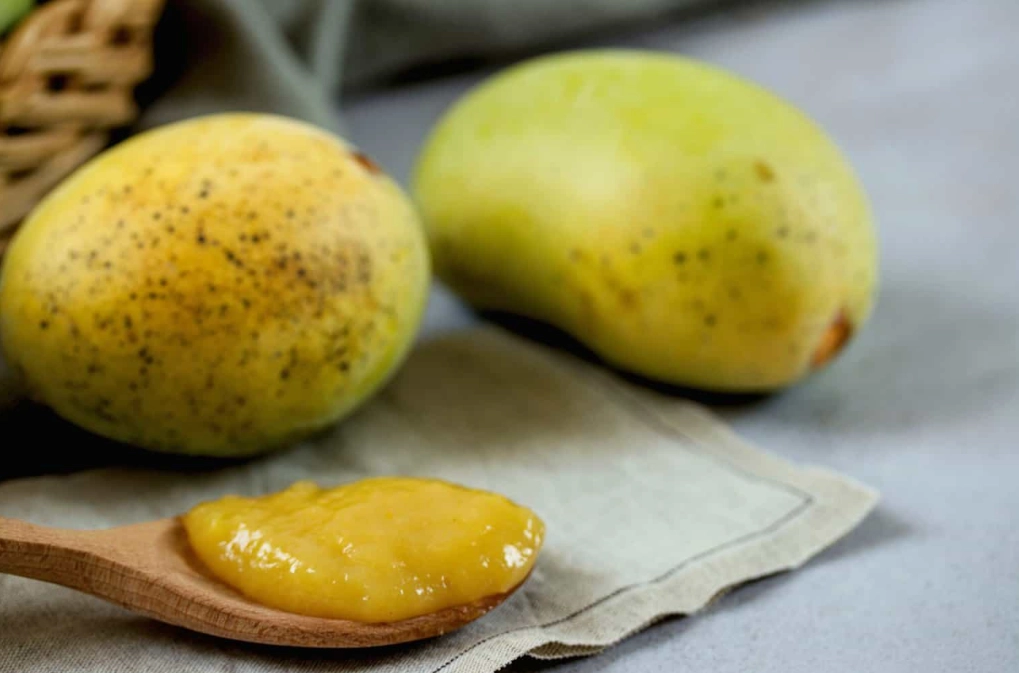
Let's start at the beginning. You can't make pawpaw jam without pawpaws. This isn't like running to the supermarket for strawberries. For most of us, it's a forage. The season is short, typically late August through mid-September, depending on your region (like the Midwest and Eastern US). Look for trees in moist, shady areas near riverbanks. The fruit is green and often hangs in clusters.
The big mistake? Picking them too early. A ripe pawpaw will yield slightly to gentle pressure, much like a ripe peach. It might have blackish spots. The skin is thin. If it's rock hard, leave it. If it's mushy and smells fermented, it's past its prime for jam—better for immediate eating or baking.
Once home, processing is key. Cut them in half, scoop out the large, inedible black seeds, and spoon the custard-like flesh into a bowl. Discard the skin. I always push the pulp through a food mill or a coarse sieve. Why? Pawpaw flesh has a stringy, fibrous texture that can be unpleasant in a smooth jam. This step is non-negotiable for a professional-quality spread. You'll be left with a smooth, vibrant puree. Measure this puree—that's what your recipe will be based on, not whole fruit weight.
Pro Tip: Wear gloves if you have sensitive skin. Some people react to compounds in the pawpaw skin and seeds. Also, work quickly once cut—the flesh oxidizes and turns brown. A squeeze of lemon juice in your puree helps keep the color bright.
What You Need: Ingredients & Equipment
Pawpaw jam is elegantly simple in its ingredient list. The fruit's flavor is delicate, so you don't want to overpower it.
| Ingredient | Quantity (for ~5 cups puree) | Purpose & Notes |
|---|---|---|
| Pawpaw Puree | 5 cups (approx. 3-4 lbs whole fruit) | The star. Must be seed-free and sieved for best texture. |
| Granulated Sugar | 4 cups | Preserves, sweetens, and helps with gel formation. You can reduce slightly, but it affects shelf life. |
| Lemon Juice | 1/4 cup (freshly squeezed) | Critical for acidity. It balances sweetness, brightens flavor, and is essential for safe water bath canning. |
| Commercial Pectin | 1 box (1.75 oz) powdered, like Sure-Jell | Pawpaws are low in natural pectin. This guarantees a perfect set every time. Don't skip it. |
For equipment, you don't need anything fancy. A large, heavy-bottomed pot (like a Dutch oven) is vital to prevent scorching. A canning funnel, ladle, jar lifter, and half-pint (8 oz) canning jars with new lids are needed if you plan to preserve for the pantry. A water bath canner or a very large, deep pot with a rack. And of course, basic tools: measuring cups, a long wooden spoon, and a timer.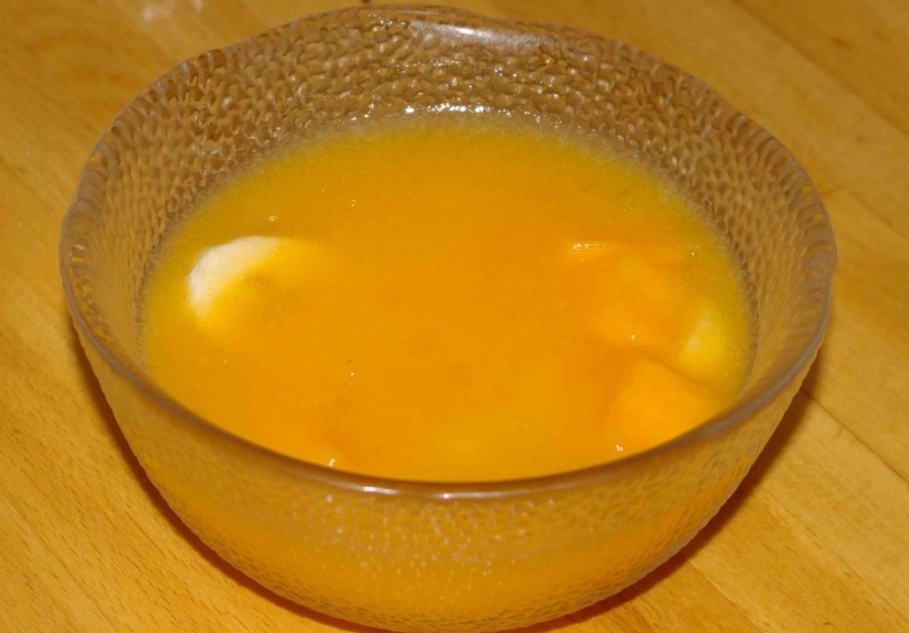
The Step-by-Step Pawpaw Jam Making Process
This is where the magic happens. Clear your counter, put on some music, and focus. Jam making requires attention.
1. The Prep Work
Wash your jars and lids in hot, soapy water. Place the jars in your canner, cover them with water, and bring to a simmer (180°F) to sterilize and keep them hot. This prevents thermal shock when you add hot jam. Keep the lids in a separate small pot of simmering water (not boiling, as it can damage the sealing compound).
2. Cooking the Jam
In your large pot, whisk the powdered pectin into the 5 cups of pawpaw puree until fully dissolved. This initial mixing prevents clumps. Add the lemon juice and stir well.
Bring this mixture to a full, rolling boil over high heat, stirring constantly. A rolling boil is one that cannot be stirred down. This is crucial.
Once boiling vigorously, immediately add all the sugar at once. Stir like crazy to dissolve it completely. Return the mixture to that full, hard boil and set your timer for exactly 1 minute. Boil for 60 seconds, stirring non-stop.
Watch Out: The jam will foam up dramatically. This is normal. Don't reduce the heat to control the foam—you need that high heat for the pectin to activate. Just keep stirring and let it boil over the foam.
After 1 minute, remove the pot from the heat. Skim off any thick foam with a spoon (this makes for clearer jam). You'll notice the texture change almost immediately—it becomes glossier and thicker as it cools slightly.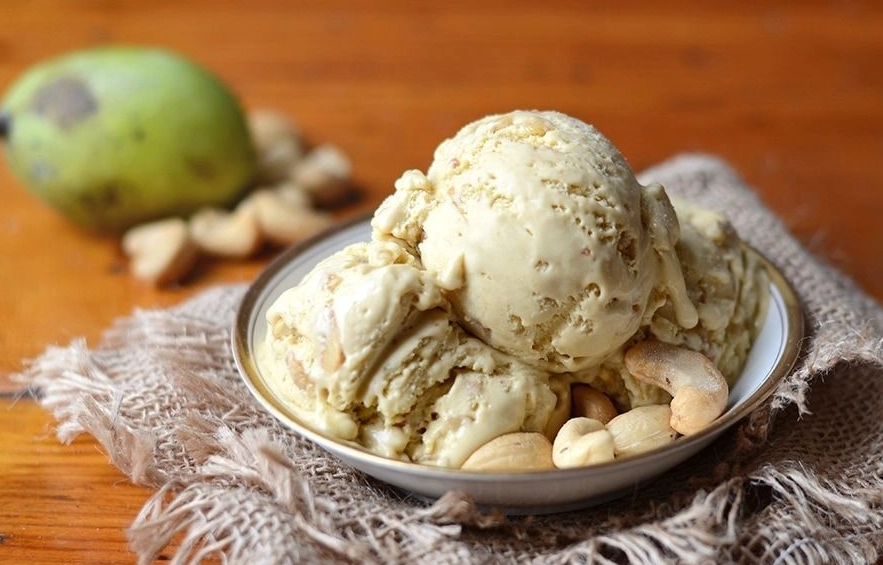
Canning and Storing Your Pawpaw Jam
If you're eating the jam within 3 weeks, you can skip this and just pour it into clean containers, cool, and refrigerate. But for that shelf-stable pantry stockpile, canning is the way.
Using your jar lifter, remove one hot jar from the canner. Pour out the water. Place the canning funnel on the jar and ladle in the hot jam, leaving 1/4 inch of headspace (the space between the jam and the rim). Wipe the rim with a clean, damp cloth—any residue can prevent sealing. Place a hot lid on top and screw on the band until it's fingertip-tight (snug, but not forced).
Place the filled jar back into the canner rack. Repeat with all jars. Ensure the jars are covered by at least 1-2 inches of water. Bring to a full boil, put the lid on, and process for 10 minutes (adjust for altitude if you live above 1,000 feet—consult National Center for Home Food Preservation guidelines).
After processing, turn off the heat, wait 5 minutes, then remove the jars to a towel-lined counter. Do not tighten the bands. Let them sit, undisturbed, for 12-24 hours. You'll hear the satisfying *pop* of the lids sealing. Once cool, press the center of each lid. If it doesn't flex, it's sealed. Store in a cool, dark place for up to a year. Refrigerate after opening.
Your Pawpaw Jam Questions Answered
 I can't find wild pawpaws. Can I use a different fruit?
Making pawpaw jam is more than just following a recipe; it's a way to preserve a taste of the wild. That jar on your shelf in January holds the warmth of a late summer day. It takes a bit of effort to find the fruit and an afternoon to put it up, but the reward—that first taste of your own homemade, wild-foraged jam—is something you can't buy. Give it a try this season. You might just start a new tradition.
Reader Comments