Let's be honest. Most pickled cucumber recipes you find online promise greatness but deliver a soggy, overly salty jar of disappointment. You follow the steps, wait a week, and end up with something that tastes more like a science experiment than grandma's pantry. I've been there. After years of trial, error, and consulting with old-school canners, I've nailed down a formula that works every single time. This isn't just a recipe; it's a blueprint for perfect pickles, focusing on the science of crunch and flavor balance. We'll cover the classic vinegar pickle, dive into the secrets of fermentation, and explore creative twists that will make your fridge the most popular spot in the house.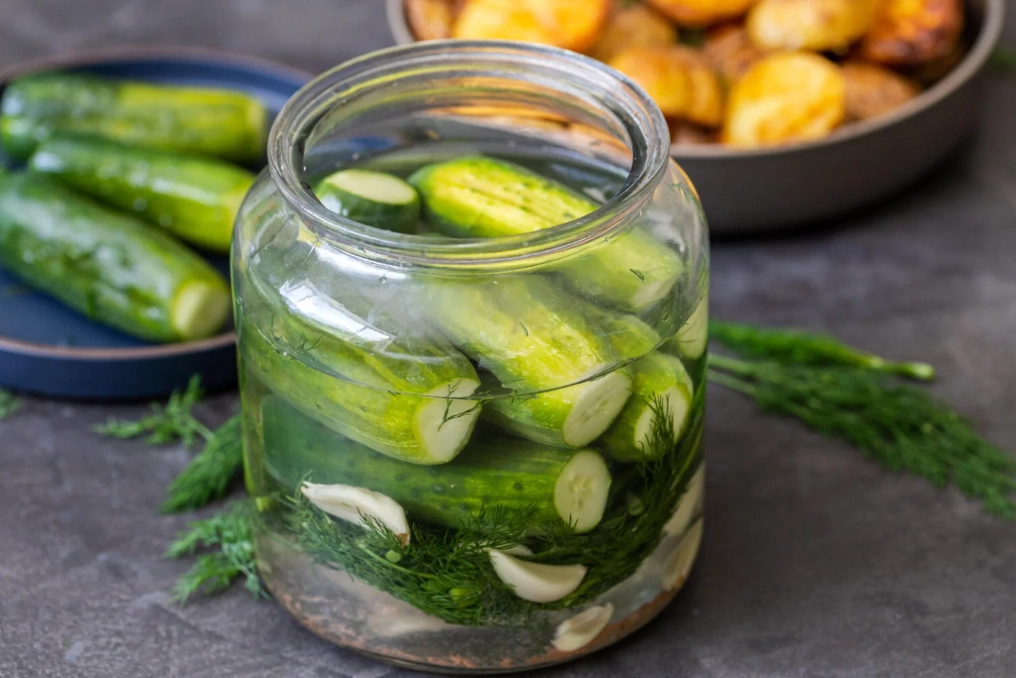
What You'll Find Inside
Why This Pickled Cucumber Recipe is Different
Most recipes get the basics right: cucumbers, vinegar, salt, spices. Where they fail is in the details—the details that prevent mushiness and blandness. This recipe is built on two pillars: crispness preservation and layered flavoring. It uses a specific pre-treatment for the cucumbers (more on that below) and a brine ratio that's sharp but not face-puckering. It also treats spices as active ingredients, not just background noise. The goal is a pickle that has a firm snap, a clean tang, and a lingering aroma of dill and garlic.
Choosing Your Ingredients Wisely
You can't make great pickles with mediocre ingredients. This table breaks down the non-negotiables.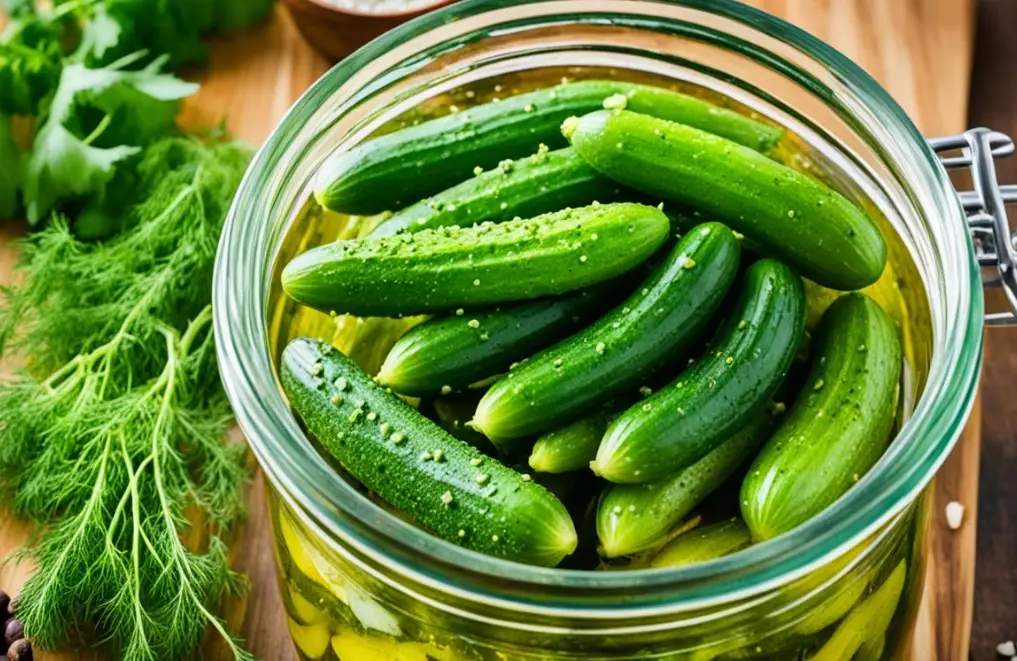
| Ingredient | Best Choice & Why | Common Pitfall to Avoid |
|---|---|---|
| Cucumbers | Pickling cucumbers (Kirby). They're small, firm, have thin skins, and fewer seeds. Look for bright green, bumpy ones. | Using salad cucumbers (like English or hothouse). They have too much water and thin flesh, leading to sogginess. |
| Vinegar | Distilled white vinegar (5% acidity) for a clean, sharp taste. Apple cider vinegar works for a fruitier note. | Using fancy, aged vinegars (like balsamic). Their complex flavors clash and can be overpowering. |
| Salt | Pickling salt, kosher salt, or fine sea salt WITHOUT anti-caking agents. Iodized table salt contains additives that can cloud the brine and alter taste. | Grabbing whatever salt is in the shaker. Iodine and anti-caking agents are the enemy of clear brine. |
| Water | Filtered or distilled water. Chlorine and minerals in tap water can interfere with fermentation and flavor. | Using heavily chlorinated tap water. It can inhibit the good bacteria in fermented pickles. |
| Fresh Aromatics | Fresh dill (flowers and fronds), garlic cloves, mustard seeds, black peppercorns, coriander seeds. Fresh is exponentially better than dried for dill and garlic. | Using only dried spices. They lack the vibrant, penetrating flavor of fresh ingredients. |
The Real Secret to Crisp Pickled Cucumbers (It's Not What You Think)
Everyone says "add grape leaves or alum for crispness." That's a band-aid. The real work happens before the brine even touches the cucumbers. The primary cause of soft pickles is enzymes and pectin breakdown. Here's the professional method, straight from old preserving guides:
The Ice Bath Pre-Treatment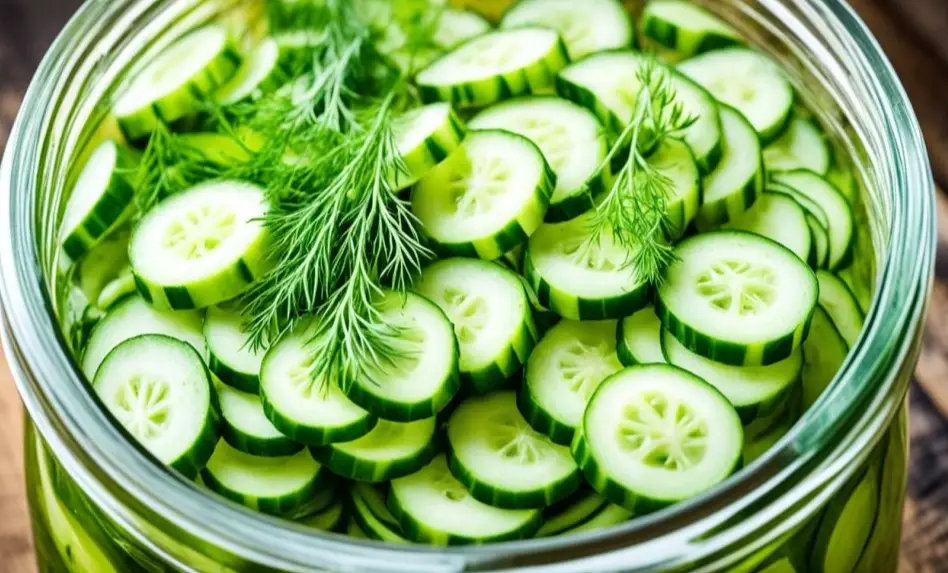
As soon as you get your cucumbers home, give them a good wash. Then, submerge them completely in a bowl of ice water for at least 2 hours, or even overnight in the fridge. This shocks the cells, firms up the flesh, and removes some of the field heat that accelerates spoilage. It's the single most effective step for crispness.
Brine Concentration is Key
A weak brine leads to spoilage; a too-strong brine makes pickles tough and salty. For quick refrigerator pickles, a reliable ratio is 1:1 vinegar to water, with about 1 tablespoon of salt per cup of total liquid. This creates an environment where harmful bacteria can't thrive, but flavor can develop.
Classic Dill Garlic Refrigerator Pickles: The Step-by-Step
This is the workhorse recipe. It requires no canning, is ready in 24 hours, and keeps for months in the fridge.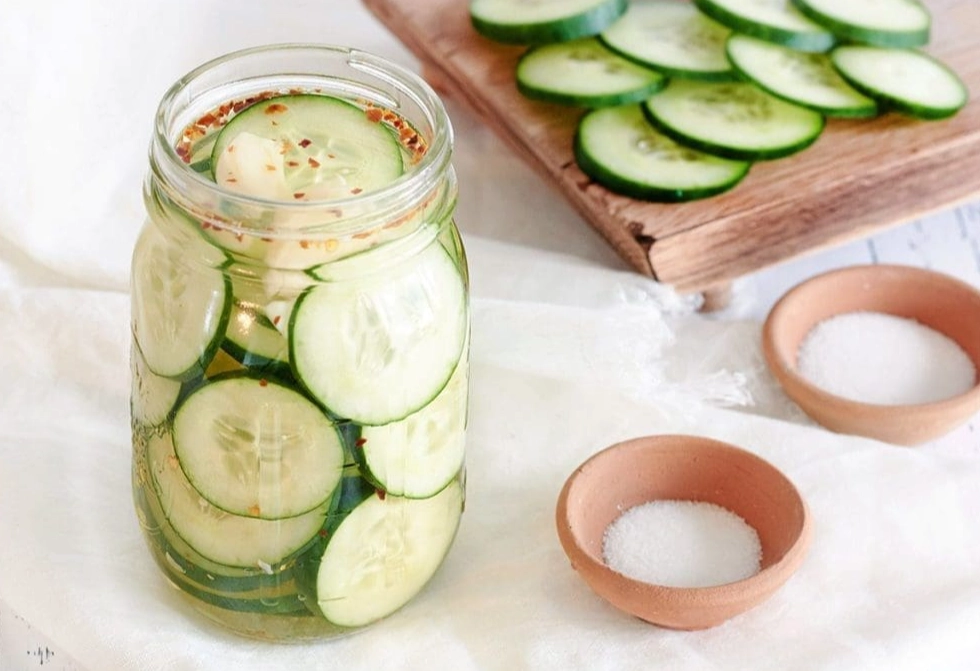
Yield: About 2 quart-sized jars
Prep Time: 30 minutes (plus chilling)
Total Time: 24 hours
Ingredients:
- 2 lbs pickling cucumbers (about 8-10 medium), ice-bathed
- 4-6 sprigs fresh dill (plus flowers if you have them)
- 4-6 cloves garlic, peeled and lightly smashed
- 2 tsp mustard seeds
- 2 tsp black peppercorns
- 1 tsp coriander seeds
- 1 tsp red pepper flakes (optional)
- 2 cups distilled white vinegar (5% acidity)
- 2 cups filtered water
- 4 tbsp pickling or kosher salt
- 1 tbsp granulated sugar (optional, balances acidity)
Instructions:
- Prepare Jars: Wash two quart-sized glass jars and lids thoroughly with hot, soapy water. You don't need to sterilize for fridge pickles, but they must be impeccably clean.
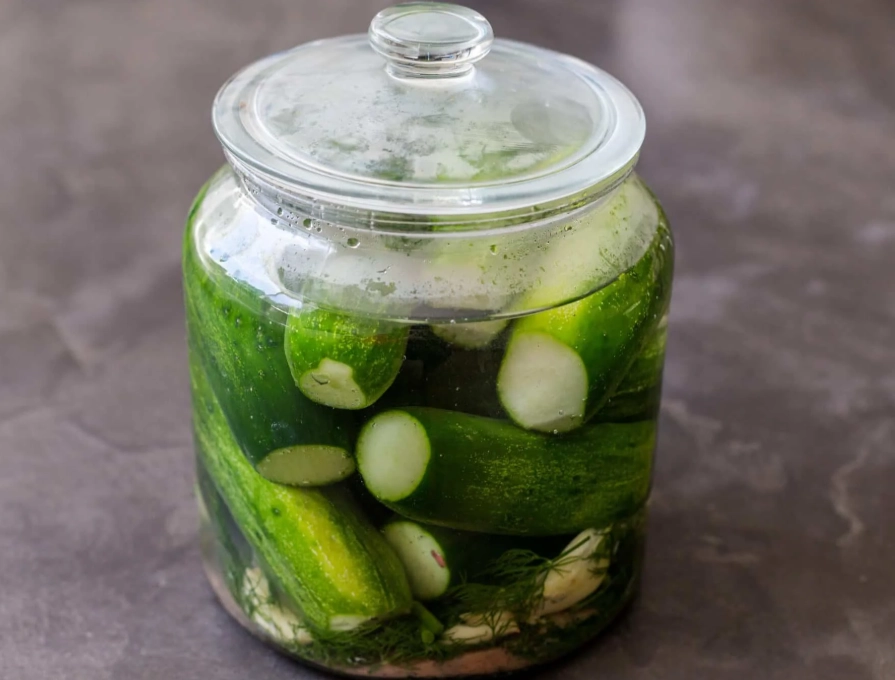
- Pack the Jars: Trim the blossom end off each cucumber. You can leave them whole, slice into spears, or cut into coins. Tightly pack the cucumbers into the jars, leaving about 1 inch of headspace. Tuck the dill, garlic cloves, and all the dry spices between the cucumbers.
- Make the Brine: In a non-reactive saucepan (stainless steel or enamel), combine the vinegar, water, salt, and sugar (if using). Bring to a boil over medium-high heat, stirring until the salt and sugar fully dissolve. Immediately remove from heat.
- Pour and Seal: Carefully pour the hot brine over the cucumbers, ensuring they are completely submerged. Tap the jars gently on the counter to release any air bubbles. Seal the jars with the lids.
- Cool and Chill: Let the jars cool to room temperature on the counter. This usually takes a few hours. Once cool, place them in the refrigerator.
- The Wait: For the best flavor, wait at least 24 hours before eating. They get even better after 3-5 days. They'll keep for 2-3 months in the fridge.
Flavor Variations: Make It Your Own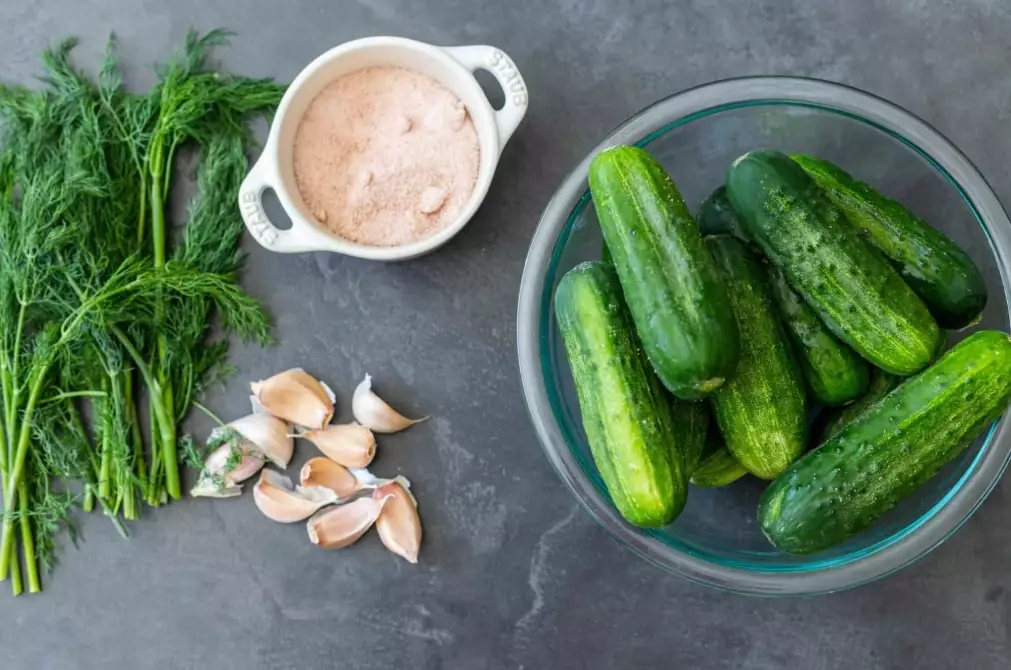
The basic brine is your canvas. Here are three popular variations. Simply adjust the aromatics in the jar before adding the brine.
1. Bread & Butter Style (Sweet & Tangy): Omit the dill and peppercorns. Add 1 thinly sliced sweet onion (like Vidalia) to the jar. Increase the sugar in the brine to 1/2 cup. Add 1 tsp turmeric powder for that classic golden color and earthy flavor.
2. Spicy Garlic: Keep the dill and garlic. Add 3-4 sliced fresh jalapeños or 2 sliced habaneros (wear gloves!) to the jar. Double the red pepper flakes. This one has a serious kick.
3. Asian-Inspired: Replace half the white vinegar with rice vinegar. Replace the dill with 4-5 slices of fresh ginger and 2-3 sliced Thai chilies. Add 2 star anise pods and a 3-inch piece of lemongrass, bruised. Swap coriander for Sichuan peppercorns for a tingling sensation.
How to Make Fermented Pickles (Lacto-Fermentation)
This is a different beast. Instead of vinegar, you use a saltwater brine to encourage naturally occurring lactic acid bacteria to ferment the cucumbers. The result is a deeper, complex sourness and loads of gut-friendly probiotics. They're also remarkably crisp.
The Method: Use a 3-5% brine by weight (e.g., 30g of salt per 1 liter of water). Pack cucumbers, spices, and often oak or grape leaves (for tannins that aid crispness) into a fermentation crock or jar. Submerge everything completely under the brine using a fermentation weight. Cover with a cloth or airlock lid to let gases escape but keep bugs out. Ferment at room temperature (65-75°F) for 1-4 weeks, tasting periodically. Once they're sour enough for your liking, move them to the fridge to slow fermentation. They'll keep for months.
It sounds involved, but it's incredibly rewarding. The flavor is unmatched.
Your Pickling Problems, Solved (FAQ)
Why are my homemade pickled cucumbers soft and mushy?
This is almost always due to one of three things: using the wrong type of cucumber (too watery), skipping the ice bath pre-treatment, or not trimming the blossom end. Enzymatic activity and excess water in the cucumber flesh are the culprits. Next time, start with firm Kirby cucumbers, give them a long ice bath, and meticulously cut off the blossom end before packing.
 Can I use regular table salt instead of pickling salt?
I strongly advise against it. Table salt contains iodine, which can darken pickles and give them a metallic taste, and anti-caking agents that make the brine cloudy. Cloudy brine isn't dangerous, but it's unattractive. Kosher salt (like Diamond Crystal) or fine sea salt are perfect, affordable alternatives if you don't have pickling salt.
How long do refrigerator pickles actually last?
Properly made and stored (always in the fridge), they are safe to eat for 2-3 months. Their texture and peak flavor are best within the first 4-6 weeks. If you see any mold, off smells, or significant bubbling after the first few days, discard the batch. For fermented pickles stored in the fridge, they can last 6 months or more as the acidic environment is very stable.
My brine turned cloudy after a few days. Are the pickles ruined?
Not necessarily. Cloudiness can be caused by using table salt (additives), hard water, or the natural interaction of spices with the acid. In a refrigerator pickle, it's usually harmless if everything was clean and the pickles smell and taste fine. However, if cloudiness is accompanied by a slimy texture, foul odor, or mold, you should throw them out.
What's the difference between quick pickles and fermented pickles?
It's a fundamental difference in preservation. Quick pickles (like the main recipe here) use vinegar to provide instant acidity, halting microbial growth. They're ready fast. Fermented pickles use a salt brine to encourage beneficial bacteria (lactobacillus) to naturally produce lactic acid over time. This process creates probiotics and a more nuanced, tangy flavor. Fermented pickles are also often crisper due to the calcium ions released during fermentation.
The journey to the best pickled cucumber recipe ends with experimentation. Start with the classic dill recipe, master the crispness, then play with the flavors. Whether you're making a quick jar to go with burgers or embarking on a fermentation project, the principles of quality ingredients, proper technique, and patience always apply. Your perfect pickle is waiting.
Reader Comments