Let's be honest. For years, whenever I carved a pumpkin or prepped butternut squash, those slimy seeds and stringy guts went straight into the compost bin. It felt like the right thing to do. Then, one fall afternoon, a friend saw me scraping seeds into the bin and looked genuinely horrified. "You're throwing away the best part!" she said. That moment changed my kitchen habits forever. Squash seeds aren't waste; they're a free, incredibly nutritious superfood snack and a versatile culinary powerhouse hiding in plain sight. This guide is everything I wish I'd known back then.
What You'll Discover Inside
- Why Bother with Squash Seeds? (It's Not Just Snacking)
- How to Roast Squash Seeds Perfectly Every Time
- The Great Squash Seed Showdown: Butternut vs. Pumpkin vs. Acorn
- Beyond the Snack Bowl: 3 Game-Changing Recipes
- The Real Nutrition Facts & How to Store Them Right
- Your Squash Seed Questions, Answered
Why Bother with Squash Seeds? (It's Not Just Snacking)
Sure, roasted squash seeds are a tasty snack. But their value runs deeper. First, it's a brilliant zero-waste kitchen hack. You're getting a second, free ingredient from something you already bought. In my house, it feels like a small win against food waste every time.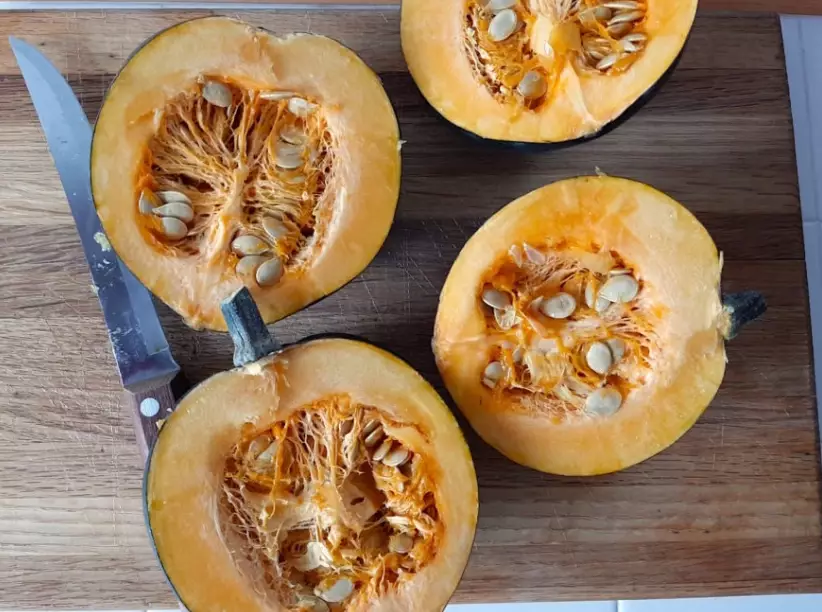
More importantly, they add a serious nutritional and textural punch to your meals. Think of them as nature's crunchy topping. A handful of toasted seeds transforms a bland soup, a simple salad, or a bowl of oatmeal from basic to restaurant-worthy. They provide that satisfying crunch, a nutty flavor, and a boost of plant-based protein and healthy fats that keeps you full longer.
I started seeing them not as an afterthought, but as a planned ingredient. Now, when I buy squash for a recipe, I'm buying it for the flesh and the seeds. It doubles the value.
How to Roast Squash Seeds Perfectly Every Time
This is where most guides stop at "rinse and bake." That's a recipe for chewy, disappointing seeds. The single most critical step, one almost no beginner knows, is patience in the drying phase.
The Non-Negotiable Prep: Cleaning & Drying
After scooping, separate the seeds from the stringy pulp as much as you can in a colander. Rinse under cold water, using your fingers to rub off the stubborn bits. Don't obsess over perfection; a little fiber won't hurt.
Now, the game-changer: dry them thoroughly. I mean bone-dry. Spread the seeds in a single layer on a clean kitchen towel or a stack of paper towels. Roll them up and press gently. Then, leave them spread out on a dry towel or a baking sheet for at least an hour, or even overnight. Moisture is the enemy of crispiness. If you roast wet seeds, they steam instead of toast. You'll get a leathery texture, not a crisp one.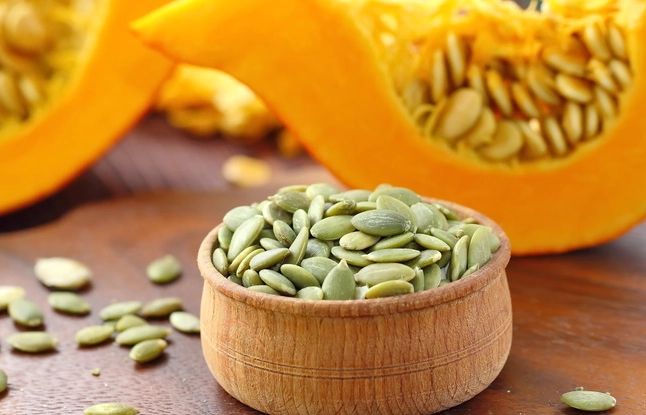
Seasoning & The Roasting Sweet Spot
Once dry, toss them in a bowl with just a teaspoon or two of oil per cup of seeds—too much oil makes them soggy. Olive oil works, but I prefer avocado oil for its high smoke point. Now, season. This is the fun part.
Pro Tip: Do NOT add salt or any seasoning with sugar (like chili-lime powder) before roasting. Salt draws out moisture during baking, re-hydrating the surface. Sugar burns. Always season with salt and delicate spices immediately after the seeds come out of the oven, while they're piping hot. The residual heat will make the seasoning stick perfectly.
Spread the oiled seeds on a parchment-lined baking sheet. Single layer is key again. Roast in a preheated oven at 300°F (150°C). Why so low? High heat burns the delicate fats and proteins before the inside gets crisp. Low and slow is the mantra. Bake for 20-30 minutes, stirring every 10 minutes, until they are golden brown and sound hollow when you shake the pan. They crisp up more as they cool.
The Great Squash Seed Showdown: Butternut vs. Pumpkin vs. Acorn
Not all squash seeds are created equal. The variety changes your yield, texture, and even flavor. Here’s a quick comparison from my own kitchen experiments.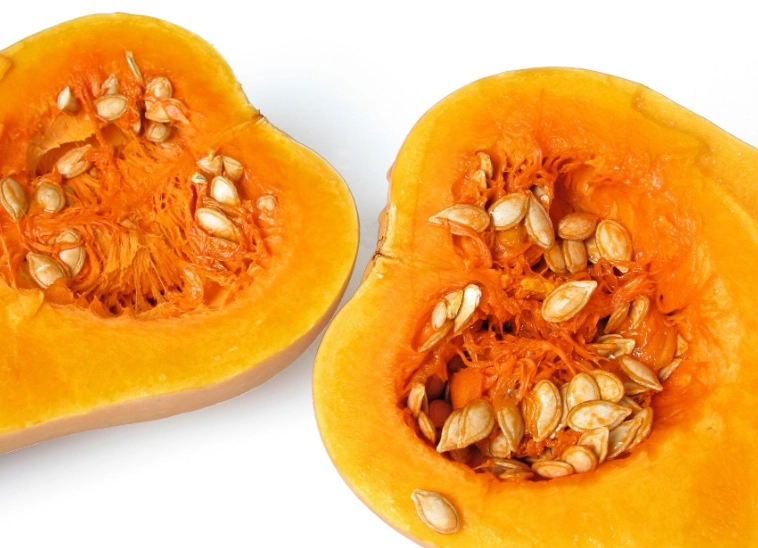
| Squash Type | Seed Size & Yield | Flavor & Texture When Roasted | Best For |
|---|---|---|---|
| Butternut Squash | Medium, flat seeds. A standard 2-lb squash yields about 1/4 cup of seeds. | Mild, nutty, almost like a sunflower seed. They get very crisp and light. | Salads, garnishing creamy soups, blending into pesto. My personal favorite for all-purpose use. |
| Pumpkin (Carving/Sugar Pie) | Large, plump seeds. A medium carving pumpkin can yield 1-2 cups! | Classic "pepita" flavor. Thicker shell, can be chewy if not dried well. Hearty bite. | Stand-alone snacking, trail mix, granola. The high yield makes them ideal for big batches. |
| Acorn Squash | Smaller, rounder seeds. Yield is modest, about 2-3 tablespoons per squash. | Sweet and rich. They toast quickly due to small size. Tender-crisp texture. | Topping for oatmeal or yogurt, mixing into muffin or bread batter. Don't expect a big snack haul. |
| Spaghetti Squash | Seeds are similar to pumpkin seeds but smaller. | Very similar to pumpkin seeds, just a bit more delicate. | Treat them exactly like smaller pumpkin seeds. Great for snacking. |
My controversial take? For pure eating pleasure, butternut squash seeds are superior to pumpkin seeds. They're consistently easier to get perfectly crisp and have a more refined flavor. Pumpkin seeds get all the glory, but butternut seeds are the unsung hero.
Beyond the Snack Bowl: 3 Game-Changing Recipes
Snacking is just the start. Here are three ways I regularly use squash seeds to elevate everyday cooking.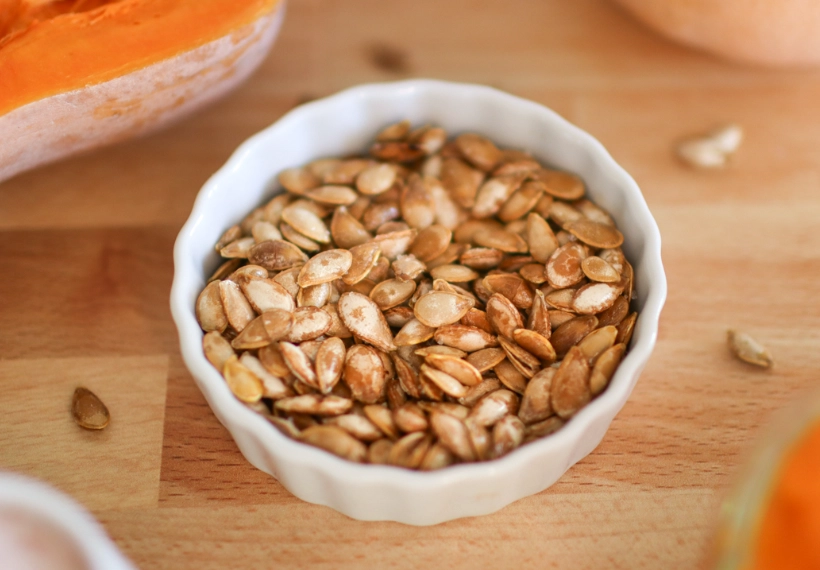
1. Squash Seed "Pepita" Pesto
This is my secret weapon. It's cheaper than pine nut pesto, has a deeper flavor, and uses up a whole batch of seeds. I use it on pasta, as a sandwich spread, or dolloped on roasted vegetables.
What You Need: 1 cup roasted & cooled butternut or pumpkin seeds, 2 cups packed fresh basil, 1/2 cup grated Parmesan, 2 garlic cloves, juice of 1/2 lemon, 1/2 cup extra virgin olive oil, salt & pepper.
Make It: Pulse the seeds and garlic in a food processor until coarsely ground. Add basil, Parmesan, and lemon juice. Pulse again. With the motor running, slowly drizzle in the olive oil until smooth. Season to taste. It keeps for a week in the fridge, longer if you cover the surface with a thin layer of oil.
2. The Ultimate Autumn Salad Topper
Don't just toss plain seeds on a salad. Toast them with spices for a flavor bomb. My go-to mix for a fall kale or spinach salad.
The Method: After roasting and while still hot, toss 1 cup of seeds with 1 tablespoon maple syrup (or honey), 1 teaspoon smoked paprika, 1/2 teaspoon cumin, and a pinch of cayenne. Return to the warm (turned-off) oven for 5-10 minutes to set the glaze. Let cool completely. They become sticky, sweet, smoky, and spicy—the perfect contrast to bitter greens and sweet roasted squash cubes.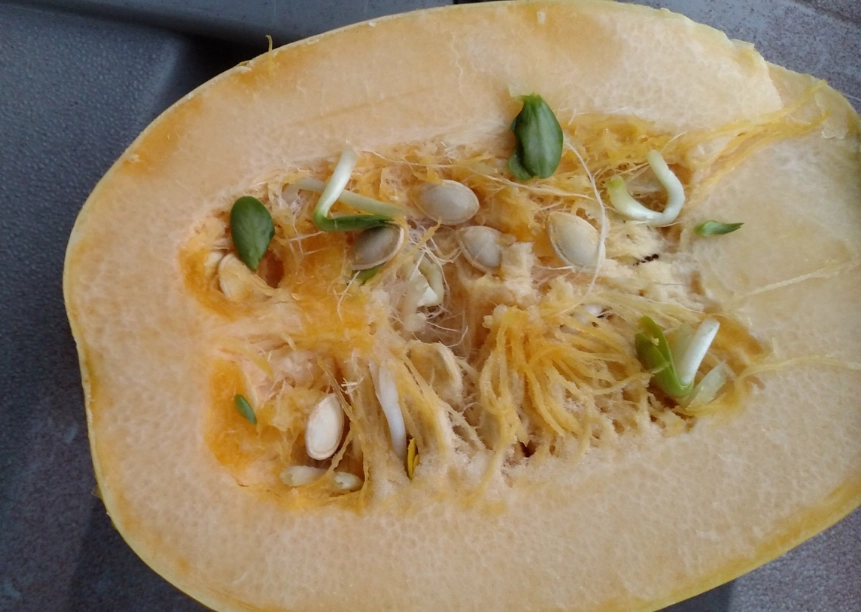
3. No-Bake Squash Seed Energy Bites
A healthy, protein-packed snack that's ready in 10 minutes. Kids love them, and they're perfect for hiking or a post-workout bite.
What You Need: 1 cup old-fashioned oats, 1/2 cup roasted squash seeds (chopped roughly), 1/2 cup nut or seed butter, 1/3 cup honey or maple syrup, 1/4 cup ground flaxseed, 1/4 cup mini chocolate chips or dried cranberries, 1 tsp vanilla extract.
Make It: Mix everything in a bowl until fully combined. If too dry, add a splash more syrup; if too wet, add more oats. Chill for 30 minutes, then roll into 1-inch balls. Store in the fridge. You've just turned kitchen scraps into a powerhouse snack.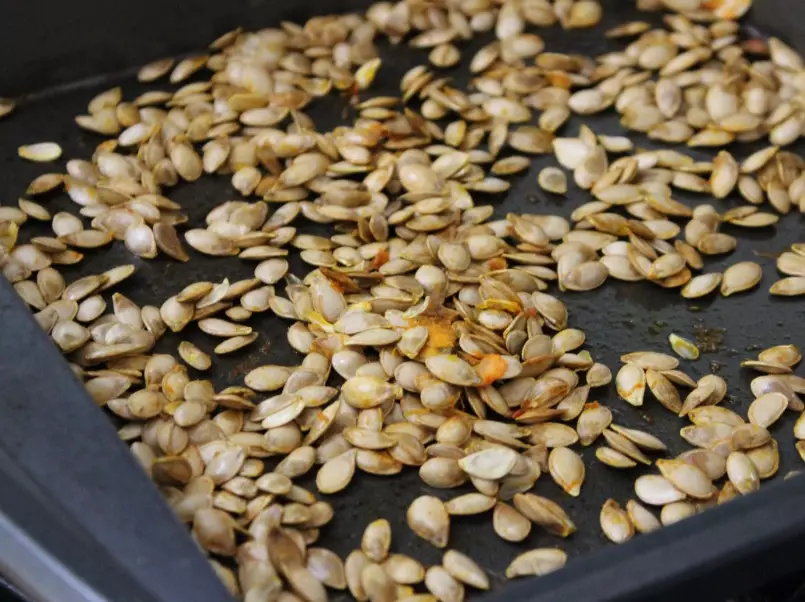
The Real Nutrition Facts & How to Store Them Right
So, what are you actually eating? Squash seeds are a nutritional powerhouse. A 1-ounce (28g) serving of roasted pumpkin seeds provides about 5 grams of plant-based protein, 5 grams of fiber, and is rich in magnesium, zinc, and iron. They're also a source of healthy unsaturated fats and antioxidants.
According to the USDA FoodData Central nutrient database, pumpkin seeds are particularly notable for their magnesium content, which is crucial for muscle and nerve function. This isn't just hype; it's solid nutritional data.
But here's the storage tip most people miss: keep them in the freezer. The oils in seeds can go rancid at room temperature, especially in a warm kitchen. I store my cooled, roasted seeds in a zip-top bag or airtight container in the freezer. They stay crisp for months, and you can grab a handful straight from the freezer—they're still crunchy and ready to use. The fridge works too, for about a month.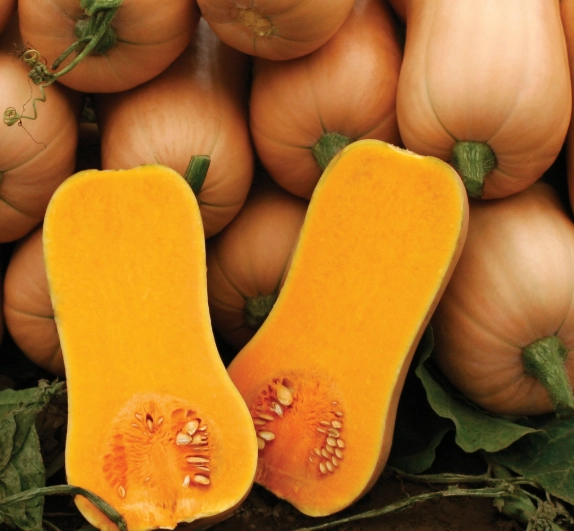
Reader Comments