You know the moment. You've just picked a beautiful, dark green cucumber from your garden, or you've brought home a firm, promising one from the market. You slice into it, maybe even take a celebratory bite of the end piece. And then—ugh. That sharp, unpleasant bitterness hits your tongue. It's not just off-putting; it can ruin a whole salad or a batch of tzatziki. It feels like the vegetable betrayed you. I've been there, staring at a pile of sliced cucumbers, wondering if my entire summer salad plan is doomed.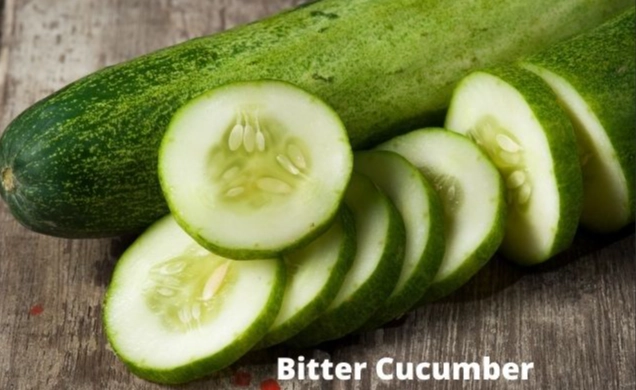
Here's the good news: a bitter cucumber isn't a sign of your failure, and it's rarely a total loss. That bitterness has a specific, scientific cause, and understanding it is the first step to preventing it and fixing it. After years of gardening and more than a few disappointing cukes, I've learned it's less about luck and more about understanding the plant's stress signals.
What You'll Find in This Guide
The Single Culprit: Cucurbitacin
All that bitterness boils down to one family of compounds: cucurbitacins. These are natural toxins that plants in the cucurbit family (cucumbers, zucchinis, pumpkins, melons) produce as a defense mechanism against pests like insects and animals. Think of it as the plant's built-in pest repellent.
Through selective breeding over centuries, commercial cucumber varieties have been developed to produce very low levels of cucurbitacin, which is why most store-bought cucumbers are reliably mild. However, the genetic blueprint to produce it is still there, lurking in the plant's DNA. When the cucumber plant experiences significant stress, it can flip this genetic switch back on as a survival response. The result? The bitter compound is synthesized and transported into the fruit.
What Stresses a Cucumber Plant? (The Main Triggers)
If stress is the trigger, what exactly stresses a cucumber plant? It's usually not one thing but a combination. Here are the biggest offenders, based on my observations and research from horticultural sources like university extension services.
1. Inconsistent Watering (The #1 Cause)
This is the big one. Cucumbers are about 95% water, and they crave consistency. A cycle of drought followed by a heavy watering sends the plant into panic mode. The rapid uptake of water after a dry period seems to shock the system, triggering cucurbitacin production. I learned this the hard way during a hot week when I forgot to set my soaker hose timer.
2. Extreme Temperatures
Prolonged periods of intense heat (consistently above 90°F/32°C) or unseasonably cool temperatures can stress the plant. Heat stress is more common, especially in mid-summer.
3. Poor Soil Nutrition
It's a delicate balance. Too little nitrogen can weaken the plant, making it more susceptible to stress. But too much nitrogen can promote excessive vine growth at the expense of fruit development, creating an imbalanced plant that's also more prone to bitterness.
4. Lack of Pollination (A Subtle One)
This one is often overlooked. A fruit that struggles to develop due to poor pollination can become misshapen and, you guessed it, more likely to be bitter. It's a secondary stress signal from a fruit that isn't developing properly.
| Stress Factor | How It Manifests | Preventive Action |
|---|---|---|
| Inconsistent Water | Wilting followed by rapid growth; bitter fruit. | Use drip irrigation or soaker hoses on a timer. Mulch heavily. |
| Heat Stress | Scorched leaves, stalled growth. | Provide afternoon shade with cloth, plant in a spot with some PM shade. |
| Poor Soil | Yellowing leaves (deficiency) or all leaves, no fruit (excess). | Test soil. Use balanced, slow-release fertilizer. Add compost. |
| Poor Pollination | Fruits are small, pinched, or nubby at the flower end. | Plant pollinator-friendly flowers nearby. Avoid pesticides when flowers are open. |
How to Pick a Sweet Cucumber Every Time
Whether you're at the store or in your garden, you can tilt the odds in your favor. Forget just looking for a dark green color. You need to engage more senses.
At the Grocery Store:
- Feel the Firmness: It should be rock-hard with no soft spots. Softness indicates age or internal breakdown.
- Check the Ends: Look at the stem end. It should look fresh, not shriveled, dried, or moldy. A severely shriveled stem end can sometimes correlate with older fruit that's been stored too long.
- Size Matters (Sometimes): Opt for medium-sized cucumbers. Overly large, seedy ones are often past their prime and more likely to have developed bitterness.
- The Variety Hack: When in doubt, choose English (hothouse) cucumbers. They are almost always wrapped in plastic because their skin is thin and they lose moisture fast, but more importantly, they are bred specifically for low cucurbitacin content and are consistently mild.
In Your Garden:
- Harvest Frequently: Don't let cucumbers become yellow giants. Pick them when they are a uniform, bright green and the size you expect for that variety.
- Timing is Key: Harvest in the morning when the plant's water content is highest. Afternoon harvests, especially in heat, can yield fruit that's already slightly stressed.
- The Snap Test: A fresh cucumber should snap cleanly off the vine with a crisp sound. If you have to twist and wrestle it, it might be overripe.
How to Salvage a Bitter Cucumber
So you've got a bitter one on your cutting board. Don't throw it out just yet. Follow this sequence to try and rescue it.
Step 1: The Trim and Peel. Cut off at least an inch from the stem end (where it was attached to the plant). The compound often flows from the plant into the fruit here, making this end the most concentrated. Then, peel it. A lot of the bitterness resides in and just under the skin. Discard the stem piece and the peel.
Step 2: The Taste Test. Slice a piece from the middle of the now-peeled cucumber and taste it. If the bitterness is gone or very mild, you're good to go. If it's still unpleasantly bitter, move to Step 3.
Step 3: The Salt Soak (The Best Fix). This is the chef's trick. Slice or chop the cucumber as needed for your recipe. Place the pieces in a colander or bowl and sprinkle generously with salt (about 1 teaspoon per medium cucumber). Toss to coat. Let it sit for 15-30 minutes. The salt will draw out water—and along with it, some of the bitter compounds—through osmosis. You'll see a small pool of liquid at the bottom.
Rinse the cucumber pieces thoroughly under cold water to remove the excess salt. Pat them dry with a clean towel. The texture will be even crisper, and most of the bitterness should be gone.
Why this works better than just soaking in water: Plain water can dilute bitterness through diffusion, but salt actively pulls moisture and compounds out of the cucumber cells, making it more effective.
Gardening Tips to Prevent Bitterness from the Start
If you grow your own, you have the most control. Implementing these practices can virtually eliminate the problem.
- Mulch Like It's Your Job: A 3-4 inch layer of straw, shredded leaves, or wood chips around your plants is a game-changer. It keeps soil moisture incredibly even, cools the roots in summer, and suppresses weeds. This single practice addresses the #1 cause (inconsistent water) and helps with heat stress.
- Invest in Irrigation: A simple drip line or soaker hose on a timer is worth every penny. It delivers water slowly and directly to the roots, minimizing evaporation and ensuring consistent moisture.
- Choose Modern Varieties: If bitterness has been a chronic issue in your garden, seek out varieties described as "burpless" or "bitter-free." These, like 'Diva', 'Suyo Long', or 'Sweet Success', have been bred for very low cucurbitacin levels. Seed catalogs or packets will often mention this trait.
- Feed Smartly: Use a balanced, organic fertilizer when planting. Once fruits start to form, you can side-dress with a fertilizer slightly higher in phosphorus and potassium (like a 5-10-10) to support fruiting, but go easy. More is not better.
Your Questions, Answered
 The bottom line? A bitter cucumber is a cry for help from a stressed plant. By understanding the why—the cucurbitacin response to inconsistent water, heat, or poor nutrition—you gain the power to prevent it. And when prevention fails, a little salt and know-how can often save your meal from the compost bin. It turns a moment of kitchen frustration into a small lesson in plant biology and culinary resourcefulness.
Reader Comments