If you've only ever thought of paw paw fruit as something for smoothies or desserts, you're missing out on a whole world of flavor. That creamy, tropical-tasting pulp isn't just for sweet treats. I've spent the last few seasons experimenting with this foraged gem in my kitchen, and let me tell you, its subtle banana-mango flavor is a stunning backdrop for savory, spicy, and herbaceous dishes. The real trick isn't finding recipes—it's learning how to handle the fruit's unique, sometimes frustrating texture. Most guides gloss over that part. We'll fix that.
What's Cooking Inside?
Understanding Paw Paw: It's Not a Banana
First things first. Paw paw (Asimina triloba) is North America's largest native fruit. It grows wild in forests from the Great Lakes down to the Gulf Coast. The flavor is a complex mix of banana, mango, and vanilla custard. The texture? That's where things get interesting. Ripe paw paw pulp is soft, almost pudding-like. This is why it fails miserably if you try to treat it like a firm apple or pear in a sauté.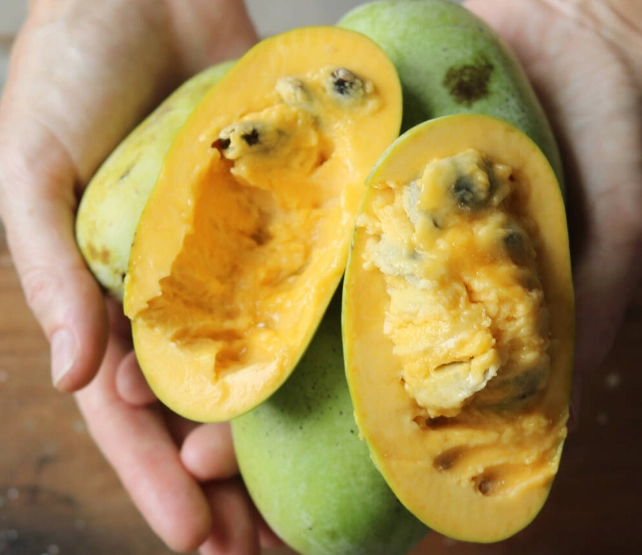
I made that mistake my first time. I tossed chunks into a stir-fry, and they dissolved into a sweet, slimy sauce that overpowered everything. Not ideal. But that same creaminess is a massive asset in other contexts. It can thicken a curry without coconut milk, create a luscious pasta sauce, or add body to a soup. You're working with a natural, flavorful thickener.
The skin and seeds are inedible. You only eat the yellow pulp. And a quick note: some people are sensitive to paw paw skin—it can cause a rash similar to poison ivy. Wear gloves when processing foraged fruit if you have sensitive skin. Research from the University of Kentucky's College of Agriculture, Food and Environment confirms this is a real, if uncommon, reaction.
Mastering the Texture: The Key to Savory Success
This is the non-consensus part most articles skip. Everyone says "paw paw is soft." But nobody tells you how to leverage that. Here's my hard-won advice from years of trial and error.
For Sauces, Soups, and Dips: Embrace the mush. Scoop the ripe pulp straight into the blender. It's perfect. Its job is to disappear and provide creaminess. Think of it as your secret ingredient for a velvety roasted red pepper soup or a tangy cilantro-lime dressing.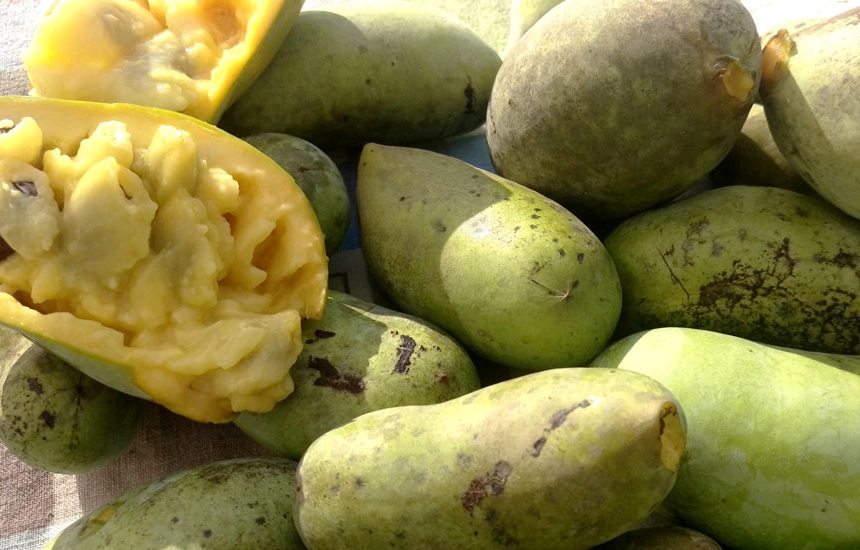
For Salsas, Relishes, and Chunky Applications: This is the advanced move. You need firm-ripe fruit, not fully soft. Let it ripen until just slightly yielding. Then, cut it carefully and fold the chunks in at the very end of preparation, gently. Don't stir vigorously. The goal is to have distinct, tender pieces that burst in the mouth. A paw paw and black bean salsa works brilliantly this way.
For Frying or Searing: Forget it. Raw paw paw chunks will not hold up. However, you can coat and flash-fry thin slices of green, unripe paw paw. It's a technique used in some Appalachian cooking, yielding a vegetable reminiscent of fried green tomatoes. It's a niche use, but it shows the fruit's versatility.
Top Savory Paw Paw Recipes to Try Now
Let's get practical. Here are three foundational savory paw paw recipes that showcase different techniques. I've ranked them by difficulty and flavor impact.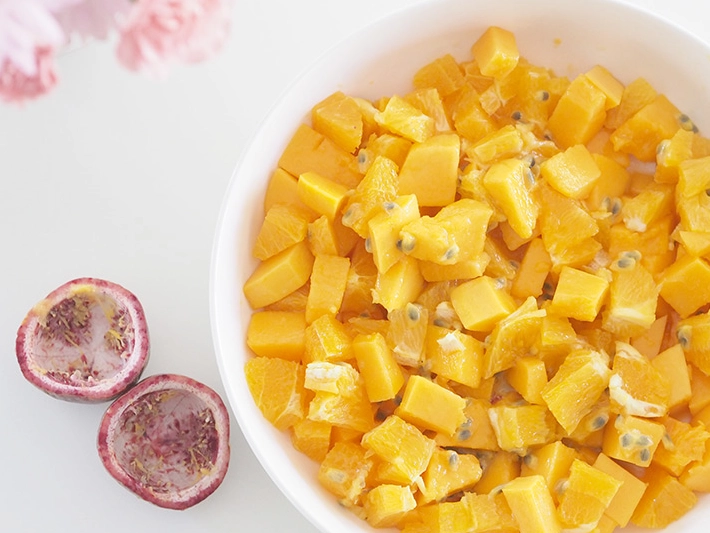
| Recipe | Key Technique | Flavor Profile | Prep Time | Why It Works |
|---|---|---|---|---|
| 1. Creamy Paw Paw & Coconut Curry | Blended into Sauce | Rich, Aromatic, Mildly Sweet | 40 mins | The paw paw replaces half the coconut milk, adding natural sweetness and body while cutting richness. It's a great "intro" recipe. |
| 2. Paw Paw, Corn & Jalapeño Salsa | Gently Folded Chunks | Bright, Sweet-Heat, Fresh | 15 mins | Uses firm-ripe paw paw for texture contrast. The fruit's sweetness balances the jalapeño perfectly. Serve with grilled fish or chips. |
| 3. Paw Paw BBQ Glaze | Simmered into Glaze | Smoky, Tangy, Complex | 25 mins + cooking | Paw paw puree caramelizes beautifully. Mixed with tomato paste, vinegar, and spices, it creates a sticky, unique glaze for chicken or ribs. |
Detailed Walkthrough: Paw Paw & Coconut Curry
This is my go-to. You'll need: 1 cup paw paw pulp, 1 can light coconut milk, 1 onion, 2 cloves garlic, 1 tbsp curry powder, 1 tsp turmeric, 1 bell pepper, 1 cup chickpeas, 2 cups spinach, oil, salt.
Sauté chopped onion until soft. Add minced garlic, curry powder, and turmeric—cook for 60 seconds until fragrant. Add diced bell pepper and chickpeas, stir to coat. Now, in a blender, combine the paw paw pulp and the coconut milk. Blend until smooth. Pour this creamy mixture into the pot. Bring to a gentle simmer and cook for 15-20 minutes, allowing flavors to meld. The sauce will thicken naturally. Stir in spinach until wilted. Season with salt. Serve over rice.
The paw paw isn't the loudest flavor here. It's in the background, making the sauce impossibly smooth and rounding out the spices. It's a crowd-pleaser that doesn't scream "weird fruit."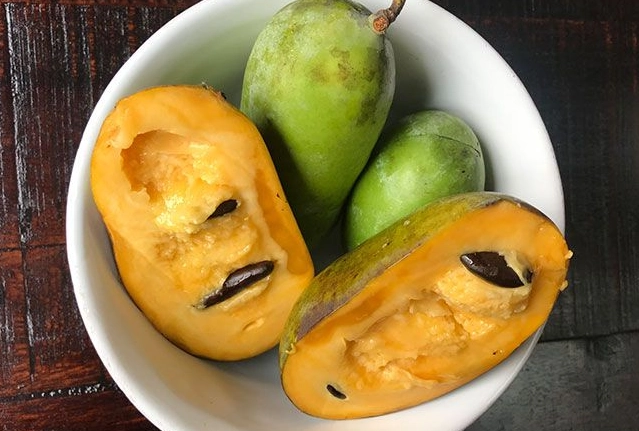
Where to Find Paw Paw & How to Prep It
You won't find ripe paw paws in most supermarkets. They're too perishable. Your options are:
Foraging: The classic method. Look in moist, shady hardwood forests near streams in late summer to early fall (August-September, depending on latitude). Join a local foraging group or use resources like the University of Missouri Extension's guide to pawpaws to identify trees. The fruit grows in clusters and turns from green to yellowish-black when ripe.
Farmers Markets: In regions where they grow, dedicated growers sell them. Price is usually $4-$8 per pound. Ask the vendor if they're ripe or need to sit. A ripe paw paw yields gently to pressure like a ripe peach.
Specialty Online Retailers: A few farms ship. It's expensive due to shipping and short shelf life, but an option if you're desperate to try it.
Prepping: Cut the ripe fruit in half lengthwise, avoiding the large, dark seeds. Scoop out the pulp with a spoon, discarding seeds and skin. For savory cooking, I often press the pulp through a sieve to remove any stringy bits, resulting in a silky puree. One medium fruit yields about ½ to ¾ cup of pulp.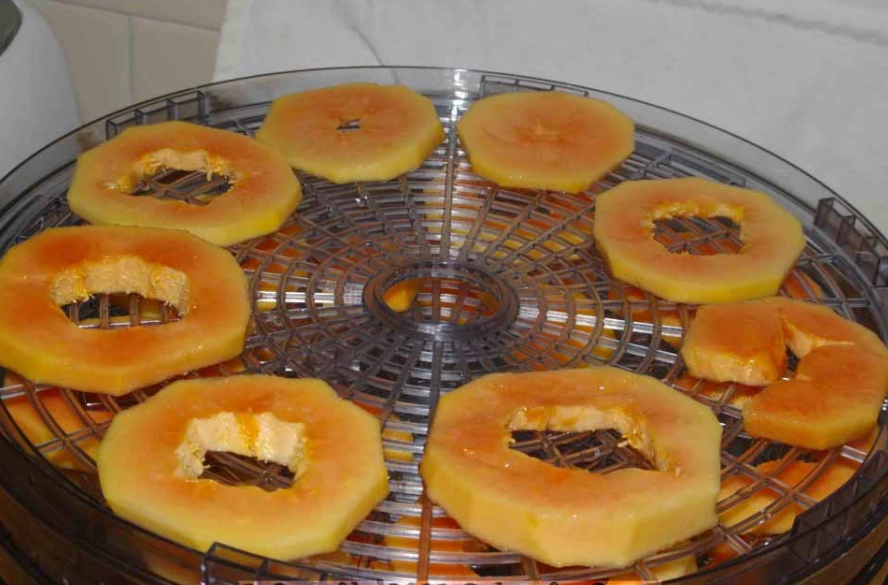
Expert Tips & Common Mistakes to Avoid
After a decade of messing with this fruit, here's what I wish I knew sooner.
Don't overseason. Paw paw has a delicate flavor. If you drown it in strong spices like cumin or smoked paprika, you'll lose it. Start with herbs and aromatics: thyme, basil, ginger, garlic, green onions. Let the fruit speak.
Acid is your best friend. The natural sweetness needs balance. A squeeze of lime juice, a dash of apple cider vinegar, or a spoonful of plain yogurt can transform a dish from cloying to perfectly balanced. My paw paw salsa always has double the lime juice I think it needs.
Think "complementary protein." Paw paw pairs exceptionally well with fatty or smoky flavors that can stand up to its sweetness. Think grilled chicken thighs, pan-seared salmon, black beans, or goat cheese. It's less successful with delicate white fish or very lean meats.
The biggest mistake? Using fruit that's too ripe for the application. A salsa made with overripe paw paw is just fruit soup. Be picky.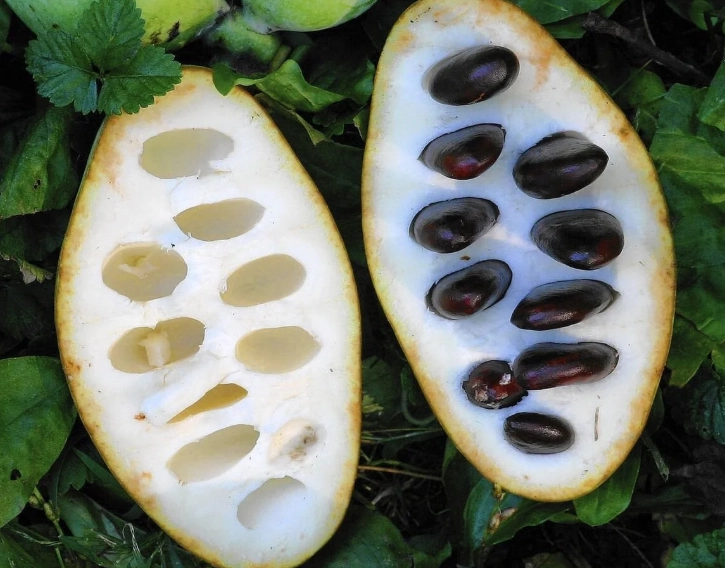
Your Paw Paw Questions Answered
The journey with paw paw is about embracing its quirks. It's not the easiest fruit to work with, but that's what makes a successful savory dish so rewarding. You're taking something wild and often overlooked and turning it into something truly special on the dinner table. Start with the curry. Get a feel for it. You might just find your new secret ingredient.
Reader Comments