
Bell peppers are the workhorse of the vegetable drawer. Crisp, colorful, and packed with flavor, they're a staple for anyone trying to eat healthier. But let's be honest, after the tenth round of basic stir-fry or boring salad additions, they can start to feel a bit… predictable. That's where the real magic happens—transforming this humble veggie into the star of satisfying, nutrient-dense meals that don't taste like "diet food." From effortless sheet-pan dinners to impressive stuffed peppers, mastering a few healthy bell pepper dishes is a game-changer for weeknight cooking.
Your Quick Guide to Healthy Bell Pepper Meals
Why Bell Peppers Are a Health All-Star
It's not just about the crunch. The nutritional profile of bell peppers is seriously impressive. According to data from the USDA, one medium red bell pepper delivers over 150% of your daily Vitamin C needs—more than an orange. They're also a great source of Vitamin A (as beta-carotene, which gives red and orange peppers their color), Vitamin B6, and folate.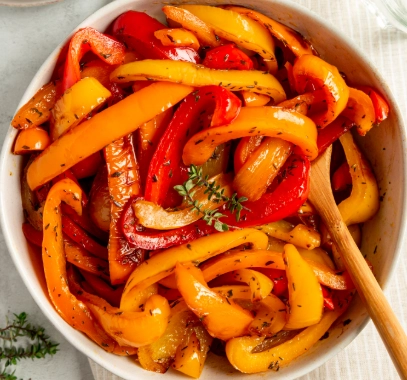
Here's what most generic articles miss: the color matters, but not in the way you might think. While red peppers have the highest Vitamin C and beta-carotene, green peppers, which are simply unripe peppers, are still fantastic. They're lower in sugar, which some people on strict low-carb plans prefer, and they have a distinct, slightly bitter flavor that holds up better in long-cooked dishes like stews. Don't feel pressured to always buy the most expensive red ones; mixing colors is your best bet for both nutrition and visual appeal.
The real health benefit for everyday cooks is their versatility in creating low-calorie, high-volume meals. You can eat a lot of them for very few calories, which helps with feeling full. Their natural sweetness caramelizes when roasted, reducing the need for added sugars in sauces and dressings.
Master the Basic Cooking Techniques
How you cook a bell pepper completely changes its personality. Most people default to sautéing, which is fine, but it's only one option.
Roasting & Charring
This is my absolute favorite method. High heat concentrates the sugars and brings out a smoky depth. You can roast halves or quarters tossed in a little oil at 425°F (220°C) for 20-25 minutes until the edges blister. For a quicker char, place halves directly on a gas burner or under the broiler, turning with tongs until the skin is blackened. Let them steam in a covered bowl for 10 minutes—the skin peels right off. This isn't just for peeling; even a quick 2-minute blister in a dry, hot pan before chopping adds a restaurant-quality flavor to fajitas or grain bowls.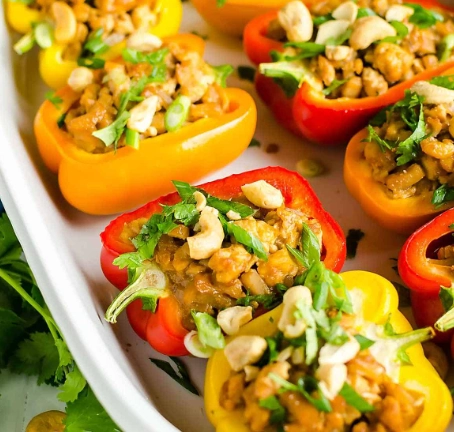
The "Sweat vs. Sauté" Decision
A common mistake is adding peppers to a pan that's not hot enough, causing them to stew in their own juices and become soggy. For a crisp-tender result in a stir-fry, get your pan screaming hot with a high-smoke-point oil (like avocado or refined coconut oil) before adding thinly sliced peppers. For a softer, sweeter base in a soup or sauce, cook them slowly over medium-low heat with a lid on for a few minutes first—this "sweating" process breaks them down without browning.
Personal Hack: I almost never buy pre-chopped peppers. The texture is off, and they lose moisture faster. Instead, I spend 10 minutes on Sunday slicing 2-3 peppers into strips and storing them in a glass container lined with a paper towel. It makes throwing together a quick lunch omelette or dinner stir-fry mindlessly easy.
Three Must-Try Healthy Bell Pepper Dishes
Let's move beyond ideas and into actionable recipes. These three dishes cover different meals and skill levels, focusing on whole ingredients and balanced nutrition.
| Dish | Key Idea & Why It Works | Core Ingredients | Prep Time |
|---|---|---|---|
| Sheet-Pan Chicken Fajita Bowls | Zero-stir, hands-off cooking. Everything roasts together on one pan, maximizing flavor and minimizing cleanup. Perfect for meal prep. | Chicken breast strips, 2-3 bell peppers (mixed colors), red onion, fajita spices (cumin, chili powder, smoked paprika), lime. | ~35 mins |
| Quinoa & Black Bean Stuffed Peppers | A complete, protein-packed vegetarian meal in a edible bowl. The pepper softens and sweetens, complementing the savory filling. | 4 large bell peppers (tops cut off), cooked quinoa, black beans, corn, diced tomatoes, shredded cheese (optional). | ~50 mins |
| Turkey & Bell Pepper "Un-stuffed" Skillet | All the flavors of stuffed peppers, deconstructed and ready in 20 minutes. Uses lean ground turkey and skips the lengthy baking time. | Lean ground turkey, 2 diced bell peppers, onion, garlic, canned tomatoes, cooked brown rice or cauliflower rice. | ~20 mins |
Deep Dive: The Quinoa Stuffed Pepper
Everyone has a recipe for this, but here's where experience talks. The biggest flaw is a soggy, undercooked pepper or a dry filling. Here's how to avoid both:
- Par-cook the peppers: Don't stuff them raw. Blanch the hollowed pepper shells in boiling water for 3-4 minutes, then drain them upside down on a towel. This kick-starts the cooking so they soften perfectly in the oven without turning to mush.
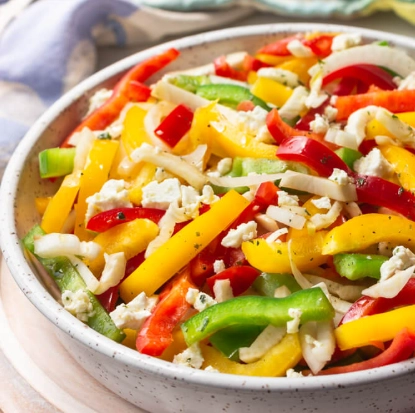
- Moisture control in the filling: If your filling has wet ingredients like fresh tomatoes or salsa, cook it in a skillet for a few minutes first to evaporate some liquid. A dry-ish filling soaks up the pepper's juices as it bakes instead of becoming watery.
- Bake on a rack: Place the stuffed peppers on a baking rack set over a sheet pan. This allows hot air to circulate all around, preventing a steamed, soggy bottom.
Bake at 375°F (190°C) for 25-30 minutes. If using cheese, add it in the last 10 minutes. Let them rest for 5 minutes out of the oven—they'll firm up and be easier to handle.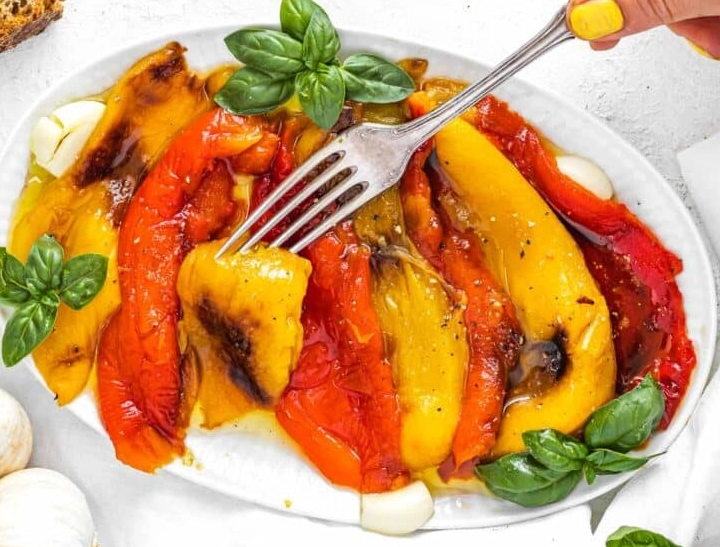
Expert Tips for Better Bell Pepper Meals
After years of cooking, you pick up nuances that aren't in most recipes.
Choosing peppers: Heft is more important than perfect shape. A heavier pepper for its size means thicker, juicier walls, which are ideal for stuffing or roasting. Avoid peppers with soft spots or wrinkled skin.
The stem removal trick: Instead of cutting around the stem from the top, slice the pepper in half from bottom to top, right next to the stem. You can then easily pull out the core and seeds from each half in one piece—it's faster and wastes less flesh.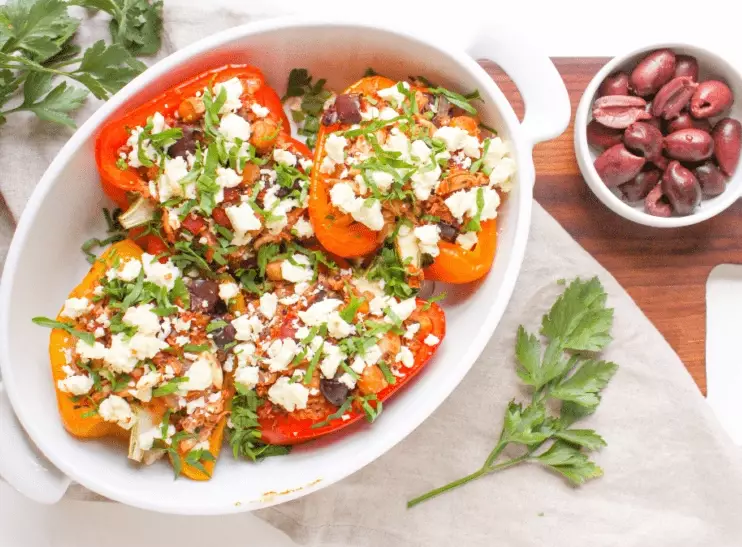
Flavor pairing beyond the obvious: Bell peppers love:
- Acid: A splash of balsamic vinegar or lemon juice at the end of cooking brightens everything.
- Umami: A teaspoon of tomato paste cooked with them, or a dash of soy sauce/aminos in stir-fries.
- Herbs: Fresh oregano or thyme with roasted peppers; cilantro with raw, diced peppers in salsa.
Honestly, I think the pre-cut "fajita mix" bags are a trap. They're often more expensive, and the onions release moisture that makes the peppers go slimy faster. Cutting your own takes 3 minutes and guarantees freshness.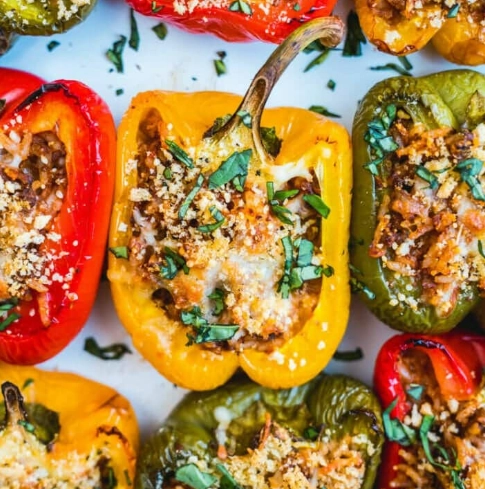
Reader Comments