If you've ever bitten into a bland, expensive cherry in December or missed the fleeting window for perfect local fruit, you know the struggle is real. Cherry season isn't a single date on the calendar—it's a moving target shaped by geography, weather, and variety. Getting it right means the difference between a mealy disappointment and a burst of perfect summer sweetness. After more than a decade of chasing the best harvests from Michigan orchards to California stands, I've learned that most generic guides miss the crucial details. Let's cut through the noise. The prime time for fresh, flavorful cherries in North America typically runs from late May through early August, with a concentrated peak in June and July. But where you are changes everything.
Your Cherry Season Cheat Sheet
The North American Cherry Season Map: When to Expect Them Near You
Forget a one-size-fits-all answer. A cherry's journey from blossom to your basket depends heavily on winter chill hours and spring warmth. Here’s a breakdown that reflects real-world harvest schedules, not just optimistic estimates.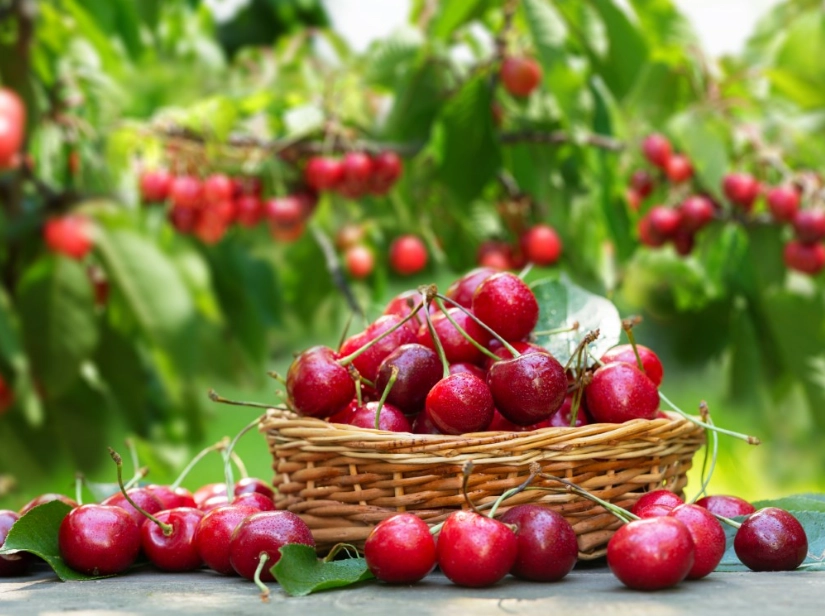
| Region | Typical Season Start | Peak Harvest Weeks | Key Growing Areas & Notes |
|---|---|---|---|
| California | Early to Mid-May | Late May - June | San Joaquin Valley (Stockton, Lodi). They get a head start with warm springs. Early varieties like Brooks appear first. |
| Pacific Northwest (OR, WA) | Mid to Late June | July | The Yakima Valley (WA) and Willamette Valley (OR) are giants for dark sweet cherries. Rainier cherries peak here in July. |
| Great Lakes (MI, NY, PA) | Late June | July | Traverse City, MI is the "Cherry Capital." Season can stretch into early August for tart cherries used in pies and drying. |
| Colorado, Utah | Mid-June | Late June - July | High-altitude growing. A shorter but intense season, often with exceptionally sweet fruit due to sunny days and cool nights. |
| Northeast & Canada (ON, BC) | Early July | Mid-July - August | Niagara Peninsula (ON), British Columbia's Okanagan Valley. Later start due to cooler climates. |
A local farm's social media page is more reliable than any national chart. I once drove two hours to a Michigan orchard based on a "season starts June 20" website, only to find a late frost had set them back by 10 days. Call ahead.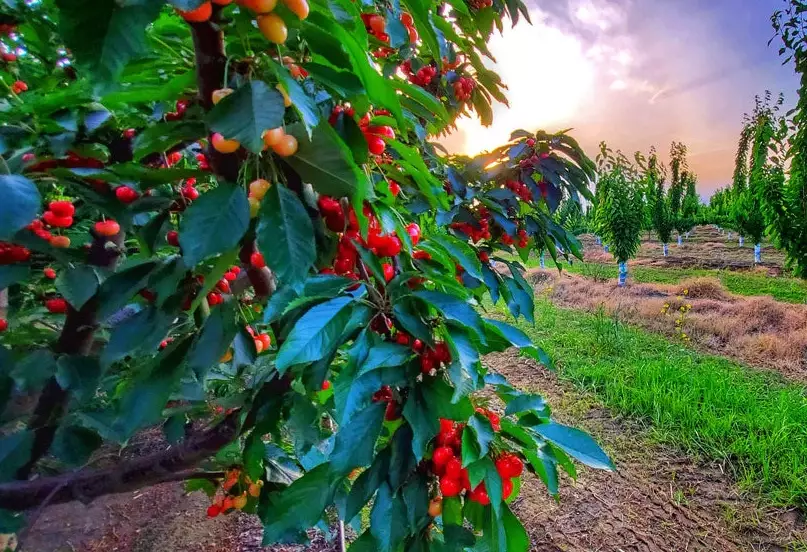
Sweet vs. Tart: The Two Main Types of Cherries & Their Seasons
This is the biggest point of confusion. They look similar but have different uses and slightly different timelines.
Sweet Cherries (Prunus avium)
These are your fresh-eating superstars. You'll find them in supermarkets and most U-pick farms.
- Bing: The classic. Deep red, heart-shaped, supremely sweet. The benchmark for dark sweet cherries. Peak: Mid-June to July.
- Rainier: Yellow with a red blush. Milder, almost honey-like sweetness. More delicate and expensive. Peak: July. They bruise easily—handle with care.
- Lapins: A self-fertile, crack-resistant variety. Dark red, large, and juicy. A great late-season sweet cherry, often available into August.
Sweet cherry season generally kicks off in May and wraps up by late July/early August. The later varieties, like Lapins or Sweetheart, are your best bet for end-of-summer finds.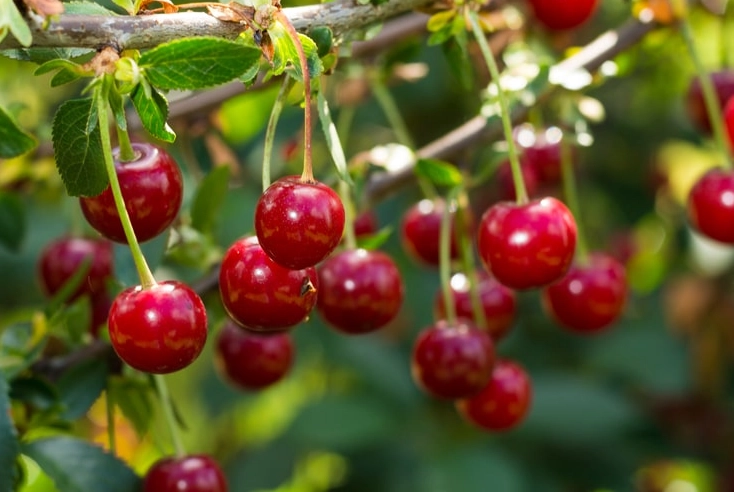
Tart Cherries (Prunus cerasus)
Also called sour or pie cherries. You rarely see them fresh because they're too tart to eat out of hand. They're the workhorses for baking, juicing, and drying.
- Montmorency: The dominant tart variety. Bright red, smaller than sweet cherries. Over 95% of the U.S. tart crop is this type.
Here's the key difference: Tart cherry season runs later than sweet cherry season. They're typically harvested in mid-to-late July, often into early August, especially in Michigan. If you're buying fresh tart cherries for a pie, plan for that later summer window.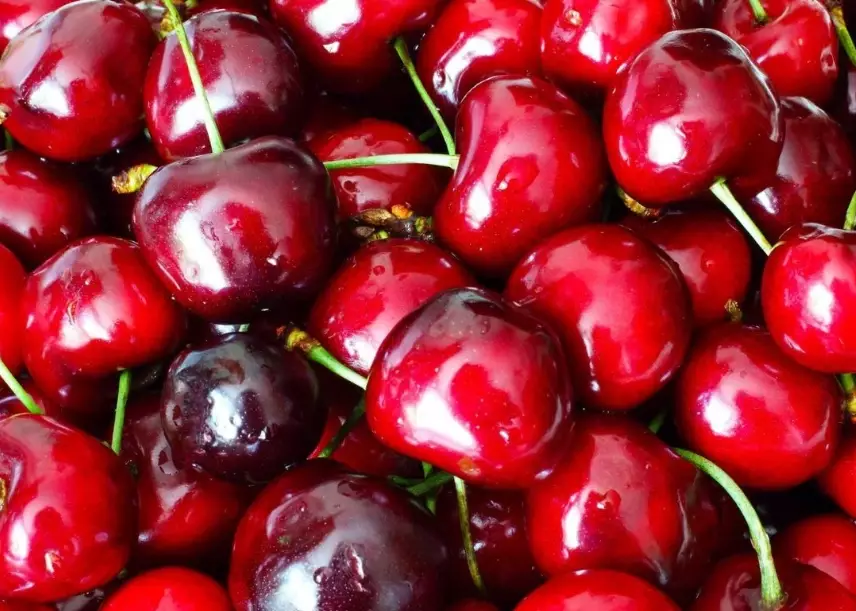
Pro Tip: Don't judge a cherry by its color alone. A dark Bing is ripe, but a dark tart Montmorency is still mouth-puckeringly sour. Stem condition is a better universal clue—green, flexible stems mean fresher fruit.
Beyond the Supermarket: How to Find and Pick at "U-Pick" Orchards
This is where you get the absolute best fruit, often at better prices, and it's a fantastic summer activity. But a bad U-pick trip is frustrating.
First, find a farm. Search "U-pick cherries near [your city]" or use directories from your state's Department of Agriculture website. Local tourism boards often have good lists.
Now, for the mistakes I see every year:
- Call the day you plan to go. Hours and availability change daily based on weather and picking pressure. A farm's Facebook page is gold for real-time updates ("Rainiers in Row 5 are perfect today!").
- Go early in the day, and early in the week. Saturday afternoons in peak season mean picked-over trees and crowds. The best fruit is gone, and what's left is often overripe from sitting in the sun.
- Look for firm, plump cherries with green stems. Avoid any with bruises, cuts, or mushy spots. A cherry that feels soft will be mushy by the time you get home. For sweet cherries, taste one if allowed—the sugar content (Brix) can vary even on the same tree.
- Don't yank. Gently twist the cherry with the stem attached. Pulling without the stem creates a wound at the top where moisture escapes and mold can start. Cherries with stems last days longer.
What to bring? Sunscreen, hats, cash (some smaller farms prefer it), and your own containers if the farm allows it. Wear clothes and shoes you don't mind getting a little dirty.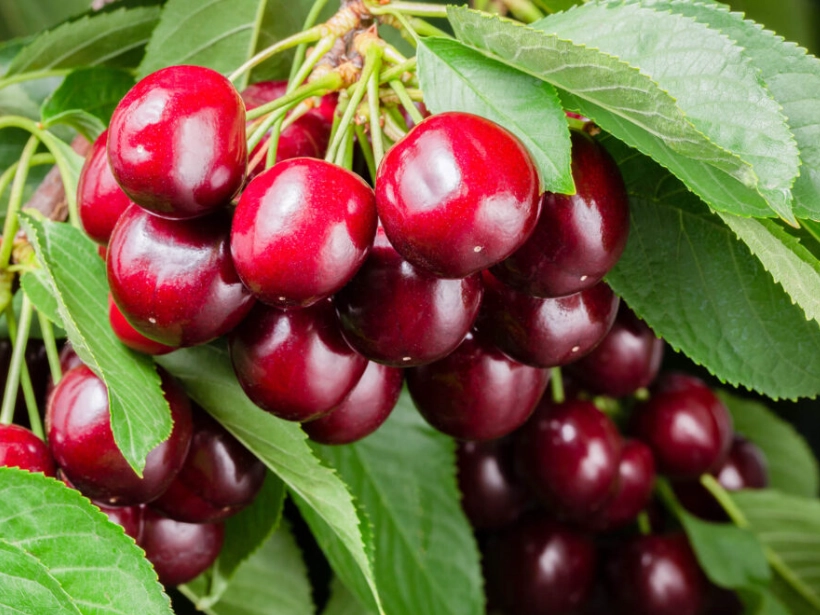
Selection, Storage, and Making the Season Last
So you're at the store or farmer's market. What now?
Choosing the Best: Look for shiny, smooth skin without wrinkles. The stems should be green and flexible, not brown and brittle. Size isn't always an indicator of flavor, but avoid very small, hard cherries. Give the bag a sniff—you should get a faint, sweet aroma. If it smells like nothing, the flavor will likely be weak.
The Storage Mistake Almost Everyone Makes: Do not wash cherries until you are ready to eat them. The water accelerates decomposition. Instead, as soon as you get home, sort through them. Remove any with breaks in the skin or obvious soft spots—one bad cherry can spoil the bunch. Place the good ones in a breathable container or bowl, lined with a paper towel to absorb excess moisture. Then, refrigerate them immediately.
Stored this way, fresh cherries can last 5-7 days. Want to extend the season? Freeze them. Wash, pit (if you like), pat dry thoroughly, and spread in a single layer on a baking sheet to freeze solid before transferring to a bag. They won't be crisp for fresh eating but are perfect for smoothies, baking, or sauces all year round.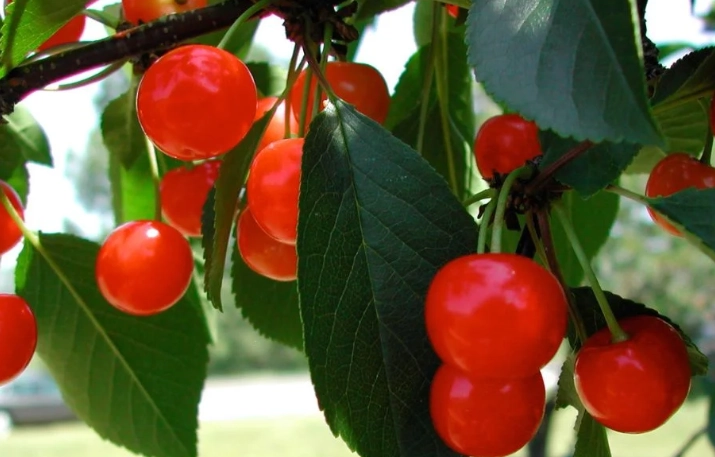
Your Cherry Season Questions Answered
I'm planning a trip to Traverse City, MI in early August. Will I miss the cherry season?
You might be catching the tail end of the sweet cherry harvest, but you'll likely hit the peak of the tart cherry season, which is huge in Michigan. This is actually perfect if you're interested in cherry pies, dried cherries, or cherry wine. Check with specific orchards like King Orchards or Cherry Republic for their late-season U-pick availability—some Lapins or Sweetheart sweet varieties might still be going. The National Cherry Festival is usually in July, but early August still offers plenty of cherry-themed activities and products.
Why are the cherries at my supermarket in April so expensive and tasteless?
Those are almost certainly imported from Chile or the Southern Hemisphere, where seasons are reversed. They're picked early to survive weeks of shipping and cold storage, which halts sugar development. The Brix level (sugar content) is often much lower. You're paying a premium for transportation, not quality. For flavor, it's worth waiting for the domestic season or seeking out frozen cherries from last summer's peak harvest, which are often flash-frozen at peak ripeness.
Can I grow cherry trees in my backyard to have my own season?
You can, but temper your expectations. Most sweet cherry trees need a second, different variety for cross-pollination, so you'll need space for at least two large trees. They also require significant winter chill (hours below 45°F) that Southern states can't provide. Birds will claim a huge portion of your crop unless you net the entire tree—a major undertaking. Dwarf or patio varieties in pots are an option for small spaces, but yield is limited. For most home gardeners, supporting a local orchard is easier and more reliable for a bulk harvest.
What's the deal with "premium" or "extra-large" cherries? Are they worth it?
Size is a cosmetic grade, not a flavor grade. A smaller, tree-ripened cherry can be far sweeter than a larger one picked slightly early for size. The "premium" price often pays for perfect appearance and larger caliber. For eating fresh, if the big ones look good, they can be satisfying. For cooking, baking, or preserving, save money and buy the standard or smaller sizes—the flavor difference in a pie will be negligible.
Reader Comments