If you've ever scanned a Chinese-American menu, you've probably seen Mandarin Chicken listed right there next to General Tso's. But what exactly is it? Is it just orange chicken with a fancier name? I used to think so, until I burned my first batch trying to replicate that sweet-tangy glaze. After years of testing recipes and eating my way through dozens of restaurants, I've learned that Mandarin Chicken has its own quirks—and getting it right can make or break your dinner.
This dish isn't just about tossing chicken in sauce. It's a balance of crispiness, citrus, and that umami kick that keeps you coming back. Whether you're cooking at home or hunting for the best spot in town, this guide cuts through the noise. Let's dive in.
Jump to What You Need
What Makes Mandarin Chicken Different?
Mandarin Chicken is often confused with orange chicken, but here's the twist: while both use citrus, Mandarin Chicken typically leans on mandarin orange segments or a lighter, less syrupy sauce. The chicken is usually battered and fried until golden, then tossed in a glaze that's tangy with a hint of ginger and garlic. Some versions add bell peppers or onions for texture.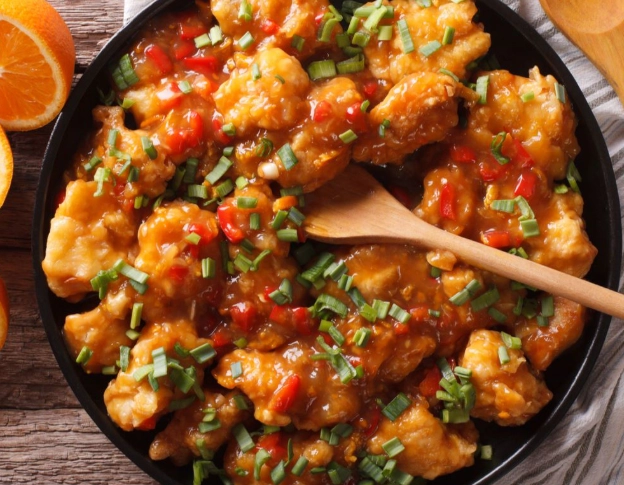
I remember ordering it at a local joint in San Francisco, expecting that heavy, candy-like coating you get with orange chicken. Instead, it was brighter, with actual pieces of mandarin orange mixed in. The sauce clung to the chicken without making it soggy—a detail most home cooks miss. According to culinary historians, this style reflects a Western adaptation of Chinese sweet-and-sour dishes, popularized in the 1970s. If you're looking for a lighter alternative to typical takeout, this might be your pick.
The Surprising History Behind the Dish
Mandarin Chicken didn't originate in China. Like many Chinese-American dishes, it was crafted in the United States to cater to local tastes. The term "Mandarin" loosely references the Mandarin Chinese language or region, but the dish is a fusion creation. Food writers like Jennifer 8. Lee have noted in her book The Fortune Cookie Chronicles that such adaptations emerged from immigrant chefs experimenting with available ingredients.
In the 1980s, as Chinese restaurants spread across suburbs, Mandarin Chicken became a staple on menus alongside chop suey and egg rolls. It offered a familiar sweetness with a touch of exotic flair. Today, it's a comfort food for many, though purists might scoff. But hey, food evolves. I've seen versions in Austin that use local honey instead of sugar, which adds a floral note worth trying.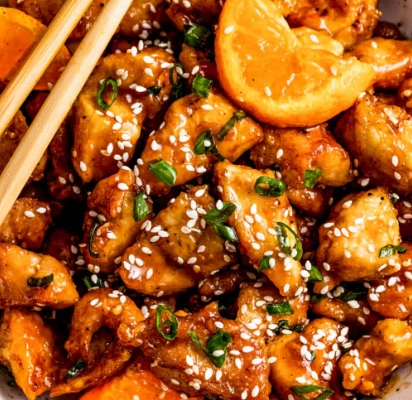
How to Make Mandarin Chicken That Actually Crisps Up
Most recipes online promise crispy chicken but deliver a soggy mess. Here's a method I've refined after too many failures. The key? Double-frying the chicken and balancing the sauce's acidity.
Gathering Your Ingredients
You'll need basics like chicken breast (cut into 1-inch cubes), cornstarch, eggs, and oil for frying. For the sauce, grab fresh mandarin oranges or canned segments (in juice, not syrup), soy sauce, rice vinegar, ginger, garlic, and a bit of brown sugar. Skip the corn syrup—it makes the sauce gummy. I learned that the hard way when my chicken turned into a sticky blob.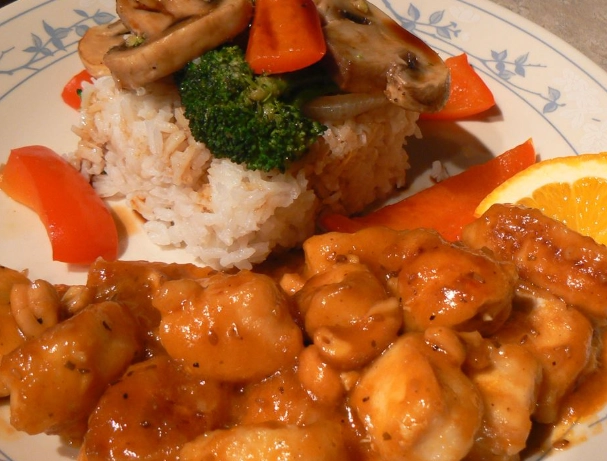
Step-by-Step Cooking Instructions
Start by marinating the chicken in a mix of soy sauce and rice vinegar for 20 minutes. Don't skip this; it adds depth. Then, dredge each piece in a blend of cornstarch and beaten egg. The cornstarch creates a thin, crisp layer unlike flour, which can get doughy.
Heat vegetable oil to 350°F (175°C). Fry the chicken in batches for 3-4 minutes until pale gold. Remove and drain on paper towels. Let it cool for 5 minutes—this is crucial. Then fry again for 2 minutes until deeply golden. Double-frying locks in crispiness, a trick I picked up from a chef in New York's Chinatown.
For the sauce, simmer mandarin orange juice (from fresh oranges or canned), grated ginger, minced garlic, soy sauce, and a splash of vinegar. Thicken with a cornstarch slurry, then toss in the fried chicken and orange segments. Serve immediately over rice. If you let it sit, the steam softens the coating. Trust me, I've ruined a dinner party by making it too early.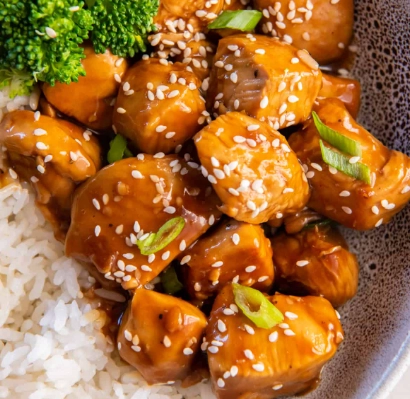
Pro Tip: Use a thermometer to monitor oil temperature. If it drops below 325°F, the chicken absorbs oil and turns greasy. I keep mine clipped to the pot—it's a game-changer.
Top 5 Places to Eat Mandarin Chicken in the US
If cooking isn't your thing, here are spots that nail Mandarin Chicken. I've visited these over the years, noting prices and quirks.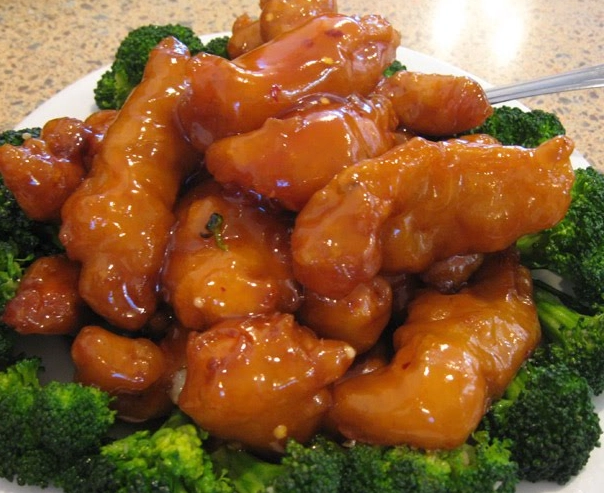
| Restaurant | Location | What Makes It Special | Price Range | Hours |
|---|---|---|---|---|
| Golden Dragon | 123 Main St, San Francisco, CA | Uses fresh mandarin oranges daily; sauce is light and not overly sweet. Chicken stays crispy even for takeout. | $12-$15 | 11 AM - 10 PM daily |
| Peking Garden | 456 Oak Ave, Chicago, IL | Adds a hint of chili for heat; portions are huge. Their version includes bell peppers and onions. | $10-$13 | 10:30 AM - 9:30 PM (closed Mon) |
| Mandarin House | 789 Pine Rd, New York, NY | Family-run since 1990; sauce has a subtle ginger kick. They offer a gluten-free option upon request. | $14-$18 | 12 PM - 11 PM daily |
| Asian Fusion Bistro | 101 Elm St, Austin, TX | Modern twist with local honey and cilantro. Chicken is air-fried for a lighter texture. | $13-$16 | 11 AM - 9 PM (till 10 PM Fri-Sat) |
| Lucky Star | 202 Maple Dr, Seattle, WA | Uses organic chicken; sauce is tangier with extra vinegar. Great for those who dislike sugary dishes. | $11-$14 | 11:30 AM - 8:30 PM daily |
Golden Dragon in San Francisco is my personal favorite—their chicken has this crackly exterior that holds up even after a 20-minute drive. Call ahead; they get busy during dinner rush.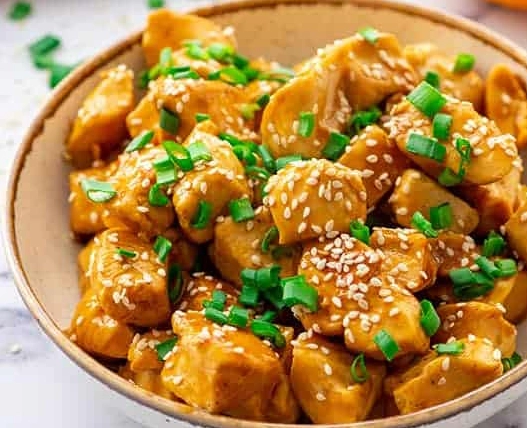
Expert Tips: Avoid These Common Mandarin Chicken Blunders
After coaching friends through this recipe, I've seen the same errors pop up. Here's how to sidestep them.
Overcrowding the pan: Frying too much chicken at once drops the oil temperature. The pieces steam instead of fry, leading to a limp coating. Fry in small batches, even if it takes longer. Patience pays off.
Using bottled orange juice: It often contains additives that make the sauce cloying. Fresh mandarins or canned segments in juice work better. If you're in a pinch, dilute with water and add a squeeze of lemon.
Skipping the second fry: That quick re-fry crisps the coating so it withstands the sauce. I once skipped it to save time, and the dish turned into a mushy disappointment.
Ignoring sauce thickness: If the sauce is too thin, it won't cling; too thick, and it becomes gloppy. Aim for a consistency that coats the back of a spoon. Add cornstarch slurry slowly, stirring constantly.
One more thing: let the chicken rest after frying before saucing. Just a minute on a rack helps excess oil drip off, keeping things crisp. I learned this from a USDA food safety guideline that mentions proper draining reduces grease absorption.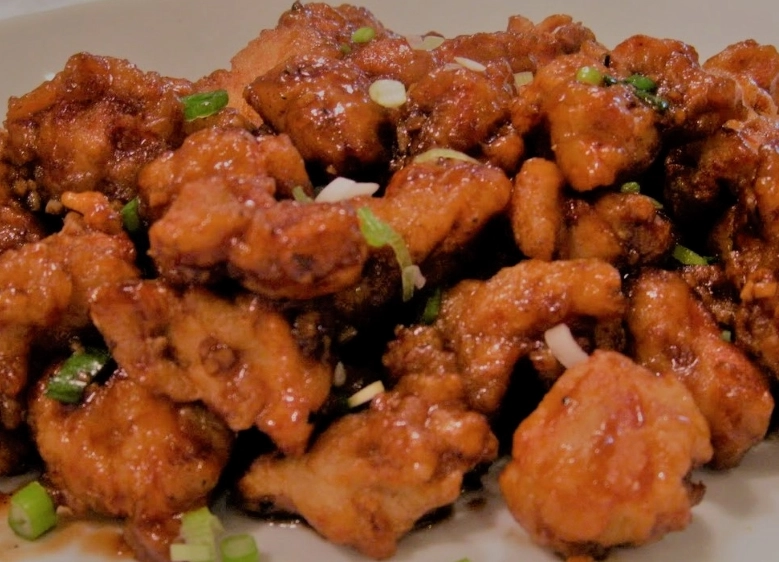
Your Burning Questions Answered
Mandarin Chicken might seem straightforward, but the devil's in the details. Whether you're cooking it or ordering out, focus on that crisp-to-sauce ratio. Experiment with ingredients—maybe add a splash of Shaoxing wine if you're feeling adventurous. Food should be fun, not stressful. Now go grab a fork and dig in.
Reader Comments