
Late August sits in this beautiful, slightly confusing sweet spot. Summer isn't quite ready to hand over the keys, but autumn is already knocking on the back door. For fruit lovers, this means the selection is arguably at its annual peak. You get the last, intensely sweet hurrah of classic summer fruits alongside the first, exciting whispers of fall. But if you just wander into the grocery store without a plan, you might miss what's truly at its best. I've spent years tracking seasons at farmers markets, and the difference between a fruit picked at its absolute peak and one that's just "available" is night and day. Let's cut through the noise and go straight to what you should be looking for right now.
Your Quick Harvest Guide
August's Bounty: A Complete List of Fruits at Their Peak
This isn't just a list of fruits you can find. This is a list of fruits that are hitting their stride in flavor, sugar content (Brix level), and texture during the last two weeks of August. I've split them into two camps: the Summer Finale and the Early Autumn Overture.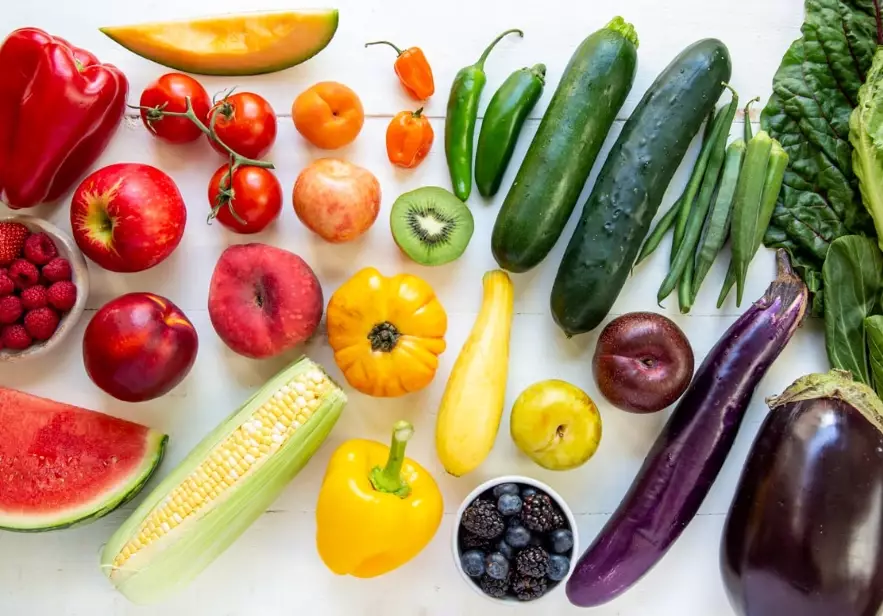
| Fruit | Why It's Prime Now | Key Varieties to Look For |
|---|---|---|
| Peaches & Nectarines | Late-season varieties like "O'Henry," "September Sun," and "Fairtime" are ripening. These are often clingstone types, with firmer flesh and incredibly rich, complex flavor that early summer peaches lack. The heat of August concentrates their sugars. | Yellow peaches (O'Henry), white peaches (Sugar Lady), nectarines (Fantasia, Arctic Rose). Don't shy away from the fuzzier peaches—they often have more aroma. |
| Plums & Pluots | The plum season is long, but late August brings the deep purple and black varieties. Their skin loses its bitterness, and the flesh becomes juicy and sweet-tart. Pluots (plum-apricot hybrids) are at their absolute peak, offering explosive sweetness. | Italian Prune Plums (small, egg-shaped), Black Amber, Elephant Heart. For pluots: Flavor King, Dapple Dandy. |
| Berries: Blackberries & Raspberries | Ever-bearing raspberries have their second, often superior, flush. Fall-bearing varieties start. Wild blackberries are ripening. The cooler nights of late August can improve the flavor balance in berries, making them less watery. | Look for local, wild or "wild-type" blackberries. For raspberries, ever-bearing varieties like Heritage. |
| Figs | The main harvest for many fig trees is late summer. They won't ripen off the tree, so what you find now is as good as it gets—soft, jammy, and dripping with honeyed flavor. | Mission (purple-black), Kadota (green), Brown Turkey. A ripe fig will feel soft at the neck and may have a crack of syrup at the bottom. |
| Fruit | Why It's Starting Now | What to Expect |
|---|---|---|
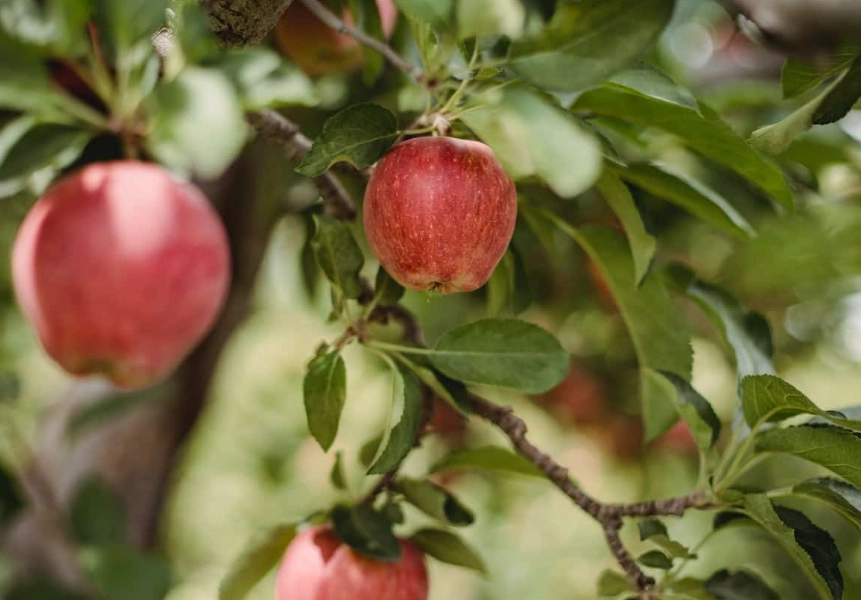
| Early Apples | While most apples peak in fall, certain early-season varieties are ready for picking. They are typically crisper and more tart than their later cousins, perfect for eating fresh. | Ginger Gold, Zestar!, Paula Red. They are not storage apples—eat them within a couple of weeks. |
| Pears (Early Varieties) | Asian pears are crisp and ready. European pears like Bartlett are harvested but need to ripen off the tree. Buying them now lets you control the ripening process at home. | Asian pears (Hosui, Shinko). Bartlett pears (buy firm, ripen in a paper bag). |
| Grapes | Early table grape varieties begin to sweeten. The heat of late August is crucial for developing their sugar content. You might find the first seedless varieties. | Early seedless like Himrod or Interlaken. They'll be sweet but may have thinner skins than mid-fall grapes. |
| Melons (Final Wave) | Cantaloupes and honeydews are in their final, often sweetest, harvests. Watermelons are still going strong from mid-summer plantings. | Look for a strong, sweet aroma at the stem end for cantaloupe. A creamy yellow ground spot is key for watermelon. |
How to Select and Store Late August Fruits for Maximum Flavor
Knowing what to buy is half the battle. The other half is not ruining it before you eat it. Here’s where most home cooks slip up.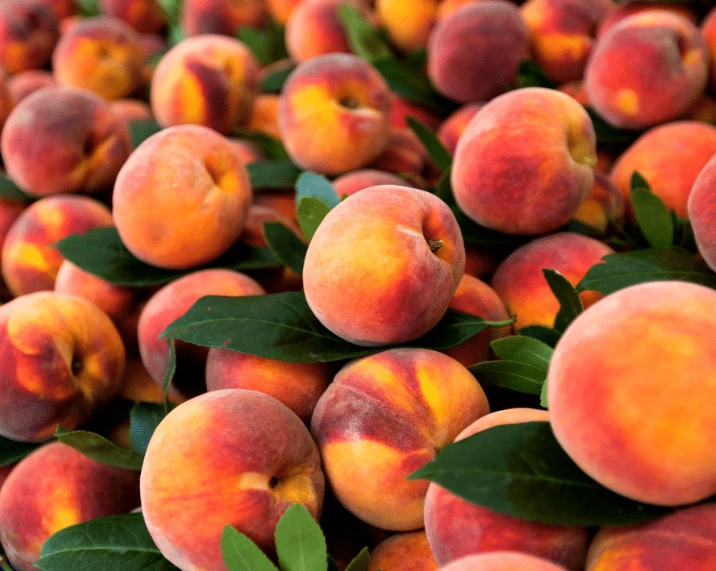
The Critical Mistake Everyone Makes with Stone Fruit
You buy a hard peach, leave it on the counter for two days, it gets a little soft, and then... it's mealy or flavorless inside. Why? It was picked too early. A peach or nectarine that has started its starch-to-sugar conversion on the tree will continue to ripen off it. One picked when still starchy will soften but never truly sweeten. The fix? Use your nose, not just your thumb. Even a firm peach should have a distinctly sweet, peachy aroma at the stem end. No smell? Move on. Store unripe stone fruit in a paper bag at room temperature. Once fragrant and slightly yielding, eat immediately or refrigerate for a day or two to slow down the process.
Berries: The Fridge is Not Your Friend (At First)
You come home from the market and immediately dump your berries in the fridge. Big mistake. Any moisture in the container becomes a breeding ground for mold. The right way? As soon as you get home, spread them out on a towel. Discard any that are crushed or leaking. Let them air dry completely. Then, line a container (preferably wide and shallow) with a dry paper towel, place the berries in a single layer if possible, cover loosely, and then refrigerate. This can extend their life by several days.
Figs and Grapes: Handle with Care
Figs are incredibly perishable. Plan to eat them within 1-2 days of purchase. Don't wash them until you're ready to eat, and store them in the coolest part of your fridge, spread out on a plate. For grapes, snip off small clusters from the main stem before refrigerating in a breathable bag. Washing grapes before storage introduces moisture that speeds decay.
Going Beyond the Basics: Late Summer Fruit Pairings and Pro Tips
You've got perfect fruit. Now what? Forget just eating it out of hand (though that's always a valid option). Late August fruit is a versatile culinary workhorse.
The No-Cook Dinner Hero: I live for easy late summer meals. Slice peaches, plums, and figs. Arrange them on a platter with torn fresh mozzarella or burrata, prosciutto, and a handful of arugula. Drizzle with good olive oil, balsamic glaze, and a crack of black pepper. Dinner is served in 10 minutes. The sweetness of the fruit cuts through the fat of the cheese and meat perfectly.
The Grilling Game-Changer: Halve peaches or plums, brush lightly with oil, and grill cut-side down for 2-3 minutes until you get char marks. The heat caramelizes the natural sugars. Serve them alongside grilled pork chops, chicken, or even on top of a burger. Grilled figs wrapped in a thin slice of pancetta are a classic for a reason.
Preserve the Peak: Faced with a glut of perfect fruit? Don't let it go to waste. Freezing is your easiest friend. For peaches and plums: slice, toss with a tiny bit of lemon juice to prevent browning, spread on a parchment-lined tray to freeze individually, then bag. You'll have summer in a bag for smoothies or crisps all winter long. A quick compote (fruit simmered with a little sugar until broken down) made from late berries and plums is fantastic on yogurt or ice cream.
For authoritative information on fruit seasonality by region, resources like the Seasonal Food Guide (which aggregates data from sources like the USDA) or your state's university cooperative extension website are invaluable.
Reader Comments