
You can follow a famous chef's apple pie recipe to the letter and still end up with a soggy, mushy, or bland disappointment. I've been there. After my third failed attempt years ago—a weepy, sad pie that tasted like sweetened cardboard—I realized the secret wasn't just in the crust or the sugar. It was in the apple itself. The single most important decision you make happens before you even turn on the oven. This guide cuts through the noise to show you exactly how to choose the best apples for apple pie and turn them into something spectacular.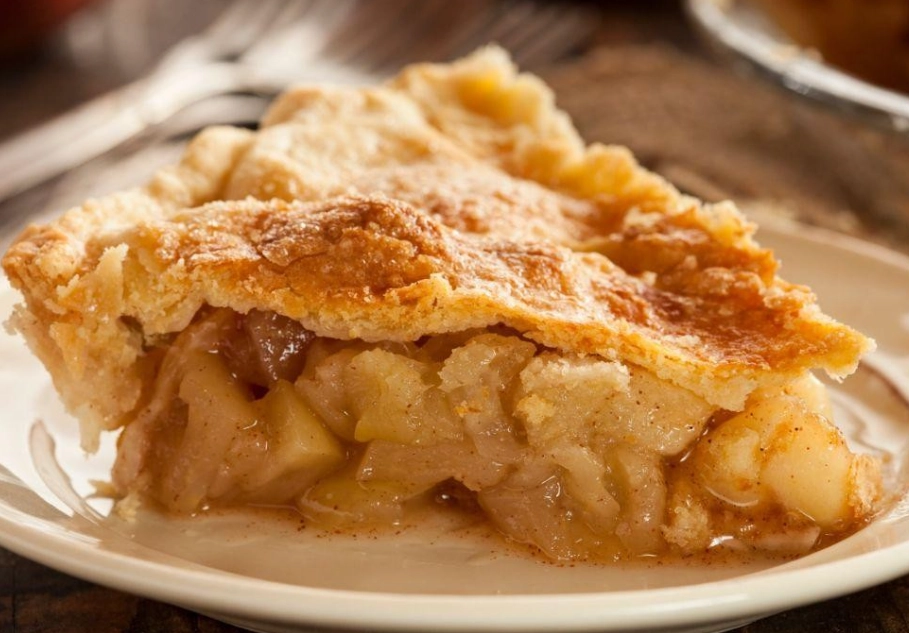
What's Inside This Guide
The Apple Breakdown: A Baker's Cheat Sheet
Not all apples are created equal in the heat of the oven. Some turn to flavorless mush, while others hold their shape and deliver a perfect balance of sweet and tart. Here’s the real-world data on the most common contenders, based on my own kitchen tests and consultations with orchardists.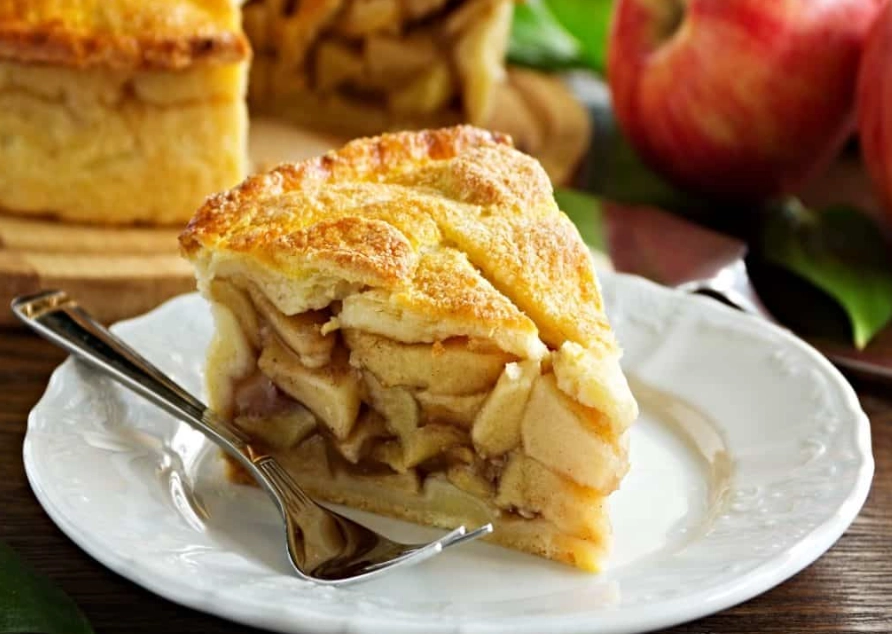
| Apple Variety | Flavor Profile | Texture When Baked | Best For | My Personal Rating (1-10) |
|---|---|---|---|---|
| Granny Smith | Very tart, bright | Firm, holds shape excellently | The classic choice; needs ample sugar | 9 (for structure) |
| Honeycrisp | Sweet with mild tartness | Crisp, softens but keeps form | Sweet pies, less added sugar needed | 8.5 (for flavor) |
| Braeburn | Sweet-tart, spicy | Firm, slightly softer than Granny | Complex flavor, stands up to spices | 8 |
| Jonagold | Sweet-tart blend | Tender, can get soft | Mixing with firmer apples | 7.5 |
| Golden Delicious | Mild, sweet, buttery | Soft, can become mushy | Mixing only; avoid solo use | 6 |
| McIntosh | Tart, aromatic | Very soft, turns to sauce | Apple sauce pie filling (intentionally) | 4 (for structure, 9 for sauce) |
| Pink Lady (Cripps Pink) | Tangy-sweet, vibrant | Very firm, holds shape perfectly | Modern favorite, great for pretty slices | 9.5 (my top pick) |
The McIntosh Trap: Everyone loves a McIntosh for eating. They’re juicy and fragrant. But put them in a pie, and they’ll practically dissolve into a watery, grainy pulp unless you want that specific texture. If your grandma’s pie was super soft, she might have used Macs. For most of us aiming for defined slices, it’s a mistake.
How to Choose Your Apples: The Flavor & Texture Matrix
Here’s the expert trick most recipes don’t tell you: use a blend. Relying on one type is like making a stew with only one vegetable. Combining two or three different apples creates a depth of flavor and a more interesting texture—some slices stay distinct, others melt slightly to bind everything together.
The 70/30 Rule for a Balanced Pie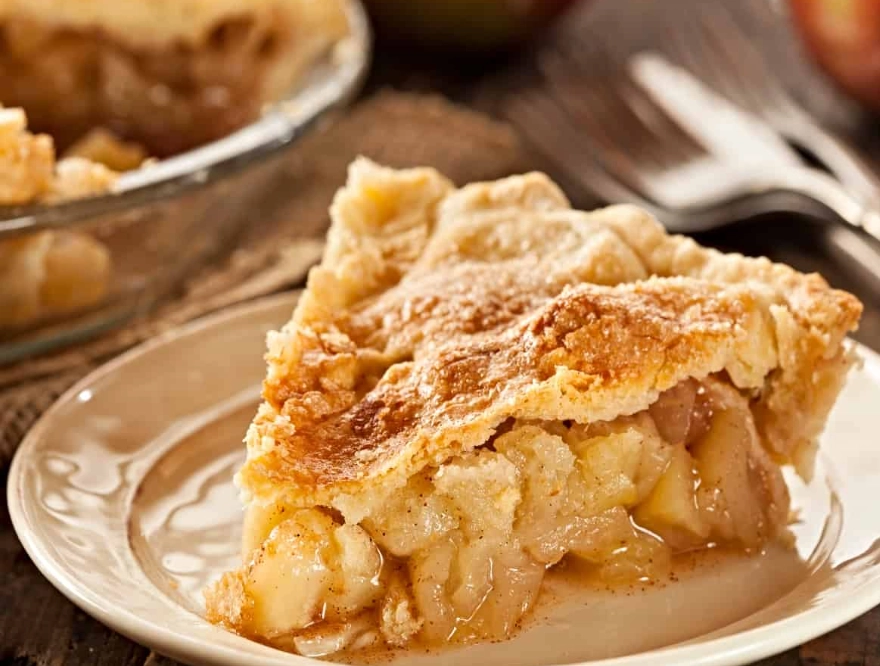
This is my go-to formula for a foolproof filling.
- 70% Firm/Tart Base: Choose one or two apples that hold their shape. Granny Smith, Pink Lady, Braeburn. These are your structural backbone.
- 30% Sweet/Softer Accent: Add an apple that brings sweetness and breaks down a bit. Honeycrisp, Jonagold, or even a small amount of Cortland. This layer adds moisture and binds the firmer slices.
My personal favorite blend? 50% Pink Lady for its firm tang, 30% Honeycrisp for juicy sweetness, and 20% Braeburn for a spicy note. It never fails.
Pro Tip: Feel the apple. The best baking apples are dense and heavy for their size. A light, pithy apple will have too much air and not enough substance to survive baking.
The Fail-Proof Classic Apple Pie Recipe
This is the recipe I developed after all my trials. It accounts for apple variety and prevents a soggy bottom—the true nemesis.
Ingredients
- For the Filling: 3 lbs mixed baking apples (see blend suggestion above), peeled, cored, and sliced 1/4-inch thick. 2/3 cup granulated sugar (adjust based on apple sweetness). 1/4 cup all-purpose flour. 1 tsp ground cinnamon. 1/4 tsp ground nutmeg. 1/8 tsp salt. 1 Tbsp lemon juice. 1 tsp vanilla extract. 2 Tbsp unsalted butter, cut small.
- For the Crust: Your favorite double-crust pie dough, homemade or store-bought. (I’m not a crust purist—use what works for you).
The Critical Steps Most People Skip
1. Toss and Rest: In a large bowl, toss apple slices with lemon juice, then with sugar, flour, spices, and vanilla. Let it sit for 30 minutes. This draws out some juice, which you’ll then drain and boil down into a syrup. This step is the #1 guard against a soupy filling.
2. Reduce the Juices: Drain the liquid from the apples into a small saucepan. Simmer over medium heat until reduced to a thick, amber-colored syrup, about 5-7 minutes. Pour this back over the apples and toss. This concentrates flavor and uses less thickener.
3. Pre-Bake the Bottom: Roll out your bottom crust, place it in the pie dish, and freeze it for 15 minutes. Then, blind bake it at 400°F (200°C) for 12-15 minutes with parchment and pie weights. This creates a barrier against sogginess.
4. Assemble & Bake: Fill the par-baked shell with the apple mixture, dot with butter. Add top crust, vent, and brush with egg wash. Bake at 400°F (200°C) for 20 minutes, then reduce heat to 375°F (190°C) and bake 35-45 minutes more until deeply golden and bubbling.
Let it cool completely before slicing. I know it’s hard. But cutting into a warm pie guarantees a runny mess. Wait at least 4 hours.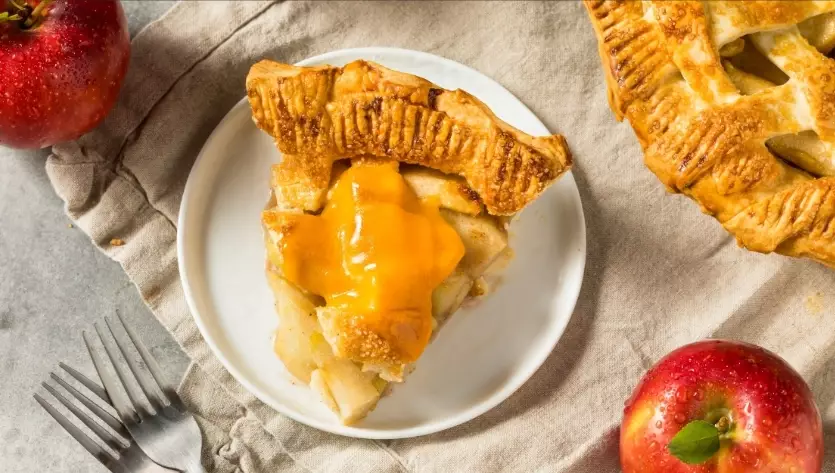
Beyond Classic: Creative Apple Pie Recipes to Try
Once you’ve mastered the classic, these variations are worth the experiment.
1. Salted Caramel Apple Pie
Use a sweeter apple blend (more Honeycrisp, less Granny). After arranging apples in the crust, drizzle 1/2 cup of good-quality salted caramel sauce over them before adding the top crust. The caramel bubbles and creates an incredible gooey layer. Finish with flaky sea salt on the crust.
2. Dutch Apple Pie with Streusel
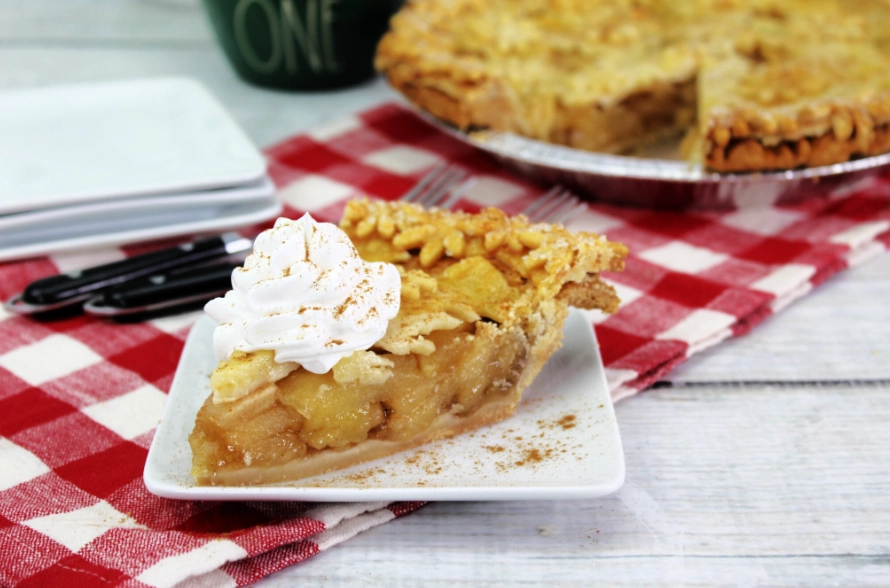
Skip the top crust. For the streusel, mix 1 cup flour, 1/2 cup brown sugar, 1/2 cup rolled oats, 1 tsp cinnamon, and a pinch of salt. Cut in 1/2 cup (1 stick) of cold cubed butter until crumbly. Pile high on the filling and bake. The crunchy topping against the soft apples is textural heaven.
3. Cheddar Cheese Crust Apple Pie
A controversial but classic pairing. Add 1 cup of finely shredded sharp cheddar cheese (like aged white cheddar) to your dry pie crust ingredients before adding water. The crust bakes up flaky with a savory, nutty note that complements the sweet-tart apples perfectly.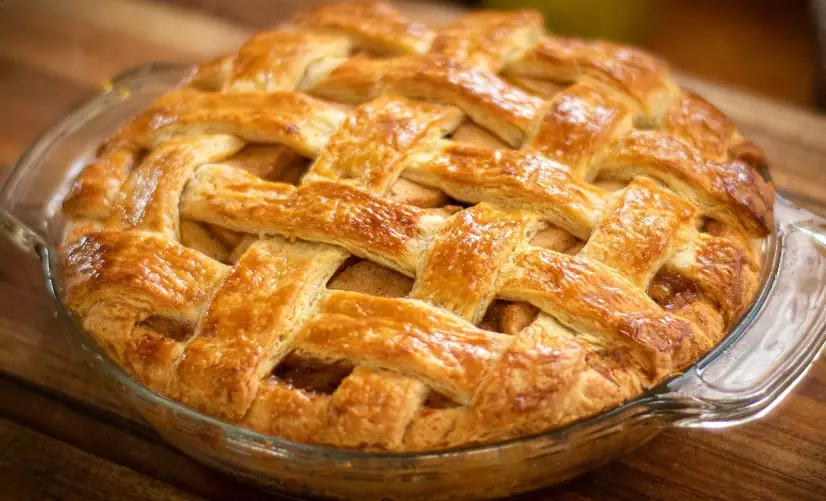
Your Apple Pie Questions, Answered
 How thin should I slice apples for pie?
 The journey to a perfect apple pie is really a journey to understanding your main ingredient. Start with the right apples, treat them with a few simple but critical techniques, and you'll transform from a hopeful baker to a pie-confident one. Don't just follow a recipe—understand why each step matters. Now go pick some apples and get baking.
Reader Comments