I used to stare blankly at the produce section, grabbing the same bell peppers and cucumbers year-round. They were fine, but nothing special. Then I tried a tomato from a farmers market in August. It exploded with flavor, nothing like the pale, watery ones I bought in January. That’s when I got it. Eating vegetables when they’re in season isn’t just a trendy slogan; it’s the key to better taste, more nutrients, and saving a surprising amount of money. This guide cuts through the confusion and shows you exactly what to look for each month.
What’s Inside This Guide?
Why Seasonal Eating Matters More Than You Think
Let’s move past the obvious “it tastes better.” That’s true, but the real benefits are more practical.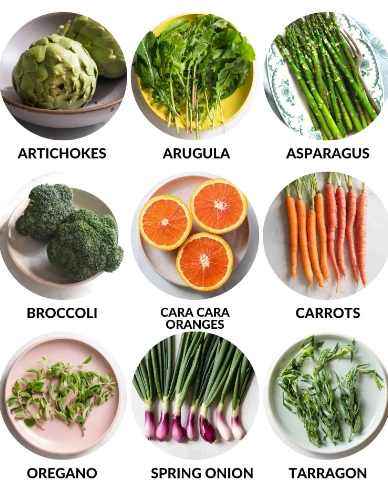
First, your wallet will thank you. When a vegetable is at the peak of its local harvest, there’s a surplus. Basic economics: more supply means lower prices. I’ve seen asparagus drop by half in price during its true spring season. You’re not paying for long-distance shipping, energy-intensive greenhouse growing, or storage costs.
Second, nutrition takes a hit out of season. Vegetables destined for long travel or storage are often picked before they’re ripe. They might ripen in color during transit, but they don’t develop the full spectrum of vitamins and antioxidants they would on the vine. A study highlighted by the USDA Agricultural Marketing Service emphasizes the importance of local food systems for peak freshness, which directly ties to nutrient retention.
Here’s a subtle mistake most people make: They think “organic” automatically means “better” or “more seasonal.” Not necessarily. You can find organic zucchini flown in from another continent in December. It’s still organic, but it’s not seasonal, and its environmental footprint is huge. Always ask “where is it from?” before “is it organic?” if eating seasonally and locally is your goal.
Finally, it supports your local farmers and reduces environmental impact. Shorter supply chains mean less fuel and packaging. It’s a simple, effective way to make your diet more sustainable.
Your Month-by-Month Seasonal Vegetable Calendar
This is a general guide for temperate climates (think much of the US and Europe). Your exact dates will shift if you’re in the Deep South or the Pacific Northwest. Use this as your roadmap.
The biggest shift happens at the shoulders of the traditional seasons. Early spring isn’t about tender greens yet—it’s about the last of the storage crops and the first hardy shoots.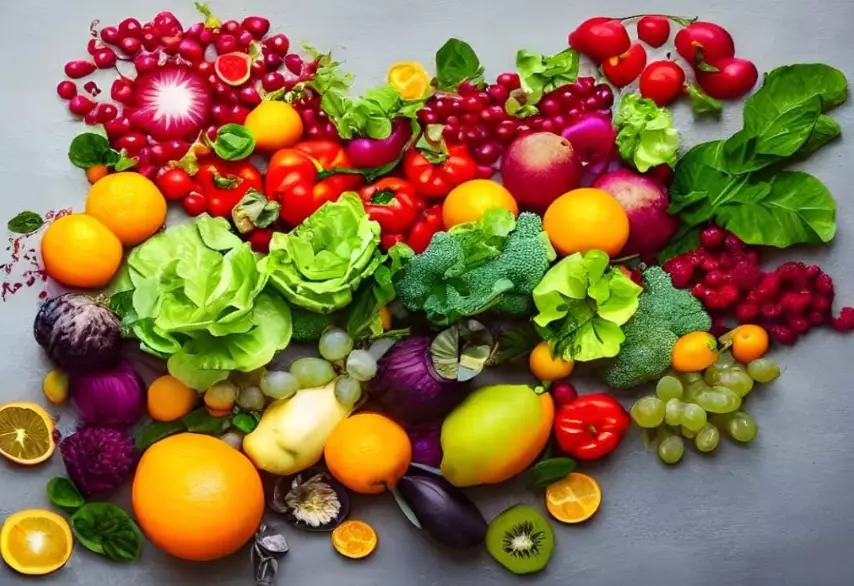
| Season | Months | What’s In Season (The Stars of the Show) | Pro Shopper Note |
|---|---|---|---|
| Late Winter / Early Spring | March - April | Potatoes Onions Carrots Parsnips Leeks Kale Collards Brussels Sprouts (last call!) Asparagus (starts late April) | This is “storage season.” Root veggies from last fall are still great. Look for firm, heavy specimens with no sprouts. Asparagus tips should be tight and purple-tinged. |
| Spring | May - June | Asparagus Peas Sugar Snap Peas Radishes Spinach Lettuce Arugula Green Garlic Spring Onions | Everything is green and tender. Eat peas and asparagus almost immediately—they lose sweetness fast. Don’t cook spring radishes; slice them raw over everything. |
| Summer | July - September | Tomatoes Zucchini Summer Squash Eggplant Cucumbers Bell Peppers Hot Peppers Green Beans Corn Okra | The bounty is real. Smell the tomato stem—it should be fragrant. Corn is best the day it’s picked. Buy zucchini small; giant ones are watery and seedy. |
| Fall | October - November | Pumpkins Winter Squash (butternut, acorn) Sweet Potatoes Brussels Sprouts Cauliflower Broccoli Beets Turnips Kale (sweetens after frost) | Hearty and sweet. Choose heavy, unblemished squash. Brussels sprouts on the stalk are fresher and last weeks in the fridge. Kale is at its best now. |
| Winter | December - February | Winter Squash (stores well) Potatoes Onions Garlic Carrots Parsnips Cabbage Leeks Hardy Greens (kale, collards) | Reliability season. These crops are built to last. Check for soft spots on roots. Cabbage should feel dense. This is the time for roasting, soups, and braises. |
See that gap in December-February for fresh-picked tender things? That’s normal. Embrace the roots and brassicas. Their flavors are deep and perfect for comforting winter meals.
How to Actually Find and Choose Seasonal Vegetables
Knowing what’s in season is one thing. Finding it is another.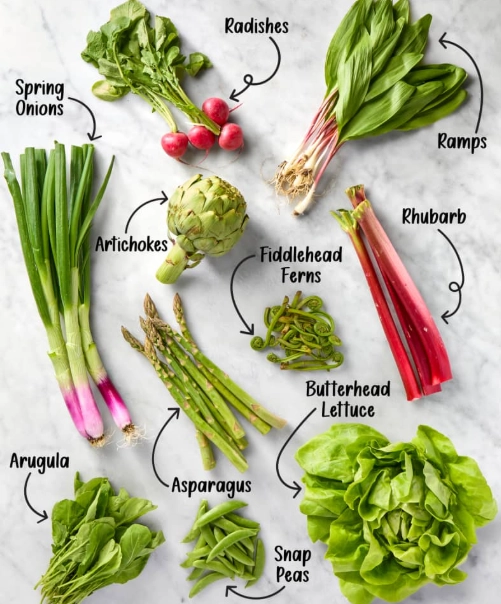
Your Best Source: The Farmers Market (But Talk to the Farmer)
This is ground zero. Everything here is likely in season for your area. But don’t just browse.
Ask questions. “What did you harvest this morning?” “What’s coming in next week?” Farmers love to talk about their crops. I learned that garlic scapes (the curly flower stem) are a fleeting spring treat I’d never noticed before just by asking “what’s that?”
Look for variety. Heirloom tomatoes in strange shapes, purple cauliflower, rainbow chard. These are almost always seasonal specialties you won’t find in a supermarket.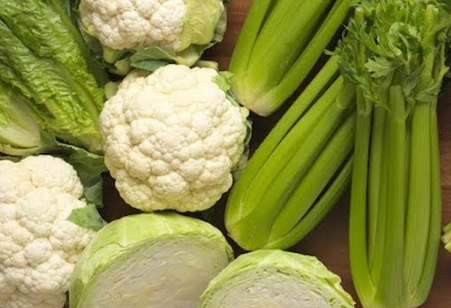
Decoding the Supermarket
Most big grocery stores source globally, so seasonality is blurred. You can still make smart choices.
First, check the country of origin label. It’s usually on a sticker or the display sign. If it’s from a neighboring state or country with a similar climate, chances are higher it’s in season. Asparagus from Mexico in February? Probably in season there, but not for you if you’re in New York. It’s a judgment call.
Second, look at price and abundance. A giant pile of zucchini at a low price in July? That’s a seasonal tell. A few sad, expensive bundles in January? Pass.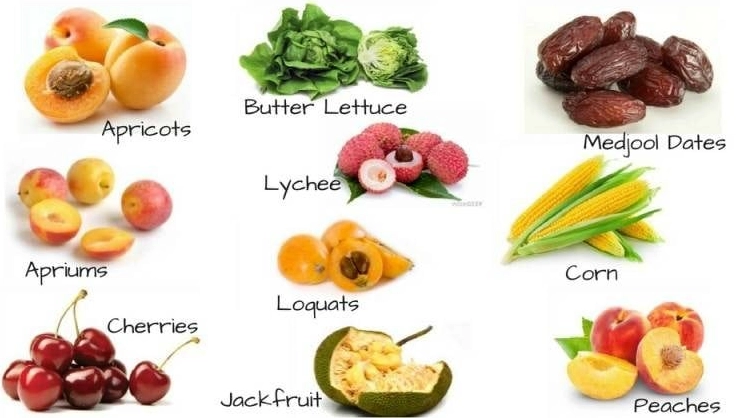
Simple Selection Rules
Heavy for its size is almost always good (think cucumbers, eggplants). Vibrant color, no wrinkles or soft spots. Leaves should be crisp, not wilted. For herbs, smell them. If there’s no aroma, there will be no flavor.
And please, don’t squeeze the tomatoes. A gentle cradle in the palm is enough to judge firmness.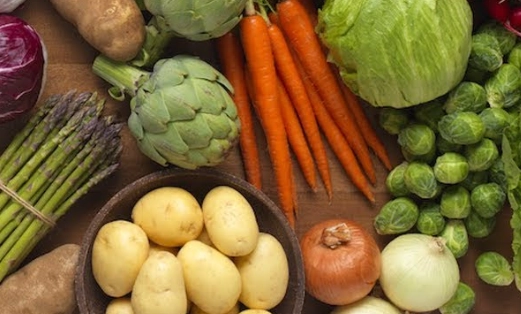
Seasonal Vegetable FAQ: Your Questions Answered
Start with one vegetable. Next time you shop, pick the thing that’s piled high and priced low. You’ll taste the difference immediately. That’s how the habit starts—not with a rigid plan, but with a single, perfectly ripe peach in July.
Reader Comments