You're at the store, or maybe in your garden, holding a butternut squash. It feels solid, looks good, but the stem end still has a hint of green. Or perhaps you bought one on sale, only to find it’s a bit hard and bland when cooked. The question hits you: do butternut squash ripen off the vine after you pick them? Can you salvage that underripe one, or is it destined for the compost?
The short, straightforward answer is yes, but with a major caveat. Unlike tomatoes or bananas, butternut squash are what horticulturists call "non-climacteric" fruits. This means they don't undergo a dramatic spike in ethylene gas and starch-to-sugar conversion after being harvested. The ripening that happens off the vine is more about curing and subtle sweetening, not a fundamental transformation from hard and tasteless to soft and sweet.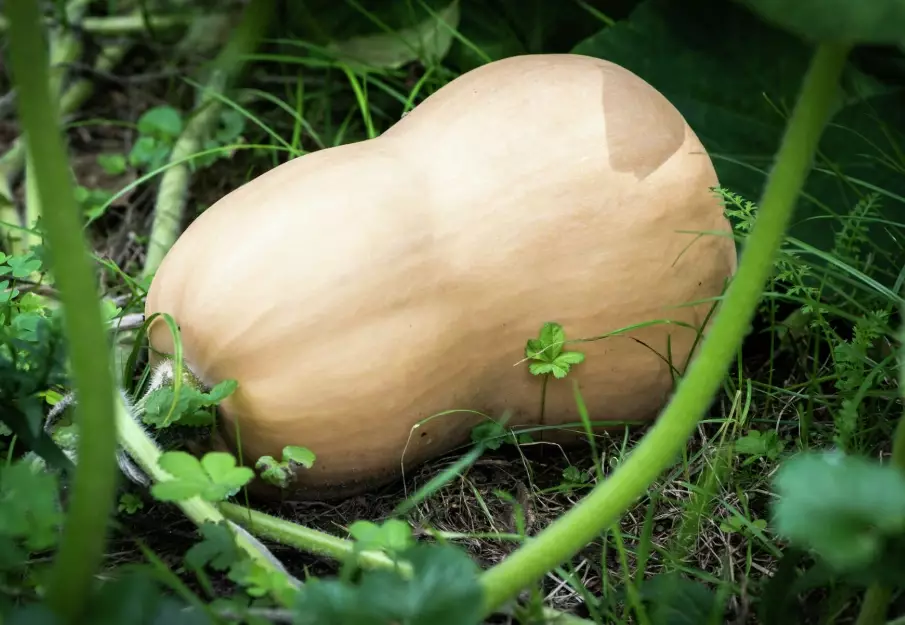
I learned this the hard way years ago, eagerly harvesting my first homegrown squash too early, convinced they'd sweeten up on the counter. They never did. They just got a little softer and then rotted. That experience sent me down a rabbit hole of post-harvest physiology that changed how I handle all winter squash.
What You'll Learn in This Guide
The Real Science: What "Ripening" Actually Means for Butternut Squash
Let's clear up the confusion right away. When we ask if squash ripen off the vine, we're usually asking two things: 1) Will it get sweeter? 2) Will the flesh soften to an edible state?
For butternut squash, the sweetness is largely determined before harvest. Sugars accumulate in the fruit while it's still connected to the plant. Once you cut the stem, that primary sugar pipeline is closed. However, enzymes within the squash can continue to break down complex carbohydrates into simpler sugars for a short time, leading to a slight increase in sweetness during proper storage. It's a subtle improvement, not a revolution.
The softening and improvement in texture and flavor that we associate with ripening is more accurately described as curing. This is a vital process where the squash's skin hardens (creating a better barrier), the flesh becomes less starchy and more uniform, and flavors meld and deepen.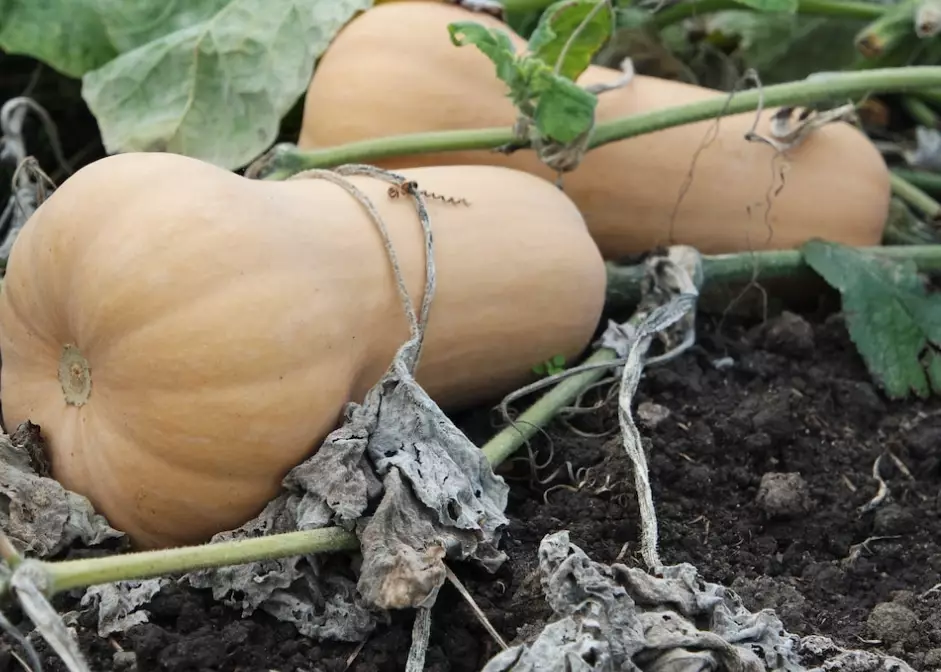
Key Distinction: A tomato picked green can become red, soft, and juicy on your counter. A butternut squash picked immature will remain hard, starchy, and lack sweetness. It will not magically become a different fruit. The goal is to pick it at the right starting point and then manage its post-harvest life to maximize the quality that's already there.
How to Pick a Butternut Squash That Will Ripen Well
Everything starts with selection. If you start with a truly immature squash, no amount of counter time will fix it. Here’s what to look for, whether at the farmers market or in your backyard.
The Foolproof Three-Point Check
Forget just looking at color. Use these tactile and visual cues together.
1. The Stem Test: The stem should be dry, corky, and brown, not green, soft, or fleshy. A green stem is a dead giveaway of a recent, likely premature, harvest. I gently try to press my thumbnail into it. If it gives easily, it's not ready.
2. The Skin Test: The skin should be very hard and impervious to gentle scratching with your fingernail. The classic tan color should be deep and consistent, without shiny green patches. A matte finish is better than a glossy one. This hard skin is essential for long storage.
3. The Sound & Weight Test: Give it a light tap. It should feel heavy for its size and produce a dense, solid sound, not a hollow one. A hollow sound can indicate drying flesh or air pockets.
I see people at the store pressing the bulbous end. That's not totally wrong—it should feel firm—but the neck is actually more telling. If the long neck feels firm and solid, you're usually in good shape.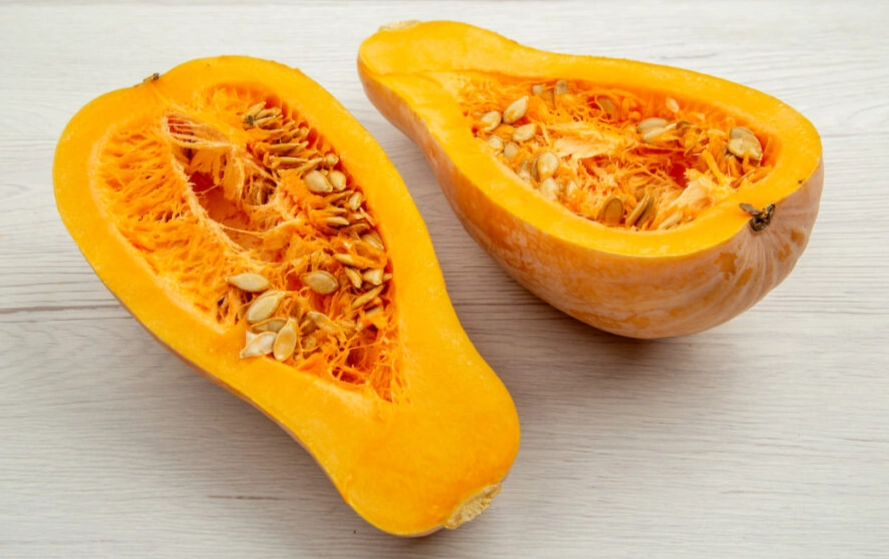
The Crucial Step Most People Skip: Curing Your Squash
This is the "secret" step that makes all the difference between a squash that stores for months and one that rots in weeks, and it's the closest thing to true off-vine ripening you can encourage.
Curing is a 10-14 day process where you expose the harvested squash to warm temperatures (80-85°F / 27-29°C) and good air circulation. This isn't about cooking it; it's about healing minor wounds (like the stem scar) and converting excess starches in the rind.
Don't have a greenhouse or a consistently warm room? Don't panic. I use the top of my refrigerator or a sunny, protected spot on my porch for a week or two in the fall. The goal is consistent warmth, not direct scorching sun. If you buy squash from a store, it has almost certainly been cured by the commercial grower. Homegrown squash is where this step is non-negotiable.
What curing does:
- Hardens the skin into a durable shell, reducing moisture loss.
- Allows the stem to dry and seal, preventing pathogens from entering.
- Concentrates the sugars already present in the flesh.
After curing, your squash is ready for long-term storage.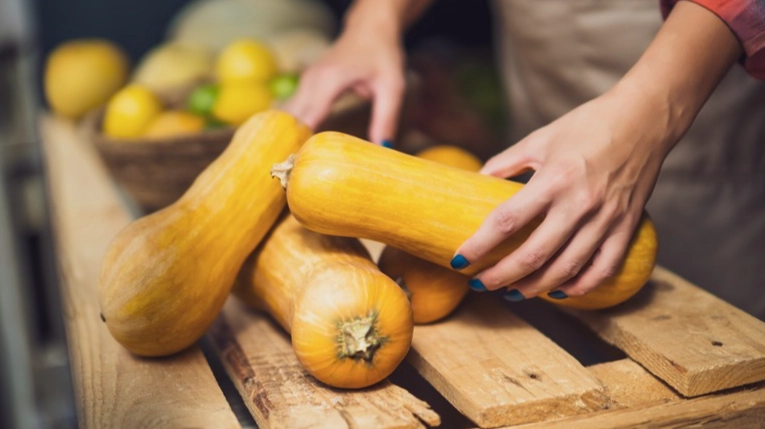
Long-Term Storage for Maximum Sweetness and Flavor
Proper storage is where that slight, slow improvement in flavor happens. The ideal conditions are cool, dark, and dry.
| Storage Method | Ideal Conditions | Expected Shelf Life | Best For... |
|---|---|---|---|
| Cool Room/Cellar | 50-55°F (10-13°C), 50-70% humidity, dark | 2-3 months (often longer) | Whole, cured squash. This is the gold standard. |
| Pantry/Counter | Cool room temp (60-70°F), away from sunlight | 1-2 months | Squash you plan to use within a few weeks. Flavor may peak around week 3-4. |
| Refrigerator | Crisper drawer (whole, uncut) | Not recommended for whole squash (too damp) | Only for cut squash, wrapped tightly (3-5 days). |
| Freezer | 0°F (-18°C) or below | 10-12 months | Cooked, pureed, or cubed squash for cooking. |
A common mistake is storing squash in a cold garage that dips below freezing. That will ruin the cell structure, turning the flesh mushy when thawed. A slightly cool basement is far better than a cold garage.
Check your stored squash every couple of weeks. If you see any soft spots or mold, use that squash immediately.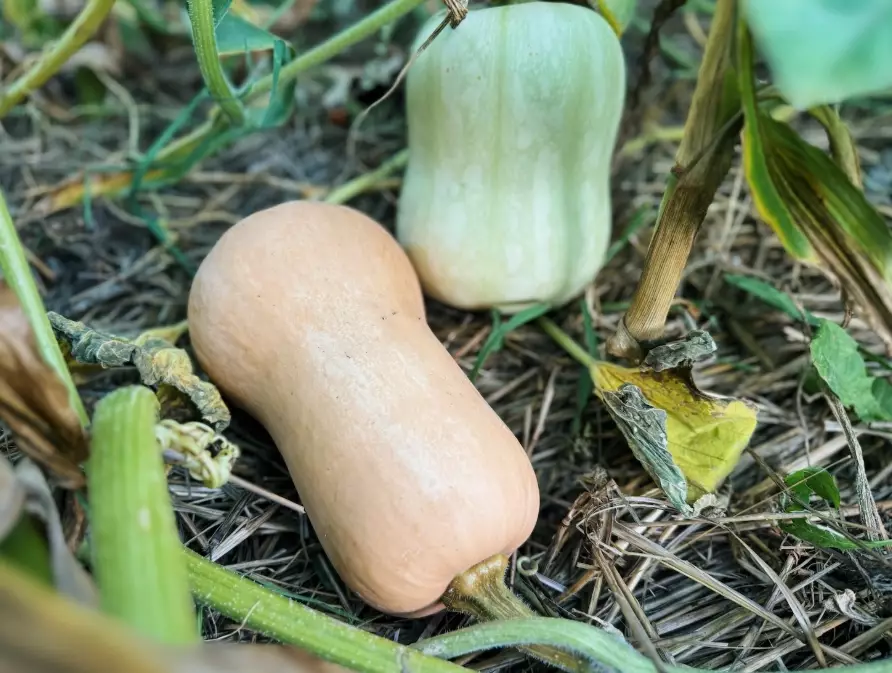
Can You Ripen a Cut or Underripe Squash? Salvage Tips
So you messed up. You cut into a squash and the flesh is pale, hard, and tastes like a bland pumpkin. Or you have one that's been sitting for a month and is still not sweet. All is not lost.
For a whole, underripe squash: Follow the curing process if you haven't already. Then, store it in the ideal conditions. Give it time—at least 3-4 weeks. The change will be subtle, but it might become acceptable for soups or stews where other ingredients carry the flavor.
For a squash you've already cut open: The game changes completely. You can't "ripen" it in the traditional sense anymore. Your goal is damage control and flavor enhancement through cooking.
- Cube and Roast Aggressively: Toss cubes with oil, salt, and a sweet element like maple syrup, honey, or even a sprinkle of brown sugar. Roast at a high heat (425°F / 220°C) until deeply caramelized on the edges. The roasting concentrates flavors and the added sugar helps.
- Use it in a Spiced Soup: Underripe squash makes a fine base for soup where onions, garlic, vegetable broth, and warming spices (curry powder, cumin, ginger) provide the primary flavor profile. The squash adds body and a mild sweetness.
- Turn it into "Faux" Sweet Potato: Mash the roasted underripe squash with butter, a touch of cream, and extra cinnamon or nutmeg. It won't fool anyone, but it can be a pleasant side.
The bottom line: Don't throw it away. Think of it as a blank canvas rather than a failed masterpiece.
Your Butternut Squash Ripening Questions, Answered
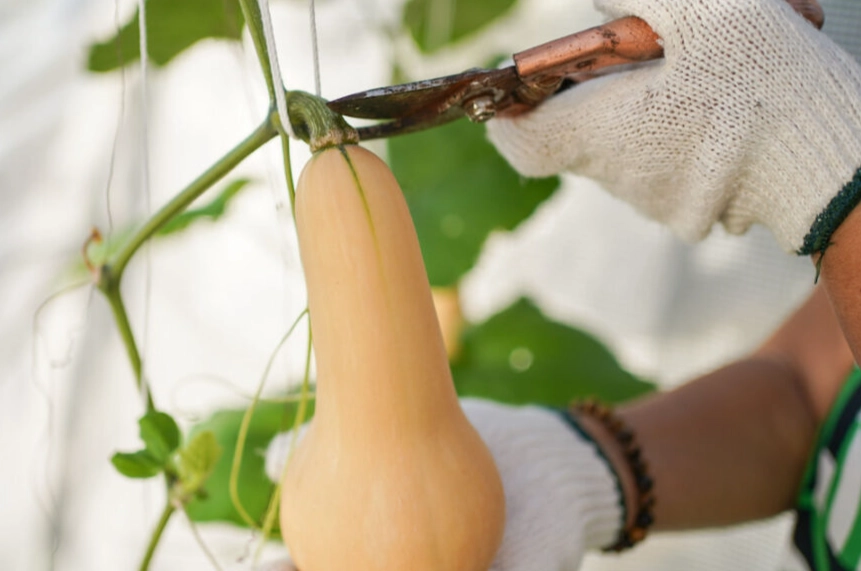 So, do butternut squash ripen off the vine? They mature, cure, and their flavors can meld and improve slightly, but they don't undergo a fundamental ripening transformation. The key is to start with a squash that's already mature (hard skin, brown stem), cure it if homegrown, and store it properly. That's how you unlock the sweet, nutty, creamy flavor that makes butternut squash a winter staple. It's less about forcing a change and more about preserving and gently guiding the goodness that's already there.
Next time you pick one up, give it that three-point check. Your future soup will thank you.
Reader Comments