You can have the most amazing homemade caramel recipe, but if you start with the wrong apple, you'll end up with a disappointing, soggy mess. The apple isn't just a stick holder—it's half the experience. After years of trial, error, and a few failed batches that turned into apple sauce sculptures, I've learned that picking the right apple makes or breaks your caramel apple.
Let's cut straight to it: you need a firm, crisp, and tart apple. But that's just the starting point. The real magic is in matching the apple's personality to the kind of caramel apple you want to create.
What's Inside This Guide
Why Your Apple Choice Matters More Than You Think
Think of the apple as the foundation of a house. A soft, mealy foundation (like a Red Delicious) will cause everything on top to slide off or sink in. A great caramel apple needs structural integrity.
The two biggest enemies are water content and soft flesh. A watery apple will weep moisture, creating a layer between the fruit and the caramel. That layer is why your coating slides right off. A soft apple simply can't support the weight of the caramel and toppings—it'll bruise, dent, and make the whole thing unpleasant to eat.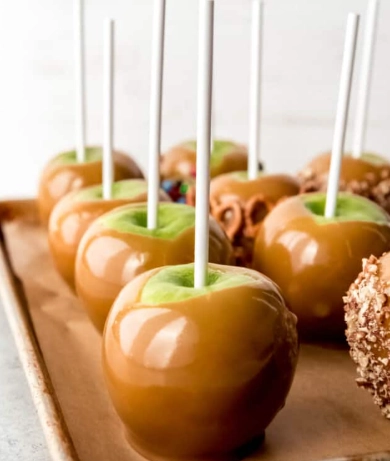
The Top Apple Varieties for Caramel Apples: A Side-by-Side Comparison
Forget the generic "use a green apple" advice. Here’s a detailed breakdown of the top contenders, based on texture, flavor, availability, and how they behave under caramel.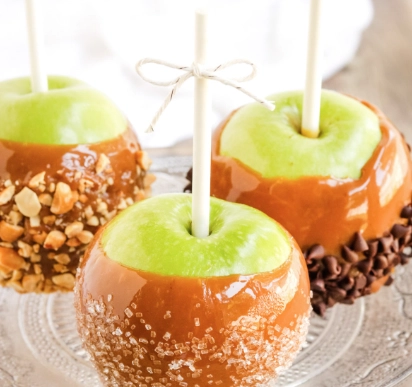
| Apple Variety | Flavor Profile | Texture & Firmness | Best For | Potential Drawback |
|---|---|---|---|---|
| Granny Smith | Very tart, bright, tangy | Extremely firm and crisp | The classic choice. Perfect for a strong sweet-tart contrast. Holds toppings superbly. | Can be too sour for some, especially kids. Skin is thick. |
| Fuji | Very sweet, honey-like | Super crisp and dense | If you or your family prefer less tartness. Incredible crunch that lasts for days. | The high sweetness means your overall treat will be very sweet. Balance with salty toppings. |
| Honeycrisp | Sweet with a hint of tartness | Explosively crisp, juicy | The crowd-pleaser. Excellent flavor balance and that famous satisfying crunch. | Price. It's often the most expensive. Also, its juiciness requires very thorough drying. |
| Pink Lady (Cripps Pink) | Tangy-sweet, complex | Remarkably firm and crisp | A gourmet option. Holds shape perfectly, and the flavor is fantastic with caramel. | Not always available year-round in all regions. |
| Braeburn | Balanced sweet-tart, spicy | Firm, crisp, less juicy | A hidden gem. Its lower moisture content is a secret weapon for superior caramel grip. | Can have a thicker skin. Flavor mellows in storage. |
| Gala | Mild, sweet, aromatic | Moderately crisp | A decent, kid-friendly backup if the top choices aren't available. Use smaller ones. | Flesh can be softer. Avoid large Galas as they may not hold up as well. |
My personal workhorse is the Honeycrisp when I'm making them for a party—everyone loves it. But when I'm testing a new, heavy-topping recipe, I always go back to the Granny Smith for its reliability. For a real pro tip, try a mix. Use tart apples for adults and sweeter Fujis for the kids' batch.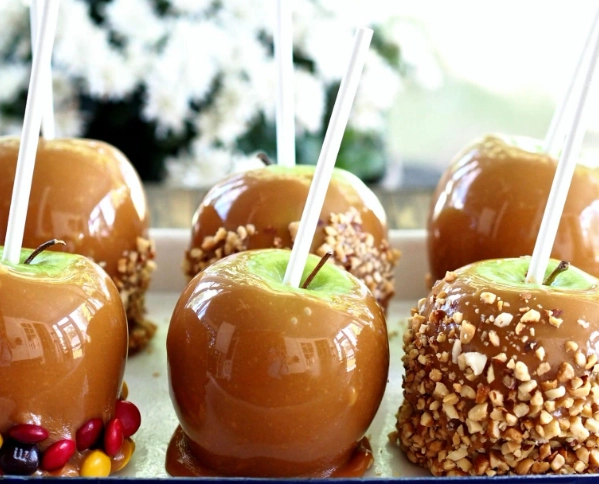
The Regional Wildcard: Ask Your Local Orchard
Don't sleep on local varieties. Visit a farm stand or orchard and ask: "What's your firmest, tartest apple right now that's good for caramel apples?" You might discover a new favorite like a Mutsu or a Newtown Pippin. These often have the ideal structure and aren't bred for long shelf life, which sometimes means better texture.
3 Common Mistakes Everyone Makes (And How to Avoid Them)
I've seen these errors ruin countless otherwise good caramel apples.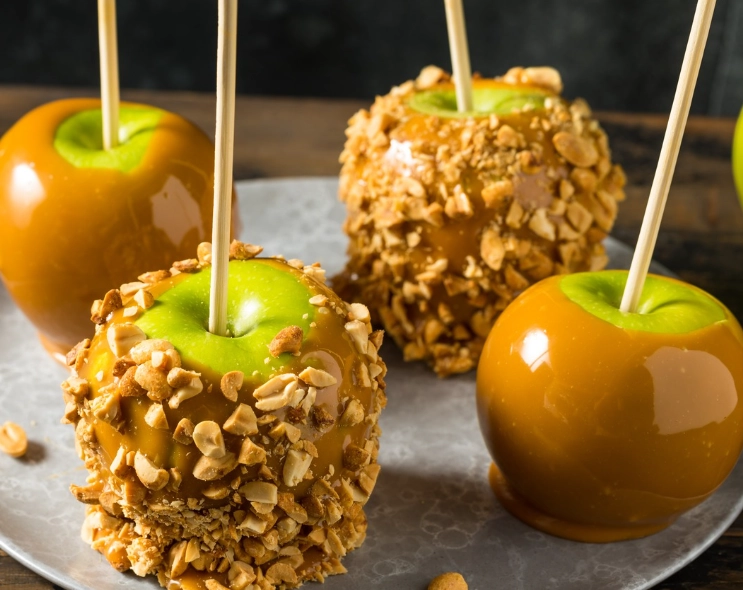
Mistake #1: Skipping the Wash AND Dry. You wash to remove the wax. But the critical step almost everyone rushes is drying. Any surface moisture is caramel kryptonite. After washing, dry each apple obsessively with paper towels. Then let them sit on a rack for 10 minutes to air-dry completely. I'm not kidding—pat, air, repeat.
Mistake #2: Using Apples Straight from the Fridge. Cold apples cause the warm caramel to seize up and thicken too quickly, resulting in a thick, gloopy, uneven coat. Take your apples out of the fridge at least 1-2 hours before you start. Room temperature apples allow the caramel to flow on smoothly and thinly.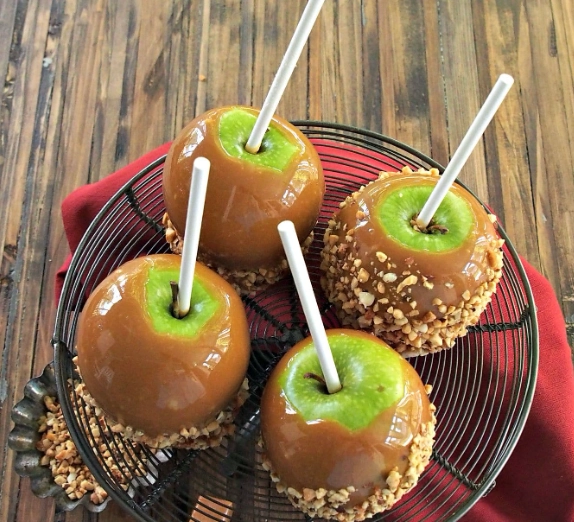
Step-by-Step: How to Prep Your Apples for Perfect Adhesion
Here's my non-negotiable prepping routine. It adds 15 minutes but saves you from heartache.
- Source: Buy apples 1-2 days ahead. Fresh-from-the-orchard is great, but sometimes apples straight off the tree are extra juicy. Letting them sit a day can help.
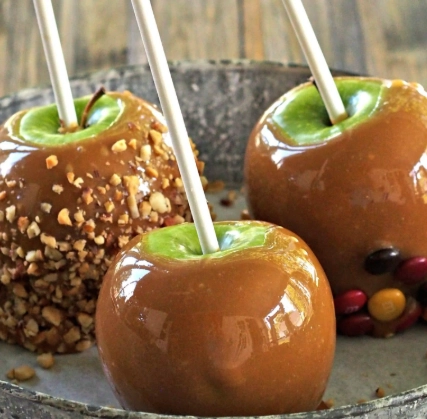
- Wash: Use very warm water and a good scrub brush. You're trying to remove the natural wax and any polish. A drop of dish soap helps, but rinse thoroughly.
- The Dry: As mentioned, towel dry like you're polishing fine china. Get the stem area, the bottom, everywhere.
- Stem Removal: Pull out the stem. It creates a flat spot for the stick and removes a moisture trap.
- Stick Insertion: Push your popsicle stick or wooden skewer in about two-thirds of the way into the stem end. Give it a slight wiggle to secure it, but don't crack the apple. If it feels loose, it will be loose under the weight of the caramel.
Now your apples are a blank, dry, stable canvas ready for caramel.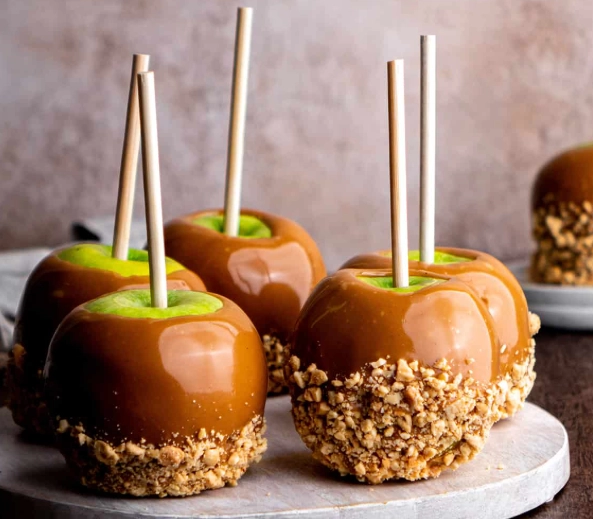
Your Caramel Apple Questions, Answered
Why do my caramel apples get soft and soggy the next day?
This is almost always a moisture issue. Either the apple itself was too juicy (avoid McIntosh, Red Delicious), it wasn't dried thoroughly enough, or the caramel didn't fully seal the apple. The caramel acts as a barrier. A thin, complete seal is better than a thick, patchy one. Storing them in a single layer, not touching, in a cool, dry place (not the fridge, which can create condensation) also helps.
Can I use pre-sliced apple wedges for caramel apple bites?
You can, but it's a different game. The exposed flesh browns and releases moisture much faster. To make it work, pat the cut surfaces bone dry right before dipping, and use a slightly thicker caramel. Serve them immediately—they don't store well. Frankly, it's more work for a less satisfying result. I prefer using whole mini-apples.
If I can only find one type of apple at the store, which should it be?
Granny Smith. It's the most widely available apple that consistently has the necessary firmness and acidity. Its reliability is why it's the industry standard for professional candy apple makers. If you see Granny Smiths, you're in safe territory.
Are organic apples better for caramel apples?
Not necessarily "better" in terms of structure, but they often have less wax coating to deal with, which makes the washing step easier. The wax on conventional apples is food-safe, but it's a barrier you must scrub off. If your organic apples are a firm variety like Braeburn or Pink Lady, go for it. But a soft organic apple is still a bad choice.
How far in advance can I make caramel apples?
With the right apple (Fuji, Granny Smith, Braeburn) and perfect prep, they can look good for 2-3 days. However, the texture starts to change after 24 hours. The apple slowly steams inside its shell, and the caramel can soften. For absolute peak quality, make them the day you plan to serve them. The apples can be prepped and dried the day before, then dipped day-of.
Reader Comments