Kiwi season generally runs from late fall through winter, with peak freshness hitting from November to March in the Northern Hemisphere. But it’s not that simple—depending on where you live and the kiwi variety, timing can shift. I learned this the hard way after buying tasteless, rock-hard kiwis in July, thinking they were fine. Let’s dive into the details so you never make that mistake.
What You’ll Find in This Guide
The Kiwi Calendar: When Are Kiwis Actually in Season?
Most people assume kiwis are available year-round, and they are—thanks to global imports. But for flavor and texture, nothing beats locally grown kiwis in their prime season. According to seasonal guides from agricultural sources like the USDA, kiwifruit (Actinidia deliciosa) thrives in temperate climates, with harvests peaking in autumn.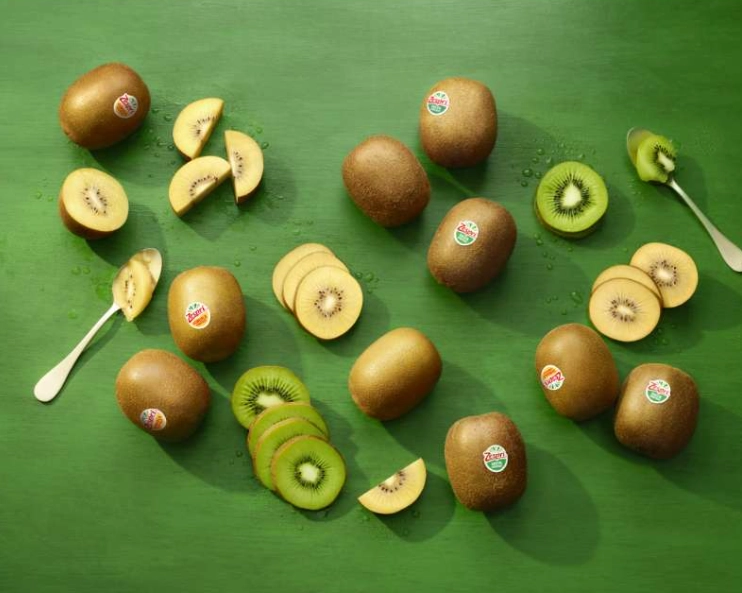
Northern Hemisphere vs. Southern Hemisphere
In the Northern Hemisphere, including the U.S. (California is a big producer), Italy, and Greece, kiwi season typically starts in October and runs through April. The sweet spot is November to February. I’ve found that kiwis from California hit markets in late fall, often around Thanksgiving, and stay good through winter.
Down in the Southern Hemisphere, like New Zealand (where kiwis are iconic), season flips: harvest is from May to October, with peak supply from June to August. So if you’re buying imported New Zealand kiwis in the U.S. summer, they might be in season there, but shipping can affect quality.
Different Kiwi Varieties and Their Seasons
Not all kiwis are the same. The common green kiwi (Hayward) dominates, but golden kiwis and baby kiwis have slightly different timelines. Here’s a quick table based on my observations and industry reports:
| Kiwi Variety | Peak Season | Notes |
|---|---|---|
| Green Kiwi (Hayward) | November - March | Most widely available; firm texture, tangy-sweet flavor. |
| Golden Kiwi | December - April | Smoother skin, sweeter taste; often pricier. |
| Baby Kiwi (Hardy Kiwi) | September - October | Small, edible skin; shorter season, more niche. |
Pro tip: Check labels for origin. If it says “California” and it’s November, you’re likely getting peak-season fruit. I once bought New Zealand kiwis in December—they were fine, but the local ones had more punch.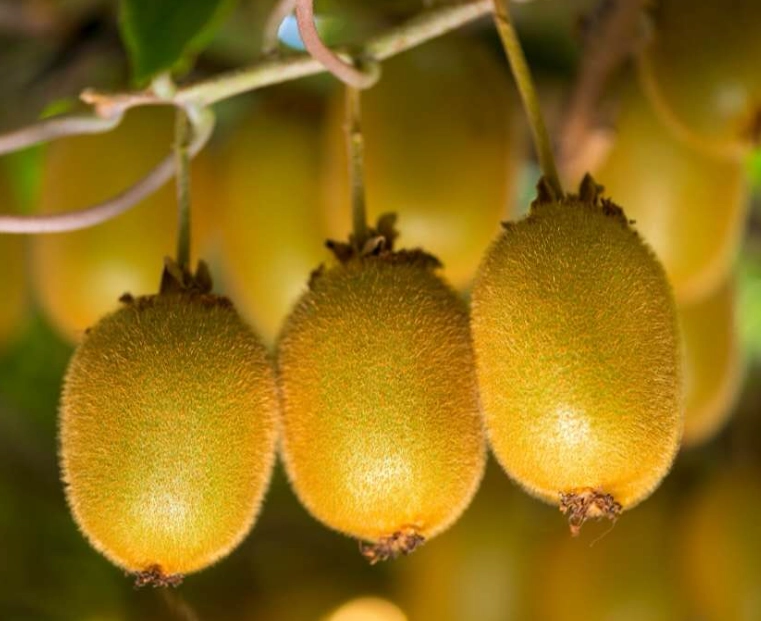
How to Pick the Perfect Kiwi: A Shopper’s Checklist
Even in season, picking a good kiwi can be tricky. Most guides tell you to look for firmness, but that’s only half the story. Here’s what I’ve learned from years of trial and error.
Visual and Tactile Cues
Start with the skin: it should be brown and slightly fuzzy for green kiwis, with no wrinkles or soft spots. Wrinkles mean it’s overripe or old. Give it a gentle squeeze—it should yield slightly, like a ripe avocado. If it’s rock-hard, it’s underripe; if it’s mushy, pass.
Golden kiwis have smoother, bronze skin and feel firmer when ripe. Don’t judge by size; bigger isn’t always better. I’ve seen small kiwis pack more flavor.
Common Mistakes to Avoid
Many shoppers ignore the stem end. If it’s shriveled or moldy, the kiwi might be past its prime. Also, avoid kiwis stored near ethylene-producing fruits like apples in stores—they can overripen quickly. I made this mistake once, and my kiwis turned soggy in two days.
Another nuance: kiwis don’t sweeten much after picking, unlike bananas. So if it’s hard and tart, it might stay that way. Opt for ones that already have a slight give.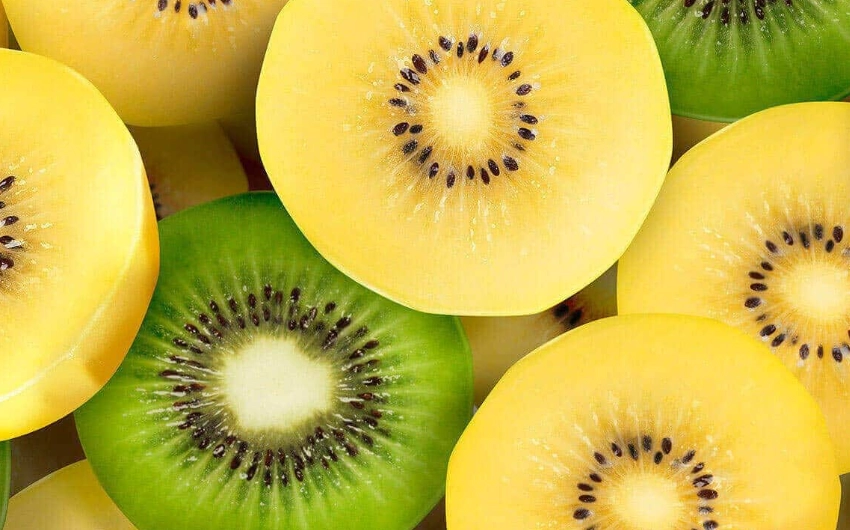
Expert Insight: Most people refrigerate kiwis immediately, but that can dull the flavor. For peak taste, let them sit at room temperature for a day after buying if they’re underripe.
Storing Kiwis: From Rock-Hard to Juicy Perfection
Storage makes or breaks your kiwi experience. I’ve ruined batches by doing it wrong. Here’s how to get it right.
Ripening Techniques
If your kiwis are hard, don’t despair. Place them in a paper bag with a banana or apple. The ethylene gas speeds up ripening. Check daily—they can go from hard to overripe in 48 hours. Once they yield to pressure, they’re ready.
I tried the countertop method alone; it took a week. The bag trick cuts it to 2-3 days. But avoid plastic bags; they trap moisture and cause mold.
Long-Term Storage Options
Ripe kiwis last about 5-7 days at room temperature. For longer storage, refrigerate them in the crisper drawer. They can keep for up to 4 weeks, but flavor fades after two. I’ve found that slicing and freezing kiwis works for smoothies, but thawed, they’re mushy—best for cooking.
Don’t wash kiwis until ready to eat. Moisture invites spoilage. And keep them away from strong-smelling foods; kiwis absorb odors easily.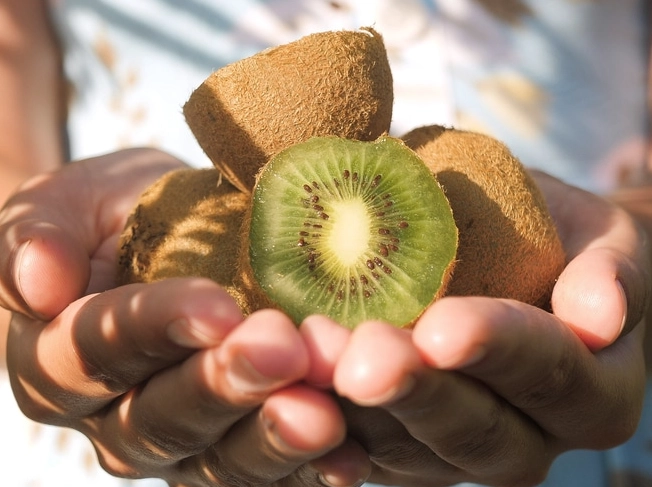
Kiwi in the Kitchen: Simple and Stunning Recipes
Kiwi season isn’t just about eating them raw. Their bright, tangy flavor shines in dishes. Here are three easy recipes I swear by, perfect for fall gatherings.
Kiwi Salsa for Tacos
This is a game-changer. Dice 2 ripe kiwis, mix with 1/4 cup chopped red onion, 1 jalapeño (seeded), cilantro, lime juice, and salt. Serve with fish tacos—the acidity cuts through richness. I made this for a party, and it disappeared fast.
Green Kiwi Smoothie Bowl
Blend 2 frozen bananas, 1 kiwi, a handful of spinach, and 1/2 cup almond milk until smooth. Top with sliced kiwi, granola, and chia seeds. It’s a nutrient-packed breakfast that feels indulgent.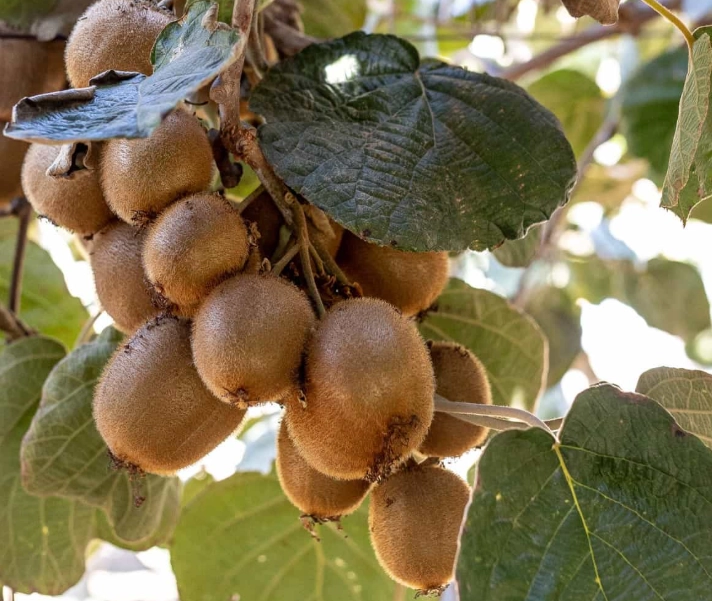
Kiwi and Mint Salad
Slice 3 kiwis and toss with mixed greens, feta cheese, and a dressing of olive oil, lemon juice, and chopped mint. The mint enhances the kiwi’s freshness. I love this as a light side dish in winter when greens are scarce.
These recipes use simple ingredients but highlight kiwi’s versatility. No fancy skills needed.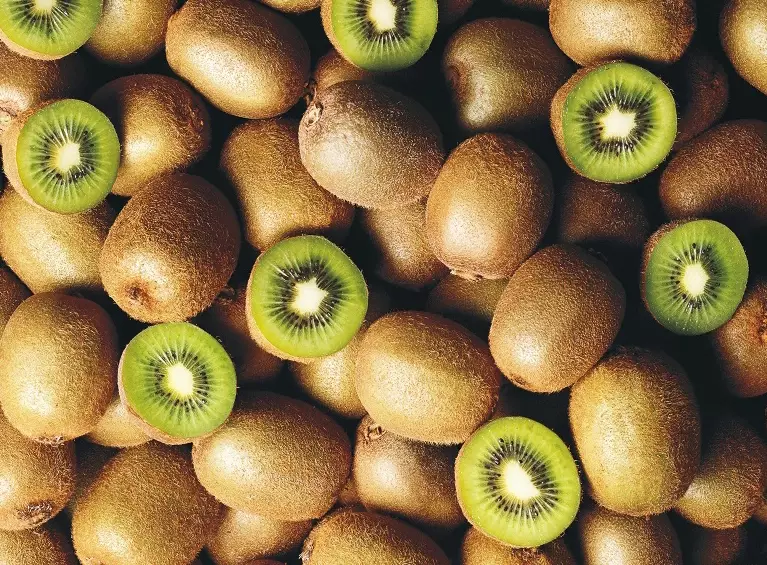
Frequently Asked Questions About Kiwi Season
Kiwi season is more than a calendar note—it’s about savoring fruit at its best. By timing your buys, picking wisely, and storing right, you’ll enjoy kiwis that burst with flavor. Next time you’re at the store, remember: November to March is your window for green kiwis, and don’t shy away from trying golden ones in winter. Happy eating!
Reader Comments