Let's be honest: squash plants are space hogs. One summer, I watched my butternut squash vines completely engulf my garden path, smothering my poor kale and making it impossible to walk through without a machete. The harvest was decent, but half the fruits had ugly yellow spots from sitting on damp soil. There had to be a better way. Enter the humble squash trellis.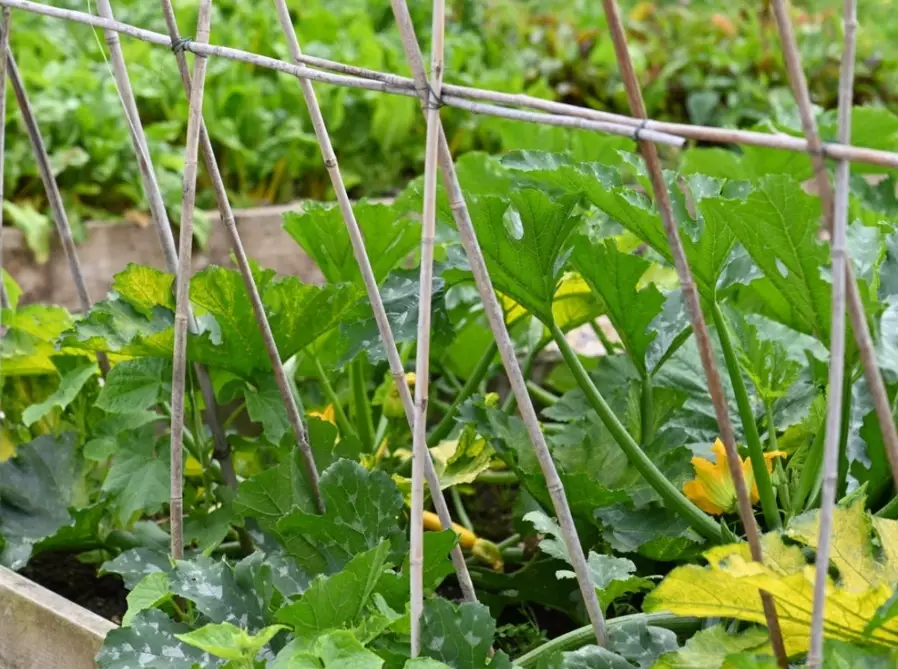
Forget the sprawling jungle. Training squash to grow vertically isn't just a cute gardening hack; it's a game-changer for yield, health, and your garden's real estate. You get more squash in less space, and the fruits are cleaner, straighter, and less prone to rot. Air circulates better, slashing the risk of powdery mildew that plagues so many summer squash plants.
What's Inside This Guide
Why Bother with a Squash Trellis? The Real Benefits
It's more than just looking neat. A trellis solves multiple problems at once.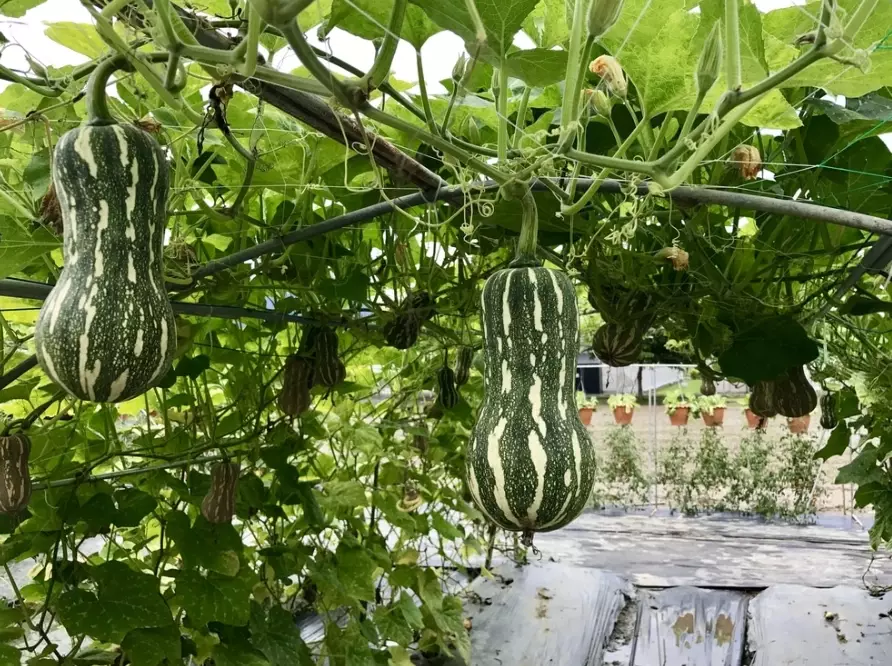
First, space. In a small urban garden or raised bed, horizontal space is gold. By going vertical, you free up the ground for other crops. I turned a 4x4 foot squash patch into a 4x1 foot planting row, with the vines climbing 6 feet up. That freed up room for a whole new bed of salad greens.
Second, plant health. Squash leaves are big. When they're all bunched up on the ground, they create a humid microclimate underneath – a perfect spa day for fungal diseases like powdery mildew and downy mildew. Up on a trellis, the breeze gets through, leaves dry faster, and disease pressure plummets.
Third, fruit quality. Squash lying on wet soil rot. They get chewed on by slugs and pill bugs. They can grow into weird, lumpy shapes. Hanging fruit is straight, clean, and has fewer blemishes.
And there's a hidden fourth benefit: harvesting is easier. No more bending over and hunting through a sea of prickly leaves. The fruits hang right there at eye level.
Choosing Your Squash Trellis Design
Not all trellises are created equal. The best one for you depends on your space, budget, and how permanent you want it to be.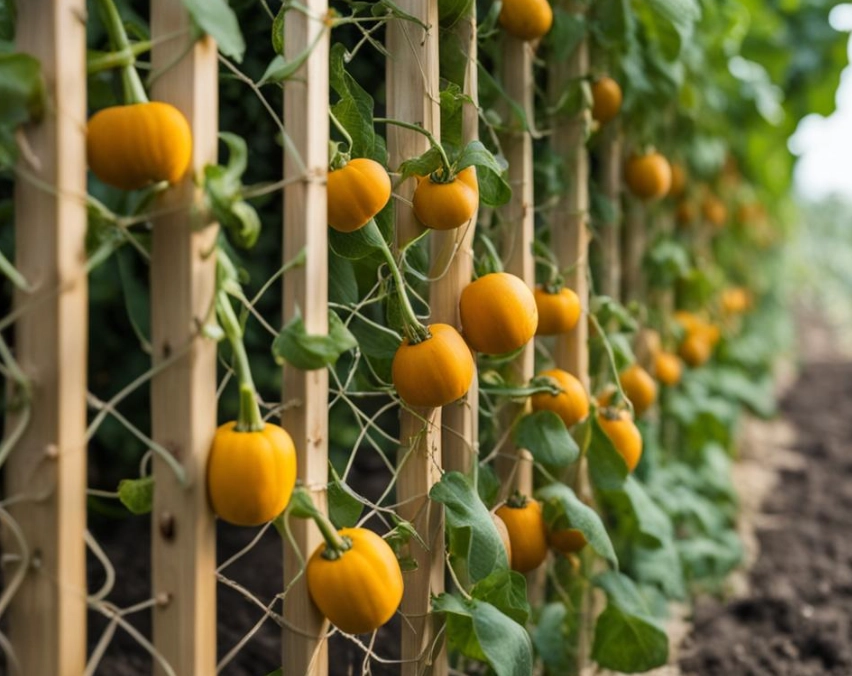
Material Showdown: What Holds Up a Heavy Squash?
This is critical. A flimsy trellis loaded with mature winter squash will collapse. I learned this the hard way with a bamboo teepee that gave up halfway through August.
| Material | Best For | Cost | Durability |
|---|---|---|---|
| Cattle Panel / Hog Panel | The ultimate DIY choice. Incredibly strong, pre-formed grid. | Medium ($20-$30 per panel) | 10+ years (galvanized steel) |
| Treated Lumber (2x2" or 2x4") | Permanent A-frame or wall trellises. | Medium-High | 10-15 years |
| Metal T-Posts & Twine/Net | Temporary, low-budget setups. Great for rental gardens. | Low | Seasonal (re-tie twine yearly) |
| Cedar or Redwood | Beautiful, rot-resistant permanent structures. | High | 15+ years |
| Nylon Trellis Netting | Lightweight summer squash or zucchini only. | Very Low | 1-3 seasons |
My personal favorite is the cattle panel arch. You bend a 16-foot panel into an arch and secure the ends into the ground. It creates a stunning tunnel of squash. The strength is unbeatable for the price.
Popular Designs
The A-Frame: Classic and sturdy. Two rectangular frames hinged at the top. Perfect for straddling a garden bed.
The Lean-To: Attached to a fence, shed, or house wall. Saves materials but ensure it gets enough sun.
The Obelisk/Teepee: Good for a single plant centerpiece, but ensure the legs are strong and sunk deep.
The Vertical Wall: A simple grid attached to posts. The cleanest look for a straight garden row.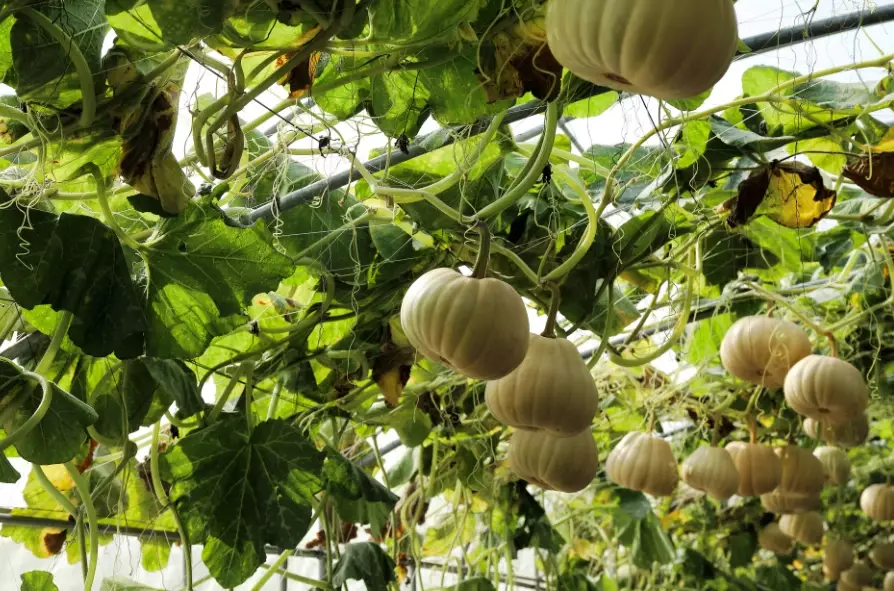
How to Build a Simple Squash Trellis in 5 Steps
Let's build a sturdy, no-fail vertical wall trellis. This design works against a fence or as a freestanding row. I'll base this on using 4x4" posts for the uprights and 2x2" lumber for the crosspieces – it'll hold dozens of pounds of squash.
Materials List (for an 8-foot long trellis):
- (2) 4x4" pressure-treated posts, 8 feet long
- (2) 2x2" pressure-treated lumber, 8 feet long (for top and bottom rails)
- (4-5) 2x2" pressure-treated lumber, cut to your desired height (for vertical supports, typically 6-7 feet)
- Galvanized deck screws (3.5" and 2.5")
- Concrete mix or gravel for setting posts (optional but recommended)
- Heavy-duty garden twine or wire mesh for the climbing surface
Step 1: Set the Posts. Decide where your trellis will go. Dig two holes about 2 feet deep and 8 feet apart. Place the 8-foot 4x4 posts in the holes. Use a level to make sure they're perfectly vertical. Pour in concrete mix according to package directions, or backfill with soil and tamp in gravel for drainage. Let concrete cure for 24-48 hours.
Step 2: Attach the Top and Bottom Rails. Screw the 8-foot 2x2" rails horizontally between the posts, one at the top (about 6-7 feet high) and one about 1 foot off the ground. Use two 3.5" screws at each joint.
Step 3: Add Vertical Supports. Space your cut 2x2" vertical pieces evenly (every 18-24 inches) between the top and bottom rails. Screw them into the rails using 2.5" screws. This creates your basic grid frame.
Step 4: Create the Climbing Surface. This is what the vines will actually grab. You have options. For a super cheap version, staple or tie heavy-duty garden twine in a grid pattern between the frame members. For a more permanent and easier-to-climb surface, attach a piece of galvanized wire mesh (like 2"x4" livestock fencing) or a plastic-coated wire grid to the front of the frame using fencing staples or zip ties.
Step 5: Anchor the Base (Optional but Smart). For freestanding trellises, especially in windy areas, drive a 2-foot piece of rebar into the ground next to each post and attach it with heavy-duty wire or a metal strap. This prevents the whole thing from tipping forward when the vines get heavy on one side.
Total cost for this build? Around $60-$80 if you buy everything new, and it'll last for years. Time investment: a solid Saturday morning.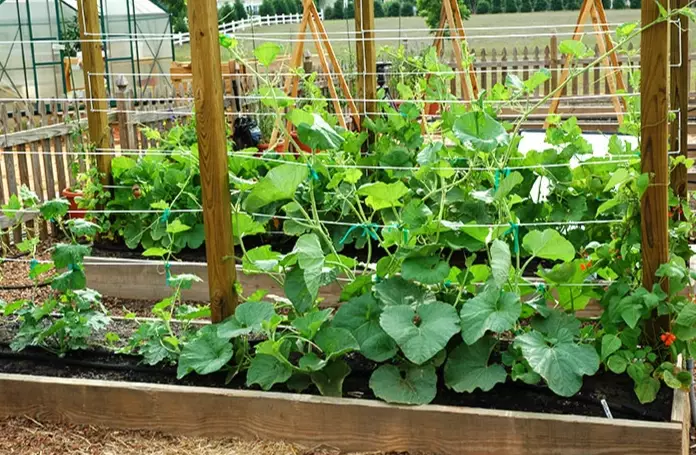
Planting and Training Your Squash on the Trellis
Building it is half the battle. Now, you have to work with the plant.
Planting at the Base
Plant your squash seeds or seedlings about 2-3 feet apart along the base of the trellis. Don't crowd them! They still need airflow. Water them in well and consider adding a thick layer of mulch to retain moisture and suppress weeds.
The Gentle Art of Training Vines
Squash vines don't cling like peas or beans. You have to help them. As the main vine grows, gently weave it through the lower sections of your trellis grid or tie it loosely with soft plant ties (old strips of cloth work great). Don't force it; just guide it. The plant will start sending out tendrils that will latch onto the wire or twine.
Check on them every few days. New growth is flexible and easy to direct. Old growth gets stiff and can snap if you bend it too aggressively.
Supporting the Heavy Fruit
This is the non-negotiable step most beginners skip. A young zucchini is light. A mature butternut squash can weigh 3-5 pounds. That weight will either snap the vine or pull your whole trellis out of alignment.
When a fruit starts to swell and is about the size of your fist, it's time to give it a sling. Take an old piece of stretchy fabric (t-shirt material is perfect), pantyhose, or a mesh onion bag. Create a hammock that cradles the fruit and tie the ends securely to the trellis. The trellis now bears the weight, not the vine stem.
It looks a bit funny – like your squash is in a little swing – but it prevents heartbreak at harvest time.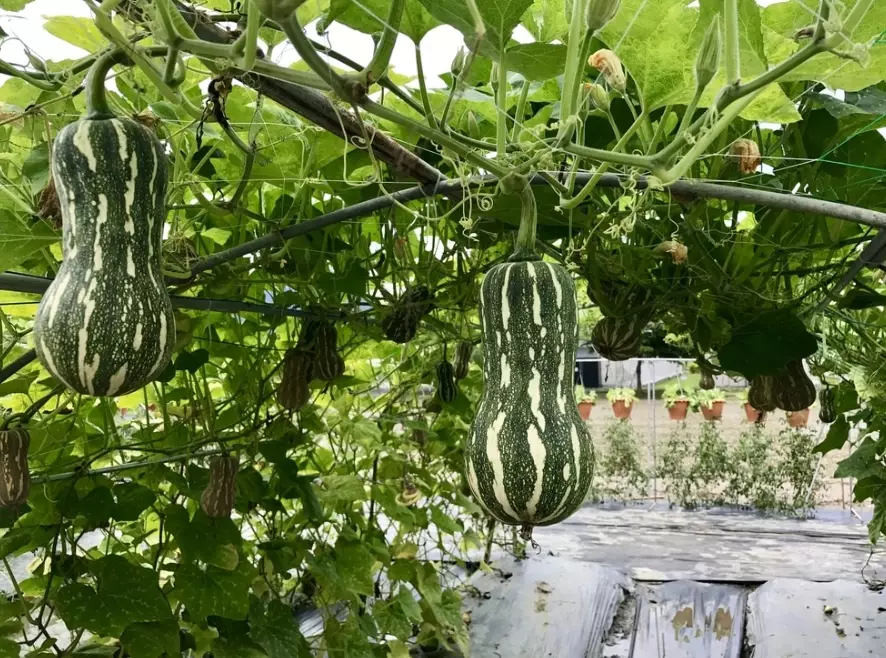
Common Squash Trellis Questions Answered
Look, transitioning to vertical growing has a learning curve. Your first trellis might be over-engineered or a bit wobbly. That's okay. The payoff is immense: a garden that feels more organized, plants that stay healthier with less spray, and a harvest of beautiful, blemish-free squash that stores perfectly for your favorite fall recipes.
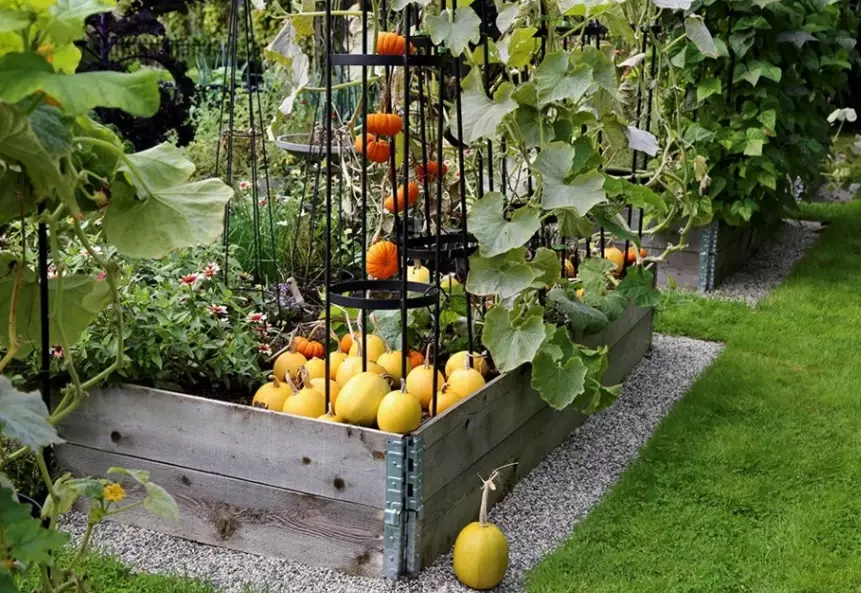 Start small. Try a single cattle panel arch with one butternut plant this season. You'll see the difference, and next year, your whole garden might just start climbing.
Reader Comments