
Ask ten bakers, and you might get ten different answers. Granny Smith! Honeycrisp! Braeburn! The truth is, the quest for the perfect apple pie apple is less about finding a single champion and more about understanding a balancing act. After baking what felt like a hundred pies (and eating the evidence), I've landed on a conclusion that might surprise you: the best apple for apple pie is almost never a single variety. It's a blend. But if you forced me to pick one for a classic, sturdy, flavorful pie, I'd point you towards Granny Smith mixed with a sweeter, softer apple. Here's why, and how to make the choice that's right for your taste.
Quick Navigation: Your Pie Apple Cheat Sheet
The Science Behind the Slice: What Makes an Apple "Good" for Pie?
Forget just sweet or sour. We need to talk about structure. A great pie apple needs three things:
- Flavor that holds up: It shouldn't turn into bland mush. Tart apples (high acid) keep their character against sugar and spice.
- Texture that softens but doesn't vanish: You want tender, distinct slices, not applesauce or tooth-breaking chunks.
- Low water content: This is the biggest rookie mistake people don't talk about. Juicy apples like Red Delicious release a flood of liquid, steaming the bottom crust into a soggy mess before the filling thickens. A study from the USDA's Agricultural Research Service on fruit composition highlights how moisture content varies wildly between cultivars.
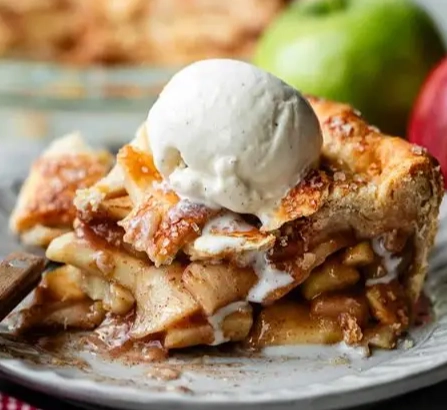
The magic happens in the oven. Apples contain pectin and starch. When heated, the cells break down (that's the softening), and the starch gelatinizes, helping to thicken the released juices. A firm, low-moisture apple has more structure to begin with, so it breaks down in a controlled way, leaving you with a filling that's cohesive, not watery.
I learned this the hard way. My early pies were soupy disasters because I used whatever looked good at the store. The apples practically dissolved.
Apple Pie Hall of Fame: A Detailed Breakdown of Top Contenders
Let's get specific. Here’s a breakdown of the usual suspects, based on my own kitchen trials and notes from resources like University of Minnesota Extension publications on apple varieties.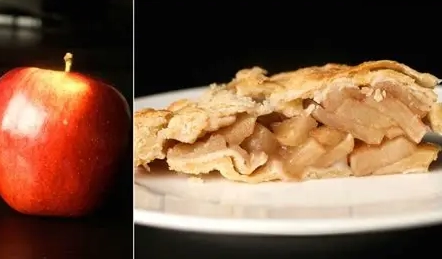
| Apple Variety | Flavor Profile | Texture When Baked | Moisture Level | Best Used For... | My Personal Rating (1-10) |
|---|---|---|---|---|---|
| Granny Smith | Very tart, bright, tangy | Holds shape exceptionally well, softens nicely | Low | The backbone of any blend; perfect for those who love tangy pie. | 9 (as a mixer) |
| Honeycrisp | Extremely sweet, mildly tart, aromatic | Can get a bit mushy if overcooked, but flavorful | Medium-High | Adding sweetness and complex flavor to a blend. Use with a firmer apple. | 7.5 |
| Braeburn | Sweet-tart balance, spicy notes | Firm, holds its slice definition perfectly | Medium-Low | A fantastic single-variety option or blend component. | 8.5 |
| Jonagold | Sweet with honey notes, slight tartness | Softens well, can break down a bit | Medium | Blending; its flavor is superb. | 8 |
| Northern Spy | Tart, complex, old-fashioned flavor | Legendary for holding shape. The gold standard for texture. | Low | Purist pies where distinct slices are key. Harder to find but worth it. | 9.5 |
| Golden Delicious | Mild, sweet, buttery | Softens almost completely, becoming creamy | Medium | Creating a smoother, more uniform filling in a blend. | |
| Rome | Mildly tart, plain | Very firm, holds shape almost too well | Low | Good for structure, but lacks exciting flavor on its own. Best blended. |
See that? No one apple gets a perfect 10. Granny Smith has the acid and structure but can be too one-note tart for some. Honeycrisp has amazing flavor but risks mushiness. That's the clue.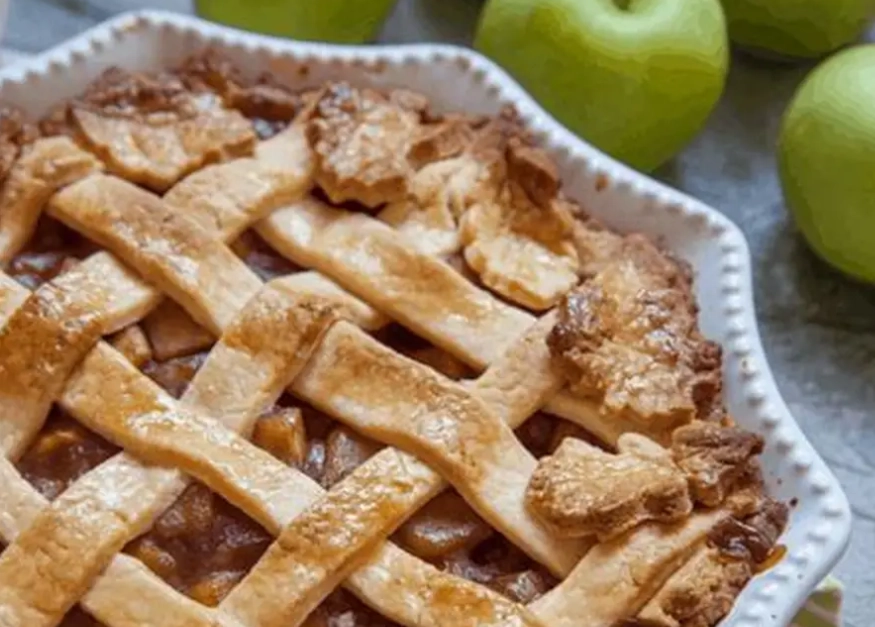
The Power of the Two-Apple Blend
This is the pro move. Combine a firm, tart apple (for structure and bright flavor) with a sweeter, softer apple (for complexity and creaminess). The tart apple's pectin and low moisture help manage the juiciness of the sweeter one. My go-to blend is 60% Granny Smith or Braeburn with 40% Honeycrisp or Jonagold. The result is a filling with depth, balanced sweetness, and perfect texture.
I once made two identical pies side-by-side—one with only Granny Smith, one with a Granny Smith/Honeycrisp blend. The blend pie disappeared twice as fast. The flavor was just more interesting.
How to Choose the Right Apple for Your Pie (A Practical Guide)
Don't just grab bags blindly. Here's what to do at the store or orchard: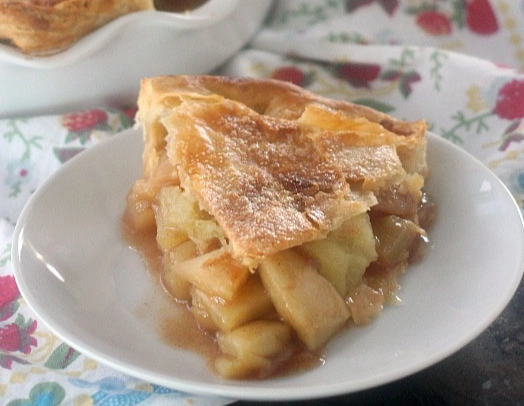
First, feel it. A good pie apple should feel dense and heavy for its size, not light or puffy. That indicates lower moisture content.
Ask what's local and in season. Fall apples (harvested September-November in the Northern Hemisphere) have better flavor and starch content than apples that have been in storage for months. A fresh-picked McIntosh from an orchard in October behaves differently than one from the supermarket in July.
Embrace the ugly apple. Supermarket apples are often waxed and bred for looks and crunch in a salad. Orchard apples or "heirloom" varieties at a farmer's market might have spots or irregular shapes, but they frequently have superior flavor and baking qualities. Northern Spy is rarely pretty, but it's a pie legend.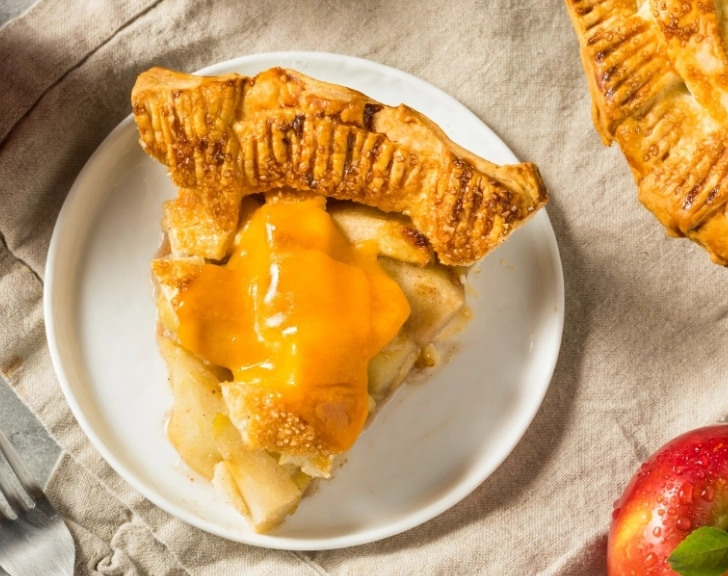
The One Apple I Avoid for Pie
Red Delicious. Let's be blunt. It's terrible for baking. It's bred for a thick, crunchy skin and mild sweetness, with a high water content and mealy flesh that turns into flavorless, wet cotton in a pie. Using it is the fastest route to a soggy bottom. Save it for the lunchbox.
The Secret to a Perfect, Non-Soggy Filling (Beyond the Apple)
Choosing the right apple is 70% of the battle. The other 30% is what you do with it.
Don't skip the maceration. Toss your sliced apples with the sugar and spices and let them sit for 30-60 minutes. They'll release a surprising amount of juice. Then, drain that juice into a saucepan, reduce it to a syrup (this concentrates the flavor immensely), and pour it back over the apples before filling the crust. This step alone prevents excess free liquid from flooding your pie.
Use the right thickener. Cornstarch and tapioca starch are common. I prefer a mix of 2 tablespoons of cornstarch and 1 tablespoon of minute tapioca for a standard 9-inch pie. The tapioca gives a clearer, glossier set and holds up better to very juicy fruits. Flour can give a cloudy, pasty texture if you're not careful.
Pre-cook your filling? A controversial tip. Many classic recipes say no. But for extremely juicy blends, I sometimes sauté the apples in a skillet for 5-7 minutes just to drive off some initial moisture and jump-start the softening process. It gives you more control. Purists hate this, but my crusts stopped being soggy when I started doing it.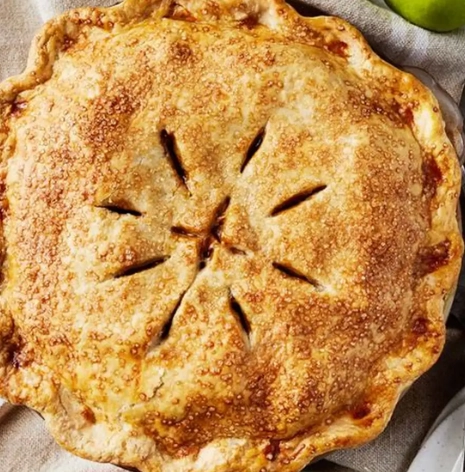
Your Apple Pie Questions, Answered
Can I use regular grocery store apples like Gala or Fuji for pie?
My apple pie filling is always too watery. Are my apples to blame?
What's the difference between using fresh vs. frozen apples for pie?
Is it worth seeking out heirloom apple varieties for pie?
The bottom line? Stop searching for a mythical "best" apple. Start thinking like a baker. Grab a firm, tart one and a sweet, aromatic one. Treat them right in the kitchen—macerate, thicken wisely. Your reward won't be just a good apple pie. It'll be the best apple pie you've ever made, with a crisp crust and a filling that sings with balanced, complex flavor in every bite.
Reader Comments