You’re standing in the produce aisle, staring at the onion bin. Sweet onions look plump and inviting. Yellow onions are cheaper and seem more versatile. Which one goes in your cart? If you just grab whatever’s closest, you might be setting your next meal up for failure. The truth is, sweet onions and yellow onions are not interchangeable. Picking the wrong one can turn a potentially amazing caramelized onion topping into a bitter mess, or a fresh pico de gallo into an overpowering punch.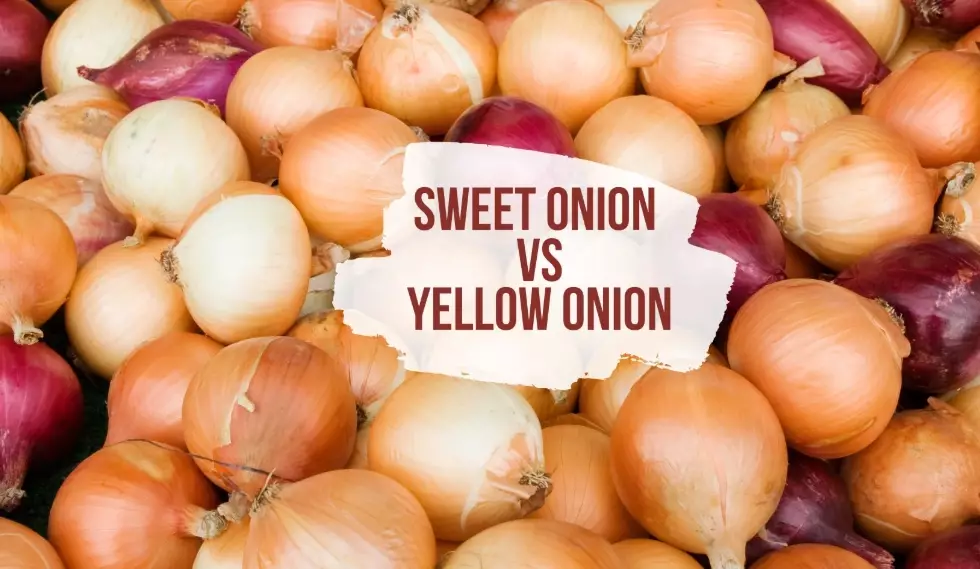
I’ve cooked professionally for over a decade, and I’ve seen this mistake more times than I can count. Home cooks often treat all onions the same, missing out on the unique qualities each brings to the table. This guide will cut through the confusion. We’ll go beyond the basic “sweet for salads, yellow for cooking” advice and dive into the science, the flavor profiles, and the specific scenarios where each onion shines—or falls flat.
What’s Inside This Onion Guide?
Meet the Contenders: A Quick Profile
Let’s get to know our players. This isn't just about color.
Sweet Onions: The Gentle Giant
Think Vidalia (from Georgia), Walla Walla (from Washington), or Maui (from Hawaii). They’re not a single breed but a category defined by low pyruvic acid content—that’s the compound that makes onions sharp and makes you cry. They have a higher water content and sugar content (around 6-12% vs. yellow's ~5-7%). The skin is thinner, often a pale yellow or light brown, and they feel heavier and juicier in your hand. Their season is late spring through summer, but they’re often stored and available year-round.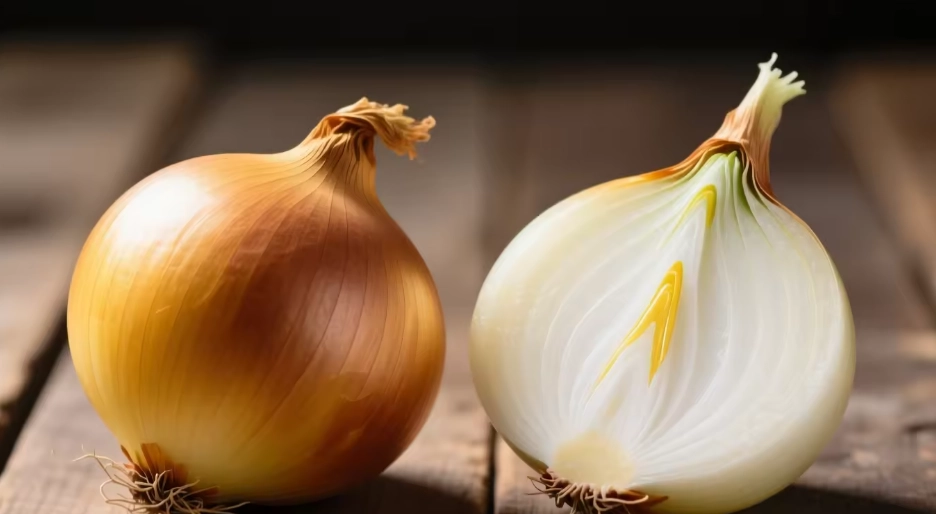
Yellow Onions: The Kitchen Workhorse
This is your standard brown onion, the one you probably buy in a net bag. It’s the most widely cultivated type. Its skin is a darker, papery brown, and it has a denser, firmer flesh. The key here is sulfur compounds and that higher pyruvic acid level. When raw, it’s pungent and spicy. But when cooked low and slow, those harsh compounds break down into incredible sweetness and depth. It’s available everywhere, all year, and is almost always the cheapest option.
The Core Differences: Flavor, Texture, and Chemistry
Here’s where the rubber meets the road. A simple table lays out the battlefield.
| Aspect | Sweet Onion | Yellow Onion |
|---|---|---|
| Raw Flavor | Mild, subtly sweet, almost juicy. Very little “bite.” You can take a bite like an apple (though I wouldn't recommend it as a snack). | Sharp, pungent, spicy. The sulfurous bite is front and center, making your eyes water and clearing your sinuses. |
| Cooked Flavor | Becomes softer, sweeter, but can turn mushy and lose structure with long cooking. The sweetness is immediate and one-dimensional. | Transforms completely. The sharpness mellows into a rich, complex, caramelized sweetness that has more depth and savory notes (umami). |
| Texture | Higher water content = crisper when raw, but becomes soft and can disintegrate faster when cooked. | Denser, firmer. Holds its shape beautifully during prolonged sautéing, roasting, or stewing. |
| Key Chemical | Low pyruvic acid. This is the official measure of “pungency.” Less acid, less burn. | High pyruvic acid. More acid, more initial bite, but more potential for flavor transformation. |
| Shelf Life | Shorter. The high moisture content makes them more prone to mold and sprouting. Use within 1-2 weeks. | Longer. The dry, protective skin and dense flesh allow them to last for months in a cool, dark place. |
Now, a crucial point most blogs miss: the “sweetness” isn’t the same. Sweet onion sugar is simple and upfront. Yellow onion sweetness is earned through the Maillard reaction—a complex chemical process during browning that creates hundreds of new flavor compounds. That’s why a French onion soup made with yellow onions has a profound, savory depth that a sweet onion version would lack.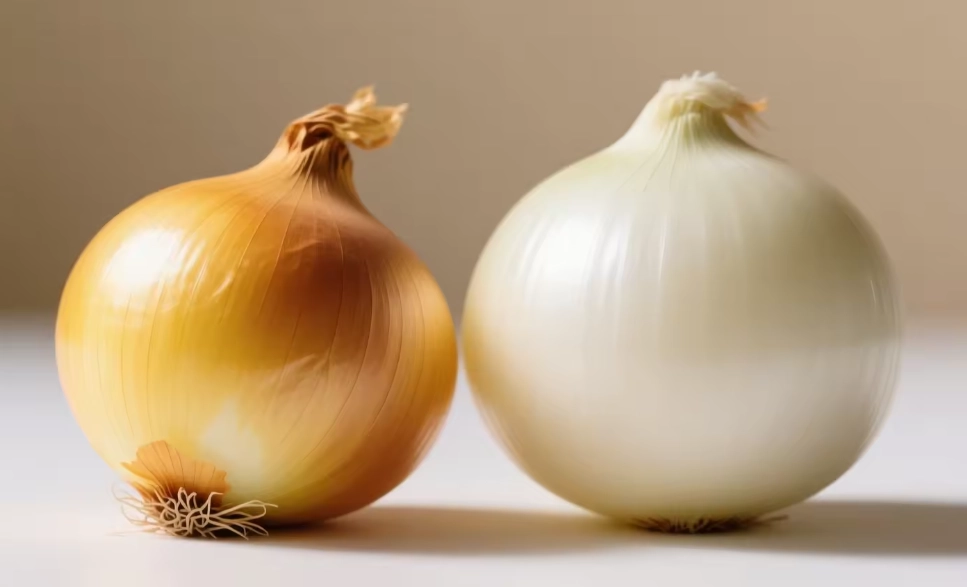
Choosing Your Champion: Best Uses in the Kitchen
Let’s get practical. Here’s how to decide, dish by dish.
When Sweet Onions Are Non-Negotiable
You want their mildness and crisp texture to be the star, not just a background note.
- Fresh, Uncooked Applications: This is their kingdom. Think burger toppings, garden salads, salsa fresca, pico de gallo, onion rings (where you want to taste the onion itself), or sandwiches. They won’t overpower other delicate ingredients.
- Quick-Pickled Onions: They absorb brine quickly and retain a pleasant crunch and gentle flavor.
- Grilling & Quick Sautéing: Thick slices on the grill caramelize nicely on the outside while staying firm-ish inside. A fast sauté for fajitas works because they don’t need long to become tender.
I learned this the hard way early in my career. I used yellow onions in a classic cucumber and tomato salad for a catering gig. The raw pungency completely clashed with the fresh dill and vinegar. The client wasn't happy. Sweet onions were the only correct choice.
When Yellow Onions Are the Undisputed King
You need structural integrity and flavor foundation.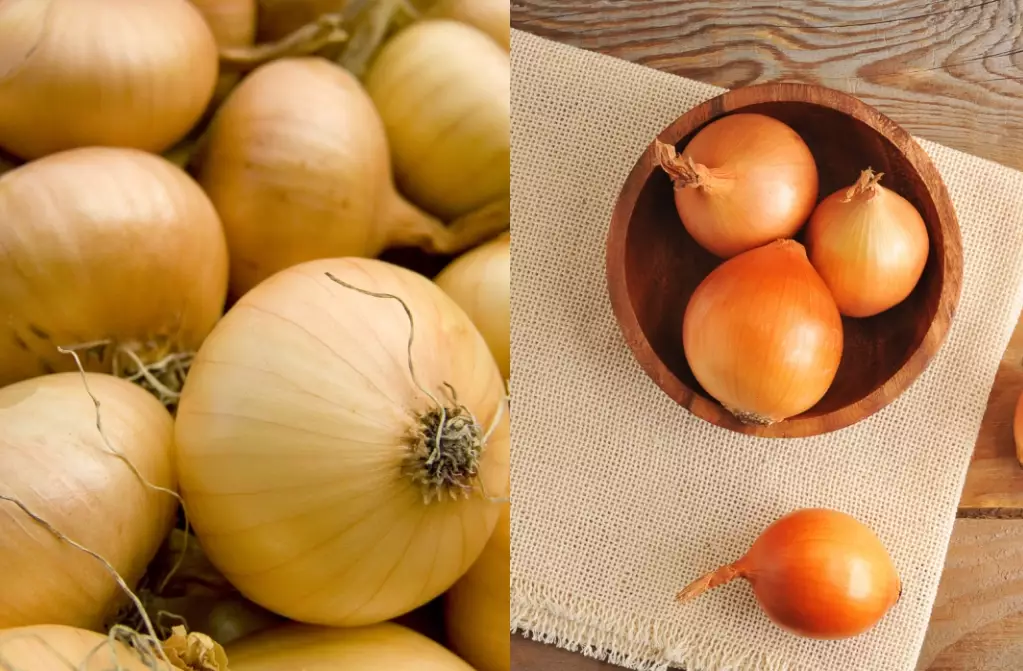
- Soups, Stews, and Braises: They hold their shape for hours, melting into the background while building a rich, savory base. Try making a beef stew with sweet onions—they’ll vanish into mush.
- Caramelized Onions: This is the biggest test. Sweet onions will release too much water, stew in their own juices, and never achieve that deep, sticky, mahogany-brown perfection. Yellow onions, cooked slowly with a pinch of salt, break down their sugars and create that transformative, umami-packed condiment.
- Sauces and Gravies: The fond (browned bits) left from sautéing yellow onions is flavor gold for deglazing.
- Anything that Cooks Longer than 15-20 Minutes: As a general rule, if it’s a long-cooked dish, start with yellow onions.
The Gray Area (Where You Can Choose)
For dishes like stir-fries, omelets, or quick pasta sauces where cooking time is medium, you can use either, but the result will differ. Yellow onion will give a sharper, more savory backbone. Sweet onion will lend a milder, quicker sweetness. Know what you’re aiming for.
Beyond the Basics: Shopping and Storage Wisdom
Picking a good specimen matters just as much as choosing the right type.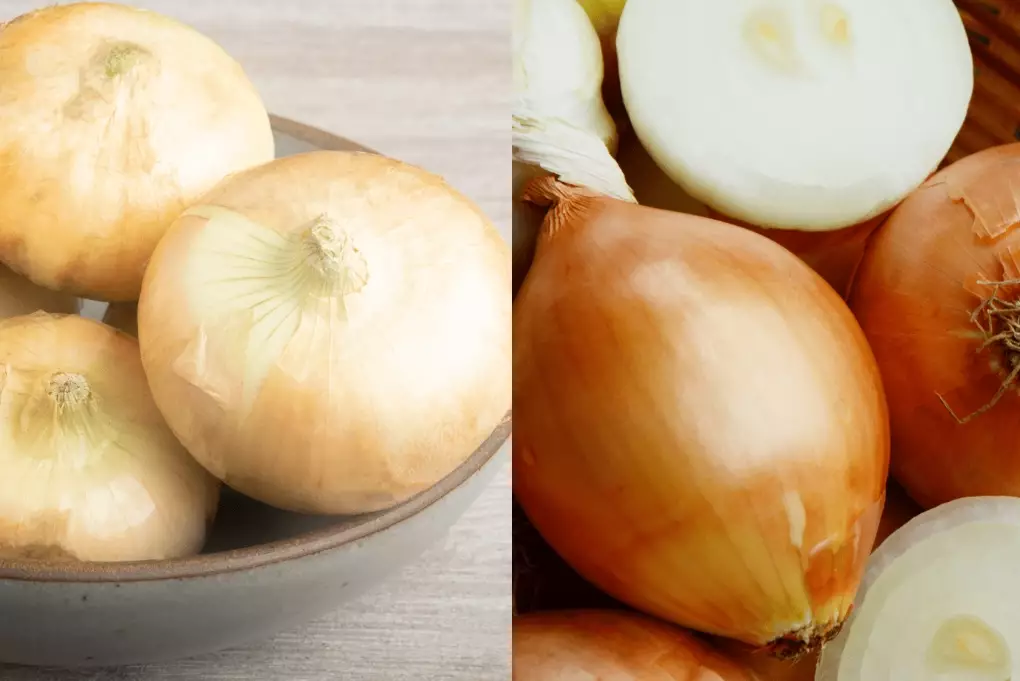
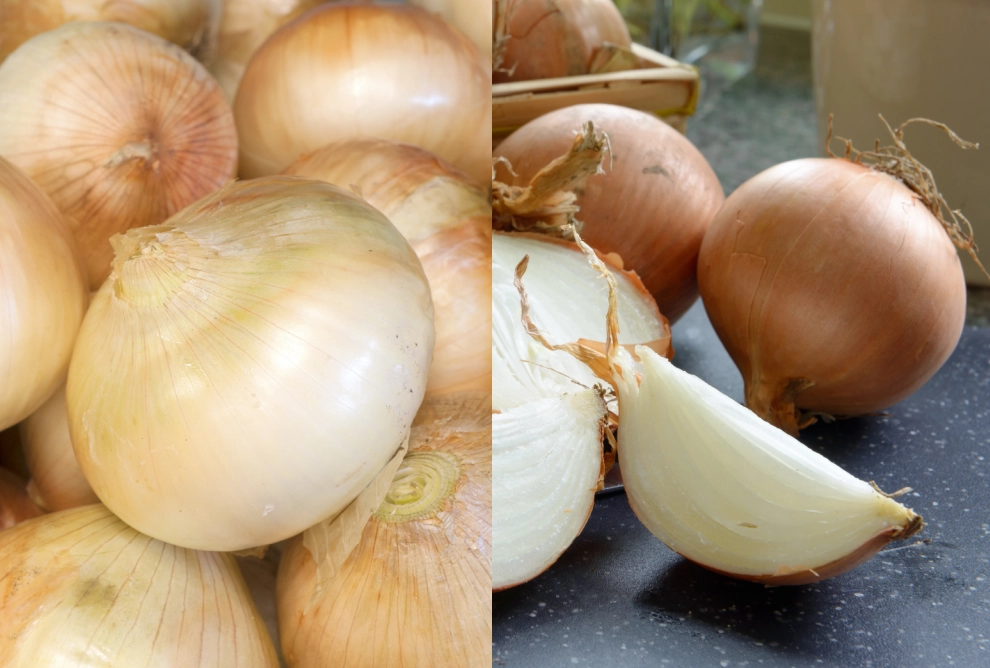
Buying Sweet Onions: Feel for firmness with no soft spots. The skin should be tight and shiny, not shriveled. Avoid any with green sprouts shooting from the top—they’re past their prime. A sweet onion should feel heavy for its size, a sign of high water content.
Buying Yellow Onions: Look for rock-hard firmness. The papery skin should be intact and dry. A shiny or moist skin can indicate bruising or decay underneath. No smell is a good sign; if you can smell a strong onion aroma through the skin at the store, it might be damaged.
Storing Them: This is critical and where most people mess up.
- Yellow Onions: Keep them in a cool, dark, dry place with good air circulation. A pantry basket, a mesh bag, or a ventilated bin is perfect. Never store them with potatoes. Potatoes release moisture and gases that cause onions to spoil faster.
- Sweet Onions: Their high moisture is their enemy. Do not store them in that same pantry basket for weeks. They’ll rot. Instead, keep them in the refrigerator’s crisper drawer, loosely wrapped in a paper towel inside a perforated bag. The cold slows down moisture loss and sprouting. They’ll last much longer this way.
Reader Comments