Let's cut to the chase. You've followed that classic apple pie recipe to the letter. The crust looks golden, the filling is bubbling... but when you slice into it, it's a runny, soupy mess. Or worse, the apples have vanished into a bland, overly sweet paste. Sound familiar? I've been there. For years, I blamed my oven, my measuring cups, even the weather. It took me a decade of baking (and more than a few flat, sad pies) to realize the truth was sitting right there in the produce aisle. The apple.
Not all apples are created equal, especially when it comes to baking. Choosing the right one isn't just about following a recipe; it's the single most important decision you'll make. Get it wrong, and even the best technique can't save you. Get it right, and you're halfway to a pie that could win a ribbon.
What's Inside This Guide?
- Why the Right Apple Makes (or Breaks) Your Pie
- How to Choose Apples for Baking: Forget Variety Names, Look for This
- The Top 5 Apples for Baking Pies, Ranked by a Professional
- The One Apple Variety You Should Avoid at All Costs
- The Secret to a Perfect Pie? It's in the Blend.
- Your Apple Pie Questions, Answered.
Why the Right Apple Makes (or Breaks) Your Pie
An apple pie is more than just fruit and pastry; it's a delicate balance of chemistry. When heat hits those apple slices, three main things happen: they release juice, they break down (soften), and their natural pectin thickens the filling. Different apple varieties behave wildly differently in each of these stages.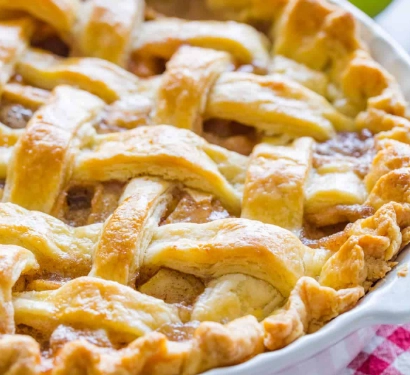
Think of it like building a house. You wouldn't use sand for the foundation, right? A firm, tart apple like a Granny Smith provides the structural integrity—it holds its shape, releases its pectin slowly and steadily, and offers a bright acidity to cut through sugar and butter. A soft, sweet apple like a Red Delicious is your sand—it collapses, releases water too quickly (leading to a soggy crust), and turns into flavorless mush.
The Texture Spectrum: From Mush to Rock
Let's look at texture first, because that's the most obvious difference. Apples are made up of cells, and those cell walls break down during cooking. Some varieties have very thin cell walls that rupture almost instantly when heated. This is what gives you that applesauce consistency. Others have incredibly thick, resilient cells that take much longer to break down, resulting in distinct, tender slices that hold their shape even after an hour in the oven.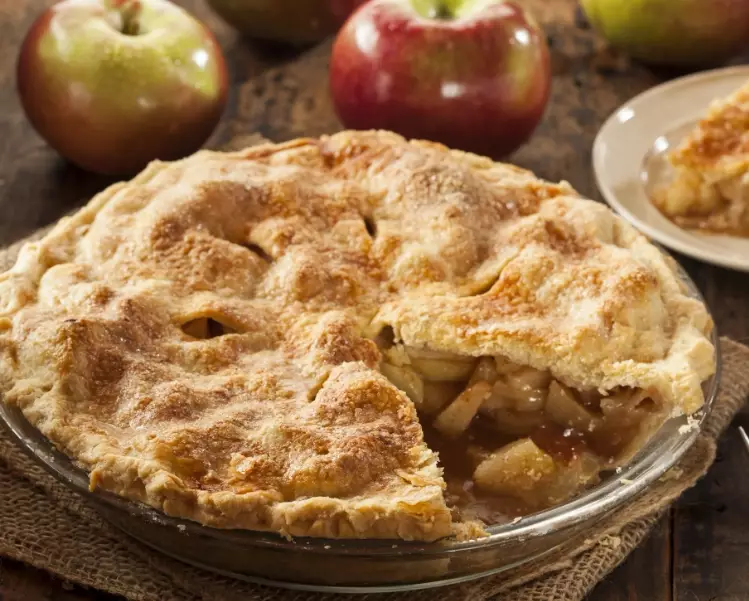
Quick Tip: Want a quick test? Try biting a raw slice of the apple. Does it feel crisp and snap cleanly? That's a good sign for pie. Does it feel mealy or soft? It will likely turn to mush in the oven.
The Flavor and Sweetness Equation
Now, the flavor. This is where most online guides stop, and it's a disservice. Flavor isn't just about "tart" or "sweet." It's about flavor intensity and complexity. A Granny Smith isn't just tart; it's intensely, almost aggressively tart. That sharpness is a key player because it stands up to and balances the rich fats and sugars in the pie dough and any spices you add (like cinnamon or nutmeg). A Red Delicious, on the other hand, is one-note sweet. It gets lost, overwhelmed, and the final pie can taste flat and cloying.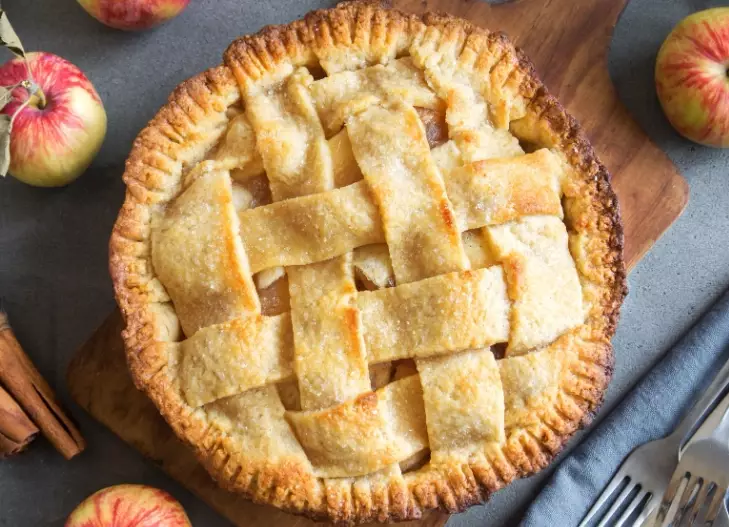
How to Choose Apples for Baking: Forget Variety Names, Look for This
Here's the secret most bakers never tell you: you don't need to memorize dozens of apple names. You need to understand two simple characteristics, and you can find them on the label at most grocery stores in the US and many other countries.
1. The Starch-to-Sugar Ratio (Often Called "Brix")
This is a measure of the total soluble solids in the apple, but for our purposes, just think of it as the natural sweetness level. An apple with a high Brix (like a Fuji or Honeycrisp) will taste sweeter raw and will caramelize more deeply and richly during baking, contributing complex notes of honey, vanilla, or even butterscotch. A low-Brix apple (like a classic Granny Smith) brings that bright, acidic punch that prevents the pie from becoming sickly sweet. For a balanced pie, you almost always want a mix of both.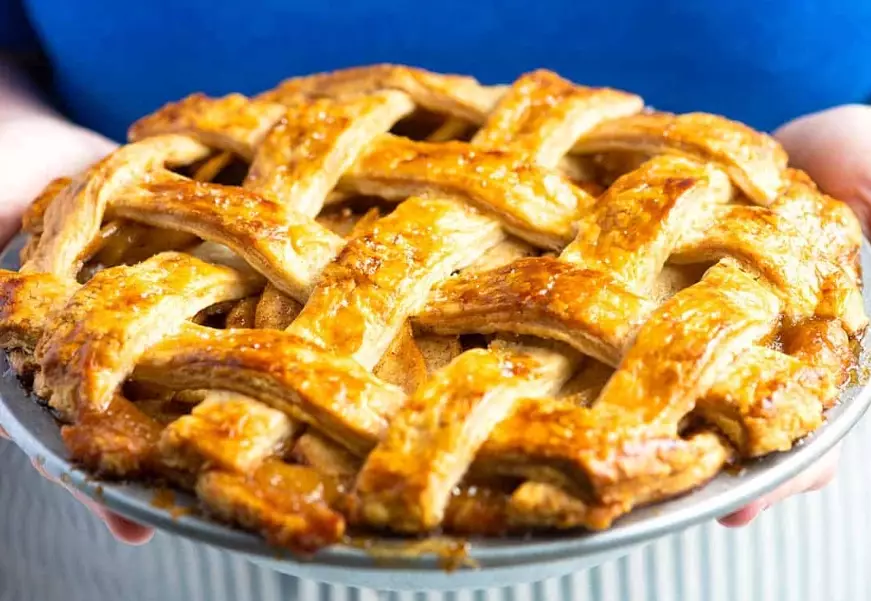
2. The Acidity Level (Titratable Acidity or TA)
This is the tang, the zip, the backbone of flavor. It's measured differently but is often correlated with the tartness you perceive. This acidity is non-negotiable. It's what makes your taste buds water and cuts through fat. Without enough of it, even the most flavorful apples will taste flat and one-dimensional after baking. Most good "pie apples" have a TA above 0.6%.
So, when you're at the store, ignore the fancy marketing names. Look for the flavor profile description. If it says "crisp and very sweet," it's likely low in acid. If it says "tart" or "tangy," you're in the right zone. Better yet, if they list the Brix and TA, you've hit the jackpot. Aim for a Brix between 14-18 (sweetness) and a TA above 0.6% (acidity) for a single-variety pie. For a blend, you can play with these ratios more.
The Top 5 Apples for Baking Pies, Ranked by a Professional
This is my personal list, forged through years of testing (and eating) hundreds of pies. It's not just about flavor; it's about how each apple behaves under heat, how it interacts with sugar and spice, and the final texture it delivers in your mouth.
| Rank | Apple Variety | Flavor Profile When Baked | Why It's on This List |
|---|---|---|---|
| 1 | Northern Spy | Sharp, intense tartness that mellows into a complex, almost wine-like depth. | The undisputed king. Its high acid and firm flesh hold up to any amount of sugar and spice, creating pockets of intense flavor that don't just dissolve. It's the foundation apple. |
| 2 | Granny Smith | Classic, bracing tartness. Pure and simple. | The reliable workhorse. You know exactly what you're getting, and it delivers every single time. For a pure, sharp apple flavor that cuts through richness, this is your go-to. |
| 3 | Braeburn | Sweet-tart with notes of honey and a slight spice. Complex. | My personal favorite for a sophisticated pie. It offers a more nuanced flavor journey than a simple sweet-tart dichotomy. |
| 4 | Honeycrisp | Very sweet, honeyed, with a crisp bite that softens beautifully. | The sweet specialist. It brings a rich, almost dessert-like sweetness that needs to be balanced with a tart apple, but when used correctly (like in a blend), it creates an unforgettable depth. |
| 5 | Jonagold | Mellow tartness, honeyed, aromatic. | The perfect blending apple. It's not the star on its own, but it rounds out any blend, adding complexity and aroma without overpowering. |
The One Apple Variety You Should Avoid at All Costs
Red Delicious. I know, it's iconic. It's America's apple. But for baking a pie? It's a disaster waiting to happen. Everything about it—its high water content, its soft flesh, its one-note sweetness—is engineered against everything a good pie apple should be. Using it is the single most common mistake I see, and it leads directly to the two biggest pie complaints: a soupy filling and a flat flavor. If you take nothing else away from this guide, remember this: just skip it.
The Secret to a Perfect Pie? It's in the Blend.
Here's the non-consensus opinion: very few single-variety apple pies are actually as good as we remember them being. The perfect apple pie, in my experience, is almost always a blend. Think of it like a cocktail. A base of a firm, tart apple (like Northern Spy or Granny Smith) provides the structure and acidity. Then, you add one or two other varieties to introduce layers of complexity—a honeyed sweetness from a Honeycrisp, a floral aroma from a Jonagold, a spicy note from a Braeburn. This layering of flavors and textures is what separates a good pie from a truly transcendent one.
My go-to blend, the one that has won me the most compliments, is actually quite simple: 2 parts Northern Spy to 1 part Honeycrisp. The Spy holds the line, the Honeycrisp melts in and adds this incredible honeyed depth. But don't be afraid to experiment. Try a 1:1:1 ratio of Granny Smith, Braeburn, and Jonagold. The results will surprise you.
Reader Comments