
You're standing in the produce aisle, a bag of gorgeous, blushing-red Fuji apples in your hand, wondering if you're about to make a huge mistake. The internet is full of strong opinions. "Fuji apples are too sweet for pie!" "They turn to mush!" I've been baking pies professionally for over a decade, and I'm here to tell you those warnings are mostly myth. Used correctly, Fuji apples are not just good for apple pie—they can be the secret to your most memorably sweet, complex, and satisfying pie yet. The real issue isn't the apple; it's how you handle it. Let's cut through the noise.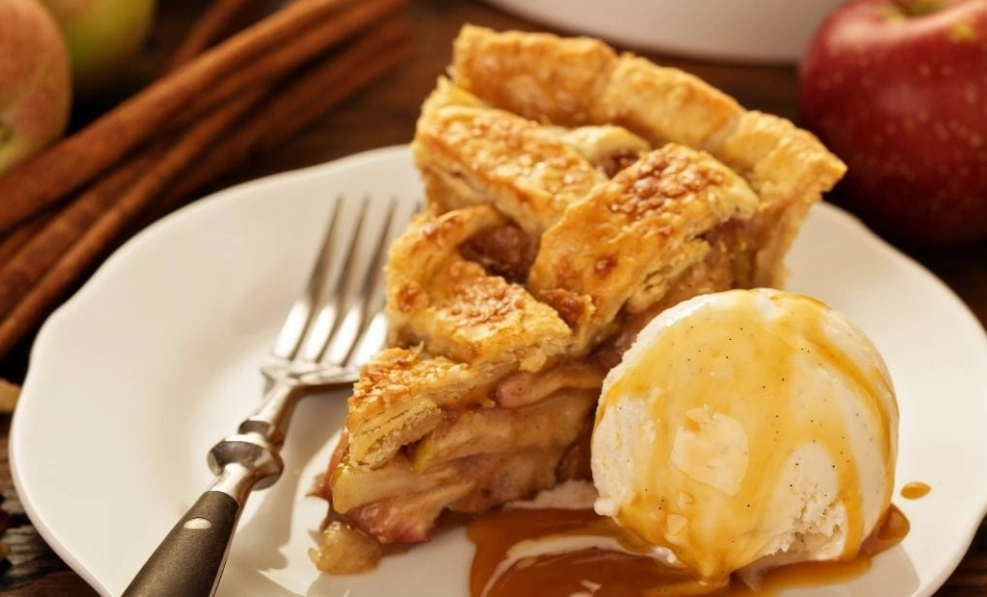
What's Inside This Guide?
The Fuji Apple Profile: Sweetness, Texture, and Flavor
First, understand your ingredient. Fuji apples, a cross between Red Delicious and Ralls Janet, are famous for their intense, honey-like sweetness and crisp, juicy bite when eaten fresh. Their sugar content is high, often 15-18% Brix, while their acidity is low. This is the core of the debate.
When baked, they behave differently than a tart Granny Smith. Their crispness softens significantly, leading to a tender, almost creamy texture—not mushy if treated right, but certainly not holding a firm, distinct slice like some denser varieties. The flavor deepens, losing some of its bright top notes but gaining rich, almost pear-like undertones.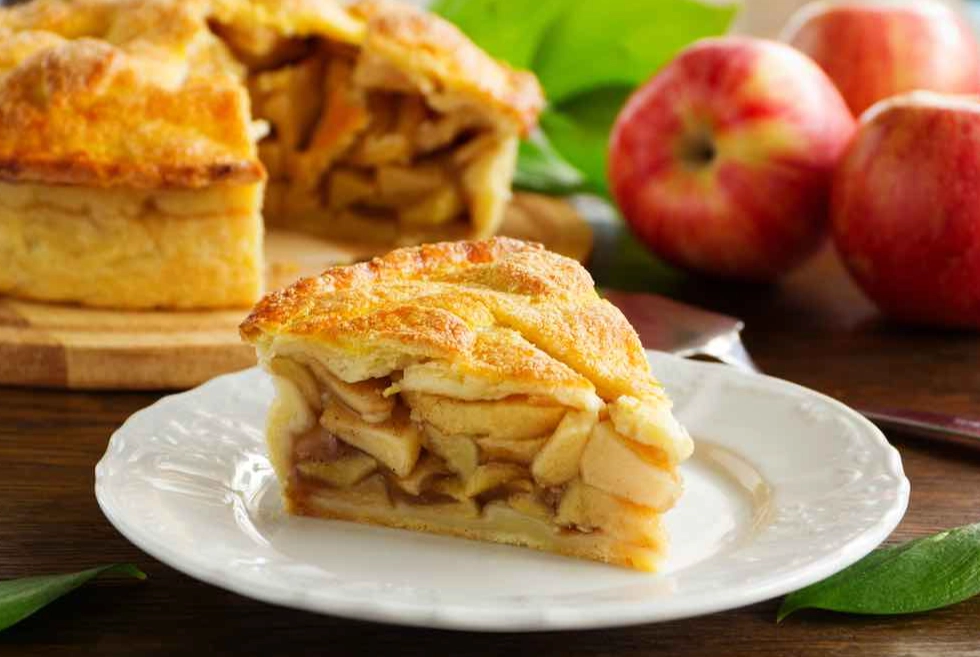
How to Build the Perfect Pie Balance with Fujis
Great baking is about balance. With a sweet apple, you need to introduce elements that cut, contrast, and support. Here’s your strategic toolkit.
1. The Acid Counter-Punch
This is non-negotiable. You must add acid to balance Fuji's sugar. A tablespoon of fresh lemon juice is good, but I prefer 2 teaspoons of apple cider vinegar. It sounds wild, but it blends seamlessly, enhancing the apple flavor without screaming "lemon." A pinch of citric acid powder works wonders too.
2. Spice Strategy
Skip the pre-mixed "apple pie spice." It's often heavy on sweet cassia cinnamon. Instead, build your own: use 1.5 teaspoons of true Ceylon cinnamon (lighter, more floral), 1/4 teaspoon of freshly grated nutmeg, and a big pinch of black pepper or cardamom. These spices provide warmth and complexity that partner with the sweetness, rather than just adding more sugar-masking flavor.
3. The Thickener Decision
Fuji apples release a lot of juice. Using only flour can lead to a cloudy, pasty filling. My gold-standard mix for a 9-inch pie with Fujis:
- 3 tablespoons of cornstarch (for clear, firm set)
- 1 tablespoon of instant tapioca flour (like Minute Tapioca ground fine) (helps control juice while adding a slight chew)
Mix these with your sugar and spices before tossing with the apples.
| Apple Variety | Best Use in Pie | Why It Works with Fuji |
|---|---|---|
| Granny Smith (1-2) | Adds tartness and structure | Provides the acid and firmer texture Fujis lack, creating a more balanced flavor and slice. |
| Braeburn (2-3) | Primary mixing partner | Holds its shape well, has a balanced sweet-tart flavor that complements without overpowering. |
| Jonagold (2-3) | Primary mixing partner | Excellent sweet-tart balance and good baking texture. A fantastic all-rounder to pair with Fuji. |
| Golden Delicious (Not Recommended) | - | Too soft and sweet; will amplify the texture issue without providing any balancing benefit. |
The Foolproof Fuji Apple Pie Recipe (Step-by-Step)
This is the method I use in my bakery for our "Honey Crisp Autumn Pie," adapted for home bakers using widely available Fujis.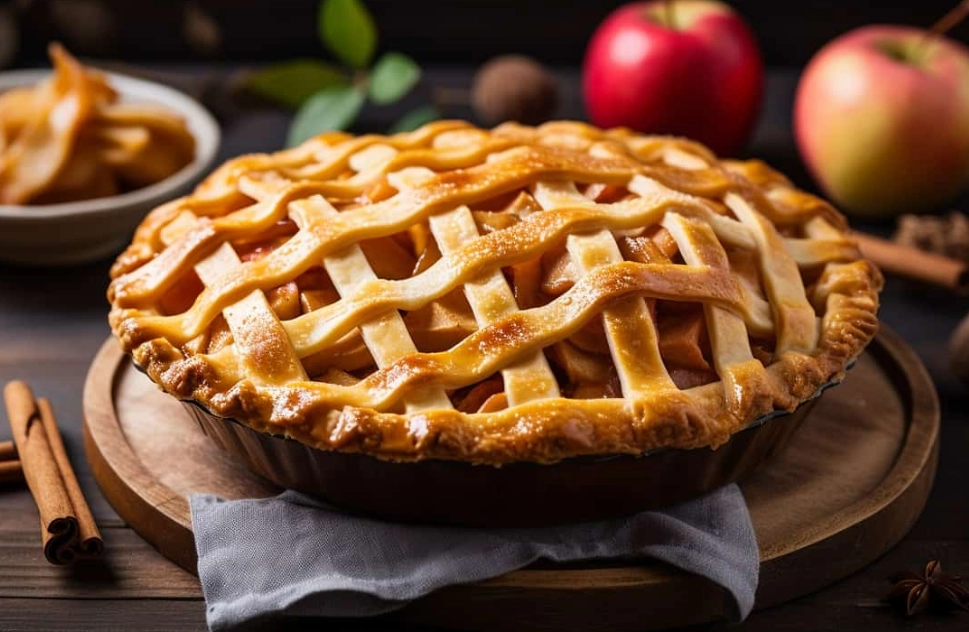
Ingredients:
- 1 recipe double-crust pie dough (chilled)
- 2.5 lbs (about 6-7 medium) Fuji apples, peeled, cored, sliced 1/4" thick
- 1 large Granny Smith or Braeburn apple, peeled, cored, sliced 1/4" thick
- 2/3 cup (135g) granulated sugar
- 3 tbsp cornstarch
- 1 tbsp instant tapioca flour (finely ground)
- 1.5 tsp Ceylon cinnamon
- 1/4 tsp fresh nutmeg
- 1/4 tsp fine sea salt
- Pinch of black pepper
- 2 tsp apple cider vinegar
- 2 tbsp unsalted butter, cut into small pieces
- 1 egg + 1 tbsp water (for egg wash)
- Coarse sugar for sprinkling
The Process:
1. Macerate, Don't Just Mix. This is the pro trick. Toss all sliced apples with the sugar, cornstarch, tapioca, spices, salt, and vinegar in a large bowl. Let it sit for 45 minutes. You'll see a pool of juice at the bottom. This step draws out moisture before baking, so your thickeners can start working and you won't get a soggy bottom.
2. Pre-Bake the Bottom. Roll out your bottom crust, fit it into a 9" pie plate, and chill. Preheat oven to 400°F (200°C) with a rack in the lower third. Place a baking sheet on the rack to preheat. Blind bake the bottom crust for 15 minutes with pie weights. This creates a barrier against the juicy filling.
3. Fill Smart. Using a slotted spoon, transfer the apple slices into the par-baked crust, packing them tightly and mounding in the center. Discard only about half of the accumulated juices (the rest has your thickeners dissolved in it). Dot the filling with the butter pieces.
4. Bake with Temperature Control. Add top crust, vent, brush with egg wash, sprinkle with sugar. Bake on the preheated sheet for 30 minutes at 400°F. Then, without opening the door, reduce heat to 375°F (190°C) and bake for another 40-50 minutes. The initial high heat sets the crust; the lower heat cooks the apples through without burning. The pie is done when the filling is bubbling thickly through the vents and the crust is deep golden.
5. The Waiting Game. Let the pie cool completely on a wire rack, at least 4 hours, ideally overnight. This is critical for the filling to set properly. Cutting warm is the number one reason for soupy pie.
The 3 Most Common Mistakes with Fuji Apples (And How to Avoid Them)
I've seen these errors ruin more pies than any other factor.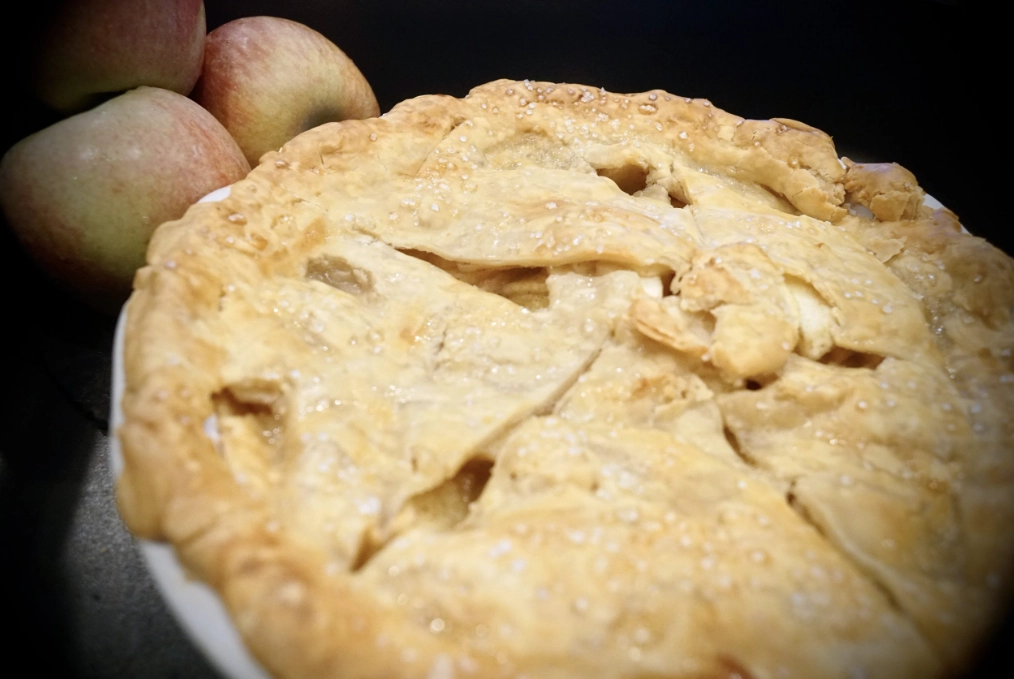
Mistake 1: Skipping the Maceration. Throwing raw, juicy Fuji slices straight into a crust guarantees a flood. The maceration step is your insurance policy.
Mistake 2: Using Only Cornstarch. Cornstarch can break down under prolonged heat and acidic juices, leading to a weepy filling later. The combo with instant tapioca creates a more resilient gel.
Mistake 3: Blindly Following a "Tart Apple" Recipe. If a recipe is written for Granny Smiths and calls for 3/4 cup of sugar and a tablespoon of lemon juice, using Fujis will make a cloyingly sweet pie. You must reduce the sugar (I use 2/3 cup max for a Fuji-based mix) and ensure adequate acid.
Your Fuji Apple Pie Questions, Answered
 How do I store a Fuji apple pie, and how long does it last?
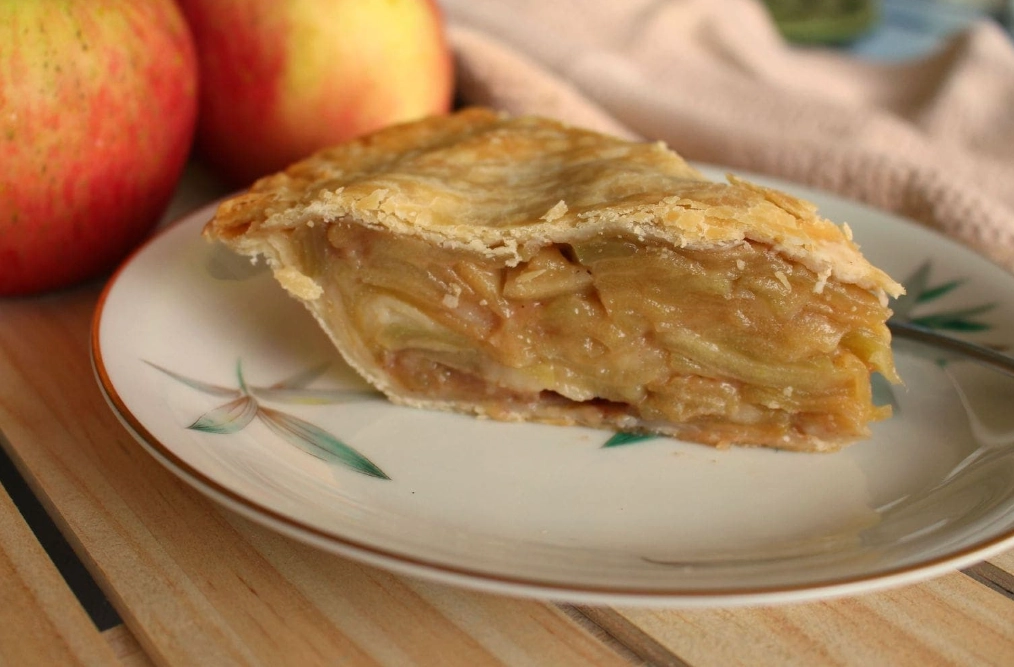 So, grab those Fuji apples with confidence. They're not the rebel choice; they're the savvy one. By understanding their nature—celebrating their sweetness while strategically shoring up their texture—you transform them from a simple snacking apple into the heart of a profoundly delicious, uniquely satisfying dessert. Forget the old rules. Your perfect pie is waiting.
Reader Comments