
Let's cut to the chase. The single biggest factor between a forgettable, mushy apple pie and a legendary one that gets requests for the recipe isn't your crust technique or spice blend—it's the apples you choose. I've baked pies for over a decade, and I've seen the heartbreak of a beautiful pie collapsing into a sweet, soggy mess because someone grabbed the wrong bag at the store. This isn't about snobbery; it's about physics and flavor. Good apples for apple pie filling need to walk a tightrope: they must be firm enough to hold their shape through an hour in the oven, flavorful enough to stand up to sugar and cinnamon, and have the right balance of sweet and tart to create a complex, not cloying, taste.
What's Inside This Guide
How to Choose Apples for Pie Filling Based on Flavor and Texture
Forget the pretty red skin. You need to think like an engineer and a chef. A great pie apple has two non-negotiable jobs.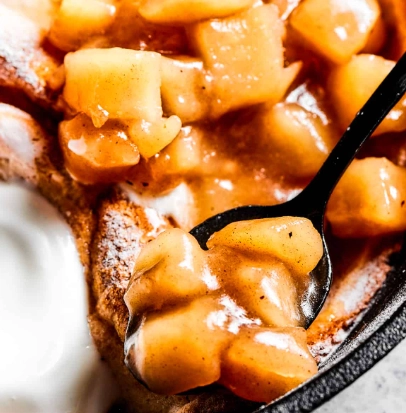
Job One: Structural Integrity. The cell walls of the apple need to be strong. When heated, pectin within the fruit breaks down. In soft apples (think Red Delicious), this happens almost instantly, turning them into applesauce. A good baking apple has cells that soften gracefully, becoming tender but still maintaining distinct pieces. This is often called "holding its shape."
Job Two: Flavor Punch. Baking concentrates sweetness and mellows acidity. A bland apple becomes a sweeter, bland apple. You need an apple with high intrinsic flavor—either pronounced tartness, intense aroma, or vibrant sweetness—that can survive the baking process and mingle with your spices.
A quick note on sourcing: Your local farmer's market in autumn is the best place to start. Vendors can tell you exactly what varieties they grow and their best uses. If you're at a supermarket, look beyond the generic "baking apples" label and check the variety name on the sticker or bin.
The Top 5 Apple Varieties for Pie (And Why They Work)
Based on flavor, texture, and widespread availability, these are the workhorses. I've ranked them not just on taste, but on reliability.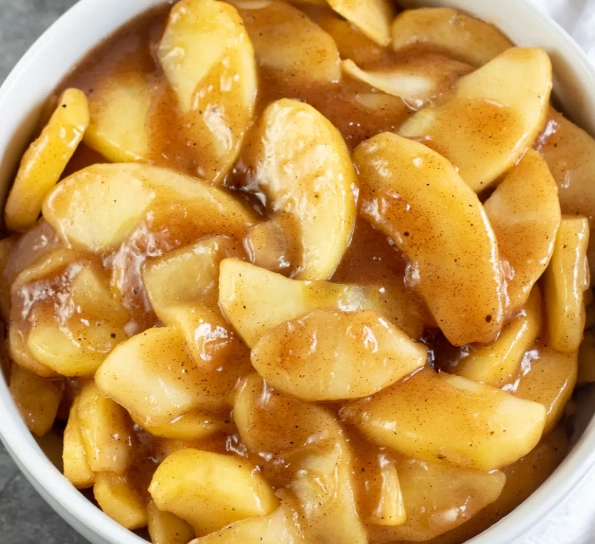
| Apple Variety | Flavor Profile | Texture When Baked | Best Role in a Blend | Where to Find Them |
|---|---|---|---|---|
| Granny Smith | Very tart, crisp, clean. | Holds shape excellently, softens but remains distinct. | The essential tart backbone. Balances sweet varieties. | Ubiquitous. Every supermarket, year-round. |
| Honeycrisp | Intensely sweet, juicy, with mild acidity. | Holds shape surprisingly well, becomes tender-juicy. | Primary sweet component. Adds moisture and honeyed notes. | Common in supermarkets, especially fall/winter. |
| Braeburn | Balanced sweet-tart, spicy aroma. | Firm, holds shape perfectly. The gold standard for structure. | Can be used solo or as the main structural apple in a blend. | Widely available in grocery stores. |
| Jonagold | Sweet with honey notes, gentle tartness. | Softens more than Braeburn but retains some bite. | Great flavor bridge between tart and very sweet apples. | Farmers markets, specialty grocers, some supermarkets. |
| Northern Spy | Tangy, complex, aromatic. | Exceptionally firm, bakes into tender, defined slices. | The pie baker's holy grail for structure and flavor. | Harder to find. Look at orchards, farmers markets (late season). |
Let me be blunt about a popular choice: McIntosh. They smell amazing and make incredible applesauce. But for pie? They turn to complete mush. If you see them recommended in an old cookbook, it's likely assuming you'll pre-cook the filling extensively. For a modern pie with defined slices, avoid them.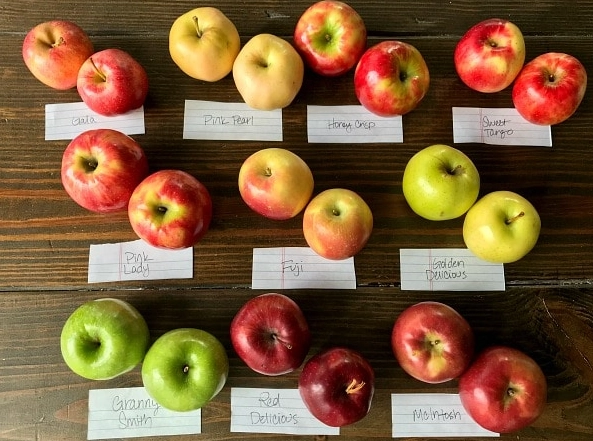
What About Gala or Fuji?
These are sweet, pleasant eating apples. They're not terrible for pie, but they're not stars. They lack the acidity to balance a sweet filling and can become a bit one-note. If they're all you have, use them, but pair them with a significant amount of a tart apple like Granny Smith and maybe add a teaspoon of lemon juice to the filling.
The Pro Baker's Secret: Why Blending Apples is Non-Negotiable
Using one type of apple is like an orchestra with only violins. Fine, but limited. Blending two or three varieties gives you depth, complexity, and insurance against texture problems.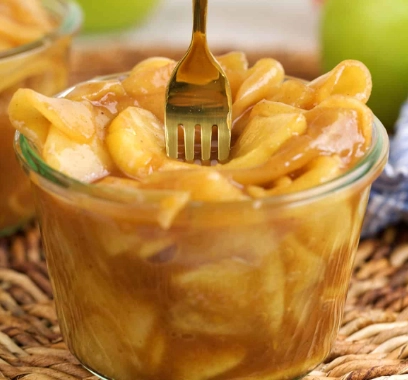
Here’s my go-to blend formula, which I've used in my own kitchen for years:
- 50% Structural, Tart Apple: Granny Smith or Northern Spy. This is your foundation.
- 30% Sweet, Juicy Apple: Honeycrisp or Jonagold. This adds moisture and caramel-like sweetness.
- 20% Wild Card for Aroma/Complexity: Braeburn (for spice) or a firm, local heirloom variety from your market.
This blend ensures every bite has a little tartness, a little sweetness, and a mix of textures that keeps it interesting. The juicy apples prevent the filling from being dry, while the firm apples prevent it from becoming a soup.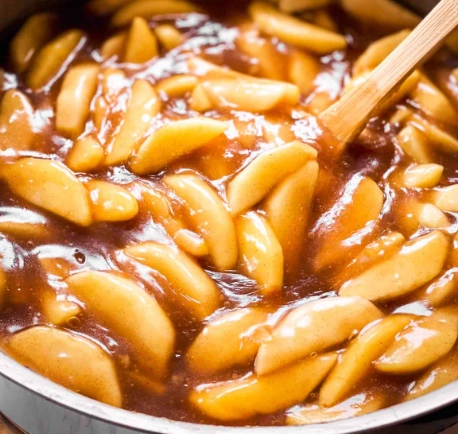
The Pre-Cook Method: Your Insurance Against a Soggy Bottom
This is the most under-shared tip in home baking. Most recipes have you toss raw apple slices with sugar and flour and dump them in the crust. You're basically banking on the apples releasing their juice and the thickeners absorbing it all at the same rate in the oven. It's a risky bet.
Pre-cooking your filling changes everything. Sauté your apple slices in a bit of butter for 5-7 minutes, just until they start to soften on the edges and release some juice. Then add your sugar, spices, and thickener (I prefer a mix of flour and instant tapioca) and cook for another minute until it forms a glossy sauce coating the apples.
Why this works: 1) You drive off excess moisture upfront. 2) You activate the thickener on the stovetop where you can see and control it, not in the dark oven. 3) Your filling goes into the crust already cohesive and hot, so the bottom crust starts cooking immediately, creating a barrier against sogginess. Yes, it's an extra pan to wash. It's worth it.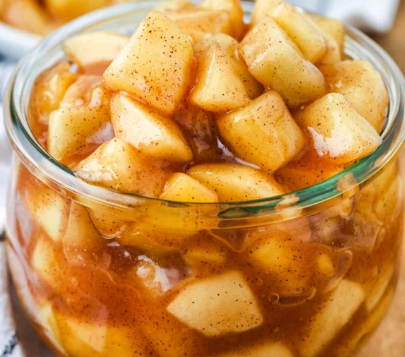
Your Apple Pie Filling Questions, Answered
Choosing good apples for apple pie filling isn't a mystery—it's a skill. It starts with understanding that not all apples are created equal for the oven's heat. Seek out firm, flavorful varieties, don't be afraid to mix them, and take control of the process by cooking your filling before it hits the crust. Your reward isn't just a pie that looks good in a photo. It's a pie with a fork that cuts cleanly through firm, glossy slices, each bite a perfect balance of sweet, tart, and spice, all held in a crisp, flaky shell. That's the real goal.
Reader Comments