
Bell peppers and onions are probably sitting in your fridge right now. They're the workhorses of the produce drawer, the reliable duo you toss into fajitas, stir-fries, and salads without a second thought. But what if I told you we've been underselling them? Treating them as mere background singers when they're capable of headlining the show.
I've spent over a decade in professional kitchens and home cooking, and the single most common mistake I see is rushing these two. We throw them in a pan at the same time, crank the heat, and wonder why the onions are burnt and the peppers are still crunchy and bland. It's a texture tragedy.
This guide isn't just a list of recipes with bell peppers and onions. It's a deep dive into unlocking their full potential. We'll move beyond the stir-fry and explore how this combination can be the star—sweet, savory, caramelized, and packed with flavor that makes a meal memorable.
What You'll Find in This Guide
Why This Flavor Pairing Works So Well
It's simple chemistry and texture. Onions, when cooked slowly, break down their pungent sulfur compounds into sugars, becoming deeply sweet and savory—a process called caramelization. Bell peppers, especially red, yellow, and orange ones, are already fruity and sweet. They contain less water than green peppers, which is a key detail most recipes gloss over.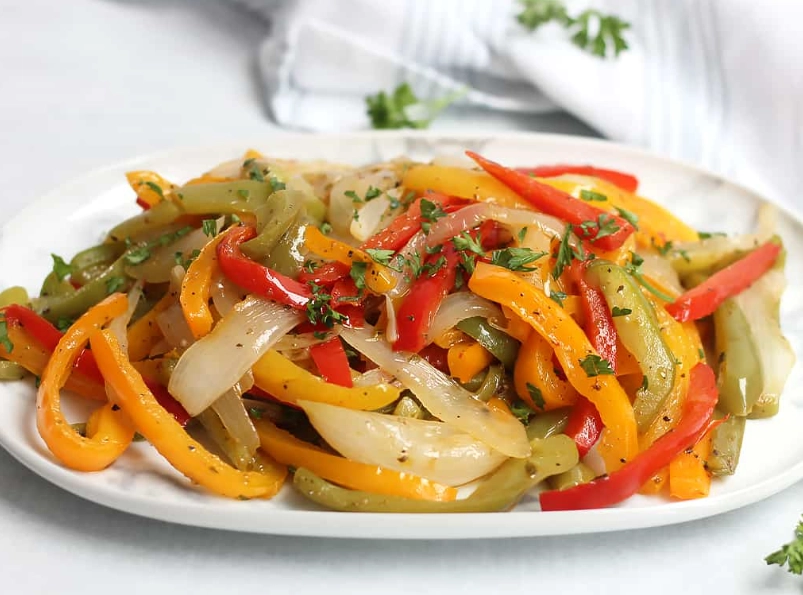
When you cook them together correctly, you get a symphony: the umami depth from the onions meets the bright, vegetal sweetness of the peppers. The textures play off each other too—soft, melting onions against peppers that retain a slight, pleasant bite.
Nutritionally, it's a powerhouse combo. According to the USDA FoodData Central, bell peppers are an excellent source of Vitamin C (one red pepper provides over 150% of the daily value) and Vitamin A. Onions provide fiber and antioxidants like quercetin. Together, they add volume, nutrients, and flavor for very few calories, making them ideal for health-conscious cooking.
3 Core Recipes to Master
Let's get practical. Here are three foundational recipes with bell peppers and onions that will change how you cook. I'm giving you the *why* behind each step.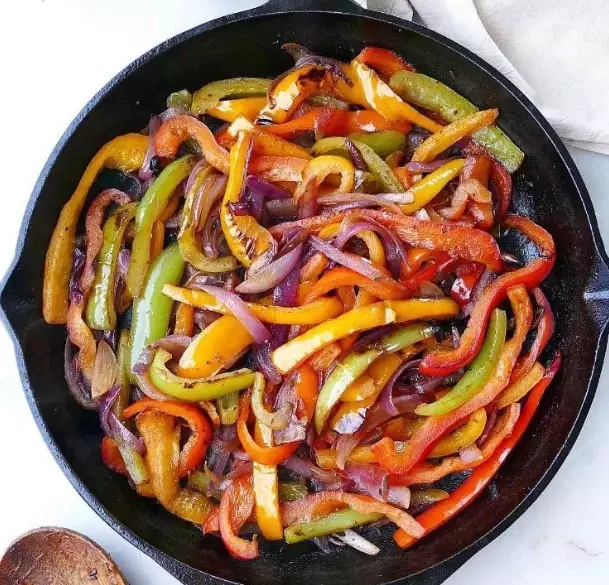
1. The Ultimate Caramelized Bell Pepper & Onion Confit
The Idea: This isn't a quick sauté. It's a low, slow cook that transforms the vegetables into a jammy, spreadable condiment. Perfect on burgers, stirred into scrambled eggs, or as a topping for grilled fish or chicken.
You'll Need: 2 large yellow onions (thinly sliced), 2 red bell peppers (thinly sliced), 2 yellow or orange bell peppers (thinly sliced), 3 tbsp olive oil, 2 sprigs fresh thyme, 1 bay leaf, salt, a pinch of sugar (optional, helps caramelization).
My Method:
- Heat the oil in a heavy-bottomed pot or Dutch oven over medium-low heat. Add the onions, thyme, and bay leaf. Cook, stirring occasionally, for a good 20-25 minutes until the onions are soft, golden, and reduced. Patience is non-negotiable here.
- Add the bell peppers, a hefty pinch of salt, and that optional pinch of sugar. Stir to combine.
- Reduce heat to low. Cover the pot, but leave the lid slightly ajar to let steam escape. Cook for another 45-60 minutes, stirring every 15 minutes. You're looking for everything to be incredibly soft, silky, and a deep golden-brown. The peppers should almost melt into the onions.
- Fish out the thyme stems and bay leaf. Taste and adjust salt. It will keep in the fridge for a week.
The first time I made this, I almost burned it because I got impatient and turned the heat up. The sugars catch fast. Low and slow is the only way.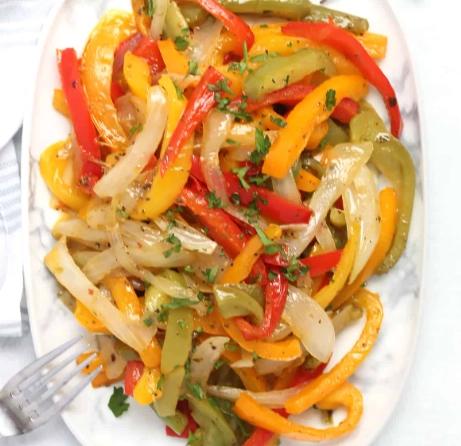
2. One-Pan Bell Pepper, Onion & Sausage Sauté
The Idea: A complete, hearty weeknight dinner in one pan. The fat from the sausage renders out and becomes the cooking medium for the vegetables, infusing them with incredible flavor.
You'll Need: 1 lb Italian sausage (sweet or hot, links or bulk), 1 large onion (sliced), 2 bell peppers (any color, sliced), 3 cloves garlic (minced), 1/2 cup chicken broth or white wine, olive oil, dried oregano, red pepper flakes.
My Method:
- If using links, prick them a few times with a fork. Brown the sausages well in a large skillet over medium heat with a drizzle of oil. Get a good crust on them—that's flavor. Remove to a plate. They won't be fully cooked inside yet.
- In the same skillet with the sausage drippings, add the onions. Cook for 5-7 minutes until starting to soften. Now add the bell peppers. Here's the trick: don't crowd the pan. If you pile them in, they'll steam. Cook for another 8-10 minutes until the peppers have some browned edges.
- Add the garlic, a teaspoon of oregano, and a pinch of red pepper flakes. Cook for 1 minute until fragrant.
- Pour in the broth or wine to deglaze the pan, scraping up all the browned bits (the fond) from the bottom. That's liquid gold.
- Nestle the sausages back into the veggie mixture. Reduce heat to medium-low, cover, and simmer for 10-15 minutes until the sausages are cooked through and the peppers are tender.
Serve this over polenta, with crusty bread, or with roasted potatoes. It's foolproof and always a crowd-pleaser.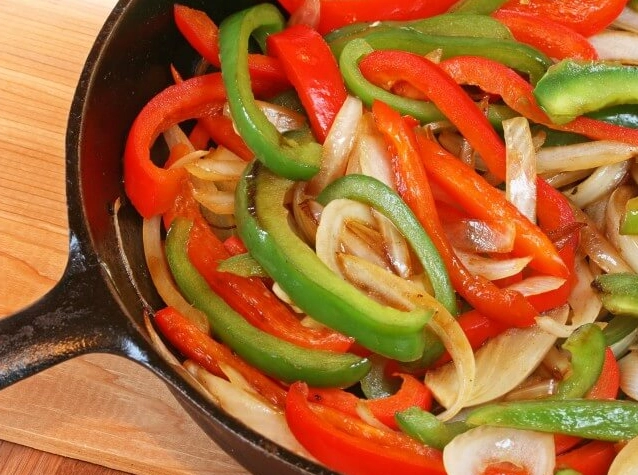
3. Roasted Vegetable & Caramelized Onion Focaccia
This is where the duo becomes bakery-level good. The sweetness of roasted peppers and deeply caramelized onions baked into soft, olive oil-rich bread.
Time-Saver Tip: Use a good store-bought pizza dough from the refrigerated section of your grocery store. Let it come to room temperature. No one needs to know.
Roast sliced bell peppers (tossed in oil, salt, and pepper) at 425°F (220°C) for 20-25 minutes until charred at the edges. While they roast, caramelize one sliced onion using the low-and-slow method from the confit recipe (but just for one onion, so it's quicker).
Stretch the dough onto an oiled baking sheet. Dimple it all over with your fingers. Drizzle with more olive oil. Scatter the roasted peppers and caramelized onions over the top. Sprinkle with coarse sea salt and maybe some rosemary.
Bake as per your dough instructions (usually around 400°F/200°C for 15-20 mins) until golden. It's impressive, delicious, and leverages our core ingredients in a totally different way.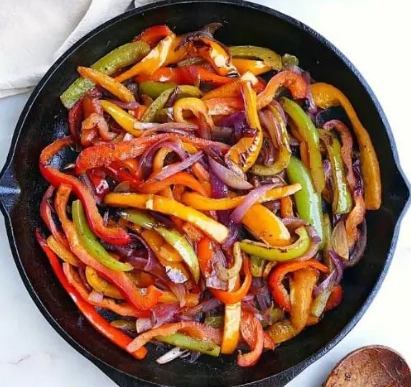
Pro Tips for Perfect Peppers & Onions Every Time
- Slice Consistently: Try to cut your onions and peppers into slices of similar thickness. This ensures even cooking. A mandoline is great for onions, but a sharp knife and a little care work perfectly.
- Don't Crowd the Pan: This is the #1 reason vegetables steam instead of sauté. If there's no space between them, they release water and boil. Use a big enough pan or cook in batches.
- Layer Your Cooking: Onions almost always need a head start. They take longer to break down and sweeten. Start your onions, get them going, then add the peppers a few minutes later.
- Color Matters: For quick-cooking dishes like stir-fries, green peppers hold their crunch better. For roasting, caramelizing, or where sweetness is key, always reach for red, yellow, or orange.
- Salt Early: Salt draws out moisture. When you salt your onions at the beginning of cooking, it helps them release water and soften faster, leading to better caramelization later.
Taking It Beyond the Basics: Variations & Ideas
Once you've mastered the core techniques, the world opens up.
For Meal Prep: Sauté a huge batch of sliced onions and peppers on Sunday. Store them in the fridge. All week, you can add them to omelets, grain bowls, wraps, quesadillas, or pasta sauces in minutes.
Global Twists:
- Italian: Add sliced mushrooms with the onions, use lots of garlic, and finish with balsamic glaze. Serve over sausage or chicken.
- Mexican: Use a blend of onion and poblano peppers (rajas). Add corn, black beans, cumin, and chili powder. Fantastic in tacos or as a side.
- Indian: Start with mustard seeds and cumin seeds in oil. Add onions, then peppers, and simmer with turmeric, coriander, and a splash of coconut milk.
The Freezer is Your Friend: Diced bell peppers and onions freeze remarkably well. Spread them on a baking sheet to freeze individually, then transfer to a bag. You can toss them directly from the freezer into soups, stews, or a hot skillet for a quick cook.
Reader Comments