So, you want to grow bell peppers. The first question that pops up is always the same: how long does this actually take? If you're picturing a quick tomato-like turnaround, I've got news for you. Growing bell peppers, especially from seed, is a marathon, not a sprint. The short, unsatisfying answer is 70 to 90 days after transplanting a seedling. But that number is almost meaningless without context.
I learned this the hard way. My first year, I planted seeds in May and stared at green fruits in September, wondering why they refused to turn red. I was missing the bigger picture. The real timeline starts the day you sow the seed indoors, and it's packed with variables that can speed things up or slow them down dramatically.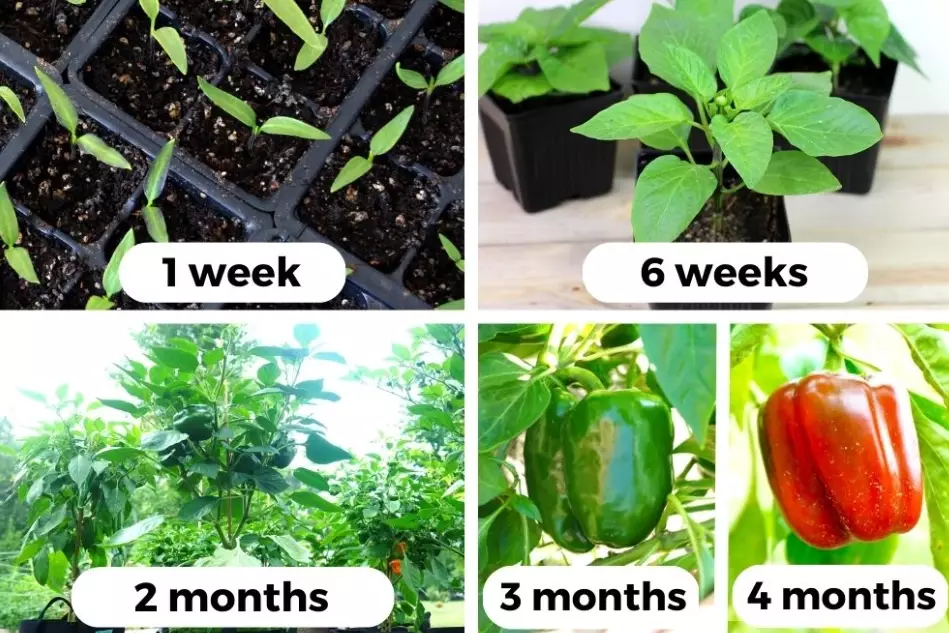
What's Inside?
The Complete Timeline, Broken Down
Let's ditch the single number and look at the journey in phases. This is where most generic guides stop, but it's where we need to start.
Phase 1: The Indoor Seed Starting Grind (8-10 Weeks)
This is the phase most beginners underestimate. Bell peppers are heat-loving, slow-growing plants from the get-go. You must start them indoors if you're in any climate with frost.
Germination (7-21 days): This is your first test of patience. Pepper seeds germinate best in warm soil, around 80-85°F (27-29°C). On a cool windowsill, they'll take forever or not sprout at all. I use a simple seedling heat mat – it cuts germination time in half.
Seedling Growth (6-8 weeks after germination): Here's a crucial, rarely mentioned point: Don't rush to transplant tiny seedlings. They need to develop a sturdy stem and at least 4-6 true leaves (not just the first seed leaves). Moving a wispy seedling outside is a death sentence. This indoor period is non-negotiable.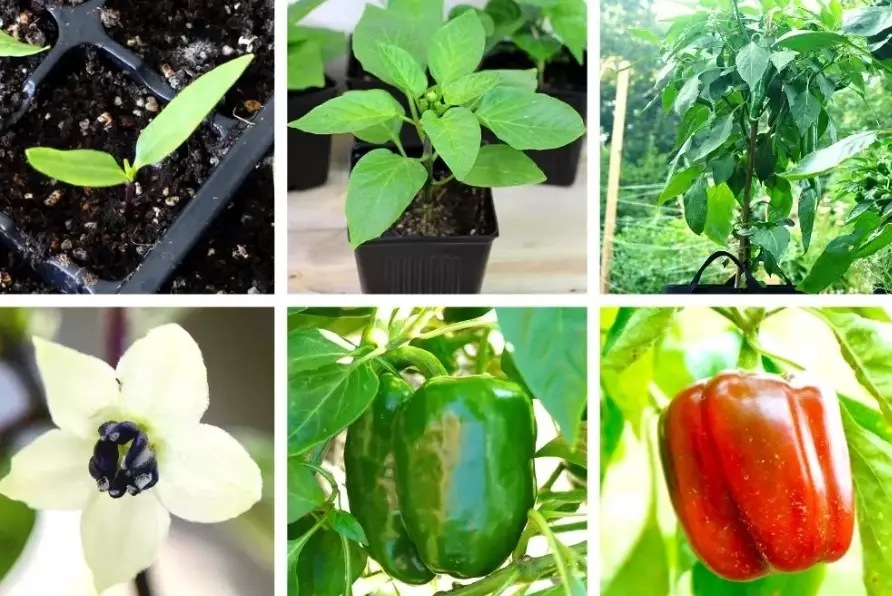
Phase 2: Transplanting & The Great Outdoor Adjustment (1-2 Weeks)
You can't just plop your indoor babies into the garden. They'll go into shock. Hardening off is the process of gradually exposing them to sun, wind, and cooler temps over 7-10 days. Skip this, and you'll set your plants back by weeks as they struggle to recover from sunscald and wilt.
Phase 3: Vegetative Growth & Flowering (4-6 Weeks After Transplant)
Once settled, the plant focuses on getting bigger – more leaves, stronger stems. When it's mature enough, it produces small, white flowers. A common panic moment: "My flowers are falling off!" Early flower drop is normal, especially if nights are still cool. The plant is prioritizing leaf growth, which is actually what you want for a bigger eventual harvest.
Phase 4: Fruit Set to Mature Harvest (55-100+ Days After Flowering)
This is the period everyone counts. A pollinated flower forms a tiny pepper. Now the clock starts for that pepper to reach full size and then mature to its final color (green, then yellow, red, orange, or purple).
| Stage | Typical Duration | Key Notes & What You See |
|---|---|---|
| Seed to Germination | 7 to 21 days | Highly dependent on soil warmth. Use a heat mat for best results. |
| Germination to Transplant-Ready Seedling | 6 to 8 weeks | Needs strong light (grow lights are better than weak windowsills). |
| Transplant to First Flowers | 4 to 6 weeks | Plant is establishing roots and foliage. Don't expect fruit yet. |
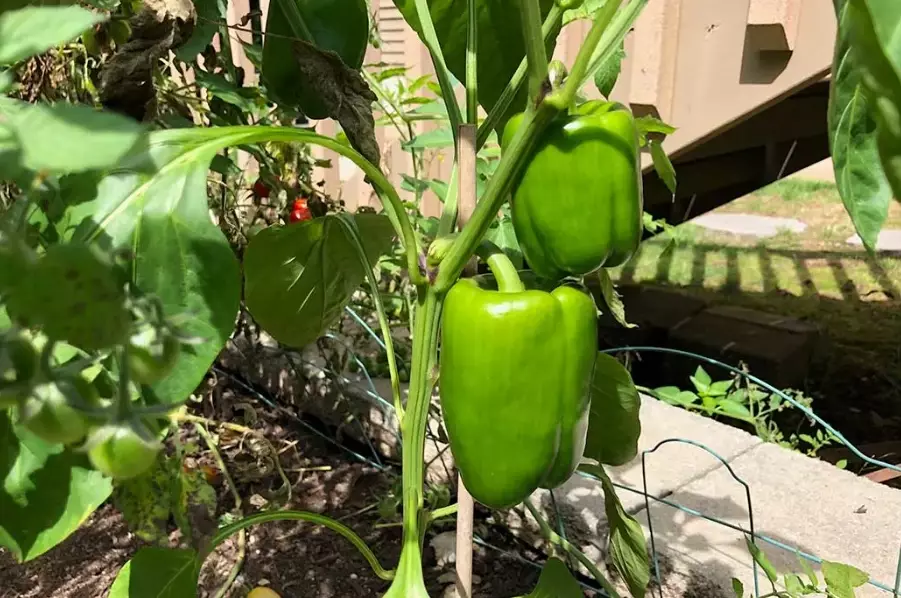
| Flower to Mature Green Pepper | 55 to 70 days | Fruit reaches full size but is still green. Edible, but not sweet. |
| Green to Ripe Colored Pepper | 2 to 4 extra weeks | The "ripening" phase. Requires patience and sustained warm weather. |
| Total (Seed to Ripe Harvest) | 120 to 150 days | This is the real number for gardeners starting from seed. Plan your season around it. |
See the difference? If you buy a seedling from a nursery in late spring, you're jumping in at the 8-10 week mark. Your wait is the 70-90 days. Starting from seed? You're in for the long haul.
What Really Affects Your Bell Pepper's Speed?
Now, why does one gardener harvest in August and another in October? It's not magic. It's these factors.
Variety Choice: This is huge. Early-maturing varieties like 'Ace' or 'Gypsy' can be ready in as little as 60 days from transplant. Heirloom or giant bell types like 'California Wonder' or 'King of the North' often need the full 80-90 days. Read the seed packet or plant tag. It matters.
Temperature: Bell peppers are tropical plants at heart. They thrive in daytime temps of 70-85°F (21-29°C). Growth stalls below 60°F (15°C) and above 90°F (32°C). A cool, cloudy summer will stretch your timeline. This is why gardeners in the American South often have better luck with fall peppers than spring ones – the fruit matures in the warm, but not scorching, autumn.
Sunlight: They need a minimum of 6-8 hours of direct, unfiltered sun. More is better. Less sun equals slower growth, fewer flowers, and smaller fruit.
Soil & Nutrition: Fast-draining, nutrient-rich soil gets them going. A common mistake is giving them too much nitrogen early on. You get a huge, lush, dark green plant... with zero flowers. It's all leaves, no fruit. They need a balanced fertilizer, shifting to one higher in phosphorus (the middle number) as flowering begins to encourage fruit set.
Watering Consistency: Inconsistent watering – letting them dry out completely, then flooding them – causes stress and flower drop. It also leads to blossom end rot, a nasty black spot on the fruit bottom. A soaker hose or drip irrigation on a timer is a game-changer.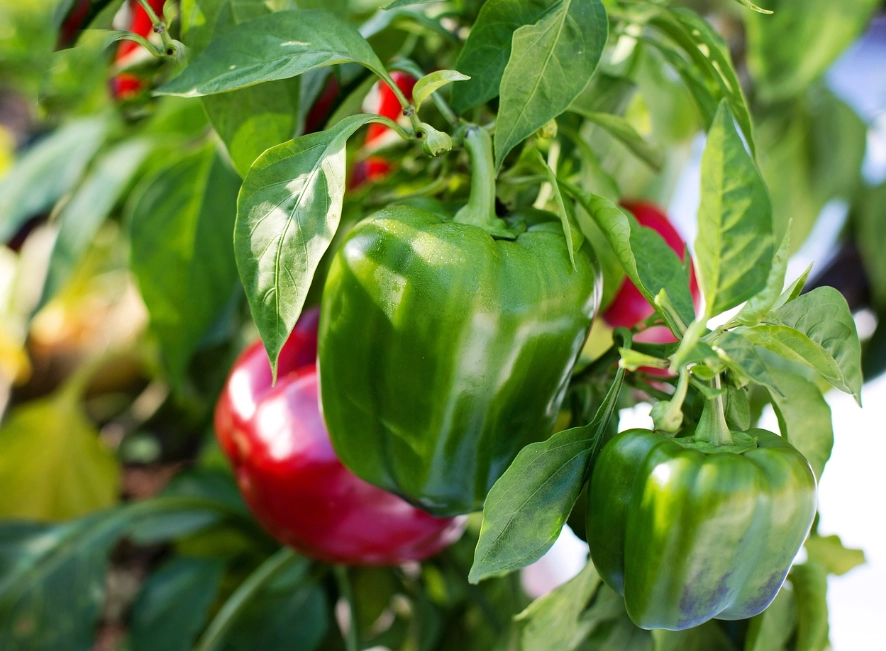
Pro Tips for a (Slightly) Faster Harvest
You can't change the weather, but you can optimize everything else.
Pre-warm your soil. Don't transplant into cold ground. A week before transplanting, cover the garden bed with black plastic mulch. It absorbs sun and warms the soil underneath, giving roots a welcoming environment.
Use season extenders. A simple hoop house or floating row cover over your young transplants for the first few weeks protects them from cool nights and wind, reducing transplant shock and speeding early growth.
Pick the first peppers green. This sounds counterintuitive. But if you pick the first one or two peppers when they reach full size (but are still green), it signals the plant to produce more flowers and fruit. It can extend your overall harvest period. You sacrifice a few ripe peppers for a larger total yield.
Container growing can be faster. In cooler climates, growing in a large, black pot allows the soil to warm up much faster in spring than in-ground soil. You can also move the pot to the sunniest, most sheltered spot.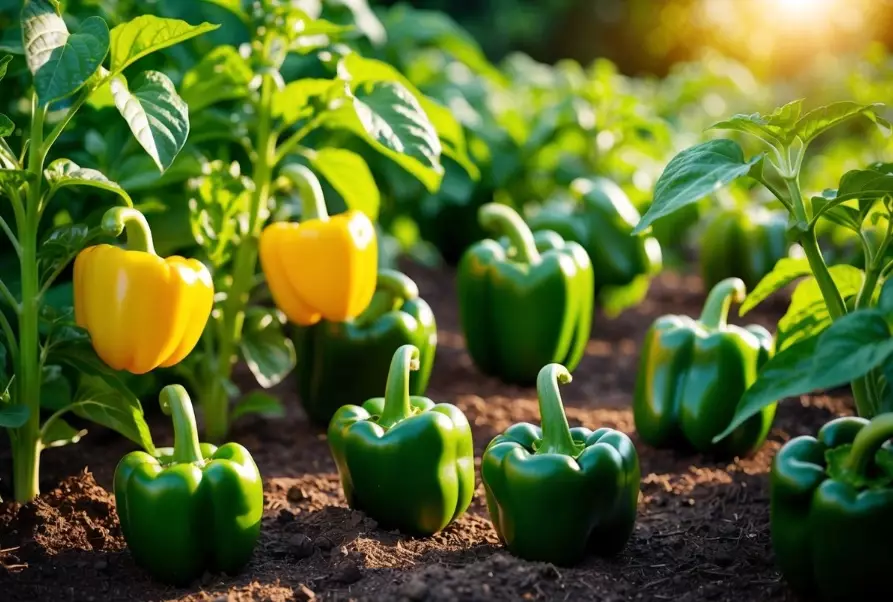
Your Bell Pepper Growing Questions, Answered
Growing bell peppers teaches you more than gardening; it teaches you timing. It's a commitment of months, not weeks. But when you finally bite into a sweet, crisp, sun-warmed pepper that you nurtured from a tiny seed, every day of that wait feels worth it. Start your seeds early, baby them through the spring, and give them a warm, sunny home. Your future self, enjoying a summer salad or a roasted pepper dish, will thank you for the patience.
Reader Comments