You grab a recipe that calls for a sweet onion. You head to the grocery store and see bins labeled "Yellow Onions," "Red Onions," and maybe just "Onions." Where's the sweet one? The short, most common answer is Vidalia onion. But if you stop there, you're missing the full, fascinating story. Vidalia is the superstar, but it's just one member of a whole family of mild, sugary onions grown in specific places under strict rules. Let's clear up the confusion and turn you into a sweet onion expert.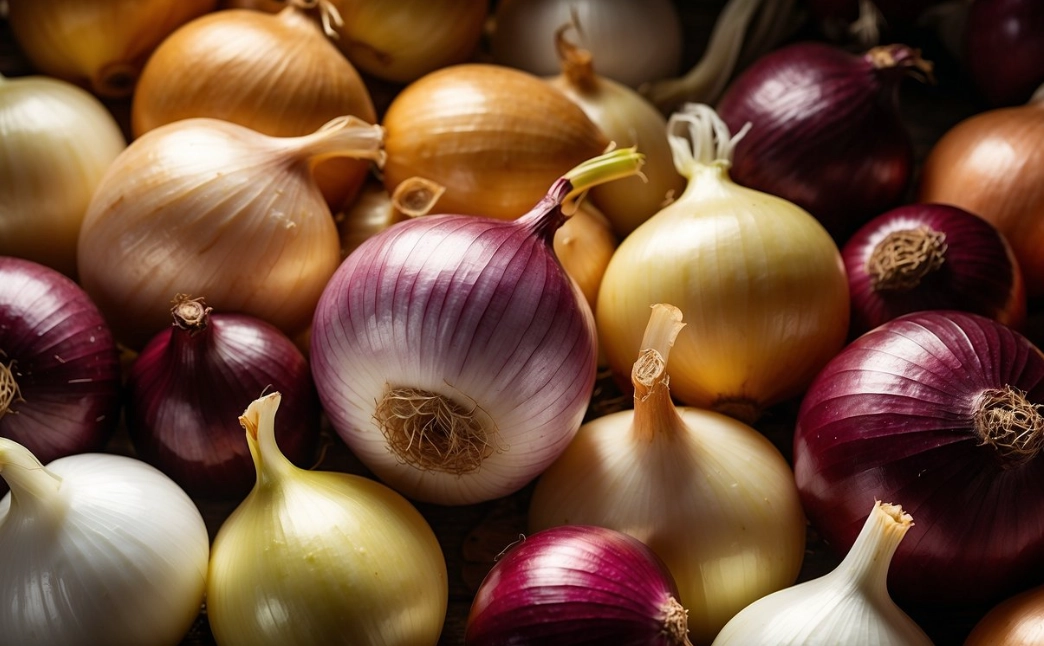
What You'll Find in This Guide
Sweet Onions 101: More Than Just a Name
First, let's ditch a big misconception. A "sweet onion" isn't a single breed. It's a classification based on two things: low pungency (that tear-jerking sulfur compound) and high sugar content. What makes them sweet? It's all about the soil and climate.
Regular storage onions grow in sulfur-rich soil. That sulfur is what creates pungent, eye-watering flavors and allows them to last for months. Sweet onions, however, are grown in low-sulfur soil. This fundamental difference is why they develop more sugars and fewer of the harsh compounds. The catch? That same low-sulfur environment means they have a much shorter shelf life. Their high water and sugar content makes them more perishable.
That's why the name is always tied to a place. The unique soil conditions of a specific region create the onion. In fact, names like Vidalia, Walla Walla, and Maui are legally protected trademarks. Only onions grown in those designated regions can bear the name. It's similar to how true Champagne only comes from Champagne, France.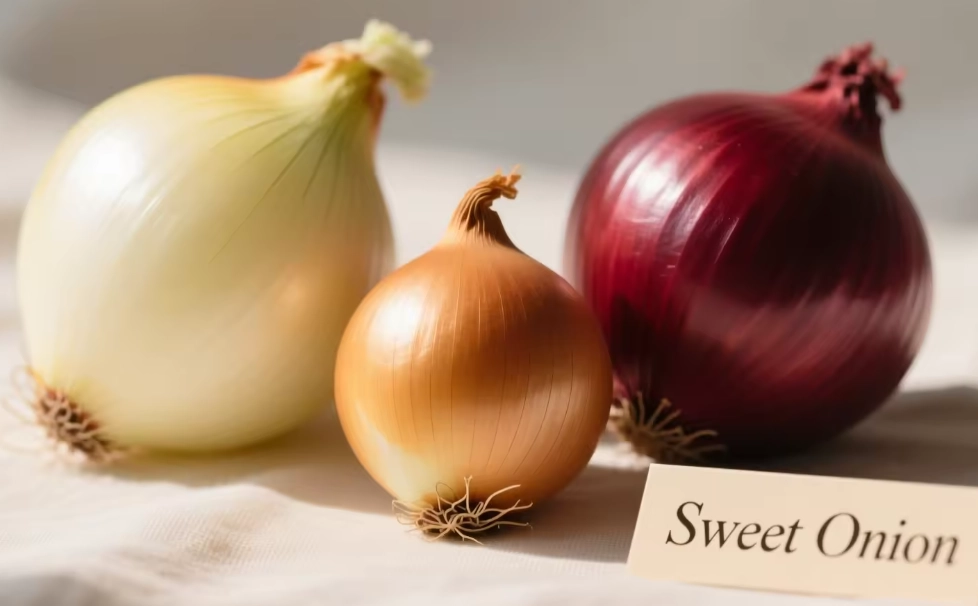
The Core Difference: Think of a standard yellow onion as a robust, long-lasting workhorse. A sweet onion is a seasonal, delicate treat. You wouldn't store a ripe peach for six months, and you shouldn't treat a sweet onion like a storage onion.
The Major Sweet Onion Varieties and Their Names
So, "Vidalia" is the most common answer to "what is another name for a sweet onion?" but it's not the only one. Here’s your cheat sheet to the big players. You'll notice they're all named for their hometowns.
| Name | Primary Growing Region | Season (Northern Hemisphere) | Key Flavor & Texture Notes |
|---|---|---|---|
| Vidalia Onion | Specific counties in Georgia, USA (by law!) | Late April - Early July | The gold standard. Very mild, almost no heat, super sweet. Juicy and crisp when raw. |
| Walla Walla Sweet Onion | Walla Walla Valley, Washington/Oregon, USA | Mid-June - August | Exceptionally juicy and sweet. Slightly flatter shape. Known for being so mild you can eat it like an apple. |
| Maui Onion | Slopes of Haleakalā on Maui, Hawaii, USA | Year-round (peak April-Nov) | Distinctive flattened shape. Rich, sugary sweetness with a very subtle, pleasant pungency. High water content. |
| Texas Sweet Onion (1015Y or "Texas Supersweet") | South Texas, USA (mainly Rio Grande Valley) | March - June | Large, firm, and sweet. Named "1015" for the optimal October 15 planting date. Good shelf life for a sweet type. |
| Bermuda Onion | Historically Bermuda; now mainly Texas, California | Varies | The original sweet onion. Large, flat, and white/yellow. Often used generically, but true Bermudas are mild. |
Here’s a practical tip most blogs miss: seasonality is your best guide. If it's May in a U.S. grocery store, those sweet onions are almost certainly Vidalias from Georgia. In July and August, you're likely seeing Walla Wallas. In the winter, you might find imports or stored Texas sweets. The label often tells you, but if it just says "Sweet Onions," the time of year gives you a huge clue about their origin.
What About "Yellow Sweet Onions"?
You might see a bag labeled simply "Yellow Sweet Onions." This is usually a generic term for a sweet onion variety (often a hybrid like Granex, which is what Vidalias are) grown outside a protected region. They can still be very good and sweet, but they won't have the guaranteed pedigree and consistent flavor of a named, region-specific onion. Think of it as the difference between a generic "sparkling wine" and "Champagne."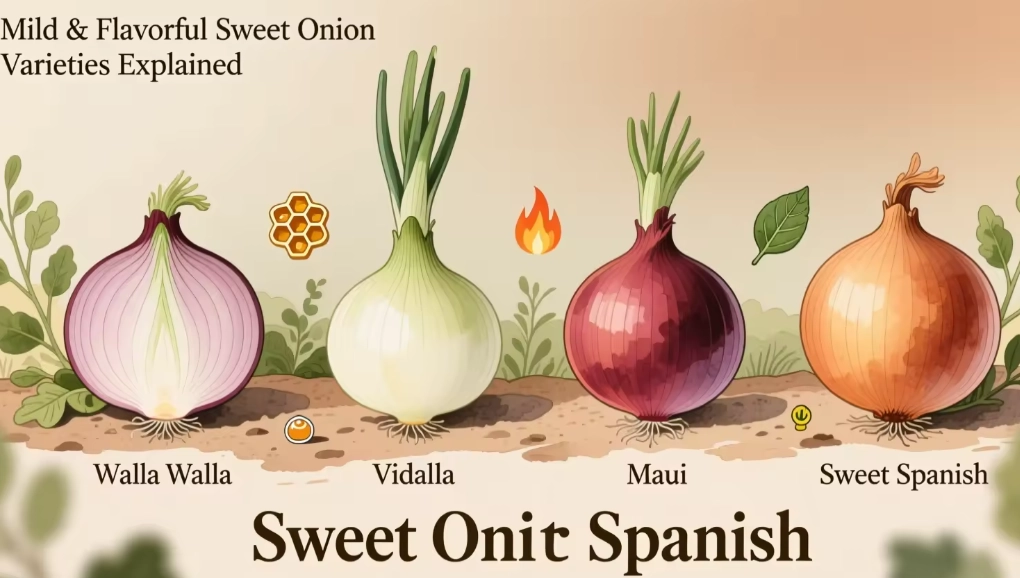
How to Choose and Store Sweet Onions for Maximum Freshness
This is where people waste money. They buy a bag of sweet onions and toss half because they went mushy. Let's fix that.
Choosing:
- Feel them: They should be rock-hard with no soft spots. Any give means decay has started.
- Check the neck: The top (where the dry stems are) should be tight and dry. A thick, spongy neck is a red flag.
- Smell them: This is critical. A sweet onion should have little to no smell at the stem end. If you get a strong, pungent onion aroma, it's either not a true sweet variety or it's past its prime. I learned this the hard way after buying "sweet" onions that made my eyes water from three feet away.
- Avoid the plastic mesh bags if you can. They trap moisture. Choose loose onions so you can inspect each one.
Storing (The Right Way):
Forget everything you know about storing regular onions. Do not put sweet onions in a cool, dark pantry with your potatoes.
- Keep them cool, dry, and airy. The best place is in a single layer in the crisper drawer of your refrigerator. The cold dramatically slows down the enzymatic processes that lead to spoilage.
- Do not store them in plastic. Plastic bags trap ethylene gas and moisture, speeding up rot. If they came in a mesh bag, take them out. Place them in a paper bag or, better yet, a dedicated vegetable bin liner that allows airflow.
- Keep them away from potatoes. Potatoes release moisture and gases that cause onions to spoil faster.
- Use them within 2-4 weeks. Check them weekly. If one starts to go bad, remove it immediately to save the others.
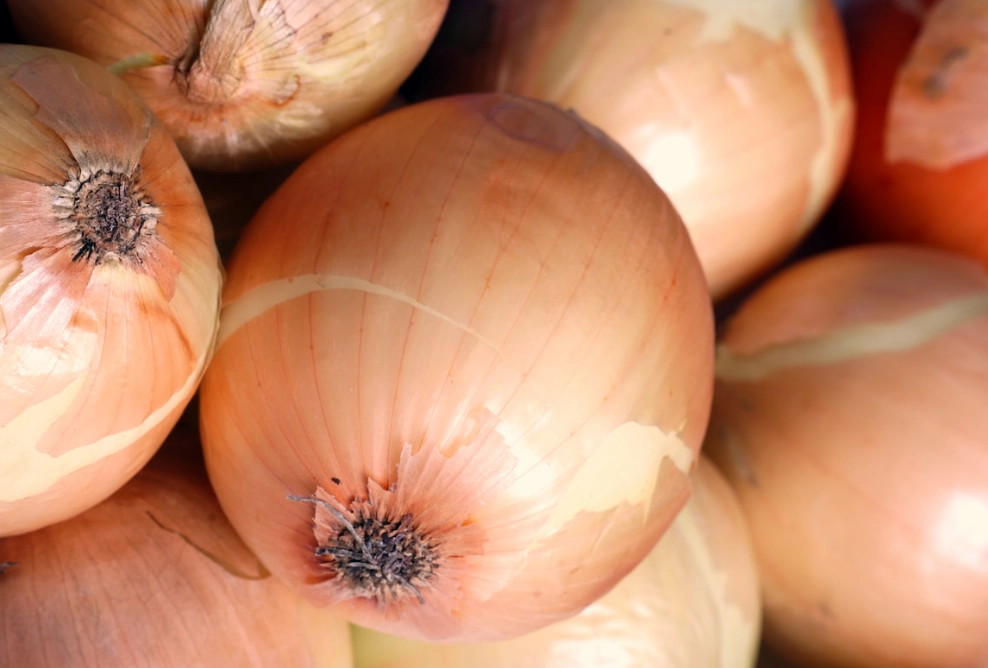
Cooking with Sweet Onions: Best Uses and Common Mistakes
Sweet onions shine in applications where their mildness and sugar can be appreciated. But they're not always a 1:1 substitute for yellow onions.
Best Uses for Sweet Onions:
- Raw applications: This is their superpower. Salads (like Greek salad), salsas, sandwiches, burgers, and wraps. Their crisp texture and lack of harshness are perfect.
- Quick-cooked dishes: Stir-fries, fajitas, or quick sautés where you want a bit of texture and sweet flavor to remain.
- Toppings: Pickled onions, onion rings, or as a fresh garnish on soups and chili.
- Grilling and roasting: Their high sugar content caramelizes beautifully. Try thick slices on the grill.
Common Mistakes to Avoid:
- Using them as the base for a long-simmered sauce or stew. Here's an expert take: Their high water content can make your sauce watery, and their delicate flavor gets completely lost after hours of cooking. For a beef stew or marinara, a good yellow onion provides a deeper, more savory foundation. Save the sweets for where they can be tasted.
- Assuming they can't caramelize. They can, and they do it wonderfully because of their sugar. The trick is to cook them over lower heat for a longer time to drive off all that excess water before browning begins. If you try to rush it over high heat, you'll just steam them.
- Overbuying. Don't get a 5-pound bag unless you're feeding a crowd or planning to pickle or freeze them. Buy what you'll use in a couple of weeks.
Your Sweet Onion Questions, Answered
Why do some recipes specifically call for a Vidalia or Walla Walla onion?
It's about flavor guarantee and authenticity. A recipe developer from the South knows the specific, mild sweetness of a Vidalia is integral to their dish, like a classic Vidalia onion pie. Specifying it ensures you get the right flavor profile. Using a generic yellow onion would result in a sharper, more pungent taste that changes the dish.
Can I substitute a regular yellow onion for a sweet onion in a recipe?
You can, but expect a different result. In raw dishes (salads, salsas), the substitution will be very noticeable—you'll get a stronger, more pungent bite. In cooked dishes, the difference is subtler but still there. For a closer match, you can tame a yellow onion's sharpness by soaking thin slices in cold water for 10-15 minutes before using them raw, or by adding a tiny pinch of sugar to cooked dishes to mimic the sweetness.
 Are sweet onions actually healthier than regular onions?
Nutritionally, they're very similar in terms of vitamins, minerals, and antioxidants like quercetin. The main difference is the lower concentration of sulfur compounds (which have their own health benefits). So, not necessarily "healthier," but their mildness might encourage you to eat more onions overall, which is a win.
My sweet onions started sprouting green tops in the pantry. Are they still good?
Yes, but use them soon. The sprouting means they've been stored too warm. The onion bulb itself will start to soften and lose flavor as its energy goes into the green shoot. Cut out the sprouted core (it can be bitter) and use the remaining firm layers promptly. The green shoots are edible too—use them like a very mild chive.
What's the best way to freeze sweet onions if I have too many?
Dice or slice them first. Blanch them in boiling water for 1-2 minutes, then plunge into ice water to stop the cooking. This process deactivates the enzymes that cause off-flavors in the freezer. Drain thoroughly, pat dry, and spread in a single layer on a baking sheet to "flash freeze." Once frozen solid, transfer to airtight freezer bags, removing as much air as possible. They'll keep for 6-8 months and are best used in cooked dishes, as the texture will be too soft for raw use after thawing.
Reader Comments