Let's get straight to the point: the single biggest factor between a good apple pie and a legendary one isn't your crust recipe (though that's important). It's the apples you choose. Grab the wrong bag from the grocery store, and you're looking at a soggy, mushy, or bland dessert. Pick the right ones, and you create a filling with perfect sweet-tart balance that holds its shape when sliced. I learned this the hard way after my first "from-scratch" pie turned into a sad, beige soup. Since then, I've spent years testing varieties, talking to orchardists, and yes, eating a lot of pie to figure this out.
What's Inside This Guide
What Makes an Apple Good for Pie?
Forget just sweetness. You need an apple that can stand up to the heat. When we talk about "apples for apple pies," we're really talking about structure and flavor chemistry.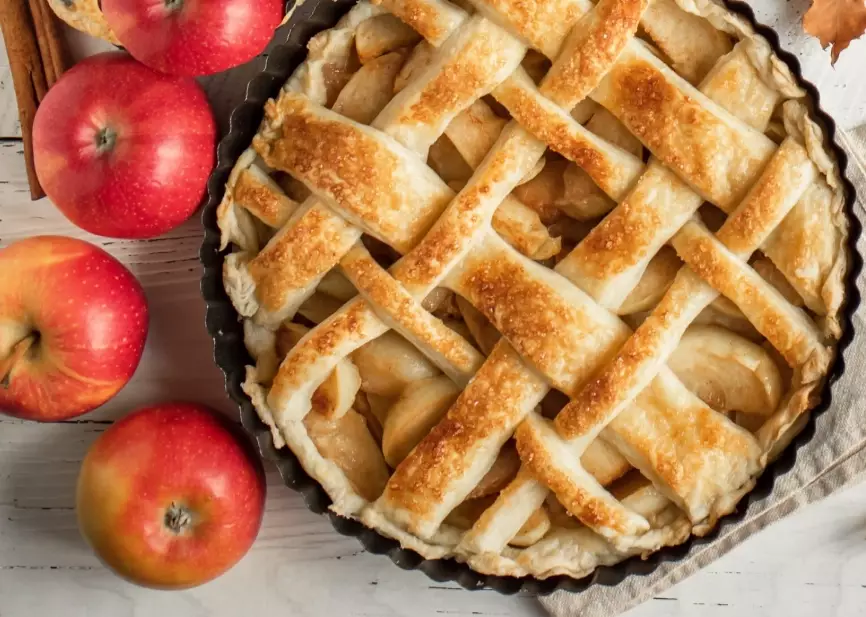
The ideal pie apple has two non-negotiable traits:
- Firm, Dense Flesh: This is the big one. A good baking apple won't completely dissolve into applesauce after 45 minutes in the oven. It should soften but retain some defined texture, giving the filling body. Think of it as the architectural support of your pie.
- A Balanced Flavor Profile: Pure sweetness gets cloying. You need acidity to cut through the butter and sugar, creating a more complex, grown-up taste. That tang is what makes you go back for another bite.
A subtle point most recipes miss: "Crisp" and "firm for baking" are not the same thing. A Honeycrisp is phenomenally crisp for eating, but its cells are large and filled with juice. That juice releases in the oven. A Granny Smith is also crisp, but its cell structure is denser, so it holds shape better. You're looking for cell wall strength, not just a satisfying crunch.
Texture breakdown is the silent killer of home bakes. A pie filled with apples that turn to mush feels homogenous in the mouth. You lose the pleasure of distinct, tender-yet-present fruit pieces. The filling can also become watery if the apples break down too much, preventing your thickener (like cornstarch or flour) from doing its job properly.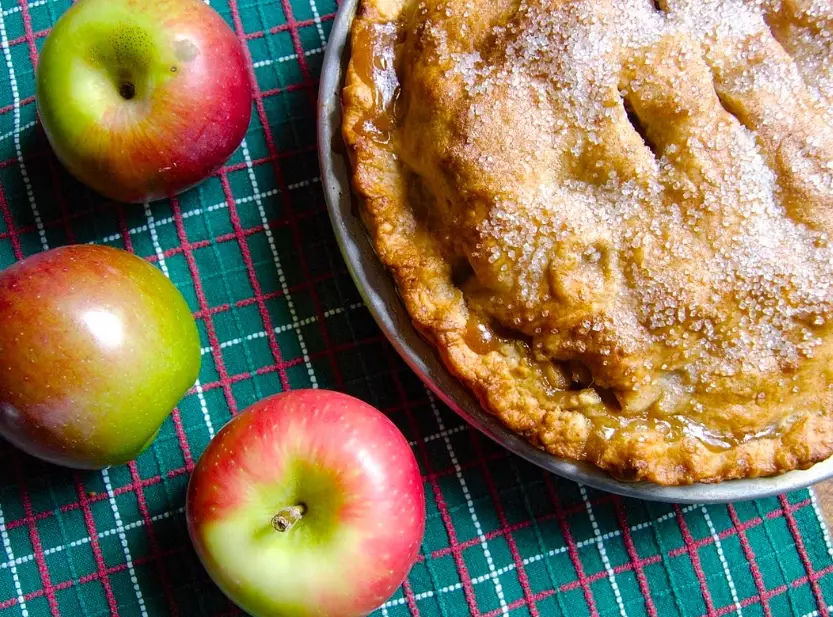
The Best Apples for Apple Pie: A Detailed Breakdown
Based on availability, reliability, and flavor, here's my breakdown. I strongly recommend using a mix of two or three types. This isn't just a fancy chef tip—it builds depth of flavor and ensures some apples keep shape while others break down slightly to create a cohesive sauce.
| Apple Variety | Flavor Profile | Texture When Baked | Best Used For | Where to Find |
|---|---|---|---|---|
| Granny Smith | High acid, tart, clean | Very firm, holds shape excellently | The structural backbone. Provides essential tang. | Ubiquitous. Every supermarket, year-round. |
| Honeycrisp | Very sweet, mild acid, aromatic | Softens well but can get juicy. Holds a soft shape. | Primary sweetener and flavor. Balances tart apples. | Widely available fall through early winter. |
| Braeburn | Perfect sweet-tart balance, spicy note | Firm, holds its shape beautifully. | A fantastic all-rounder. Can be used solo or mixed. | Common in fall. Good grocery stores and orchards. |
| Jonagold (Jonathan + Golden Delicious) | Tangy-sweet, complex honeyed notes | Tender-soft, breaks down somewhat to thicken filling. | Adding complexity and natural sauciness. | Orchards, farmers markets, higher-end grocers in season. |
| Northern Spy | Tangy, aromatic, classic "pie apple" flavor | Exceptionally firm, legendary holding power. | The gold standard for structure. Mix with sweeter types. | Harder to find. Seek out orchards or specialty markets in the Northeast/Midwest. |
My go-to blend for a crowd-pleasing pie: 50% Granny Smith (for structure and zip), 30% Honeycrisp (for floral sweetness), and 20% Braeburn (for that spicy depth). This combo never fails.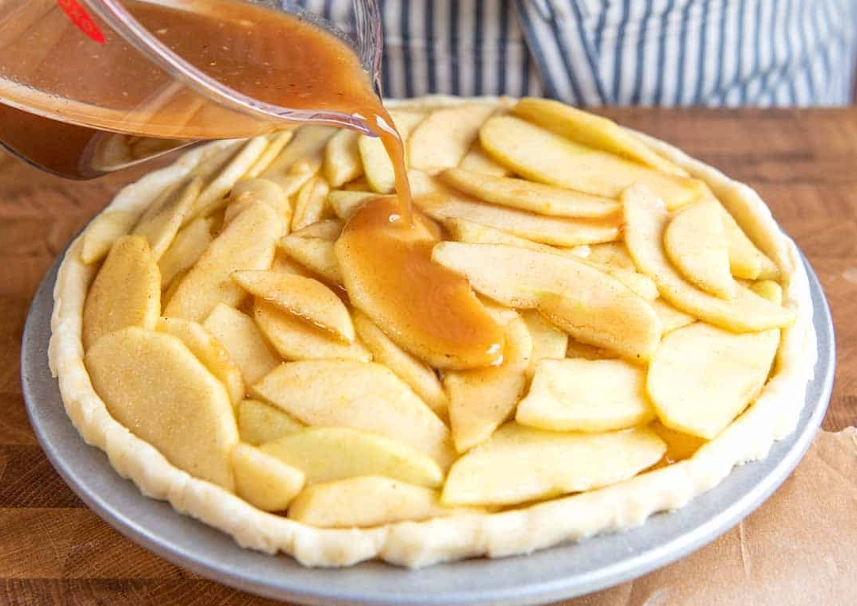
What about classics like Golden Delicious or McIntosh? Golden Delicious are sweet and soft—they can work in a mix but turn very mushy on their own. McIntosh? I avoid them for pie. They're tender and flavorful for eating, but they practically dissolve into applesauce when baked, leading to a watery, structureless filling. Save them for sauce.
What If I Can Only Find One Type?
Stick with Granny Smith or Braeburn. They have enough acid and firmness to carry a pie solo. If you only have sweet, soft apples (like Fuji or Gala), you'll need to adjust: increase your thickener slightly, expect a softer filling, and consider adding a squeeze of lemon juice to brighten the flavor.
How to Prepare Your Apples for the Perfect Pie
Your apple choice is 70% of the battle. Preparation is the other 30%. Here's the process that makes a difference.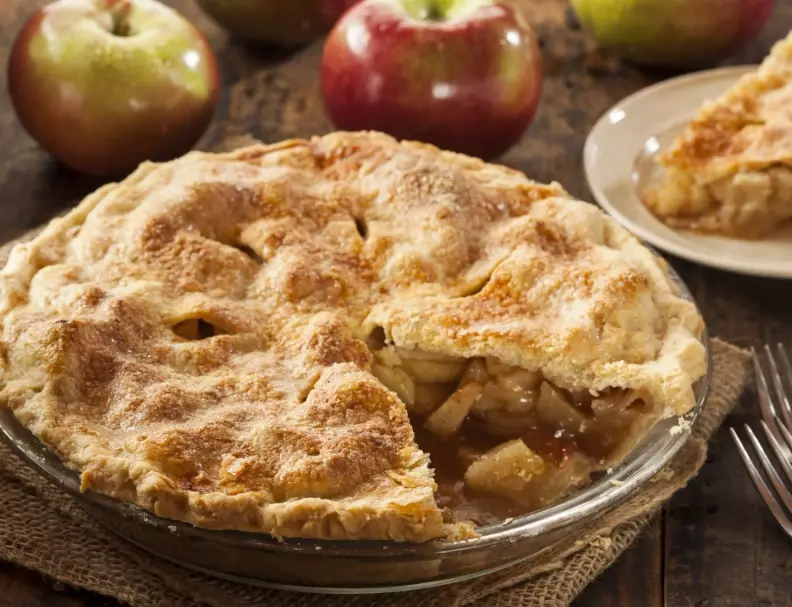
1. Slice Thickness Matters. Don't just chop. Aim for even slices, about 1/4-inch thick. Too thin, and they'll vanish. Too thick, and they might not cook through evenly, leaving hard spots. A mandoline makes this fast, but a sharp knife works fine.
2. To Peel or Not to Peel? I always peel. Apple skins can separate and curl into tough little ribbons in the filling, disrupting the texture. Some argue for nutrients, but for a smooth, classic pie texture, peeling is the way.
3. The Toss is Key. In a large bowl, toss your apple slices with the sugar, spices (cinnamon, nutmeg, a pinch of cardamom if you're feeling adventurous), thickener (I prefer 3-4 tablespoons of cornstarch for a clear, glossy filling), and a big pinch of salt. Don't add the butter yet. Get every slice coated. Let it sit for 15 minutes. You'll see liquid start to pool—that's the apples macerating. This step pre-dissolves the thickener and jump-starts flavor absorption.
4. Pre-cooking? A Secret Weapon. This is my non-consensus, expert-level move for avoiding a soggy bottom crust. Take your macerated apples and their juices, dump them into a large skillet or Dutch oven, and cook over medium heat for 8-10 minutes, stirring often. You're not cooking them through, just until they've lost their raw edge and the juices have thickened into a glossy syrup. Let this mixture cool completely before filling your crust. This ensures your thickener is fully activated before it goes in the oven, so the bottom crust sets quickly and doesn't get soaked.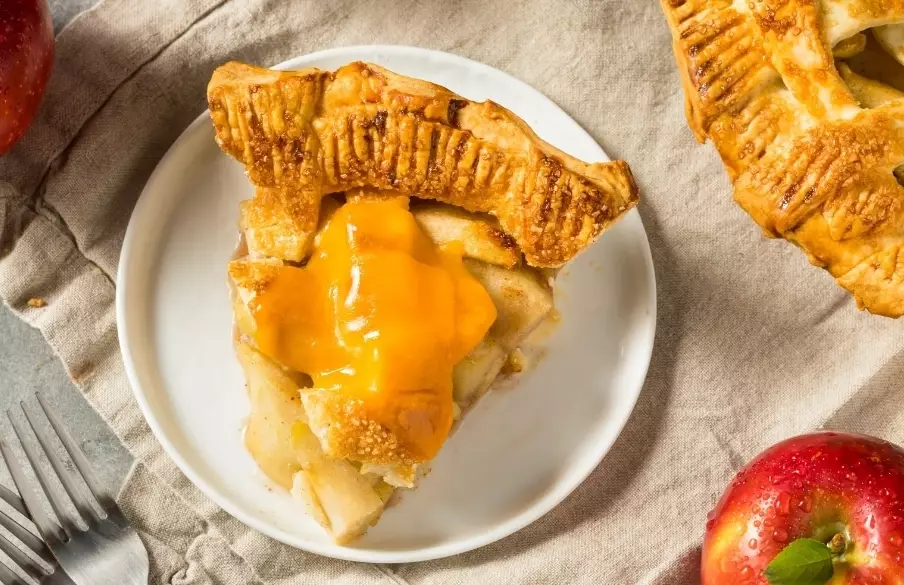
Common Apple Pie Mistakes and How to Avoid Them
I've made these. You probably have too. Let's fix them.
Mistake 1: Using only one type of apple. We covered this. Mix for flavor and texture harmony.
Mistake 2: Slicing apples too thin or unevenly. Uneven slices cook at different rates. Some turn to mush waiting for others to soften. Consistency is crucial.
Mistake 3: Skipping the salt. Salt isn't for making it salty. It's a flavor amplifier. It makes the sweet sweeter and the spices more aromatic. Never omit it.
Mistake 4: Overloading sugar to compensate for tart apples. If you use a balanced blend, you need less sugar than you think. Tartness is a feature, not a bug. Start with 3/4 cup sugar for a 9-inch pie and adjust based on your apple sweetness. You can always add more next time.
Mistake 5: Putting hot filling into the crust. This melts the fat in the dough before baking, guaranteeing a soggy bottom. Cool your filling first. Patience pays.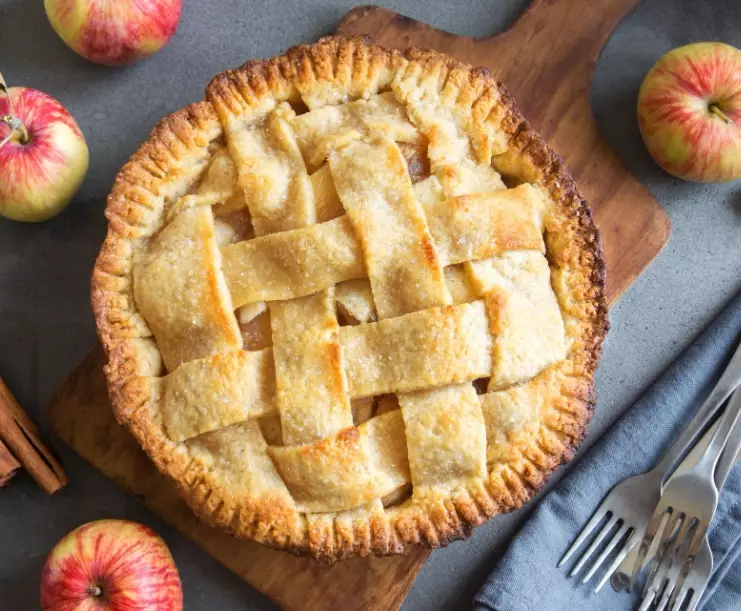
Your Apple Pie Questions, Answered
The journey to perfect apple pie filling starts at the fruit bowl. It's not just about grabbing any apple. It's about choosing fighters—apples with the structure and spirit to transform under heat into something greater than the sum of its parts. Start with a blend, handle them with care, and don't fear the tartness. That's where the real flavor lives. Now go preheat your oven.
Reader Comments