
You stand in the grocery aisle, staring at a dozen different apple varieties. Granny Smith, Honeycrisp, Fuji, Gala. The recipe just says "apples." Which ones do you grab for your pie? If you think any apple will do, you're setting yourself up for a mushy, watery, or bland disappointment. The truth is, the single most important decision for your apple pie happens right here, not in the oven. After baking countless pies (and learning from some spectacular failures), I can tell you that picking the right apple isn't about finding one "perfect" type. It's about understanding a balancing act.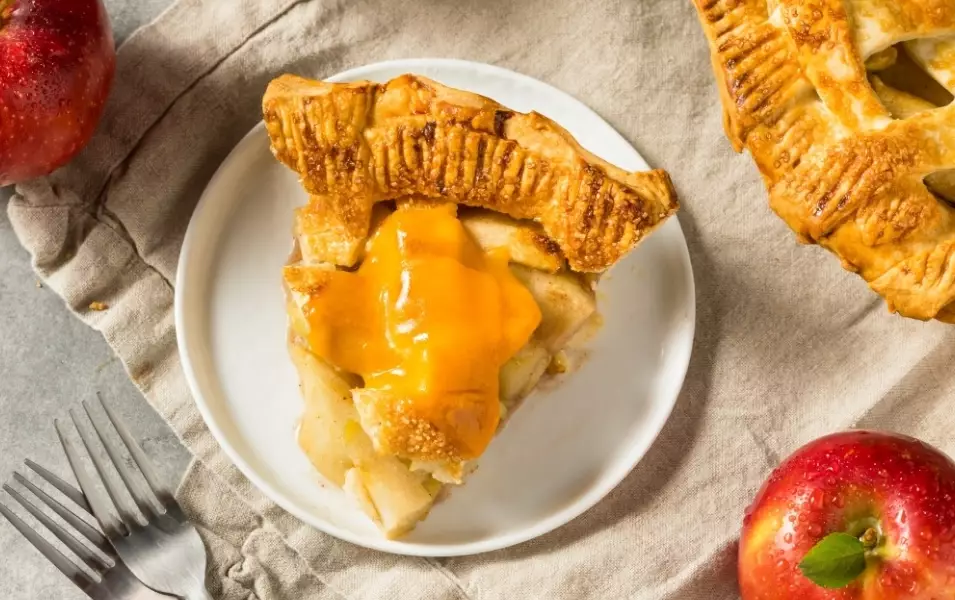
What's Inside This Guide?
The Golden Rule: Balancing Flavor, Texture, and Structure
Forget the old "tart vs. sweet" debate. That's only one piece of the puzzle. A great pie apple needs three things:
- Flavor that holds up: Sweetness mellows when baked. You need apples with enough acidity (that tart zing) to keep the flavor from turning flat and one-dimensional.
- Texture that softens but doesn't vanish: The apple should break down slightly, becoming tender, but it must retain some shape and bite. You don't want applesauce in a crust.
- Low water content: This is the secret weapon nobody talks about enough. Juicy apples like Red Delicious release a flood of liquid during baking, leading to a soggy bottom crust and a gap between the filling and the top crust. You want a dense, less watery flesh.
The biggest mistake I see home bakers make? Using whatever looks pretty or is on sale without considering water content. A beautiful, juicy Gala apple can ruin your pie's structure.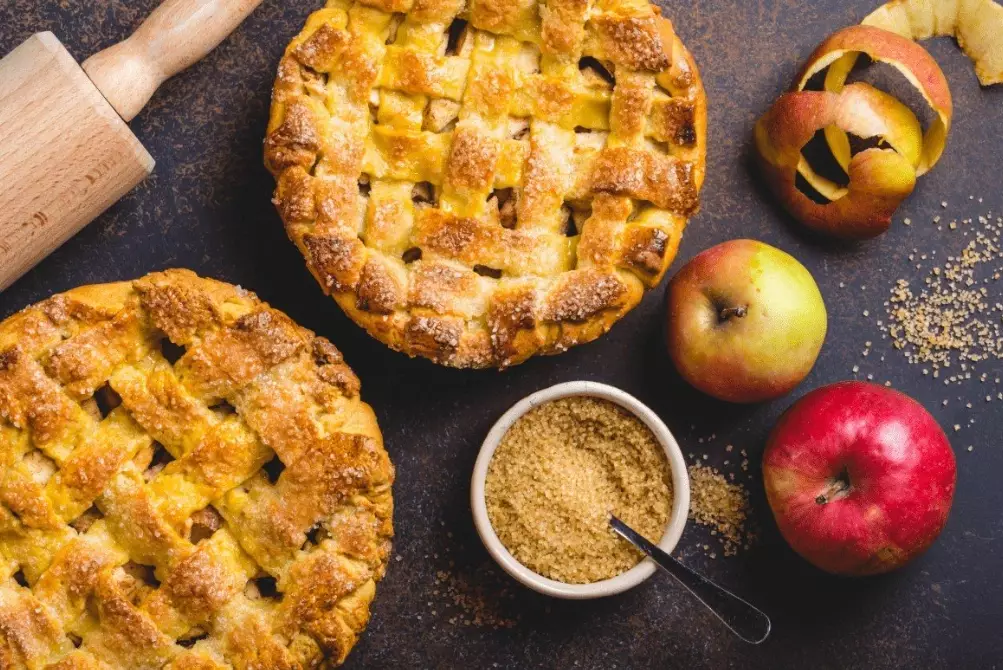
Top Apple Varieties for Pie: A Detailed Breakdown
Let's get specific. Here’s a breakdown of the top contenders, based on years of testing and talking to orchardists.
| Apple Variety | Flavor Profile | Texture When Baked | Water Content / Structure | Pie Recommendation |
|---|---|---|---|---|
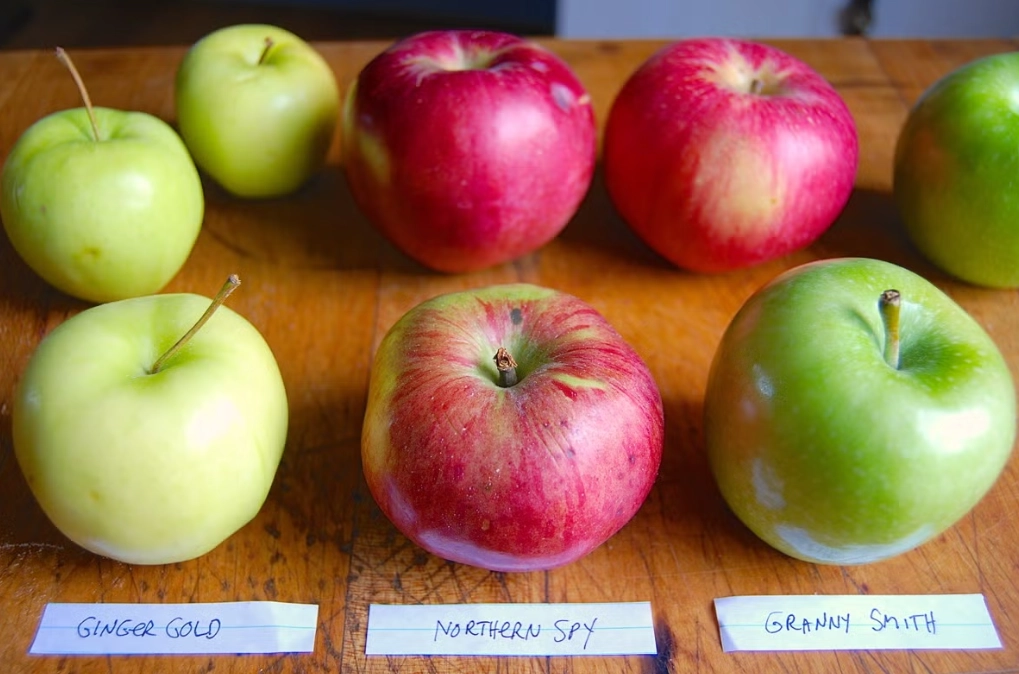
| Granny Smith | Very tart, bright, tangy | Holds shape exceptionally well, softens slowly | Low moisture, very firm flesh | The classic for a reason. Provides essential acidity. Best used in a mix. |
| Honeycrisp | Intensely sweet with balanced acidity | Softens nicely but can become a bit mushy if over-baked | Moderate moisture, crisp but not super dense | Great flavor, but use with a firmer apple (like Granny Smith) for best texture. |
| Braeburn | Sweet-tart, spicy, complex | Excellent. Holds a defined, tender chunk. | Low moisture, very firm | A top-tier, all-around pie apple. Often a baker's secret weapon. |
| Jonagold | Sweet (from Golden Delicious) with tart hint (from Jonathan) | Breaks down to a softer, almost creamy consistency | Moderate moisture | Fantastic for a smoother, more cohesive filling. Doesn't need a mixer. |
| Northern Spy | Tangy, aromatic, well-balanced | The gold standard. Keeps perfect tender-yet-distinct slices. | Low moisture, exceptionally firm | The holy grail for pie purists. Harder to find but worth seeking out. |
| Golden Delicious | Mild, sweet, buttery | Softens completely, almost melting | Higher moisture, softer flesh | Use only in a blend. Alone, it turns to mush and tastes bland. |
See that last entry? Golden Delicious is a perfect example of a popular eating apple that's a mediocre pie apple on its own. It lacks the structural integrity and flavor punch you need.
The Power of the Two-Apple Blend
Here’s my non-negotiable pro tip: Use at least two different kinds of apples. Why? You can engineer the perfect filling. Combine a firm, tart apple (for structure and zing) with a sweeter, softer apple (for complexity and creaminess).
- The Classic Balance: 60% Granny Smith + 40% Honeycrisp or Braeburn.
- The Flavor Bomb: 50% Northern Spy + 50% Jonagold.
- The Crowd-Pleaser: 50% Braeburn + 30% Granny Smith + 20% Fuji (Fuji adds floral notes but is moderately firm).
How to Choose Apples If You Can't Find the 'Best' Ones?
Your local store might not have Northern Spy or Braeburn. Don't panic. Use this field guide.
Step 1: The Squeeze Test (Gently!)
Avoid apples that feel soft or have give under light pressure. You want rock-hard firmness. This indicates dense flesh and lower water content.
Step 2: Read the Label or Ask
Many stores now label apples as "great for baking" or "good for pies." Trust those labels. If you're at a farmers market, ask the grower. They know how each variety performs when heated.
Step 3: Default to a Safe, Available Mix
If you're truly unsure, a bag of Granny Smiths mixed with a bag of any firmer, sweet apple (like Pink Lady, Jazz, or even more Granny Smiths with extra sugar and spice) will never steer you wrong. It's a foolproof baseline.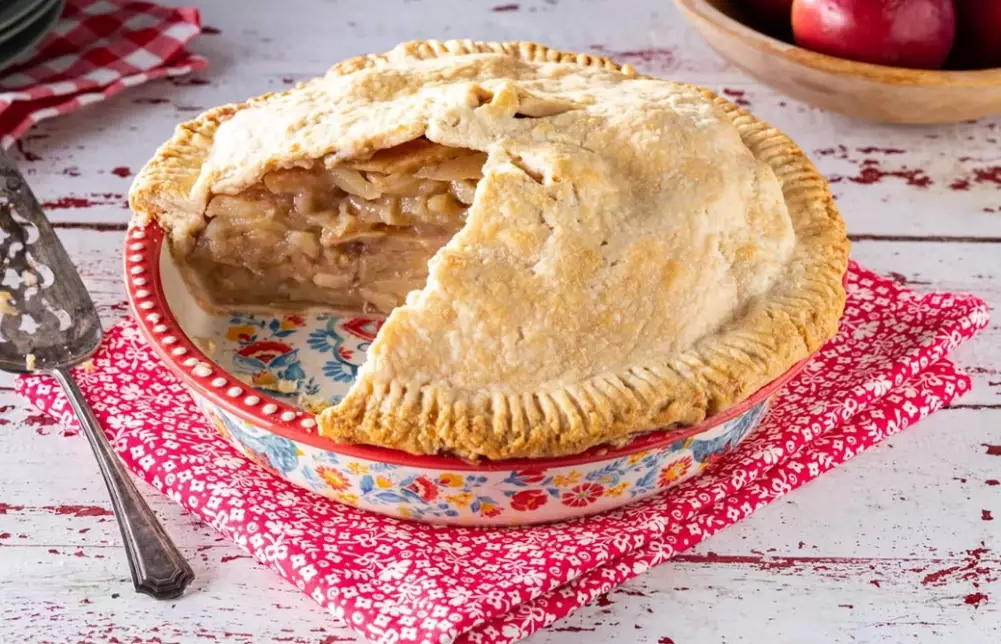
Common Apple Pie Mistakes and How to Avoid Them
Choosing the apple is half the battle. Here’s how to mess up the second half, and how to avoid it.
Mistake 1: Not pre-cooking the filling (sometimes). This is controversial. Many swear by throwing raw apples in the crust. For very wet apples or a guarantee against a soggy bottom, I often give my apples a head start. I toss the slices with sugar and spices, let them macerate for 30 minutes, then drain and reduce the collected juices into a syrup to mix back in. It concentrates flavor and removes excess liquid.
Mistake 2: Cutting slices too thin or too thick. Aim for slices about 1/4-inch thick. Too thin, and they disintegrate. Too thick, and they won't cook through evenly, leaving hard chunks.
Mistake 3: Forgetting the thickener. Even the best apples release some juice. A tablespoon or two of cornstarch, tapioca starch, or flour is non-optional. Mix it thoroughly with your sugar and spices before tossing with the apples.
Your Apple Pie Questions, Answered
 I see "Macintosh" on every list, but you didn't mention it. Why?
So, what kind of apples do you use for apple pie? You use apples that are firm, flavorful, and chosen with purpose. Don't just grab and go. Think like a baker. Start with a Granny Smith for backbone, mix in a Honeycrisp or Braeburn for sweetness and aroma, and you've built a foundation for a pie that's anything but ordinary. Your crust will be crisp, your filling will have personality, and that first slice will be the answer to why the choice mattered all along.
Reader Comments