September is that beautiful, confusing month where summer isn't quite ready to leave and autumn is already knocking on the door. Your local farmers' market or grocery store produce aisle reflects this perfectly. You'll still see the last of the summer berries, but the bins are suddenly overflowing with the first crisp apples and fragrant pears. Knowing which September fruits are at their absolute peak isn't just about flavor—it's about getting the best nutritional value, supporting local growers, and often, paying less. Let's cut through the overlap and talk about what you should be putting in your basket right now.
What’s Inside This Guide
The Complete September Fruits List
This isn't just a generic list. I'm focusing on the fruits that truly hit their stride in September in most temperate climates (think North America, Europe, parts of Asia). The quality and sweetness you get now are unmatched other times of the year.
| Fruit | Key Varieties to Look For | Flavor & Best Use | Pro Storage Tip |
|---|---|---|---|
| Apples | Gala, Honeycrisp, McIntosh, Jonathan, Early Fuji | From sweet to tart-tangy. Eat fresh, bake, make sauce. | Store in a cool, dark place or the fridge crisper. They last for weeks. |
| Pears | Bartlett, Bosc, Anjou, Seckel | Buttery, sweet, sometimes spicy. Eat ripe, poach, or add to salads. | Ripen at room temp until the neck yields slightly to pressure. Then refrigerate. |
| Figs | Black Mission, Brown Turkey, Kadota | Honey-like sweetness with a jammy interior. Perfect fresh, with cheese, or roasted. | Highly perishable. Eat within 1-2 days of purchase. Don't stack them. |
| Plums & Pluots | Santa Rosa, Italian Prune, Flavor Supreme Pluot | Juicy, sweet-tart. Snack, roast with meats, or make jam. | Let firm plums ripen on the counter. Store ripe ones in the fridge. |
| Grapes | Concord (blue), Thompson (green), Crimson Seedless (red) | Bursting with juice. Eat fresh, freeze for snacks, or make a quick compote. | Keep unwashed in a perforated bag in the fridge. Wash just before eating. |
| Late Berries | Blackberries, Raspberries, Fall-bearing Strawberries | Often more intense flavor than summer berries. Use in desserts, oatmeal, or smoothies. | Check for mold. Store in a single layer on a paper towel in the fridge. Use fast. |
A quick note on apples. You'll see early-season varieties like Gala and McIntosh. They're fantastic for eating fresh and making applesauce, but they tend to be softer. If you want an apple for a pie that holds its shape, wait a few more weeks for Granny Smith or Rome. That's a subtle point most lists don't mention.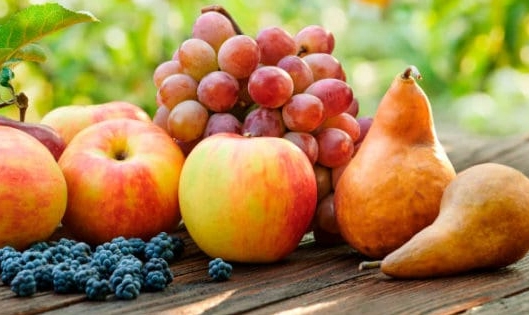
Pears are the real September superstars, and most people get them wrong. A ripe pear is one of life's great pleasures, but a crunchy, underripe one is a disappointment. The trick is buying them hard and letting them ripen at home. If they're already soft at the store, they're likely over the hill and mushy inside.
How to Select and Store September Fruits (The Right Way)
Picking fruit can feel like a guessing game. Here’s how to win, specifically for this September harvest.
Selecting Peak-Season Fruit
For Apples: Look for firm fruit with smooth, taut skin. Avoid any with soft, bruise-like spots or wrinkled skin near the stem. The scent should be fresh and appley. I find that smaller apples often have more concentrated flavor than the gigantic, perfect-looking ones.
For Pears: This is crucial. Color is not a good ripeness indicator for most pears. Instead, use the “Check the Neck” method. Gently press the flesh near the stem with your thumb. If it yields slightly, it's ready to eat or refrigerate. If it's rock hard, it needs days on the counter. A pear that yields all over is overripe.
For Figs: They should be plump, heavy for their size, and slightly soft to the touch, but not leaking. The stem should be firm. A sour smell means fermentation has started. Don't worry about minor skin splits—that often indicates sweetness.
Storage Reality Check: Don't wash any fruit until you're ready to eat it. Moisture is the enemy of longevity and encourages mold, especially for berries and figs. That bunch of grapes will last twice as long if you leave it unwashed in its original bag in the fridge.
The Ethylene Gas Factor
Apples and pears emit a natural gas called ethylene that speeds up ripening. This is great if you have a hard avocado you want to ripen (put it in a paper bag with an apple). It's bad if you store your apples next to your lettuce or cucumbers in the fridge—your greens will wilt and yellow quickly. Keep apples and pears separate from other produce.
Simple September Fruit Recipes to Try
You don't need to be a pastry chef. The best ways to enjoy September fruits are often the simplest, letting the quality of the ingredient shine.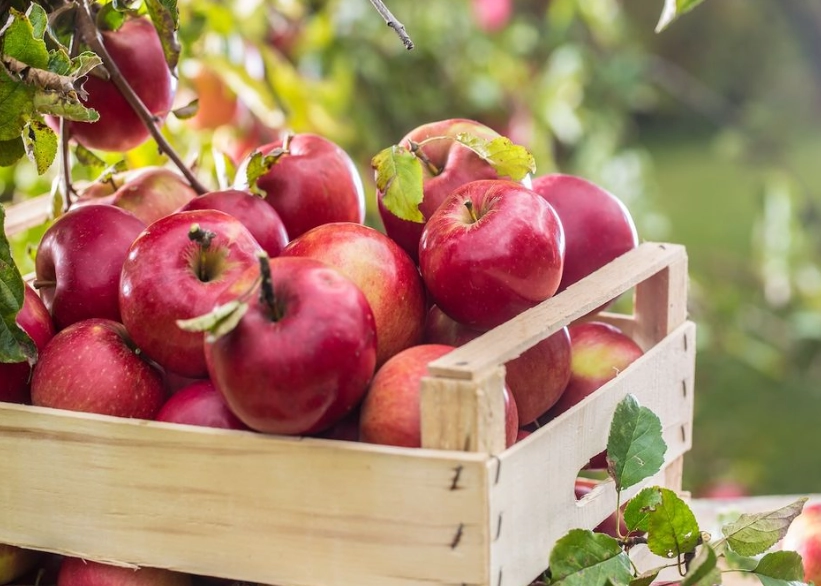
Five-Minute Roasted Pears with Yogurt
This is my go-to breakfast or healthy dessert when pears are perfect. It takes almost no effort and feels decadent.
What you need: 2 ripe but firm pears (Bosc or Anjou work well), 1 tablespoon honey or maple syrup, 1/2 teaspoon cinnamon, a pinch of salt, 1 cup plain Greek yogurt, a handful of toasted walnuts.
What you do: Heat your oven to 400°F (200°C). Halve the pears and scoop out the core with a spoon. Place them cut-side up on a baking sheet. Drizzle with honey and sprinkle with cinnamon and salt. Roast for 15-20 minutes until tender and caramelized at the edges. Let them cool for a minute, then place on a bed of yogurt, drizzle with any pan juices, and top with walnuts.
No-Fuss Apple & Blackberry Crisp
This is the ultimate September dessert. Tart apples, juicy blackberries, and a crunchy oat topping. It’s forgiving and doesn't require precise measurements.
For the filling: Toss 3-4 chopped apples (skin on for fiber and color), 1-2 cups of blackberries, 2 tablespoons of flour or cornstarch, 1/4 cup sugar (adjust based on fruit sweetness), and a squeeze of lemon juice in a baking dish.
For the topping: In a bowl, mix 1 cup rolled oats, 1/2 cup flour, 1/2 cup brown sugar, 1 teaspoon cinnamon, and a pinch of salt. Work in 1/2 cup (1 stick) of cold, cubed butter with your fingers until crumbly. Sprinkle evenly over the fruit.
Bake at 375°F (190°C) for 35-45 minutes, until the top is golden and the fruit is bubbling. Let it sit for 15 minutes before serving—this is non-negotiable, it lets the juices thicken.
These recipes are templates. Use plums instead of pears. Use raspberries or the last of the peaches with the apples. September cooking is about flexibility.
Reader Comments