I learned the hard way that not all apples are created equal for baking. Years ago, I spent an afternoon making an apple pie with Red Delicious apples because they were on sale. The result? A mushy, flavorless mess that collapsed into a sad, sweet soup. The crust was soggy, the filling lacked any bright tartness, and the texture was just... wrong. That disaster taught me more than any cookbook ever could: choosing the right apple is the single most important decision you'll make for your baked goods. It's not just about flavor; it's about structure, moisture content, and how the fruit holds up under heat. Let's cut through the confusion and talk about what apples are genuinely good for baking.
What's Inside This Guide
The Top Baking Apples: A Side-by-Side Comparison
Forget the shiny, perfect-looking apples in the front of the display. We're after the workhorses. A good baking apple needs two key traits: it must hold its shape (we call this being "firm-fleshed") and it needs a balance of sweet and tart to create depth of flavor. Here’s the breakdown of the champions, based on my own tests and conversations with orchardists.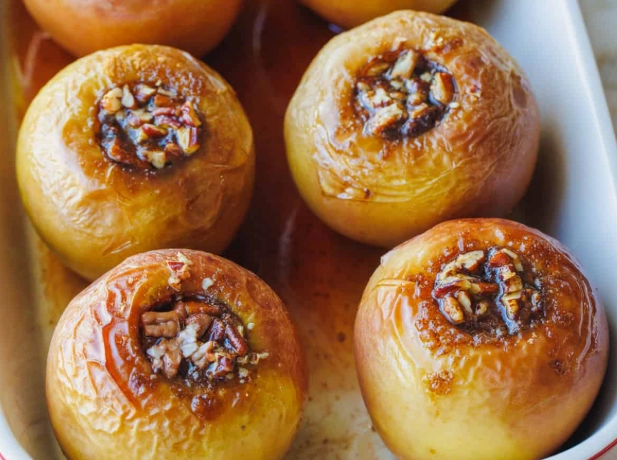
| Apple Variety | Flavor Profile | Texture When Baked | Best Used For | My Personal Take |
|---|---|---|---|---|
| Granny Smith | Very tart, crisp, bright | Holds shape excellently, softens but doesn't mush | Apple pie (classic), crisps, tarts where you want a tangy contrast | The reliable standard. Its high acidity cuts through sugar and butter. Sometimes needs a sweeter apple mixed in for balance. |
| Honeycrisp | Intensely sweet with a hint of tartness, juicy | Holds up surprisingly well, becomes tender but distinct | Apple cakes, pies (especially solo), baked apples | A modern favorite for good reason. Expensive, but its complex flavor and reliable texture often make it worth it. Less likely to water out. |
| Braeburn | Sweet-tart, spicy, aromatic | Firm, keeps a pleasing bite | All-purpose: pies, crisps, muffins, turnovers | An underrated superstar. It caramelizes beautifully and its spice notes come alive in the oven. |
| Jonagold | Balanced sweet-tart, honeyed notes | Softens to a creamy, almost saucy consistency | Apple sauce, pies where you want a thicker filling, bread puddings | A great blender. Its creamy texture helps bind fillings. I rarely use it alone. |
| Rome | Mildly sweet, less acidic | Holds its shape almost perfectly | Baked apples (whole), dishes where presentation is key | The shape-keeper. Flavor is a bit one-dimensional, so I always add spices, citrus zest, or mix it with a tarter variety. |
| Northern Spy | Tangy, complex, aromatic | Remarkably firm, slices stay intact | The ultimate apple pie apple, mincemeat, long-cooking recipes | A baker's holy grail if you can find it. Season is short. Its structure is unmatched. |
You'll notice I didn't list Fuji or Red Delicious. That's intentional. Fuji is too sweet and often too soft, leading to a one-note, mushy filling. Red Delicious? It's practically engineered for looks, not cooking. Its flesh breaks down into mealy nothingness. Save them for the lunchbox.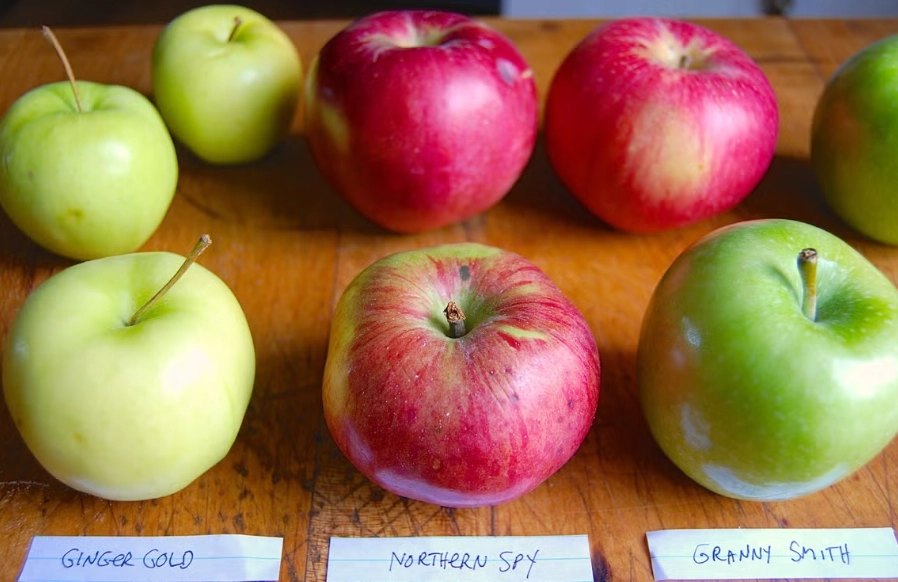
How to Choose the Right Apple for Your Recipe
Now, how do you translate that table into a decision at the grocery store or farmers market? Think about the end goal of your dessert.
For Apple Pie and Double-Crust Tarts
You need structure and flavor contrast. A single variety can work, but a blend is magic. I swear by a 60/40 ratio: 60% firm, tart apple (like Granny Smith or Northern Spy) for structure and zing, and 40% sweeter, aromatic apple (like Honeycrisp or Braeburn) for complexity and caramelization. This combo prevents a monotonous filling and ensures some slices keep a slight bite while others melt into the sauce. The USDA doesn't have an official baking apple grade, but looking for firmness with your thumb is a better test than any sticker.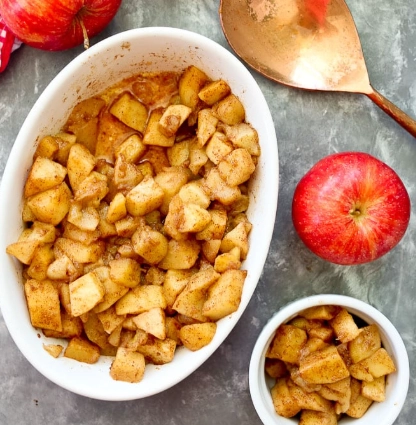
For Apple Crisps, Crumbles, and Betties
Since these have a top crust only, a little more breakdown is okay. Apples that soften into a jammy consistency, like Jonagold or a softer Braeburn, work wonderfully here. They create their own luscious sauce that bubbles up around the topping. You can go sweeter here, as the oat and brown sugar topping provides a contrasting texture more than flavor balance.
For Apple Cakes, Muffins, and Breads
Moisture control is critical. An apple that's too juicy can make a batter soggy. Honeycrisp and Braeburn are top choices because their moisture is balanced by a firm cell structure. Gala apples can work in a pinch here too, as they're moderately firm. Grate some for pervasive moisture and flavor, and dice some for little pockets of soft apple throughout.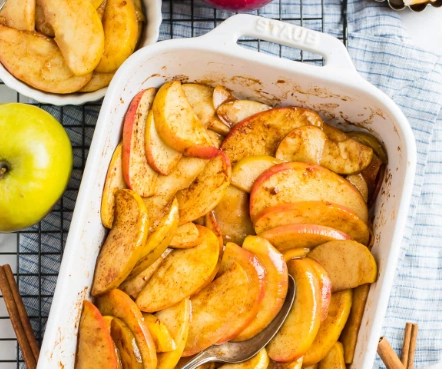
Pro Tips & Common Mistakes to Avoid
Selecting the apple is 70% of the battle. The other 30% is in the prep and mindset.
First, don't skip the pre-cook for pie fillings. Sautéing your apple slices with a bit of butter, sugar, and spices for 5-7 minutes before they go in the crust is a game-changer. It drives off excess moisture, concentrates flavor, and lets you control the sauciness. You're essentially par-baking the filling. This one step prevents the dreaded gap between top crust and filling.
Second, acid is your friend. Even if you're using sweet apples, a tablespoon of lemon juice or apple cider vinegar tossed with the slices does two things: it prevents browning (the least important part) and, more crucially, it brightens the overall flavor profile, keeping the dessert from tasting flat and cloying.
Here's something you rarely hear: consider the apple's size, not just its variety. Larger apples often have a more developed, complex flavor and a denser flesh than smaller ones of the same type picked earlier in the season. If you're at a farmers market, ask the grower which of their varieties are best for baking *right now*. Their answer might surprise you.
Finally, embrace the mix. No single apple is perfect. Blending varieties gives you a depth and complexity that mimics the best professionally made apple pies. It’s the difference between a solo and a symphony.
Reader Comments