Let's be honest. Most packaged fig bars taste like sweetened cardboard with a hint of nostalgia. The filling is often a vague, overly processed paste, and the crust lacks any real character. If you've got a basket of fresh figs—maybe from your tree or the farmers' market—turning them into real, honest-to-goodness fig bars is one of the best things you can do. The flavor is incomparable: jammy, complex, with a subtle honeyed sweetness that dried figs can't quite replicate. And making them at home means you control the sugar, the ingredients, and end up with a snack that's actually satisfying and nutritious.
What's Inside This Guide?
Why Fresh Figs Beat Dried for Homemade Bars
This is the non-consensus part most recipes gloss over. Everyone reaches for dried figs because they're available year-round. But fresh figs bring a moisture and floral brightness that transforms the filling. Dried fig paste can be dense and one-note sweet. Fresh fig filling has a livelier, more jam-like quality that pairs better with a buttery oat crust.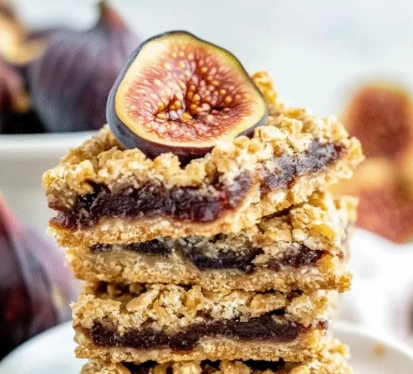
The catch? Water content. Fresh figs are about 80% water. If you just chop and bake, you'll get a soggy, leaking mess. The key step everyone misses is pre-cooking the filling. You need to simmer those chopped fresh figs down first, driving off excess water and concentrating their flavor. It takes an extra 15 minutes, but it's the difference between a bakery-quality bar and a wet squish.
I learned this the hard way. My first batch was so wet it seeped through the bottom crust. Not a good look.
The Fig Variety Showdown: Picking Your Star
Not all fresh figs are created equal for baking. The color and sweetness vary wildly. Here’s a quick breakdown of common varieties you might find:
| Fig Variety | Color (Skin/Flesh) | Best For Fig Bars Because... | Sweetness Level |
|---|---|---|---|
| Mission | Purple-Black / Deep Pink | Intense, berry-like flavor holds up to baking. Gives a gorgeous deep color. | High |
| Brown Turkey | Brown / Amber | Milder, classic fig taste. Reliable and widely available. Less seedy. | Medium-High |
| Kadota | Green-Yellow / Light Amber | Subtle, honeyed flavor. Makes a lighter, prettier filling. Less robust. | Medium |
| Calimyrna | Green-Gold / Golden | Nutty, buttery flavor. Creates a sophisticated, less sugary bar. | Medium (but rich) |
My personal favorite is a mix. I'll use mostly Mission for depth and throw in a few Kadotas for a brighter note. If you only have one type, don't sweat it—they'll all work. Just taste one first. If it's on the less sweet side (common early in the season), you might add an extra half-tablespoon of sweetener to the filling.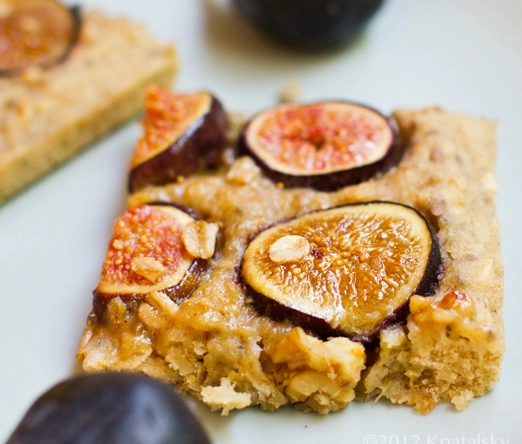
The Step-by-Step Fresh Fig Bars Recipe
This recipe makes one 8x8 inch pan, about 9 generous bars or 16 smaller squares. Prep time is about 30 minutes, plus baking and cooling.
Ingredients You'll Need
For the Fresh Fig Filling:
- 1 pound (about 450g) fresh figs, stems removed, chopped into 1/4-inch pieces (about 2.5 to 3 cups chopped)
- 1/4 cup (60ml) water or orange juice (juice adds nice acidity)
- 2 tablespoons honey or maple syrup (adjust based on fig sweetness)
- 1 tablespoon fresh lemon juice
- 1/2 teaspoon vanilla extract
- Pinch of salt
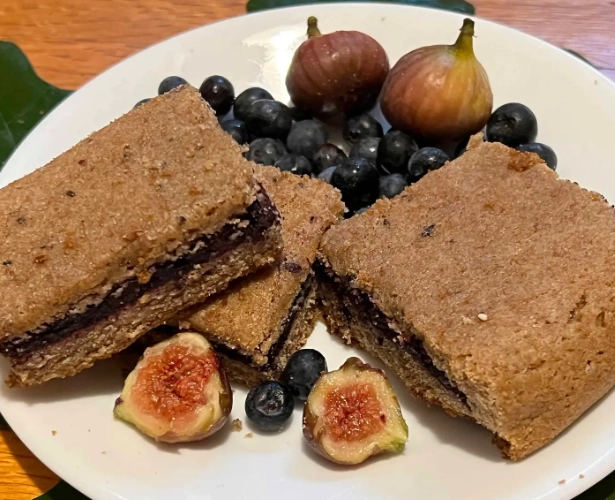
For the Oat Crust & Topping:
- 1 cup (125g) all-purpose flour (can sub 1/2 with whole wheat)
- 1 cup (90g) old-fashioned rolled oats
- 1/2 cup (100g) light brown sugar, packed
- 1/2 teaspoon baking soda
- 1/4 teaspoon salt
- 1/2 cup (115g) cold unsalted butter, cut into small cubes
- 1 teaspoon vanilla extract
The Process, Demystified
1. Make the Filling First. This is critical. In a medium saucepan, combine the chopped fresh figs, water (or juice), and honey. Bring to a simmer over medium heat. Cook, stirring often to prevent sticking, for 12-15 minutes. The figs will break down and the mixture will thicken to a spreadable, jammy consistency. Stir in the lemon juice, vanilla, and salt. Remove from heat and let it cool slightly while you make the crust. It will thicken more as it cools.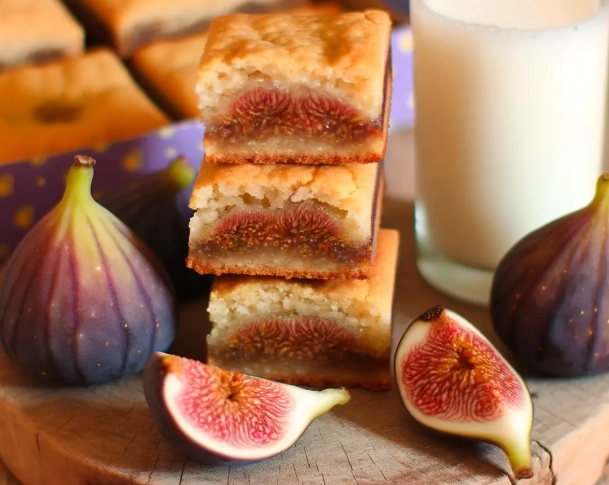
Pro Tip: Don't use a food processor for the figs. Chopping by hand gives you a nicer texture with little bursts of fig. A processor turns it into baby food.
2. Make the Crust & Topping. In a large bowl, whisk together the flour, oats, brown sugar, baking soda, and salt. Add the cold butter cubes and vanilla. Now, use your fingers. Pinch and rub the butter into the dry ingredients until the mixture looks like coarse, damp sand with some pea-sized butter bits remaining. This took me years to get right—you want it to hold together when squeezed, but not be a uniform paste. Those butter bits create flakiness.
3. Assemble. Preheat your oven to 350°F (175°C). Line your 8x8 pan with parchment paper, leaving an overhang for easy removal. Press about two-thirds of the oat mixture firmly into the bottom of the pan to form an even crust. Spread the slightly cooled fig filling over the crust, leaving a tiny border. Sprinkle the remaining one-third of the oat mixture evenly over the top. Don't press it down.
4. Bake. Bake for 28-32 minutes, until the top is golden brown and the filling is bubbling at the edges.
5. The Most Important Step: Cool Completely. I mean it. Let the pan cool on a wire rack for at least 2 hours, ideally 3, before you even think about cutting. The filling needs time to set. If you cut warm, it will ooze everywhere and the bars will fall apart. Patience is the secret ingredient.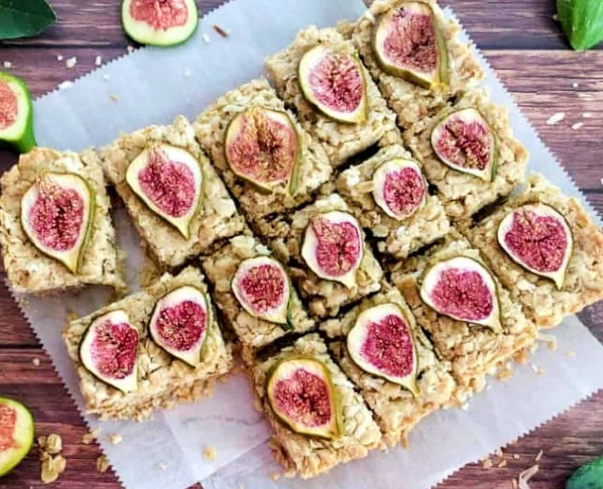
Expert Tips for the Perfect Chewy-Crisp Texture
Getting the texture right is where home bakers stumble. You want a bar that's sturdy enough to hold in your hand but still tender to bite.
The #1 Mistake: Over-processing the crust/topping. If you use a food processor for this step, you'll pulverize the oats and create a dense, cookie-like base. Use your hands. It gives you control and preserves the oat's texture.
Other texture hacks:
- Butter Temperature is Key: Cold butter is non-negotiable. It creates steam pockets during baking, leading to a flakier, more tender crumb.
- Baking Soda's Role: It's not just for rise. In an oat-heavy dough, it helps with browning and gives a slight lift, preventing a hard, dense brick.
- Rolled Oats Only: Don't use quick oats or instant. They absorb too much moisture and turn gummy. Old-fashioned rolled oats provide the perfect chew.
I once tried substituting coconut oil for butter to make them vegan. The flavor was okay, but the texture was completely different—more crumbly and less rich. Butter's unique properties are hard to replicate here.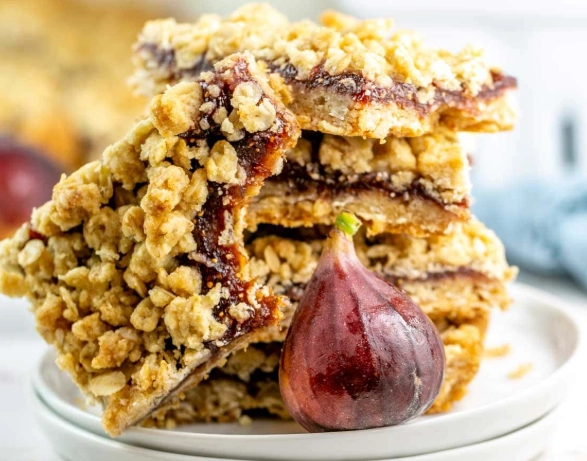
Storing, Freezing & Making Them Your Own
These bars keep well. At room temperature in an airtight container, they're good for 2-3 days. For longer storage, I refrigerate them for up to a week. The cold actually firms them up nicely. You can also freeze the whole pan (once cooled) or individual bars wrapped in plastic for up to 3 months. Thaw at room temperature.
Feel like experimenting? Try these twists:
- Add a tablespoon of chopped rosemary or thyme to the fig filling while it simmers. Sounds weird, but the herbal note with the sweet fig is incredible.
- Mix a handful of chopped dark chocolate or cacao nibs into the fig filling after cooking.
- Swap half the oats in the crust for finely chopped nuts (almonds or pecans are great).
Your Fresh Fig Bars FAQ Corner
So, grab those fresh figs before they're gone. The process is simpler than it seems, and the reward—a chewy, jammy, homemade fig bar that actually tastes like real fruit—is more than worth the effort. It turns a fleeting seasonal ingredient into something you can savor for days.
Reader Comments