Jump to What Matters
If you're growing butternut squash or just picked some up at the farmers' market, knowing when it's perfectly ripe can make or break your dishes. Here's the short answer: butternut squash is typically ripe in late summer through fall, when the skin turns a deep tan and the stem hardens. But let's get into the nitty-gritty—because timing this right means sweeter, creamier squash that stores for months.
I've been gardening for over a decade, and I've seen plenty of folks harvest too early (bland flavor) or too late (mushy texture). This guide will walk you through the exact signs, regional timing, and pro tips to nail it every time.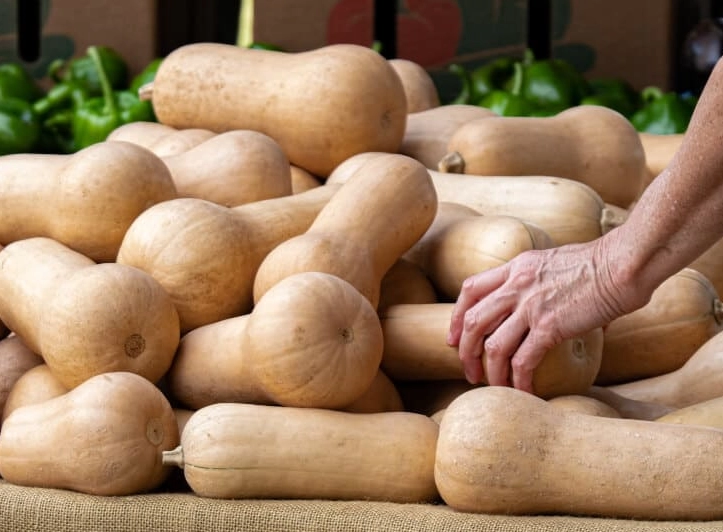
Key Signs That Your Butternut Squash Is Ripe
Don't rely on guesswork. A ripe butternut squash gives clear signals. Miss one, and you might end up with subpar squash.
Color Change: From Green to Tan
The most obvious sign is color. Immature squash is green or mottled green. As it ripens, it shifts to a uniform, deep tan or beige. No green patches should remain. In my garden, I wait until the entire surface looks like a peanut shell—that's when the sugars have developed fully.
Stem Hardness: The Woody Stem Test
Check the stem where it attaches to the squash. If it's green and flexible, it's not ready. A ripe squash has a hard, woody stem that's brown and dry. Give it a gentle twist; if it snaps off easily, that's a good indicator. But don't force it—if it resists, wait a few more days.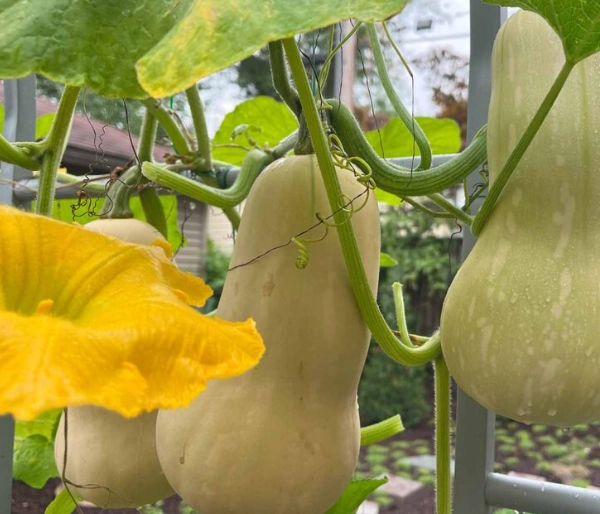
Skin Toughness: The Thumbnail Test Explained
Press your thumbnail into the skin. On an unripe squash, it'll puncture easily. Ripe skin is tough and resists puncture. This isn't about brute force—just a light press. If your nail leaves a mark, give it more time. This test saved me last year when I almost harvested too early.
Sound and Feel: What to Listen and Feel For
Tap the squash with your knuckles. A ripe one sounds hollow, while an unripe one sounds solid. Also, the squash should feel heavy for its size—that means it's packed with moisture and nutrients. Lighter squash might be drying out or underdeveloped.
When to Harvest: A Regional Breakdown
Timing varies by climate. Here's a rough guide based on USDA hardiness zones. But remember, weather patterns can shift things.
| Region (USDA Zone) | Typical Harvest Window | Notes |
|---|---|---|
| Zones 3-5 (Northern U.S.) | Late September to October | Watch for early frost; harvest before first hard freeze. |
| Zones 6-7 (Mid-Atlantic) | Mid-September to late October | I'm in Zone 6, and mid-September is usually spot-on. |
| Zones 8-9 (Southern U.S.) | October to November | Longer growing season; squash may ripen later. |
| Zones 10+ (Warm climates) | Year-round in some areas | Plant in cooler months for best results. |
For most temperate areas, aim for 75-100 days after planting. Count from when the fruit sets—not from seeding. If you're unsure, check local gardening forums or extension services like the University of California's Agriculture and Natural Resources for region-specific advice.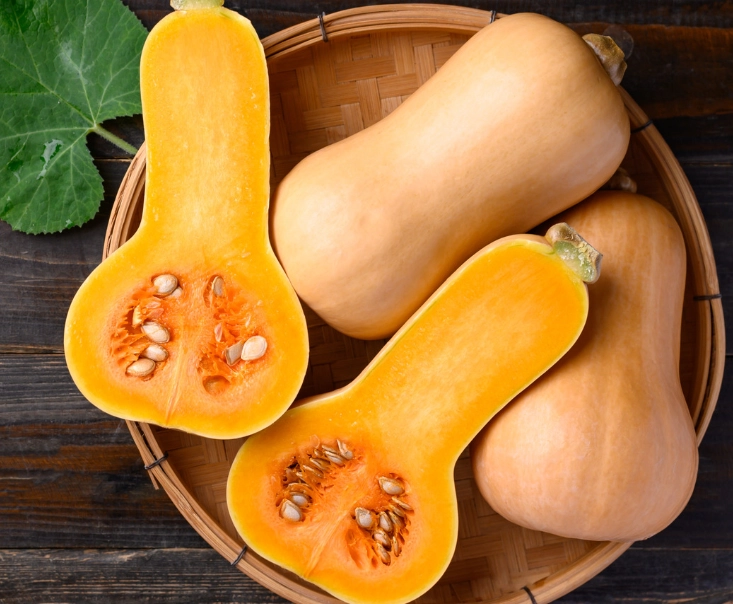
In a hot summer, squash might ripen faster. Last year, with a heatwave, mine were ready two weeks early. Keep an eye on the signs, not just the calendar.
How to Harvest Butternut Squash Correctly
Harvesting isn't just about picking; it's about handling to prevent damage. Here's a step-by-step process.
Step 1: Choose a dry day. Wet squash can rot faster. Harvest in the morning after dew dries.
Step 2: Use sharp tools. I prefer pruning shears or a sharp knife. Dull tools can crush the stem, inviting disease.
Step 3: Cut, don't pull. Leave 2-3 inches of stem attached to the squash. This helps prevent moisture loss and rot. If the stem breaks off cleanly, that's fine, but a clean cut is better.
Step 4: Handle with care. Avoid dropping or bruising the squash. Even small dents can lead to spoilage during storage.
Step 5: Clean gently. Wipe off dirt with a dry cloth. Don't wash unless necessary—water can promote mold.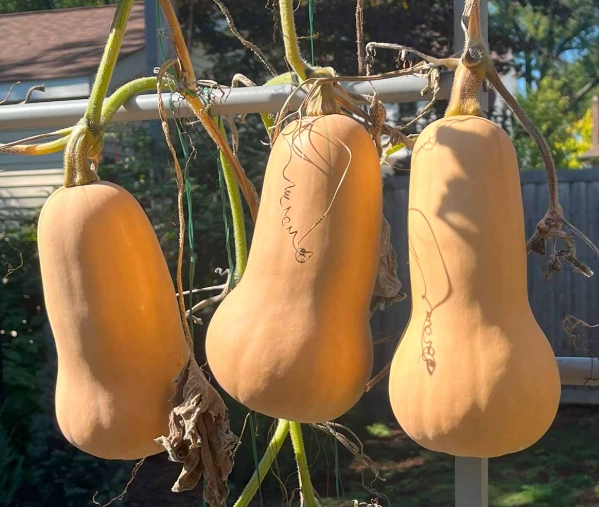
Storing Your Harvest for Maximum Freshness
Proper storage extends shelf life to months. Here's what works best.
First, cure the squash. After harvesting, leave it in a warm, dry place (70-80°F or 21-27°C) for 10-14 days. This hardens the skin and sweetens the flesh. I use a sunny windowsill or a greenhouse. Curing is non-negotiable for long storage—skip it, and your squash might last only weeks.
Then, store in ideal conditions:
- Temperature: 50-55°F (10-13°C). A basement, root cellar, or cool pantry works.
- Humidity: 50-70% relative humidity. Too dry, and it shrivels; too damp, and it molds.
- Airflow: Don't pile squash on top of each other. Use shelves or crates with space between.
Avoid refrigeration. Cold temperatures below 50°F can cause chilling injury, leading to off-flavors and rapid decay. I once stored some in the fridge, and they turned watery in a week.
Check stored squash every few weeks for soft spots. Use any with blemishes first. Properly stored, butternut squash can last 3-6 months—perfect for winter soups and roasts.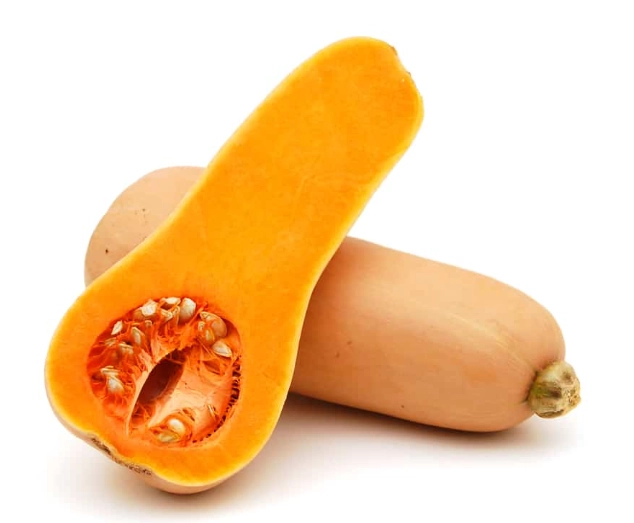
Common Pitfalls and How to Avoid Them
Even experienced gardeners slip up. Here are frequent errors and how to dodge them.
Harvesting too early for fear of frost. If frost threatens, you can harvest early, but cure it well. Early-harvested squash might be less sweet, so use it in recipes with strong spices. Or, cover plants with row covers to buy extra time.
Ignoring stem integrity. A broken stem invites pathogens. Always cut carefully and store stem-side up to reduce pressure on the scar.
Overwatering near harvest. Reduce watering in the last few weeks. Excess moisture can dilute flavor and cause splitting. I cut back to once a week in late summer.
Storing in plastic bags. Plastic traps moisture and causes rot. Use mesh bags or open containers instead.
My biggest mistake was leaving squash on the vine during a rainy spell. They absorbed water, split open, and attracted pests. Now, I harvest at the first sign of heavy rain forecast.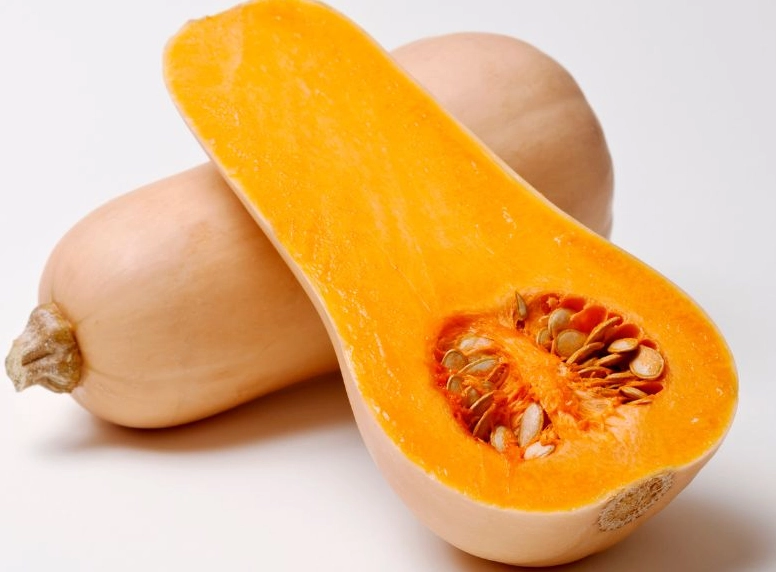
Frequently Asked Questions
Getting butternut squash ripe at the right moment takes practice, but with these signs and tips, you'll harvest like a pro. Remember, it's better to err on the side of slightly underripe than overripe—underripe can still be used in cooked dishes, but overripe often goes to waste. Happy harvesting!
Reader Comments