I used to stare blankly at my grocery store's produce section, overwhelmed. Everything looked good, but nothing tasted amazing. Then I started paying attention to what was actually in season. The difference wasn't subtle. A summer tomato in December is a pale, sad imitation of the juicy, fragrant ones you get in August. Cooking with the rhythm of the year changed everything—my meals got cheaper, more flavorful, and honestly, more fun to make. This isn't about restrictive rules or fancy farmer's market hauls (though those are nice). It's about working smarter, eating better, and reconnecting with your food in the simplest way possible.
What’s Inside This Guide
What Are Seasonal Recipes and Why Do They Matter?
Let's cut through the buzzwords. Seasonal cooking simply means choosing and preparing foods around the time of year they are naturally harvested at their peak. It's the opposite of the modern system where we expect strawberries in winter, thanks to global shipping.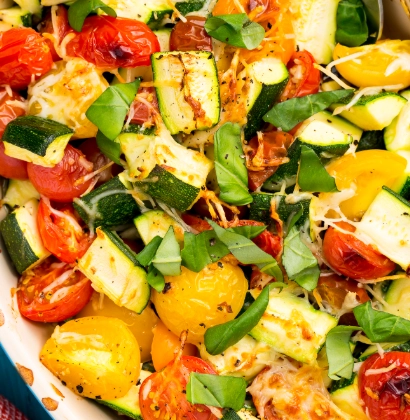
Why bother? The benefits are immediate and tangible.
Flavor wins, every time. A peach picked ripe in July and eaten days later has a complexity and sweetness a hard, traveling peach can't match. The same goes for corn, greens, berries—you name it.
Your wallet will thank you. When there's a surplus of zucchini in August, the price drops. It's basic economics. Buying what's abundant is almost always cheaper. A report from the Natural Resources Defense Council often highlights the financial and environmental cost of out-of-season produce.
It’s a sustainability shortcut. Less travel, less artificial heating for greenhouses, less intensive storage. Choosing local, seasonal ingredients is one of the most effective personal choices for reducing your food's carbon footprint, as sustainability studies from institutions like the University of Michigan have pointed out.
But here's the part nobody talks about enough: it makes meal planning easier. Instead of scrolling through millions of recipes, you start with a constraint: "What's good right now?" That constraint is liberating. It narrows your focus and sparks creativity.
How to Start Seasonal Cooking: A Practical, No-Fuss Guide
You don't need to move to a farm. Start small.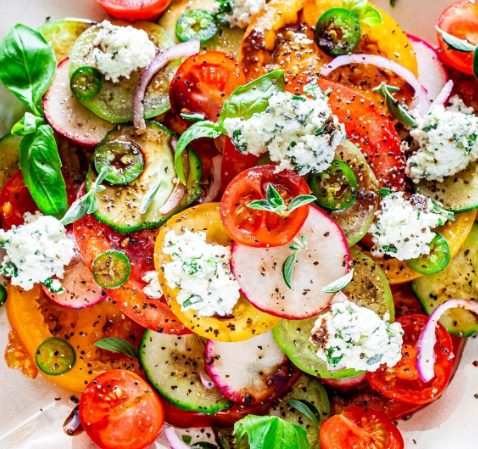
Step 1: Learn Your Local Rhythm. Your region has a harvest calendar. A quick search for "[Your State] seasonal produce chart" will yield a PDF from your local agricultural extension office (like those from universities with .edu domains). Print it. Stick it on the fridge. This is your cheat sheet.
Step 2: Shop the Perimeter with New Eyes. At the supermarket, look for what's piled high and on promotion. That's usually what's in season. Better yet, visit a farmer's market once a month. Don't just buy—talk to the growers. Ask "What's at its best right now?" and "What will you have next week?" They're the ultimate experts.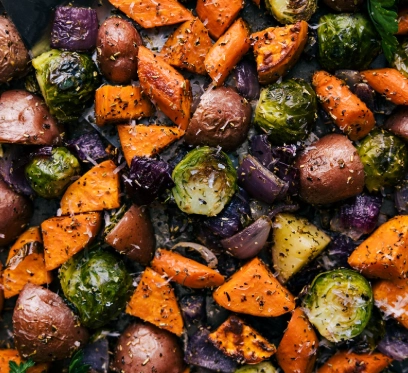
Step 3: Master a Few Flexible Recipes. You don't need a new recipe for every veggie. Learn a template. A simple seasonal stir-fry formula: aromatics (garlic, ginger) + seasonal protein + 2-3 seasonal veggies + simple sauce (soy, lime, honey). It works with spring asparagus and snap peas, summer bell peppers and zucchini, or winter cabbage and mushrooms.
The One-Week Challenge: Next time you shop, commit to one meal where the vegetable is the star, chosen solely because it's in season. Roast it, sauté it, or eat it raw. Taste the difference. That's all it takes to get hooked.
Your Season-by-Season Recipe and Ingredient Roadmap
Here’s a breakdown of what to look for and what to make throughout the year. Think of this as your culinary calendar.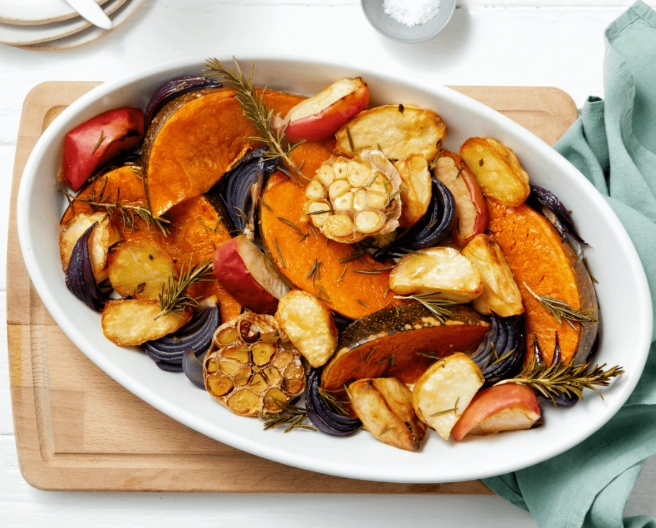
| Season | Star Ingredients (Look for These!) | Simple Recipe Idea to Try First |
|---|---|---|
| Spring | Asparagus, peas, radishes, spinach, strawberries, artichokes, fresh herbs (chives, dill). | Spring Pasta: Sauté sliced asparagus and peas. Toss with pasta, lemon zest, parmesan, and a splash of pasta water. |
| Summer | Tomatoes, corn, zucchini, eggplant, berries, stone fruits (peaches, plums), cucumbers, basil. | No-Cook Tomato Salad: Chop heirloom tomatoes, toss with torn basil, good olive oil, flaky salt, and a touch of balsamic. |
| Fall | Pumpkin & squash, apples, pears, Brussels sprouts, kale, sweet potatoes, mushrooms, cranberries. | One-Pan Roasted Harvest: Cube sweet potato and squash, toss with olive oil, maple syrup, and sage. Roast at 400°F until caramelized. |
| Winter | Citrus (oranges, grapefruit), hearty greens (kale, collards), root veggies (beets, carrots, parsnips), leeks, pomegranates. | Citrus & Avocado Salad: Segment an orange and grapefruit. Arrange with avocado slices, red onion, and a citrus vinaigrette. |
Going Deeper: A Spring Recipe Case Study
Let's take asparagus, a classic spring ingredient. The biggest mistake? Overcooking it into a mushy, stringy mess.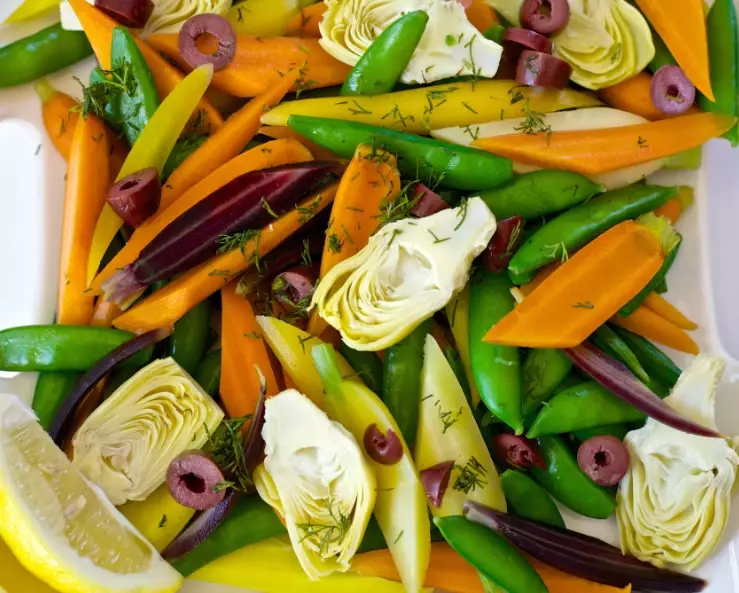
Here’s how to get it right every time:
- Buying: Look for firm, bright green stalks with tight, purple-tinged tips. Avoid woody, thick ends.
- Prepping: Don't just chop the ends. Hold a stalk at both ends and bend; it will snap naturally at the point where the tough part ends. Do this for one, then line up the rest and cut at the same point.
- Cooking (The Best Method): Roasting. Toss with olive oil, salt, and pepper. Spread on a baking sheet. Roast at 425°F (220°C) for 10-15 minutes until tender-crisp and slightly browned. Finish with lemon juice and shaved parmesan.
This method concentrates the flavor and preserves texture. Now you have a perfect side, or you can toss it into pasta, quiche, or salads. One technique, endless spring recipes.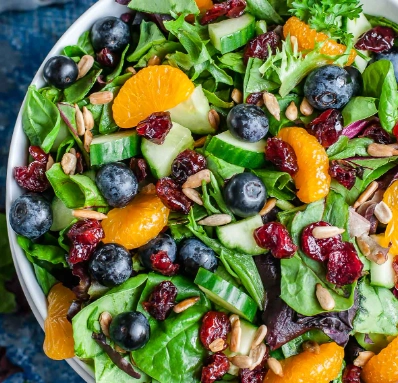
Pro Tips and Common Mistakes Even Good Cooks Make
After years of focusing on seasonal cooking, I've seen the same pitfalls trip people up.
Mistake #1: Assuming "seasonal" always means "local." It often does, but not always. In winter in a cold climate, citrus is in season... in Florida or California. It's okay to buy it. The key is avoiding things that are out of season everywhere in your hemisphere, requiring massive transport or energy-hungry greenhouses.
Mistake #2: Not preserving the bounty. You find perfect strawberries in June, eat them for a week, and then they're gone until next year. Freeze them! Wash, hull, and lay them on a tray to freeze solid before bagging. Come January, you have summer berries for smoothies or compote. This is the heart of preserving seasonal produce—it's not just canning, it's smart freezing and simple methods like making pesto with summer basil to freeze in ice cube trays.
My favorite non-obvious tip: Use your freezer to "pause" seasons. When corn is at its sweetest, don't just boil it. Grill a few extra ears, cut the kernels off, and freeze them flat in a bag. You'll have a taste of summer to add to a winter chowder that will blow your mind.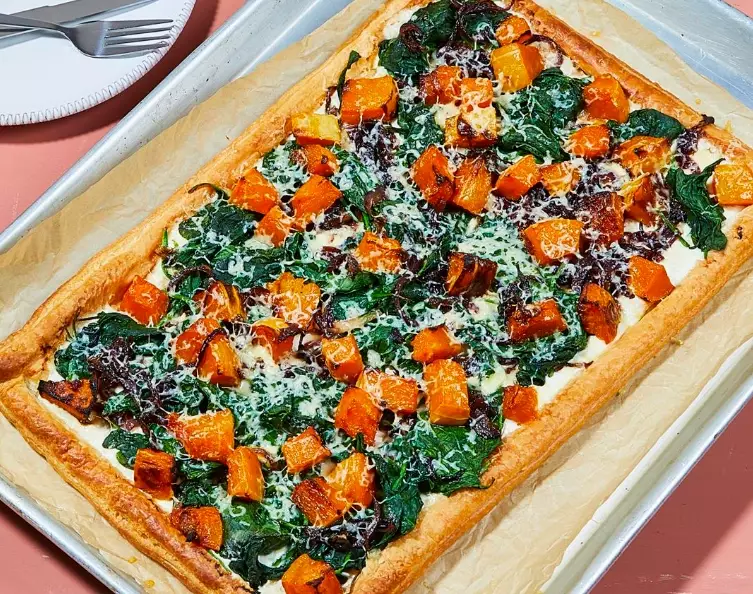
Reader Comments