You’re standing in the produce aisle, a recipe for dill pickles in your hand, and you’re faced with a wall of green. Slicing cucumbers, English cucumbers, Persian cucumbers, and maybe, if you’re lucky, a small basket labeled "pickling cucumbers." Which one do you grab? If you grab the wrong one, you could end up with a jar of soft, mushy, or hollow pickles that nobody wants to eat. I’ve been there. My first solo pickling attempt years ago used those glossy, waxed supermarket slicers. The result was a sad, soggy disappointment.
The truth is, not all cucumbers are created equal for the brine. The best pickling cucumbers have a specific set of traits: firm flesh, small seed cavities, thin skin, and a size that fits nicely in a jar. Choosing the right variety isn’t just a suggestion; it’s the single most important step for getting that satisfying, crispy crunch.
Let’s cut through the confusion. The short answer is you want Kirby cucumbers. But why? And what if you can’t find them? We’re going to break down exactly what makes a cucumber perfect for pickling, compare the top varieties you’ll encounter, and show you how to pick the best ones, even from a limited selection.
What’s Inside This Guide
The Perfect Pickling Cucumber Profile: It’s All About Structure
Think of a pickling cucumber as a tiny, green architectural marvel built to withstand a hot vinegar bath and months in a jar. Here’s what to look for in the blueprint:
The Non-Negotiables: Thin, unwaxed skin (for better brine absorption), dense, firm flesh (for crunch), a small seed cavity (less mush potential), and spines or "warts" (a sign of a true pickling type). Size matters too—3 to 6 inches is the sweet spot.
Let’s talk about that last point. A common mistake is thinking "small cucumber" automatically equals "good for pickling." A young, underripe slicing cucumber is still built differently. It has thicker skin and a larger, more developed seed pocket destined to become watery. A true pickling variety is bred from the start to have those structural advantages, even at a slightly larger size.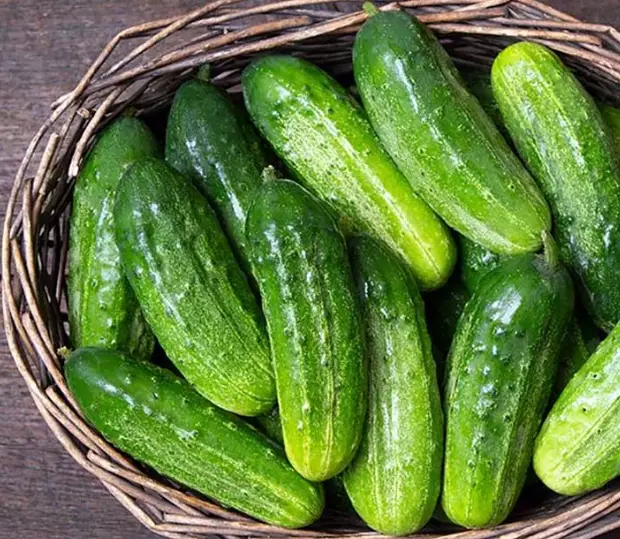
The skin is your first clue. Run your fingers down it. Does it feel slightly bumpy or have tiny, soft spines? Good. Is it perfectly smooth, shiny, and feels like it has a coating? That’s likely a waxed slicing cucumber, and the wax will prevent the brine from penetrating properly. You’ll get a bland, poorly textured pickle.
Head-to-Head: Top Pickling Cucumber Varieties
Now, let’s put names to these ideal traits. Here’s a breakdown of the champions and the contenders you’ll find at markets and seed catalogs.
| Variety | Best For | Key Characteristics | Where to Find Them |
|---|---|---|---|
| Kirby | The all-around gold standard for all pickle types (dill, bread & butter, fermented). | Blocky shape, bumpy skin, incredibly crisp, very small seeds. Unbeatable texture. | Farmers' markets (peak summer), some well-stocked grocery stores (look for "pickling cucumbers"). |
| Gherkin | True cornichons, sweet gherkins, or any pickle under 3 inches. | Very small (1-3 inches), knobby, intensely crunchy. Often sold pre-brined in jars. | Specialty grocers, farmers' markets, or grow your own from seed. |
| National Pickling | Home gardeners. A reliable, prolific heirloom variety. | Uniform, cylindrical shape, medium spines, holds crispness exceptionally well after picking. | Seed catalogs (Burpee, Baker Creek, etc.). You grow these. |
| Persian Cucumbers | Quick refrigerator pickles (eat within weeks). | Thin skin, few seeds, great crunch initially. Warning: Can become soft in long-term canned pickles. | Widely available in most supermarkets year-round. |
| Slicing Cucumbers | Eating fresh. Use for pickling only in a real pinch. | Thick, often waxed skin, large watery seed cavity, longer shape. High risk of soft, hollow pickles. | Every supermarket everywhere. The default cucumber. |
Kirby is the undisputed winner. Its genetics are literally designed for the jar. I plan my major summer canning days around when my local farm stand gets their Kirby delivery. The difference in the final product is night and day compared to a substitute.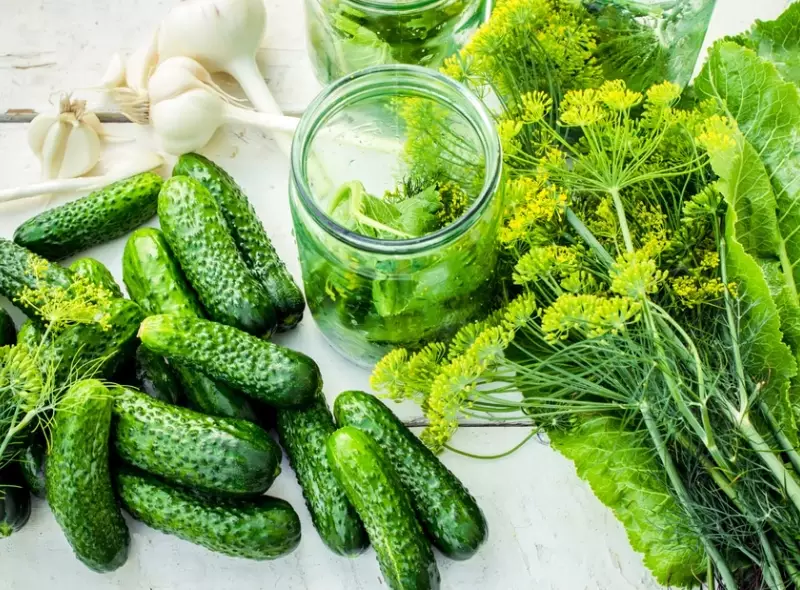
Gherkins are fantastic but niche. If you see fresh ones, grab them for authentic cornichons. The "National Pickling" variety is a gardener’s secret weapon—it’s what I grow in my backyard because it produces like crazy and never lets me down.
Now, the big caveat: Persian cucumbers. They’re everywhere, they’re delicious, and they look promising. And for a quick, vinegar-based refrigerator pickle you’ll eat in a few weeks, they’re a perfectly fine, even great, choice. But their flesh structure isn’t as robust as a Kirby’s. If you process them in a boiling water bath for shelf-stable canning, they have a much higher chance of turning limp. It’s a structural integrity issue, not a flavor one.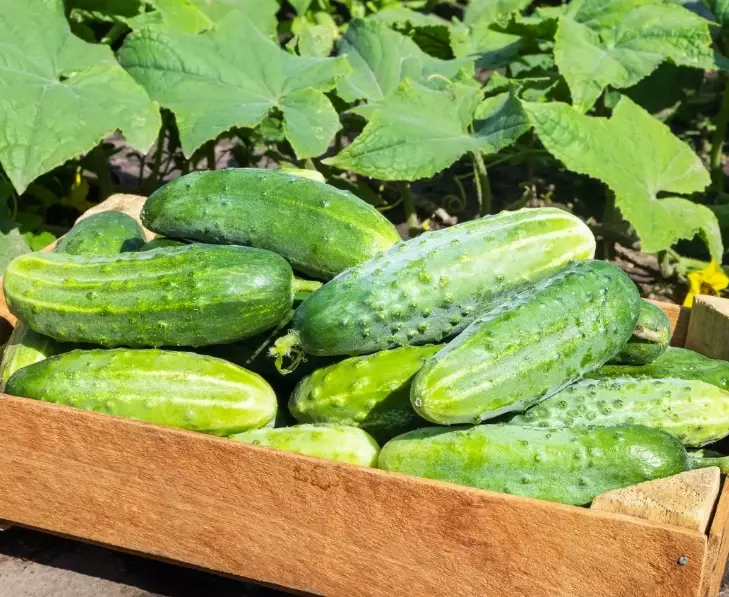
What About English or Hothouse Cucumbers?
Just don’t. They’re bred to be seedless, tender, and have a high water content protected by that thick plastic wrap. They’ll turn to mush almost immediately in a brine. Save them for your salads.
How to Find and Select the Best Cucumbers
You know what you want. Now, how do you get them?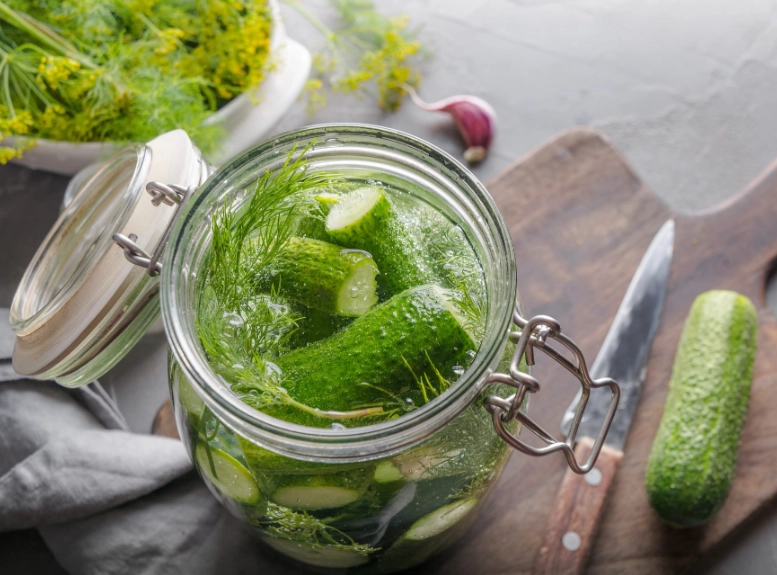
Your Best Bet: Farmers' Markets (Late June - August). This is pickling cucumber heaven. Talk to the growers. Ask, "Do you have any pickling varieties today?" They might call them Kirbys, or just "picklers." You can often find them slightly cheaper if they’re "seconds"—a little misshapen but perfect for the jar.
The Grocery Store Workaround. If the produce section only has slicers and Persians, look for the smallest, firmest, least-waxy slicing cucumbers you can find. Choose ones that are on the smaller side (no longer than 6 inches) and feel very dense for their size. Avoid any that have a glossy sheen—that’s wax. It’s not ideal, but in a pinch, it can work, especially for refrigerator pickles.
The Selection Checklist:
- Firmness: It should not yield at all to gentle pressure. No soft spots.
- Color: A consistent, bright to medium green. Avoid yellowing ends.
- Size: 3-6 inches is prime. Bigger than that, and seeds are too developed.
- Shape: A slight curve is okay, but severely bent cukes are hard to pack in jars.
- The Stem End: A little bit of dried stem is fine. A mushy, dark end is a sign of age or rot.
One pro tip I learned from an old-time pickler: look for the spines. If they’re still present and haven’t been rubbed off, that cucumber is very fresh. Fresher cucumber = crisper pickle.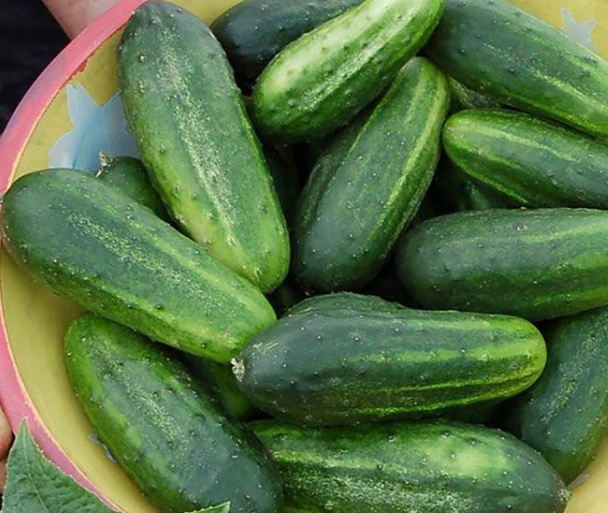
Prepping Your Cucumbers for Pickling Success
You’ve got the perfect cucumbers. Don’t ruin them now. Proper prep is 40% of the crunch battle.
1. Wash, But Don’t Soak. Gently scrub them under cool water to remove any dirt or spines. Don’t let them sit in water; they’ll start to hydrate and get waterlogged.
2. The Critical Bloom Scrub. This is the secret most recipes gloss over. The blossom end (the opposite end from the stem) contains an enzyme that can make your pickles soft. It’s not always the culprit, but why risk it? Slice off at least 1/16th of an inch from the blossom end. To identify it, look for the end that may have a slight discoloration or where the flower was attached. When in doubt, trim a tiny bit off both ends.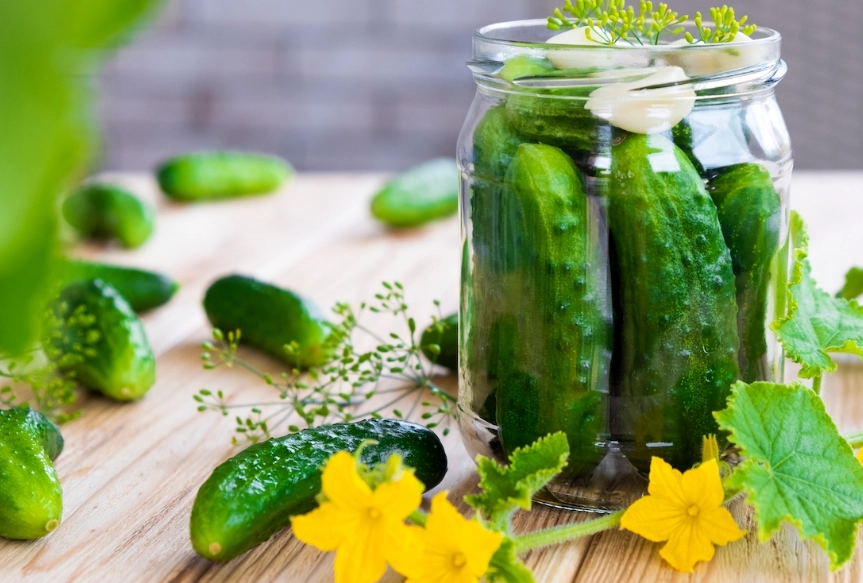
3. The Ice Bath Pre-Soak (Optional but Recommended). Especially if your cukes aren’t garden-fresh, soak them in a bowl of ice water for 1-2 hours before packing. This plumps the cells with cold water, giving you an extra crunch insurance policy. Dry them thoroughly before using.
4. Size Them for the Jar. For whole pickles, choose cukes that will fit under the shoulder of your jar. For spears or chips, cut them uniformly so they process evenly.
I skipped the blossom-end trim once, thinking it was an old wives' tale. That batch was noticeably less crisp than the one I made the same day following my own rule. I haven’t skipped it since.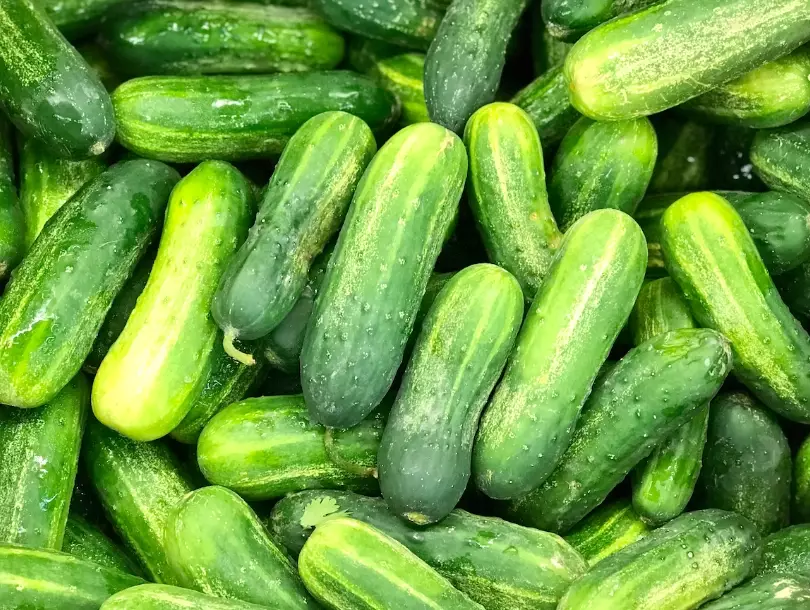
Your Pickling Cucumber Questions, Answered
Choosing the right cucumber feels like a small step, but it’s the foundation your entire pickle jar is built on. Skip it, and you’re building on sand. Get it right, and you’re guaranteed a crisp, flavorful result that makes all the washing, chopping, and canning worth it. Head to the farmers' market this weekend, seek out those bumpy, unassuming Kirbys, and taste the difference for yourself.
Reader Comments