You're standing in the grocery store, staring at the apple display. Granny Smiths are there, of course. But those beautiful, red-and-yellow Fuji apples are on sale. They smell amazing. You pick one up and think: Could these make a great apple pie? The short answer is yes, absolutely—but with some crucial caveats most recipes won't tell you. I've been baking pies professionally and at home for over a decade, and Fujis are a regular in my rotation, but never alone. Let's break down why.
What's in This Guide?
The Fuji Apple Profile: Sweetness, Texture, and Flavor
Developed in Japan and named after Mount Fuji, this apple is a cross between Red Delicious and Ralls Janet. What does that mean for your pie filling?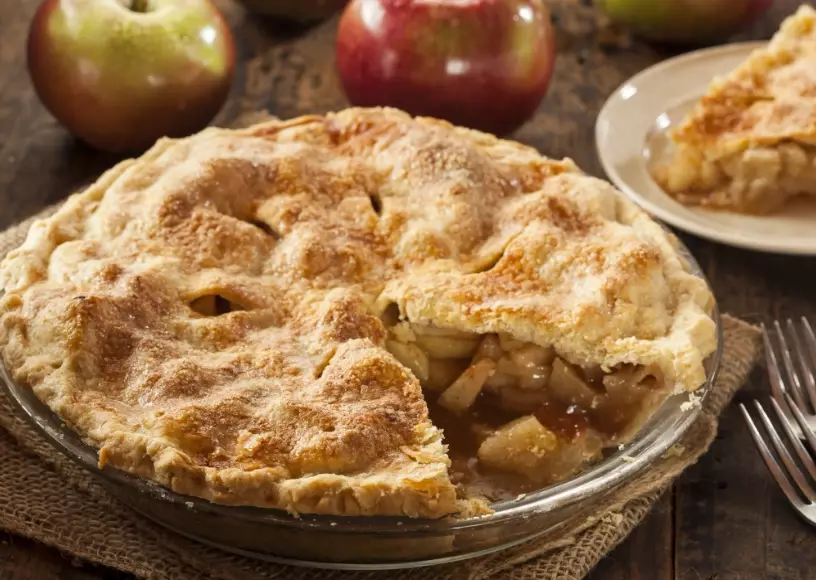
Sweetness Level: High. Very high. According to data from the Washington Apple Commission, Fuji apples often have a Brix (sugar content) level of 15-18%, among the highest of common commercial varieties. This is their biggest pro and con for pie.
Texture: Dense and very crisp when raw. They have a low water content compared to something like a McIntosh, which is good. They hold their shape reasonably well during cooking, but don't expect them to completely break down into mush—they'll soften into distinct, tender chunks.
Flavor: A honeyed, almost perfumed sweetness with very low acidity. You miss that tangy, bright note that defines a classic apple pie for many people.
The Baker's Bottom Line: A Fuji apple brings intense sweetness and sturdy chunks to your filling. What it lacks is the tart balance and complex flavor that comes from acidity. Using them solo often results in a pie that tastes one-dimensional—just sweet.
The "Pie Apple" Test: How Fujis Compare to the Classics
Most bakers judge pie apples on three axes: Flavor (Sweet/Tart Balance), Texture (Hold vs. Breakdown), and Juiciness. Let's see where Fuji lands.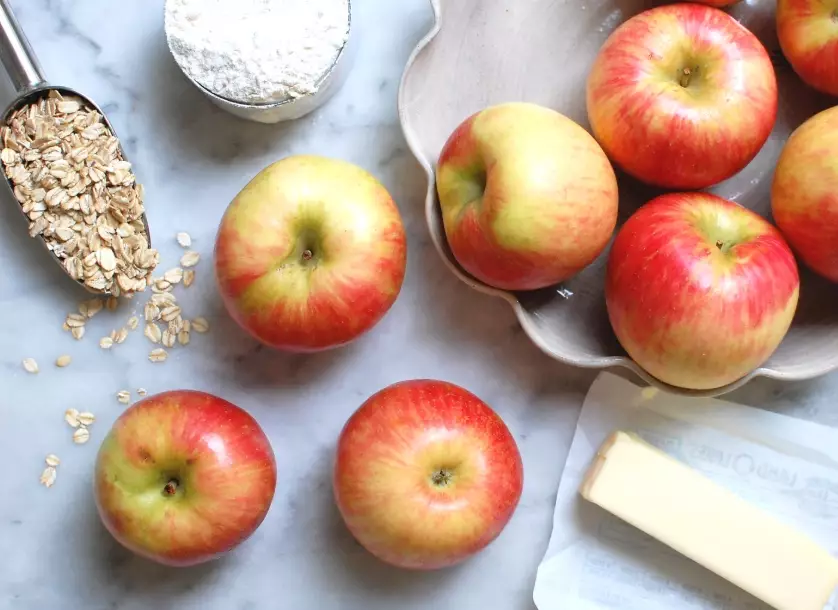
| Apple Variety | Best For | Texture When Cooked | Fuji Compatibility |
|---|---|---|---|
| Fuji | Sweetness, dense chunks | Holds shape well, tender | N/A |
| Granny Smith | Tart punch, structure | Holds shape very well | Excellent Partner. Granny's acid cuts Fuji's sugar. |
| Honeycrisp | Sweet, aromatic flavor | Holds shape but can get soft | Good, but watch sugar. Two sweets need extra lemon juice. |
| Braeburn | Spicy-tart balance | Holds shape excellently | Top-Tier Partner. Adds complexity Fuji lacks. |
| McIntosh | Saucy, loose fillings | Breaks down almost completely | Use Sparingly. A few McIntosh can help bind a Fuji blend. |
See the pattern? Fuji is a specialist, not an all-rounder. It's missing the acid and spice notes that make other varieties pie legends. This isn't a flaw—it's a characteristic we can work with.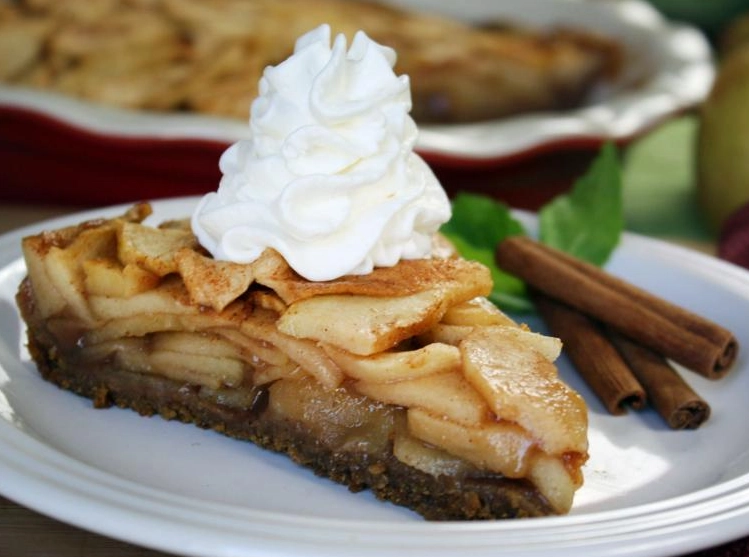
The Winning Strategy: Never Use Fuji Apples Alone
Here's the non-negotiable rule I tell every baking student: Blend your apples. A single-variety pie is a missed opportunity for depth. Fuji's role in a blend is to provide a backbone of honeyed sweetness and pleasant chunks.
My Two Favorite Fuji Blends:
The Classic Balance (My Go-To): 60% Fuji apples, 40% Granny Smith. The Granny Smith doesn't just add tartness; its firmer flesh cooks at a similar rate to Fuji, and its green flavor adds a layer that pure sweetness can't. This is the most reliable, crowd-pleasing combo.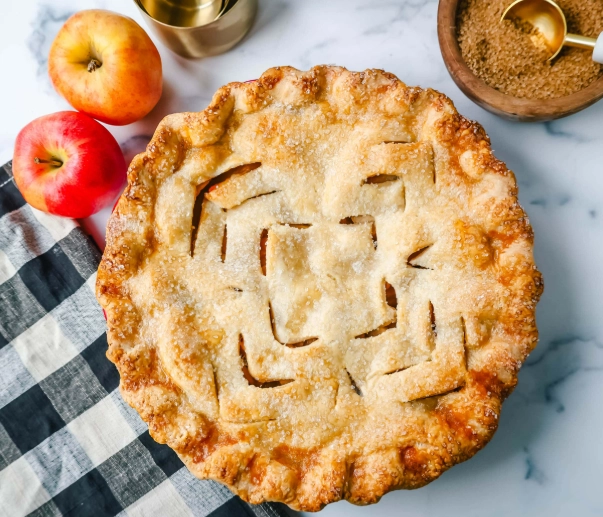
The Complex Harmony: 50% Fuji, 30% Braeburn, 20% Cortland. The Braeburn introduces a warm, spicy tartness, while the Cortland softens just a bit more than Fuji, helping the filling cohere without turning to sauce. This blend wins over foodies every time.
A rookie mistake I see? People blend Fuji with another sweet apple like Gala or Red Delicious and wonder why their pie tastes flat. You must pair sweetness with its opposite.
How to Adjust Your Recipe for Fuji's Sweetness
This is critical. If your standard pie recipe calls for 3/4 cup of sugar and you're using a Fuji blend, reduce it. Start by cutting the sugar by 2-3 tablespoons. You can always adjust after tasting the raw filling (yes, taste it!).
Secondly, do not skip the acid. Even with tart apples in the mix, the lemon juice or vinegar in your recipe is non-negotiable. It brightens all the flavors and helps balance Fuji's dominant sugar profile. A tablespoon of fresh lemon juice is your best friend.
My Go-To Fuji Apple Pie Recipe & Walkthrough
Let's get practical. This is the recipe I've refined over years, specifically optimized for a Fuji-based blend.
The Filling (The Star):
- 2.5 lbs total apples (about 6-7 medium), peeled, cored, sliced 1/4" thick. Use 1.5 lbs Fuji + 1 lb Granny Smith.
- 1/2 cup (100g) granulated sugar (note: less than many recipes!)
- 1/4 cup (30g) all-purpose flour (or 3 tbsp cornstarch for a clearer gel)
- 1 tbsp fresh lemon juice
- 1 tsp ground cinnamon
- 1/4 tsp ground nutmeg
- 1/4 tsp fine sea salt
- 1 tbsp cold unsalted butter, diced small
The Process:
Toss the apple slices with lemon juice immediately to prevent browning. In a small bowl, mix the sugar, flour, cinnamon, nutmeg, and salt. Sprinkle this over the apples and toss thoroughly until every slice is coated. Let this sit for 15 minutes. You'll see liquid start to pool—that's good. This maceration draws out some juice that will later thicken into the perfect syrup.
While that sits, roll out your bottom crust and fit it into a 9-inch pie plate. Roll out the top crust. Fill the bottom crust with the apple mixture, piling it higher in the center. Dot the top with the small pieces of cold butter. Add the top crust, vent it well (cut at least 4-5 substantial slits), and crimp the edges.
Bake: Place on a baking sheet (to catch drips), and bake at 425°F (220°C) for 20 minutes, then reduce heat to 375°F (190°C) and bake for another 35-45 minutes, until the crust is deep golden and the filling is bubbling thickly through the vents. That bubbling is key—it means your thickener has activated.
Let the pie cool on a rack for at least 3-4 hours. I know it's hard. But slicing into a hot pie is the #1 reason for a soupy, runny filling, especially with firm apples like Fuji that release their juices slowly during cooking.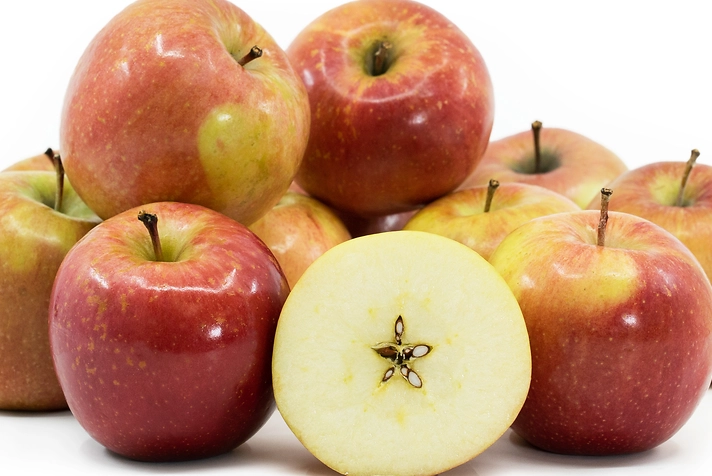
Your Fuji Apple Pie Questions, Answered
So, are Fuji apples good for apple pie? They're not just good—they're a fantastic component of a great pie. Treat them as your sweet, reliable base layer, and build complexity on top with tart, spicy partners. Skip the all-Fuji pie, embrace the blend, adjust your sugar, and you'll have a pie that makes everyone ask for your secret. The secret is just understanding your ingredients.
Reader Comments