You're standing in the produce aisle, holding a bag labeled "Sweet Onions." A few feet away, in a fancy wooden crate, are "Genuine Vidalia Onions" at nearly twice the price. Your recipe just says "sweet onion." Your brain asks the obvious question: Are sweet onion and Vidalia onion the same thing? If I buy the cheaper bag, am I getting the same experience? Or is the Vidalia name worth the premium?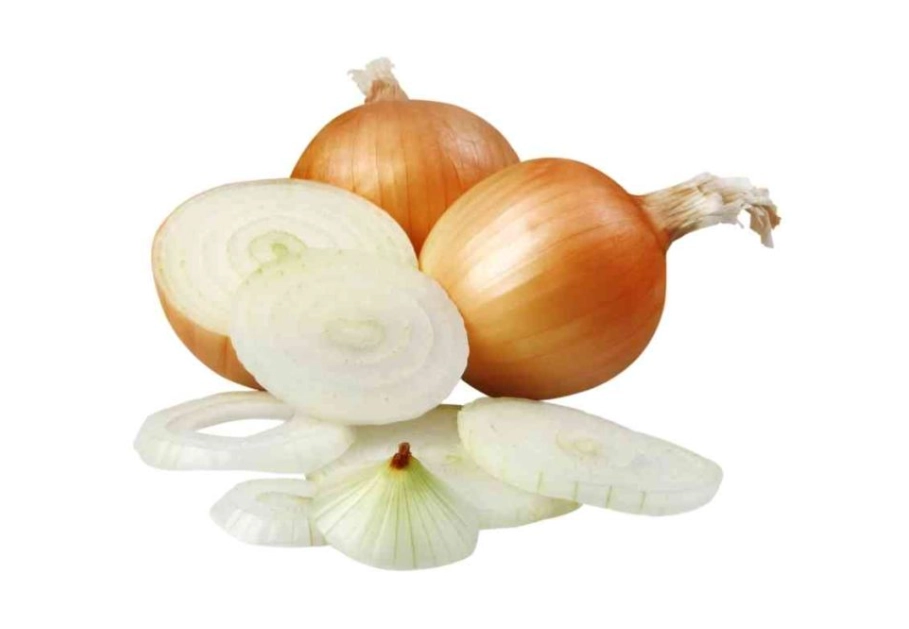
Let's cut through the confusion right now. The short answer is no, they are not the same. Every Vidalia is a sweet onion, but not every sweet onion is a Vidalia. Think of it like champagne. All champagne is sparkling wine, but only sparkling wine from the Champagne region of France gets that specific name. Vidalia onions have a similar, legally protected status.
This isn't just trivia. Getting it wrong can throw off your salsa, make your caramelized onions bitter, or waste your money. I've cooked professionally for over a decade, and I've seen the difference firsthand—and made the mistakes myself. This guide will give you the chef's perspective on when the distinction matters and when you can safely swap.
What You'll Learn in This Guide
The Core Difference: It's All About Origin
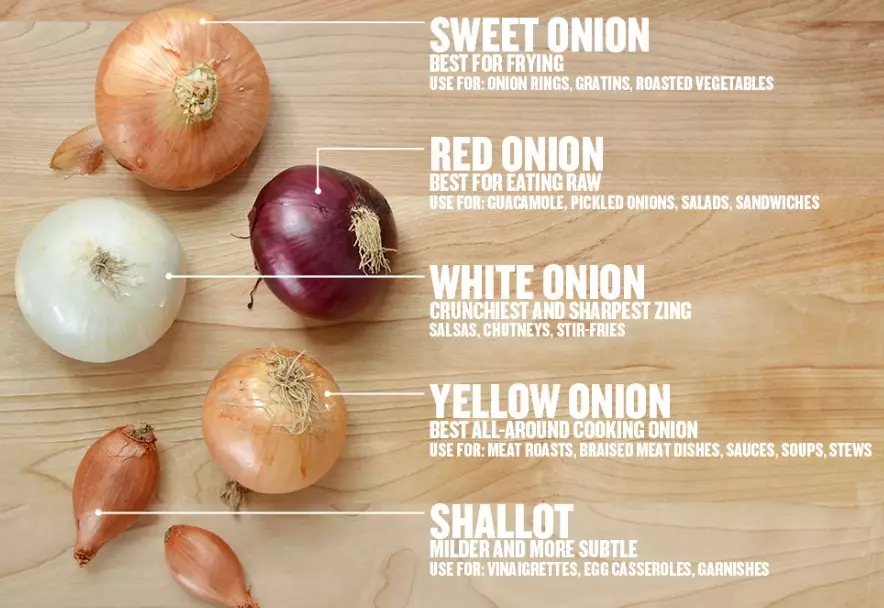
This is the most critical point. "Sweet onion" is a broad type or category of onion. Several varieties fall into this category because they are bred to have lower levels of pyruvic acid—the compound that gives regular yellow onions their sharp, pungent bite.
"Vidalia," however, is a specific brand and legally protected designation of origin. By U.S. federal law (and a marketing order from the USDA), only a specific variety of yellow granex onion grown in a legally defined 20-county region in Georgia can be called a Vidalia onion. The unique combination of soil (low in sulfur) and mild climate in that region is what produces their signature, almost absurdly mild and sweet flavor.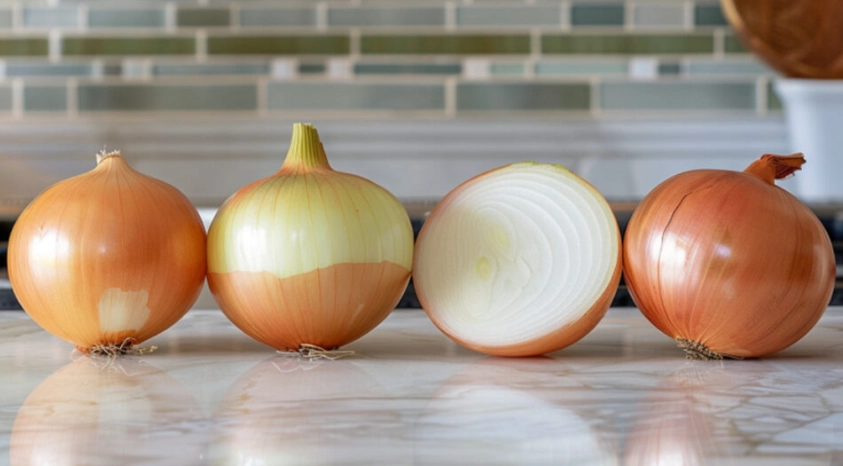
Key Point: You could plant Vidalia onion seeds in your backyard in California. They would grow into onions, likely sweet ones, but you could not legally sell them as Vidalias. The name is tied to the Georgia soil.
Other famous sweet onions have their own protected territories. Walla Walla Sweet Onions come from Washington State. Maui Sweets are from Hawaii. Texas Sweet Onions, like the 1015 Supersweet, have their own growing conditions. They're all sweet onions, but their flavors have subtle, terroir-driven differences.
Flavor & Texture Showdown: A Side-by-Side Comparison
Okay, so they come from different places. But does it really translate to your cutting board? Absolutely. Here’s a breakdown based on my experience using both for years.
| Characteristic | Vidalia Onion (The Specialist) | Generic Sweet Onion (The All-Rounder) |
|---|---|---|
| Sweetness Level | Exceptionally high. Often described as "no-tears" sweet. The pyruvic acid level is mandated to be very low. | Noticeably sweet, but can have a wider range. Some batches might have a faint, pleasant sharpness behind the sweetness. |
| Pungency / Bite | Extremely mild. You can take a raw bite like an apple. The sulfurous compounds are minimal. | Mild, but not zero. You'll usually still get a hint of that classic onion "zing," especially near the root end. |
| Texture (Raw) | Juicier and crisper. The cell walls seem more delicate, giving a fantastic crunch in salads. | Crisp, but can sometimes be slightly more fibrous or dense compared to a prime Vidalia. |
| Texture (Cooked) | Can become almost jam-like very quickly when caramelized. They melt down beautifully but can turn mushy if overcooked. | Hold their shape a bit better in long-cooked dishes like stews. Caramelizes well but might retain a tad more texture. |
| Best Used For | Applications where the onion is the star raw (salads, salsas, sandwiches, burgers) or in quick, gentle cooking where sweetness is paramount. | More versatile for everyday cooking. Great raw, but also sturdy enough for sautés, soups, roasting, and grilling where a balance of sweet and savory is needed. |
One mistake I made early on was using Vidalias in a long-simmering beef stew. They practically dissolved into the broth, leaving no onion texture at all. A generic sweet onion or even a yellow onion would have been a better choice for that structure.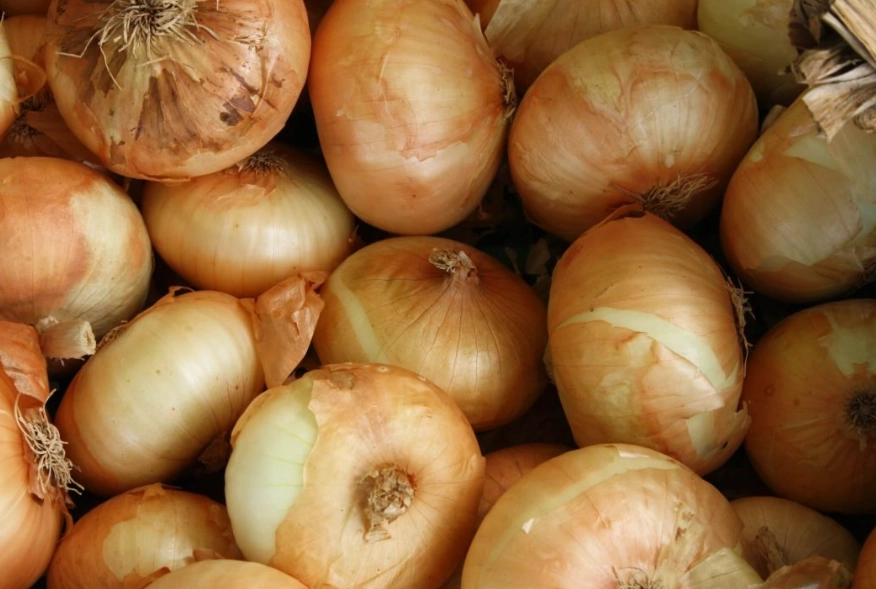
How to Choose: A Practical Decision Chart
Stop guessing. Use this simple flow based on what you're making.
Reach for the Vidalia Onion when:
- You're making fresh pico de gallo or any uncooked salsa.
- It's going on top of a raw burger or hot dog.
- You're preparing onion rings where sweet, mild batter is key.
- The recipe is a simple salad like cucumber-onion salad.
- You want to make a quick, sweet onion jam or marmalade.
The generic sweet onion is your better bet for:
- Weeknight stir-fries and fajitas where you want the onion to keep some bite.
- Roasting with other vegetables (they caramelize well but won't vanish).
- French onion soup (you still need some savory depth).
- Pickling – the slight extra tang balances the vinegar well.
- Any application where budget matters and the onion is one component among many.
The Seasonality Factor: Why You Can't Always Find Vidalias
Here's a huge practical difference. Vidalias have a strict seasonal window. They are harvested from late April through mid-June. Thanks to advanced storage (controlled atmosphere), you can find them in stores often into early December. But by mid-winter, they're gone.
"Sweet Onions" on the other hand, are a year-round product. They might be sourced from Texas, Chile, Peru, or New Zealand depending on the time of year. The flavor profile will shift slightly with the origin, but the label stays the same.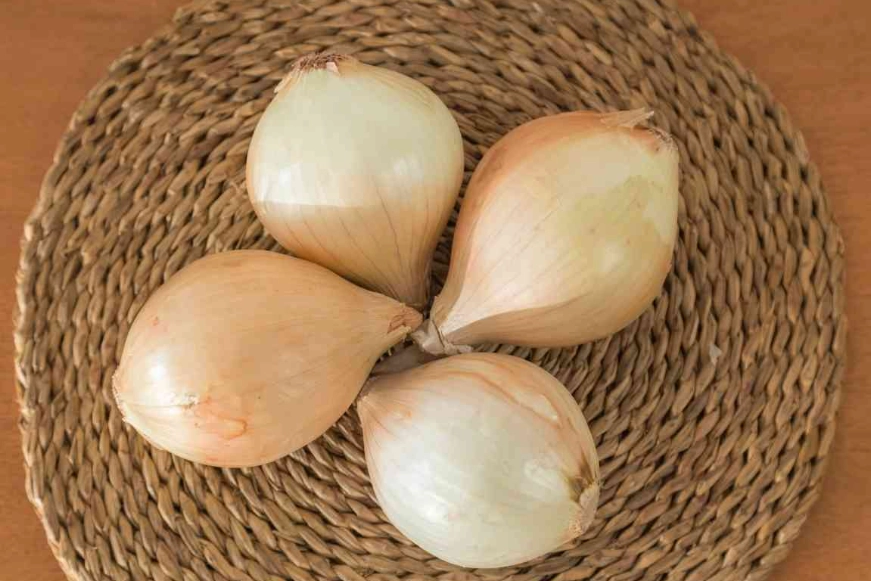
Storing Them Right: Why Your Vidalias Might Lose Their Sweetness
This is a pro tip few home cooks know. Never store sweet onions, especially Vidalias, next to potatoes. Potatoes release moisture and gases that cause onions to spoil faster. That funky smell in your pantry? Often a potato-onion breakup gone bad.
More importantly, don't refrigerate whole, uncut sweet onions. The cold, humid environment converts their starches to sugars too quickly and can actually make them rot or become mushy. Store them in a cool, dark, dry, and well-ventilated place—a mesh bag in a pantry cupboard is perfect.
Once cut, wrap the leftover onion tightly in plastic wrap or put it in an airtight container then refrigerate. It will last about a week. This keeps it from absorbing other fridge odors and drying out.
Your Onion Questions, Answered
 Are Vidalia onions healthier than other sweet onions?
 So, the next time you're in that produce aisle, you'll know exactly what you're holding. If you need that guaranteed, melt-in-your-mouth sweetness for a standout raw dish and it's in season, the Vidalia is worth the splurge. For virtually everything else—the soups, the roasts, the weeknight dinners—a good old-fashioned sweet onion will do the job beautifully and save you a few bucks. Now go cook something delicious.
Reader Comments