Let's be honest, when you think of raspberries, you picture the juicy fruit, maybe a jam, or a dessert topping. The tiny seeds? They're usually something you try not to crunch down on. But what if I told you that the real magic, especially for your skin, is locked inside those very seeds? I've been formulating natural skincare for over a decade, and raspberry seed oil remains one of the most misunderstood and underutilized ingredients. Most blogs just parrot the same few benefits. The real story is in its unique fatty acid profile—a combination you won't find in argan, jojoba, or rosehip oil—and how that translates to tangible results for different skin types.
What's Inside This Guide?
What Exactly Is Raspberry Seed Oil?
Raspberry seed oil is a carrier oil, also called a base oil, extracted from the seeds of the red raspberry (Rubus idaeus). It's not the same as raspberry essential oil, which is derived from the fruit and is highly concentrated and rarely used directly on skin. The seed oil is gentle, nutrient-rich, and safe for topical application.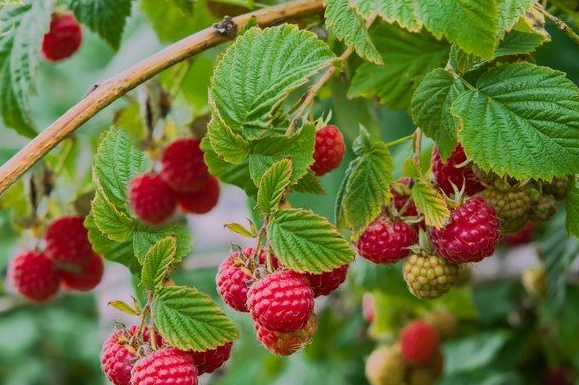
The extraction method is everything. You'll see two main types:
- Cold-Pressed: This is the gold standard. The seeds are mechanically pressed without heat, preserving the delicate vitamins, antioxidants, and fatty acids. The color is a pale golden yellow, and it has a very light, slightly nutty scent. This is the only type I recommend for skincare.
- Refined or Solvent-Extracted: Often used in cheaper, bulk products. Heat or chemical solvents strip out the color and smell, but they also destroy a significant portion of the beneficial compounds. You're left with a bland oil that's lost its potency.
The Fatty Acid Superpower: What sets raspberry seed oil apart is its balance of linoleic acid (Omega-6) and alpha-linolenic acid (Omega-3), along with a high level of tocopherols (Vitamin E). Data from the USDA FoodData Central shows this unique profile supports skin barrier function in a way that oils richer in oleic acid (like olive oil) sometimes can't, especially for acne-prone or combination skin.
The Key Benefits for Your Skin
So, what does this unique chemistry actually do for you? It's more than just "moisturizing."
Natural Sun Protection (A Misunderstood Bonus)
This is the claim that gets the most attention—and the most confusion. Some sources tout an SPF of 28-50. Let's clear this up: while raspberry seed oil does absorb a broad spectrum of UV rays (both UVA and UVB) in lab tests, it is not a replacement for your sunscreen. Think of it as a supportive, nourishing layer underneath your broad-spectrum mineral or chemical sunscreen. It adds an extra layer of antioxidant defense against free radical damage caused by sun exposure, which is a primary cause of premature aging.
Intense Hydration Without Clogging Pores
Here's where that high linoleic acid content shines. Linoleic acid is lightweight and matches the composition of the skin's natural sebum more closely for many people, particularly those with oily or combination skin. It reinforces the skin's lipid barrier, helping it retain moisture more effectively. Unlike heavier oils, it absorbs quickly and doesn't leave a greasy film. I've found it's brilliant for balancing skin that feels dry in some areas but oily in others.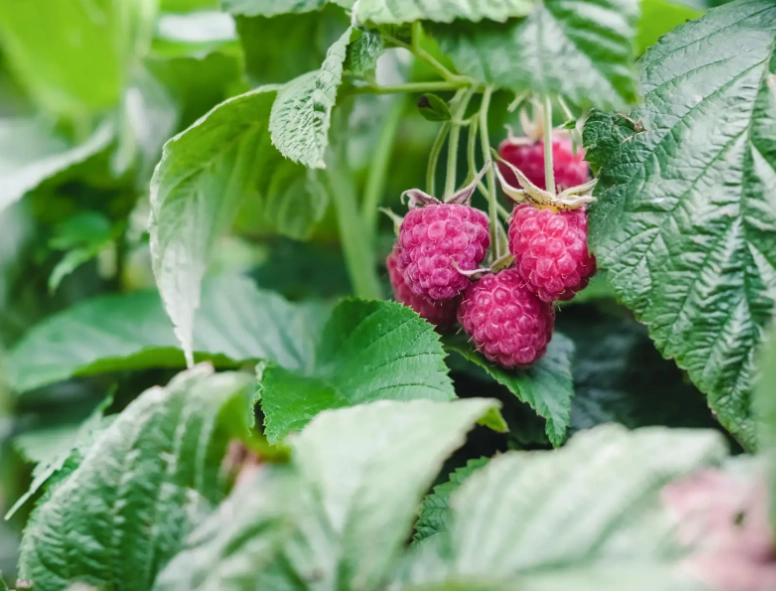
Fighting the Signs of Aging
The antioxidant cocktail in cold-pressed raspberry seed oil—Vitamin E, carotenoids, and plant sterols—works to neutralize free radicals from pollution and UV exposure. A study published in the Journal of Agricultural and Food Chemistry highlighted the potent antioxidant activity of raspberry seed extract. Consistent use can help reduce the appearance of fine lines and improve skin elasticity by protecting collagen. It's a preventative powerhouse.
Soothing and Calming
The anti-inflammatory properties of the Omega-3 fatty acids can help calm redness, irritation, and mild skin flare-ups. It's gentle enough for many people with sensitive skin, though a patch test is always wise.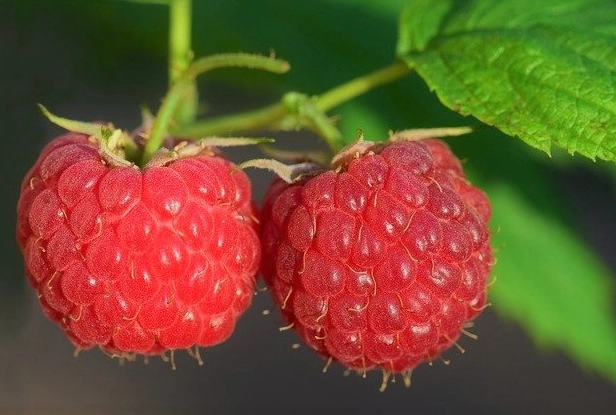
How to Choose a High-Quality Raspberry Seed Oil
This is where most people go wrong. Buying the wrong oil leads to disappointment and dismisses a great ingredient. Follow these cues:
- Label Says "100% Cold-Pressed" or "Cold-Expeller Pressed": This is non-negotiable.
- Color and Smell: It should be a clear, light gold to pale yellow. Any dark amber or brown color suggests heat damage or old oil. The scent is faint, earthy, and slightly sweet—not strong, rancid, or odorless.
- Packaging: Look for dark glass bottles (amber or cobalt blue). Light and plastic degrade the oil. A bottle with a dropper is ideal for hygiene and control.
- Sourcing: Reputable brands will often mention the origin (e.g., sourced from organic farms in Europe or North America). Organic certification is a plus, as it minimizes pesticide residue.
- Price Point: Authentic cold-pressed raspberry seed oil isn't the cheapest oil. If the price seems too good to be true, it probably is—you're likely looking at a refined, ineffective version.
A Quick Reality Check: Don't get sucked into marketing that claims a raspberry seed oil is "100% pure" but sells for $5 for a large bottle. The extraction process is costly. That cheap oil is almost certainly refined and offers little of the benefit we're discussing here.
How to Use Raspberry Seed Oil in Your Routine
Incorporating it is simple. Its lightweight nature makes it versatile.
As a Facial Moisturizer: After cleansing and applying any serums (like hyaluronic acid), place 3-4 drops in your palm, warm it slightly, and gently press it onto your face and neck. You can use it alone or mix 1-2 drops into your existing cream.
As a Makeup Primer: A tiny amount smoothed over the skin creates a hydrated, smooth base for foundation, especially mineral makeup.
For the Eye Area: Its gentle, nourishing properties make it suitable for the delicate eye area. Use a single drop patted lightly around the orbital bone to help with dryness and fine lines.
As a Body Oil or After-Sun Soother: Mix it with a little aloe vera gel for a calming, hydrating post-sun treatment (again, after sunscreen!).
Start by using it every other night to see how your skin responds. Most people can use it daily, both morning and night. In the AM, apply it before your sunscreen.
Your Raspberry Seed Oil Questions Answered
Can I use raspberry seed oil if I have oily or acne-prone skin?
It's often a great choice. The high linoleic acid content can actually help regulate sebum production. Many acne-prone skins are deficient in linoleic acid. Apply a small amount (2-3 drops) to clean, damp skin. It should absorb quickly without feeling heavy. If you're very oily, use it only at night initially.
Does raspberry seed oil really have a high SPF? Can I skip sunscreen?
No, you absolutely cannot skip sunscreen. The SPF claims are based on in-vitro lab measurements of UV absorption, not the standardized human tests used for commercial sunscreens. It provides zero reliable, even coverage. Its role is antioxidant support, not sunblock. Always layer it under a dedicated, broad-spectrum sunscreen of SPF 30 or higher.
How does raspberry seed oil compare to rosehip seed oil?
They're both fantastic but have different strengths. Rosehip oil is richer in trans-retinoic acid (a form of Vitamin A), giving it more direct cell-renewal and scar-fading properties. Raspberry seed oil has a superior fatty acid balance for barrier repair and contains unique UV-absorbing compounds. I see rosehip as more "corrective" and raspberry seed as more "protective and balancing." Some people even layer them or use rosehip at night and raspberry seed in the morning.
What's the shelf life, and how do I store it?
An unopened, properly stored bottle can last 1-2 years. Once opened, use it within 6-9 months for maximum potency. Always store it in a cool, dark place—the fridge door is perfect. The cold will make it cloudy and thick, but it will return to normal at room temperature in a few minutes. If it ever smells sharply rancid (like old crayons), toss it.
I have very dry, mature skin. Is raspberry seed oil moisturizing enough?
On its own, it might not be heavy enough for severely dry skin. Its magic is in absorption and barrier support. For deep dryness, use it as a first layer, then follow with a richer cream or butter (like shea butter) to seal it in. This two-step method—light oil followed by occlusive cream—provides both deep nourishment and a protective seal.
Reader Comments