You plant asparagus for the long haul. It's a decision that pays off for 15, even 20 years. But that first season? It's an exercise in patience. You can't harvest a single spear. The whole goal is to let those shoots grow into the tall, feathery, fully grown asparagus plant—the fern stage. Most guides gloss over this part, focusing only on the eating. But ignoring the mature plant is the single biggest mistake I see new growers make. It's like buying a car and never changing the oil. The fern is the engine that fuels next year's harvest. Let's get into how to do this right, from planting that first crown to managing the impressive ferny jungle your patch will become.
What You'll Discover in This Guide
- The Asparagus Lifecycle: Why You Can't Harvest Year One
- How to Plant Asparagus for a 20-Year Harvest
- Ongoing Asparagus Plant Care (Water, Food, Weeds)
- When and How to Harvest Asparagus Correctly
- The Critical Role of the Mature Asparagus Fern
- Winter Prep and Dividing Overgrown Crowns
- From Garden to Table: Storing & Simple Recipe Ideas
The Asparagus Lifecycle: Why You Can't Harvest Year One
Think of an asparagus crown as a battery. When you plant it, it has a finite amount of stored energy. If you harvest every spear that pops up the first spring, you drain the battery completely. The plant has nothing left to build its photosynthetic factory—the fern.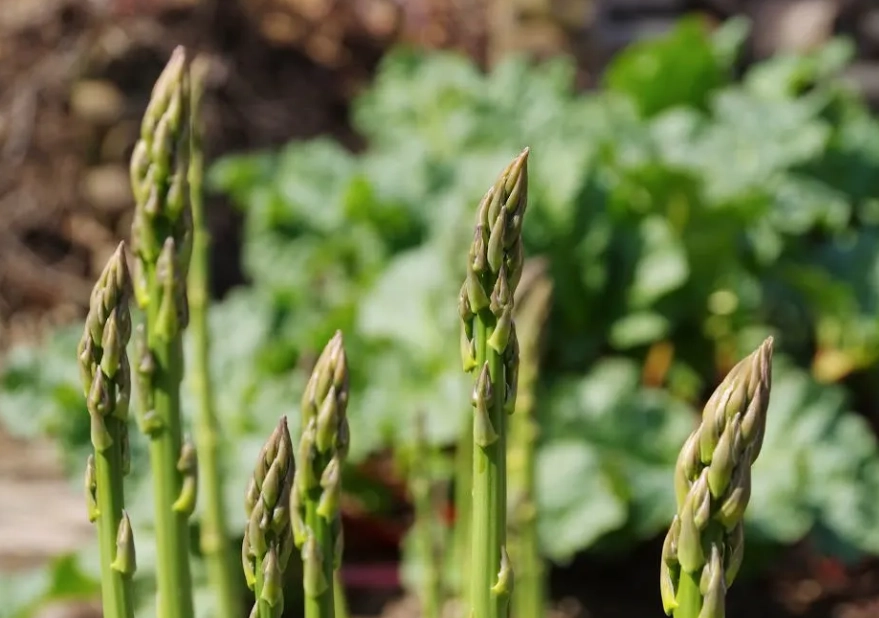
Here's the non-negotiable timeline:
- Year 1: Plant crowns. Let EVERY spear grow into a tall fern. No harvesting. Just water and weed.
- Year 2: You might get a light, 2-3 week harvest in spring. Then stop and let the ferns grow.
- Year 3 and beyond: Full harvest season (6-8 weeks), followed by the essential fern-growing period.
That fern isn't just decoration. It's the solar panel that recharges the crown's battery, storing carbohydrates in the roots for next year's spears. A weak fern means a weak harvest next spring. I learned this the hard way with my first patch—I got greedy in year two and paid for it with spindly spears in year three.
How to Plant Asparagus for a 20-Year Harvest
Location is everything. Asparagus needs full sun—at least 8 hours. It hates wet feet, so well-drained soil is critical. If your soil is heavy clay, you must amend it or build a raised bed.
I prefer a trench method. Dig a trench 12-14 inches deep and about a foot wide. Mix the excavated soil with plenty of compost and a balanced, slow-release organic fertilizer. Create a small mound in the bottom of the trench every 18 inches. Drape the spider-like crown over the mound, letting the roots hang down. Cover with just 2-3 inches of your soil mix.
As the spears grow through the season, gradually fill in the trench. By fall, it should be level. This deep planting helps anchor the tall ferns later.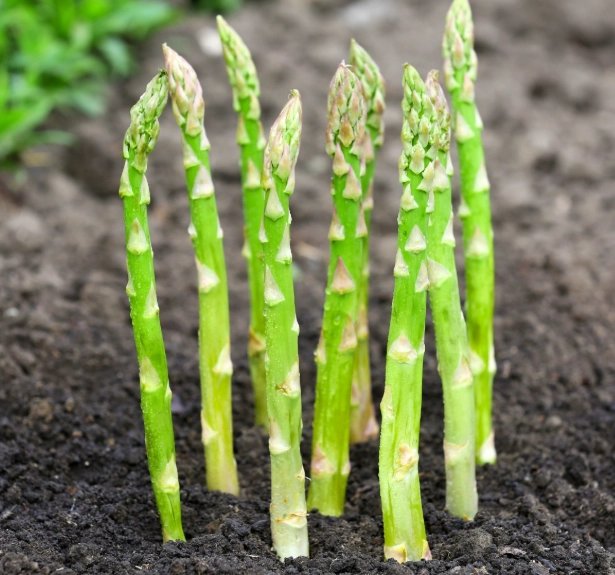
| Variety | Key Characteristic | Best For | My Personal Note |
|---|---|---|---|
| Jersey Knight | All-male, high yield, cold tolerant | Cold climates, maximum production | My go-to. The spears are thick and uniform. It's a workhorse. |
| Purple Passion | Purple spears, sweeter when raw | Gardeners wanting color & flavor | Turns green when cooked. The sweetness is real, but yield is a bit lower. |
| Mary Washington | Heirloom, reliable, disease-resistant | Traditional gardens, seed savers | Tried and true. You'll need to remove female plants (the ones with berries) over time for best yield. |
Ongoing Asparagus Plant Care (Water, Food, Weeds)
Water deeply once a week if rain is lacking, especially during fern growth in summer. Shallow watering encourages shallow roots.
Feeding is simple but crucial. Top-dress the bed with an inch of compost each spring before spears emerge. After you stop harvesting, give the plants a balanced organic fertilizer to support that massive fern growth. I use a fish emulsion or seaweed feed.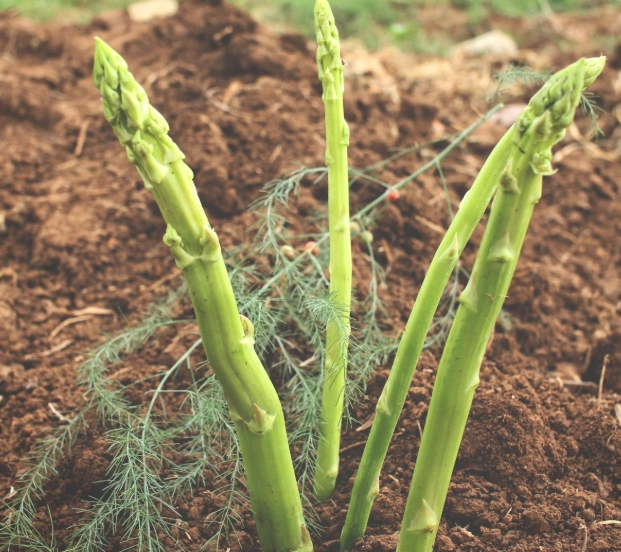
Weeds are the enemy, competing with your shallow-rooted asparagus. Mulch heavily with straw or shredded leaves to suppress them. Hand-pull any that get through—avoid deep hoeing near crowns.
Dealing with Pests: The Asparagus Beetle
This is the main pest. You'll see small, blue-black beetles with red markings or their ugly, gray larvae. They chew on ferns, weakening the plant.
My strategy isn't to eradicate but to manage. I check the ferns every few days. For light infestations, I knock them into a bucket of soapy water. For heavier problems, I use spinosad, an organic bacterial insecticide that's very effective but safe for pollinators when applied at dusk after bees are done. Never spray while the ferns are in bloom.
When and How to Harvest Asparagus Correctly
Harvest begins when spears are about 6-8 inches tall and as thick as your finger (or a pencil for thinner varieties). The classic advice is to snap spears off at ground level. This works, but I find it can sometimes damage the crown tissue below.
I use a sharp, narrow knife. I feel for the base of the spear underground and cut it on a slight angle, about an inch below the soil surface. It's cleaner. The debate between snapping and cutting is a gardener's holy war—try both and see what you prefer.
When to stop harvesting is critical. The rule of thumb is to stop around mid-June, or when the emerging spears are consistently thinner than a pencil. This isn't a suggestion. Stopping allows the plant to direct all its energy into the fern. I mark the date on my calendar.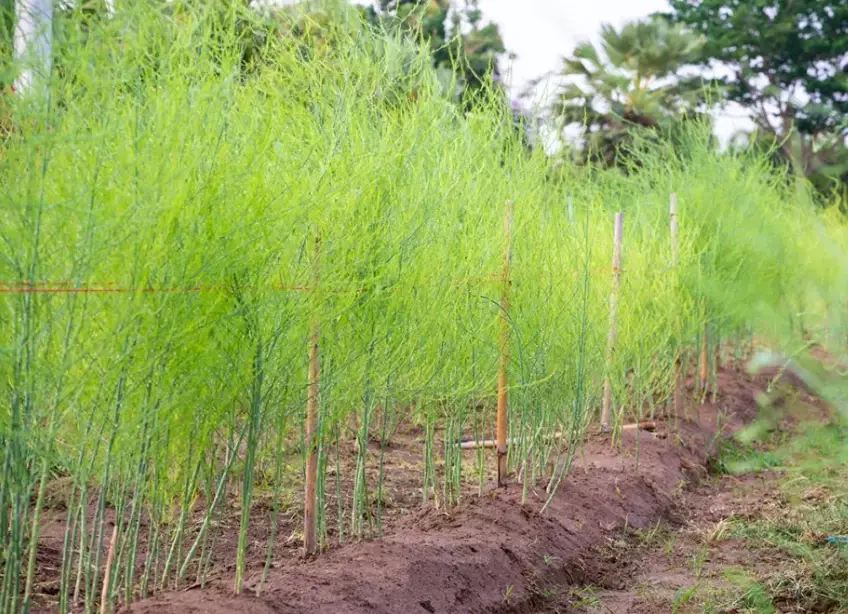
The Critical Role of the Mature Asparagus Fern
This is the part most online guides skip. After harvest, you're left with a bed of tall, feathery fronds that can reach 5-6 feet. Your job is to protect and nurture them all summer and fall.
These ferns are doing the heavy lifting. They're capturing sunlight and converting it into sugars, which are sent down to recharge the crown. The ferns also provide physical support for each other in the wind. Don't stake them unless they're completely falling over—letting them lean creates a supportive thicket.
What about those red berries on female plants? They're mildly toxic to humans, so don't eat them. They also drop seeds that become annoying little asparagus seedlings everywhere. I snap off the berry-laden branches when I see them to prevent this weed problem.
Some people ask if they can cut the ferns for flower arrangements. You can, but sparingly. Every frond you remove is a solar panel lost. I might take one or two from the edge of the patch, but never from the center of a plant.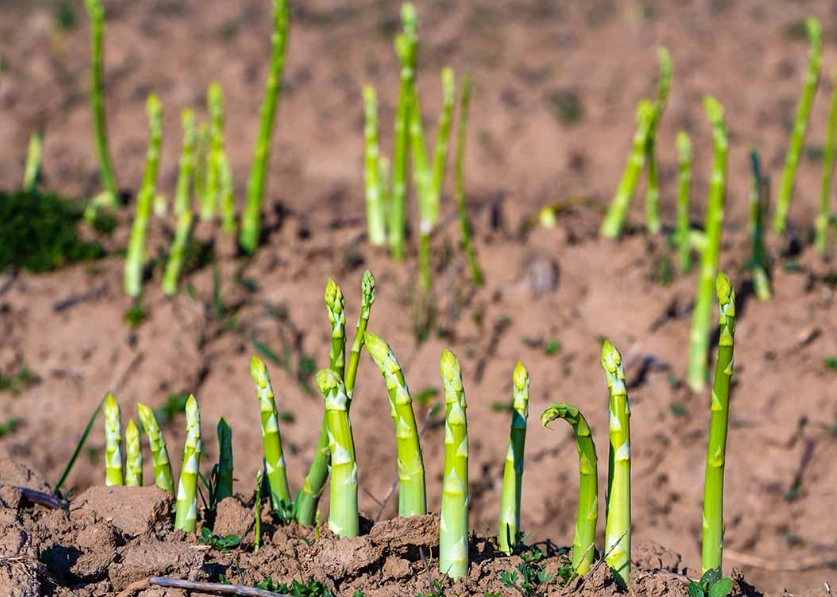
Winter Prep and Dividing Overgrown Crowns
Leave the ferns standing until they are completely yellow or brown after a hard frost. They are still sending energy down as long as there's green. Then, cut them down to about 2 inches above the ground. Do not compost the old fern debris if you had beetle issues, as it can harbor overwintering pests. Burn it or bag it.
After cutting back, mulch the bed heavily with several inches of straw or leaves to protect the crowns from winter freeze-thaw cycles.
After 8-10 years, your bed may become overcrowded, leading to thinner spears. You can divide crowns in early spring before growth starts. Dig up an entire clump and use a sharp spade to chop it into sections, each with several healthy buds and plenty of roots. Replant immediately as you would new crowns. It's a brutal process, but it can revitalize an old bed.
From Garden to Table: Storing & Simple Recipe Ideas
Fresh asparagus is best eaten the day it's picked. The sugars quickly turn to starch. To store, treat it like cut flowers: stand the spears upright in an inch of water in the fridge, loosely covered with a bag.
For cooking, the classic mistake is overcooking. It should be tender-crisp, not mushy. My favorite dead-simple method: toss spears in olive oil, salt, and pepper, and roast on a sheet pan at 425°F (220°C) for 10-15 minutes until just tender. A squeeze of lemon at the end is perfect.
That tall, mature fern? It has a use too. Once dried and browned in late fall, some gardeners use the stiff, feathery stems as a natural mulch around other perennial plants or even as a light winter protection for strawberries. It's not a primary use, but it's a nice way to recycle within the garden.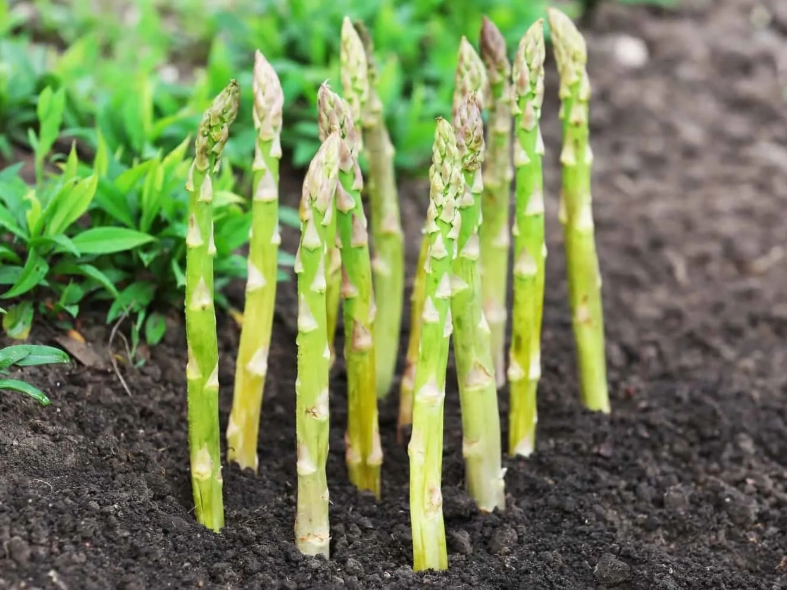
Frequently Asked Questions
Why are my store-bought asparagus spears so much thinner than the ones I see in garden photos?
I see tiny asparagus seedlings popping up all over my garden. Can I transplant them to start a new bed?
My asparagus ferns turned yellow and died back in mid-summer. What did I do wrong?
Is it true you shouldn't plant asparagus near certain other vegetables?
Can I grow asparagus in a large container?
Reader Comments