Let's get straight to it. For a standard 9-inch apple pie, you'll need between 6 and 8 medium apples. That's about 2 to 3 pounds of fruit. But if you stop there, you might end up with a soggy mess or a dry filling. I've baked hundreds of pies over the years, and the number of apples isn't just a quantity—it's a balance of variety, size, and how they cook down.
What's Inside This Guide?
Why Apple Quantity Matters More Than You Think
It's not just about filling the pie dish. Apples shrink when baked—they lose up to 30% of their volume as water evaporates. Use too few, and your pie looks sad and deflated. Use too many, and the excess moisture soaks into the crust, making it soggy. I learned this the hard way when I once packed 10 apples into a 9-inch pie for a family gathering. The result? A leaking, wet bottom that no one wanted to eat.
According to the USDA, apples vary in density based on type. A Granny Smith apple is denser than a McIntosh, so you might need fewer for the same weight. This is where most recipes fall short—they just say "6 apples" without specifying size or variety.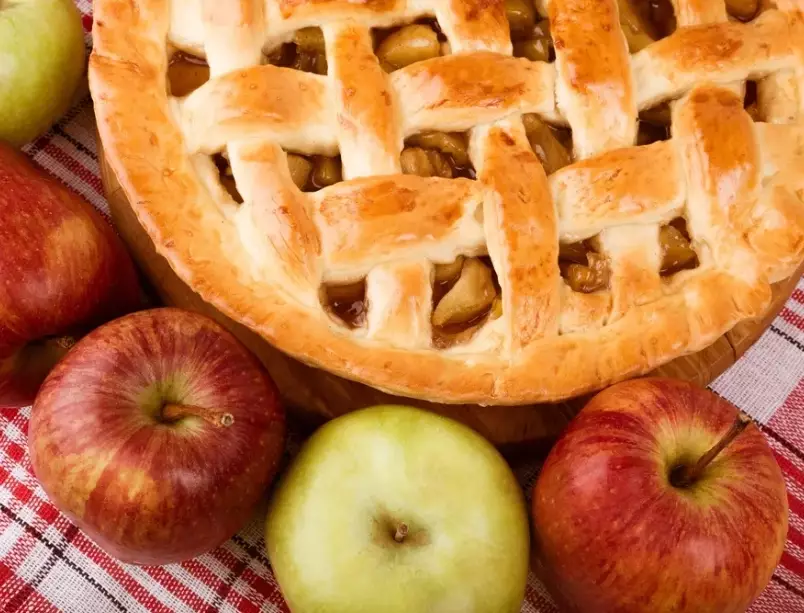
The Science Behind Apple Shrinkage
When apples bake, pectin breaks down, and cells collapse. Firmer apples hold shape better, so they shrink less. Softer apples like Red Delicious turn mushy and release more juice. That's why a pie with all soft apples needs fewer in number but risks a watery filling. A mix of firm and soft apples can give you control over texture and moisture.
Choosing the Right Apples: A Variety Breakdown
Not all apples are created equal for pie. Here’s a quick comparison of common varieties, based on my experience and data from sources like the Washington Apple Commission.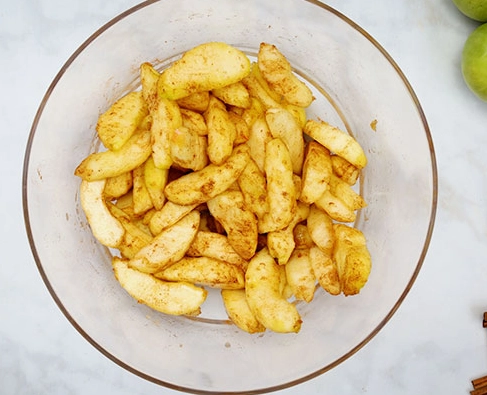
| Apple Variety | Best For Pie? | Texture When Baked | Approx. Apples Needed for 9-inch Pie | Flavor Notes |
|---|---|---|---|---|
| Granny Smith | Yes, excellent | Firm, holds shape | 6-7 medium | Tart, tangy |
| Honeycrisp | Yes, but pricey | Crisp, juicy | 7-8 medium | Sweet with mild tartness |
| Braeburn | Yes, underrated | Firm, slightly soft | 6-7 medium | Sweet-spicy balance |
| McIntosh | No, unless mixed | Very soft, mushy | 5-6 medium (if used alone) | Mild, sweet |
| Fuji | Yes, with caution | Soft, sweet | 7-8 medium | Very sweet |
I often blend Granny Smith and Honeycrisp. The tartness from Granny Smith cuts through sweetness, and Honeycrisp adds juiciness without turning to soup. If you're on a budget, Braeburn is a solid choice—it's cheaper than Honeycrisp but bakes well.
One non-consensus view: don't peel your apples. Seriously. The skin adds fiber and helps hold slices together, reducing mushiness. Just wash them thoroughly. I've tested this side-by-side, and unpeeled apples give a more rustic, textured filling that doesn't collapse.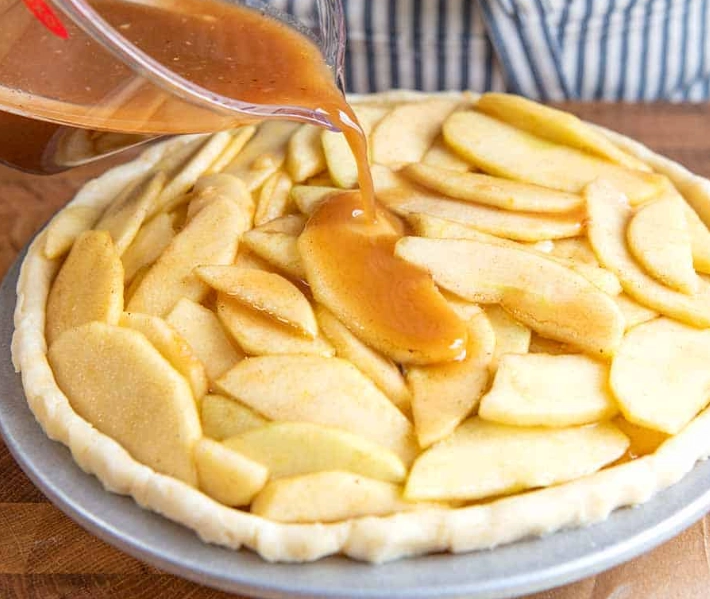
Step-by-Step: Calculating Apples for Your Pie
Let's make this actionable. Here’s how to determine how many apples you need, based on your pie dish.
Step 1: Measure Your Pie Dish. Grab a ruler. Standard sizes are 9-inch (23 cm) diameter and 1.5-inch (4 cm) depth. Deep-dish versions are 9-inch but 2-inch deep. If you have an 8-inch dish, reduce apples by 1-2. For a 10-inch dish, add 2-3 apples.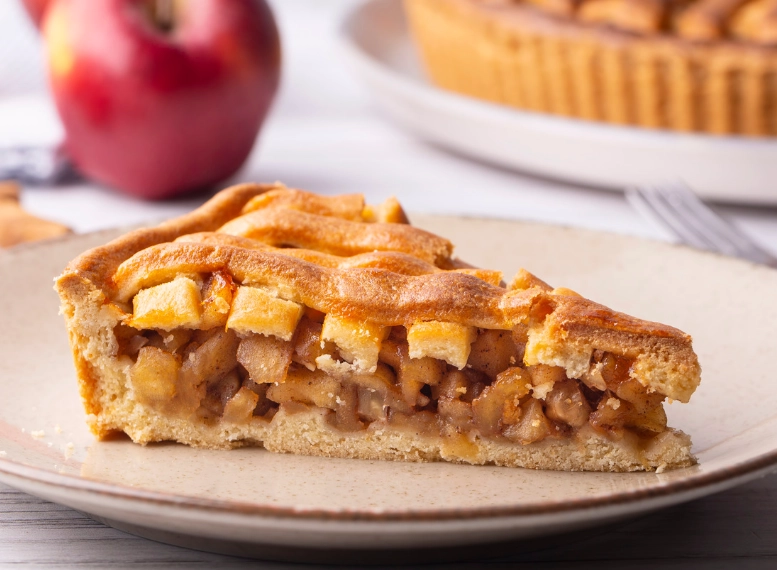
Step 2: Choose Your Apples. Refer to the table above. If using firm apples like Granny Smith, you might need fewer because they pack densely. For softer apples, you might need more volume-wise, but weigh them to be sure.
Step 3: Prep and Weigh. Peel and core the apples (or don't peel, as I suggest). Weigh them. For a 9-inch standard pie, target 2 to 2.5 pounds (900-1100 grams) of prepared apples. That translates to about 6-8 medium apples, each roughly 3 inches in diameter.
Step 4: Adjust for Recipe Variations. Some recipes add thickeners like flour or cornstarch. If yours does, you can use slightly more apples—up to 3 pounds—because the thickener absorbs juice. But I prefer less thickener and more apple control for a cleaner taste.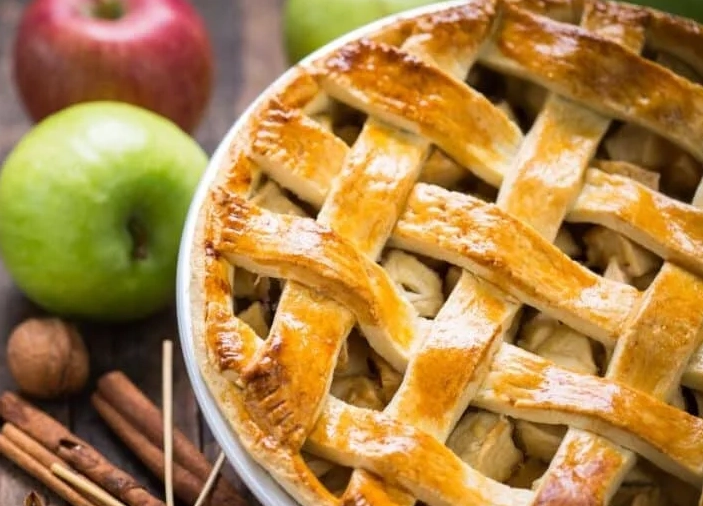
Hypothetical Scenario: You're making a pie for a potluck with a 10-inch deep-dish pan. Start with 3 pounds of apples (about 9-10 medium). Use a mix of 2/3 firm (e.g., Granny Smith) and 1/3 soft (e.g., Honeycrisp) for balance. Slice them uniformly, about 1/4-inch thick, to ensure even cooking.
I remember a time I used only Fuji apples because they were on sale. The pie was too sweet and collapsed into a jam-like consistency. Now, I always mix varieties unless the recipe specifically calls for one type.
Common Mistakes and How to Avoid Them (Expert Insights)
After a decade of baking, I've seen the same errors repeatedly. Here’s what to watch out for.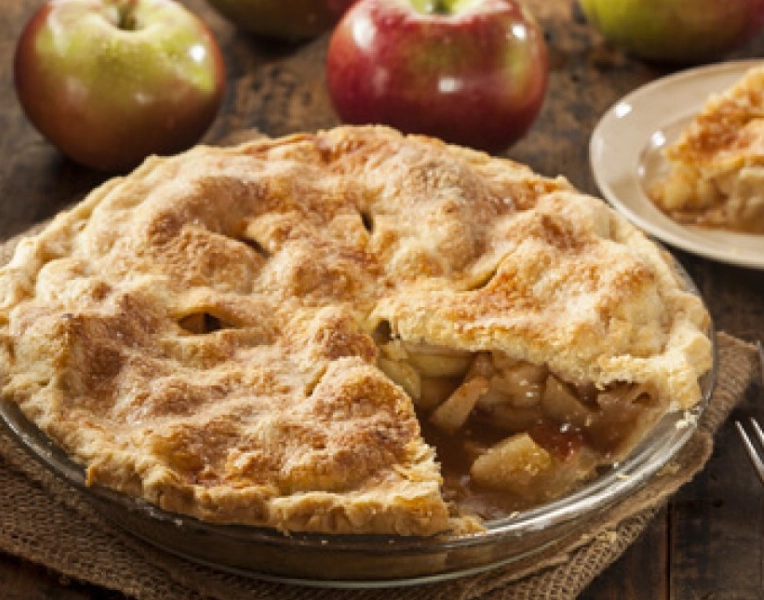
Mistake 1: Relying Solely on Apple Count. As said, apples vary in size. A "medium" apple in the store can range from 150 to 200 grams. Weighing is key. Don't trust the count—trust the scale.
Mistake 2: Overpacking the Pie. It's tempting to stuff in more apples for a heaping pie, but that leads to uneven baking and sogginess. Leave about 1/2 inch of space at the top for expansion. The filling will settle as it bakes.
Mistake 3: Ignoring Apple Freshness. Old, mealy apples release less juice and taste bland. Use fresh, firm apples. If they're from your backyard, adjust for moisture—homegrown apples can be juicier, so you might need fewer.
Mistake 4: Not Pre-cooking Apples. Some bakers swear by pre-cooking apples to reduce shrinkage. I disagree—it kills the fresh flavor and can make apples mushy. Instead, toss slices with a bit of sugar and let them sit for 15 minutes to draw out excess juice, then drain before baking. This little step saves the crust.
For sustainable baking, consider using locally sourced apples to reduce carbon footprint. It's an industry trend that also ensures freshness. I source from a nearby orchard in fall, and their apples are denser, so I use fewer per pie.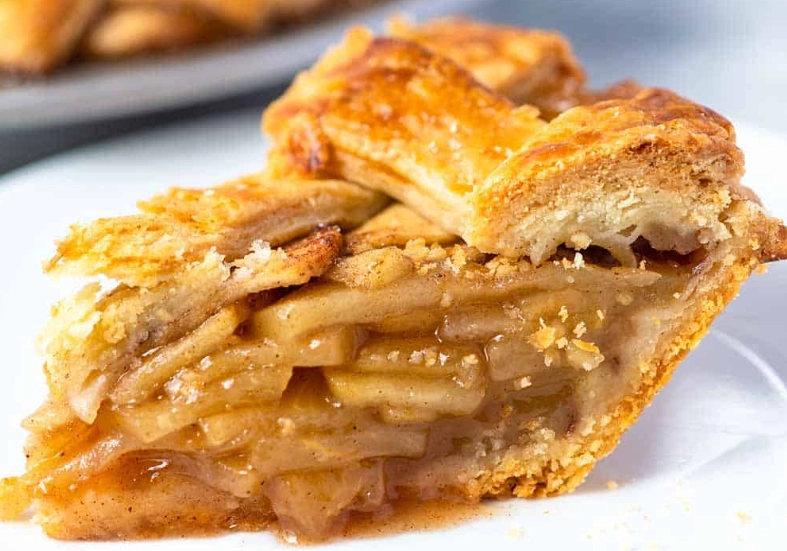
Frequently Asked Questions (FAQ)
To wrap up, the magic number for apple pie is 6-8 apples, but it's the details—weighing, choosing varieties, and avoiding common pitfalls—that make the difference. Start with 2.5 pounds of prepared apples for a standard pie, adjust based on your dish, and don't be afraid to experiment. Happy baking!
Reader Comments