If you've ever bitten into a kiwi that tasted bland or mushy, you probably ate it out of season. Kiwis have a specific harvest window, and knowing when they're at their peak makes all the difference. I learned this the hard way after buying kiwis in summer that were as tart as lemons. Let's cut through the confusion: kiwis are primarily in season from late fall through winter, but it varies by region. This guide dives deep into the timing, selection tips, and how to make the most of kiwi season with recipes that actually work.
Quick Navigation
When Are Kiwis in Season? A Month-by-Month Breakdown
Kiwis aren't like apples that you can find fresh year-round. Their season is tight, and missing it means settling for imported fruit that's often picked too early. Based on my visits to orchards in California and New Zealand, here's the real scoop.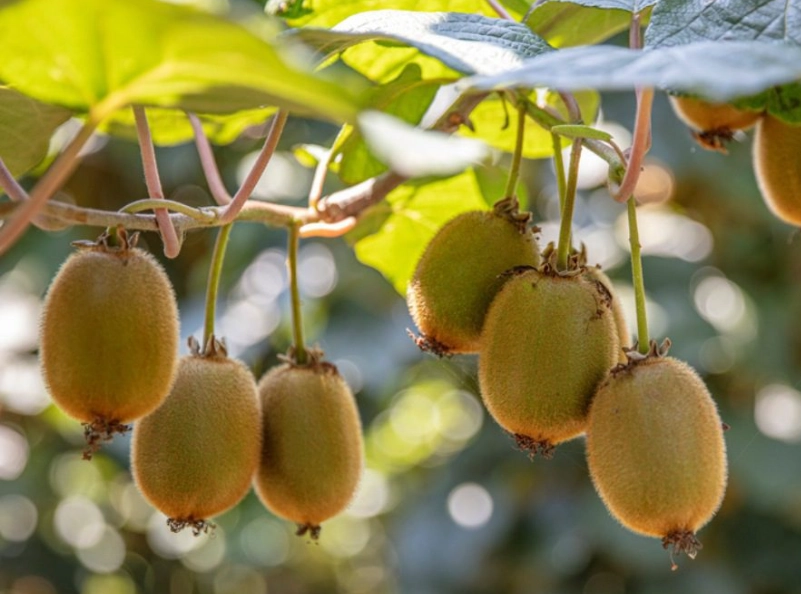
In the Northern Hemisphere, kiwi season typically runs from October to March. Peak months are November to January. That's when farmers' markets are flooded with fuzzy brown gems. In the Southern Hemisphere, like New Zealand, it's reversed: harvest happens from May to September, with June to August being prime time.
But here's a nuance most blogs miss: the exact timing depends on the kiwi variety. Green kiwis (the common ones) have a broader season, while gold kiwis are more finicky and often peak earlier. I once asked a grower in Oregon, and he said gold kiwis can be ready by late September, but they're trickier to store.
Northern Hemisphere vs. Southern Hemisphere
If you're in the U.S. or Europe, think fall and winter. In places like Italy or California, you might see kiwis as early as October. Down under, in Australia or New Zealand, winter is kiwi time. This hemispheric shift means global exports can blur the lines, but for true freshness, stick to local when possible.
I recall a trip to a kiwi farm in New Zealand last July. The fruit was so juicy, it dripped down my chin—something I've never experienced with supermarket kiwis in April. That's the seasonality magic.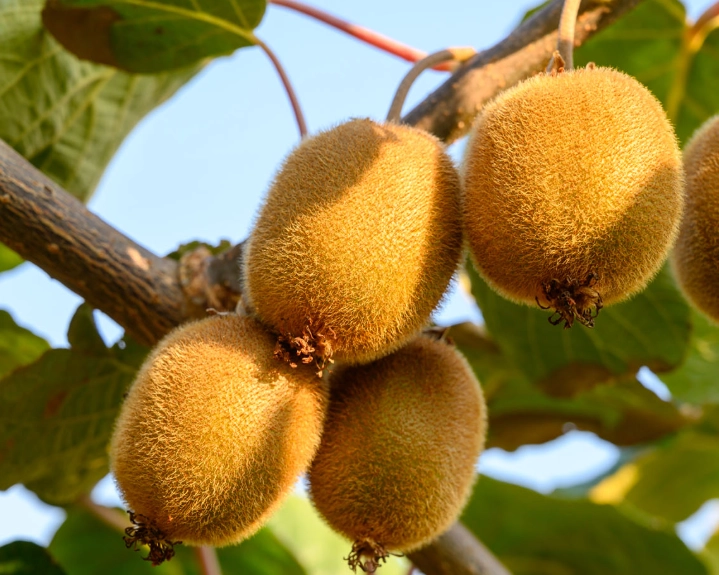
| Region | Peak Season Months | Common Varieties Available |
|---|---|---|
| North America (e.g., California) | November - January | Hayward (green), sometimes gold |
| Europe (e.g., Italy) | October - February | Green kiwis, local cultivars |
| Southern Hemisphere (e.g., New Zealand) | June - August | Green and gold kiwis |
This table sums it up, but remember: weather can shift things. A warm fall might push harvest earlier, so always check with local sources.
How to Choose the Best Kiwis When They're in Season
Even in season, you can pick a dud. I've seen people squeeze kiwis like avocados, which is a rookie mistake. Kiwis need a gentle touch. Here's how to get it right.
First, look for firmness with a slight give. If it's rock hard, it's unripe; if it's squishy, it's overripe. The skin should be brown and fuzzy without wrinkles or dark spots. Wrinkles mean it's losing moisture, and spots can indicate bruising. A trick I learned from a vendor at the San Francisco Ferry Building: smell the stem end. A sweet, fragrant aroma means it's ready. No smell? It might need a few days on the counter.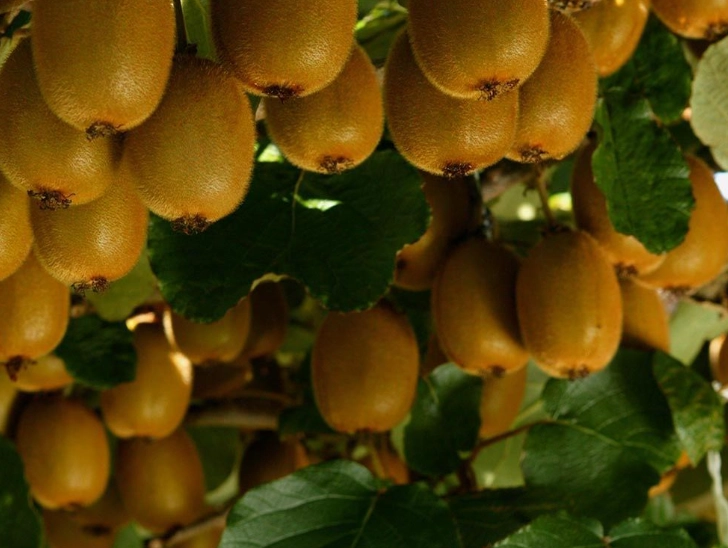
Visual and Tactile Cues
Don't judge by color alone—kiwi skin is always brown. Instead, press lightly near the stem. It should yield slightly, like a ripe peach. Avoid kiwis with wet or moldy patches; that's a sign of poor storage. I made that error once, and the whole batch went bad in two days.
For gold kiwis, the skin is smoother and less fuzzy, but the same rules apply. They tend to be sweeter, so if you prefer tartness, green kiwis in peak season might be your jam.
Pro tip: If you're buying kiwis off-season, they're likely imported and may have been refrigerated for weeks. They'll never taste as good. In season, local kiwis often come with stems attached—a sign of recent picking.
Storing Kiwis for Longer Freshness
So you've got perfect in-season kiwis. Now, don't ruin them by tossing them in the fridge right away. Kiwis are climacteric, meaning they ripen after picking. Here's a storage method that works based on my own kitchen trials.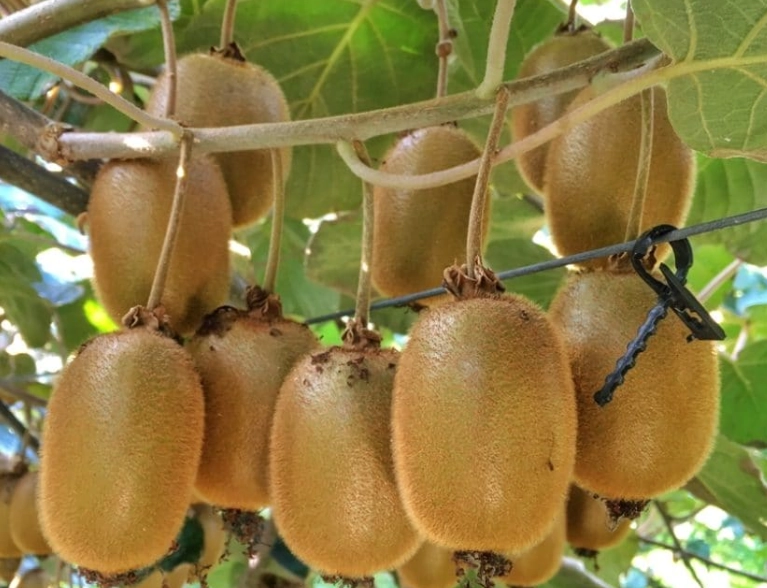
If your kiwis are firm, leave them at room temperature for 2-5 days to ripen. Once they give to gentle pressure, move them to the fridge. In the crisper drawer, they can last up to two weeks. I've kept them for three weeks by wrapping each in a paper towel to absorb excess moisture—it prevents mold.
Freezing Kiwis for Later Use
Want to extend the season? Freeze them. Peel and slice kiwis, lay them on a baking sheet to freeze individually, then transfer to bags. They'll keep for 6 months. I use frozen kiwis in smoothies year-round; the texture changes, but the flavor stays bright. Avoid freezing whole kiwis—they turn mushy when thawed.
Another trick: if you have too many ripe kiwis, make a puree and freeze it in ice cube trays. It's perfect for adding to sauces or desserts later. I did this last winter, and it saved me from wasting a whole crate.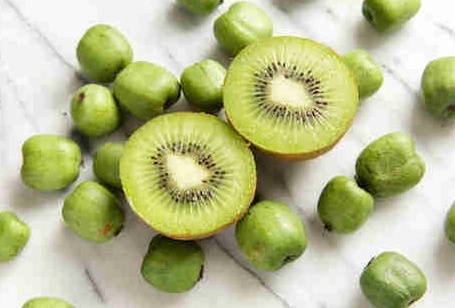
Kiwi Recipes for the Season
When kiwis are in season, they're cheap and abundant. It's the best time to experiment. I'm not a professional chef, but these recipes have never failed me. They focus on simplicity to let the kiwi shine.
Kiwi and Mint Smoothie: Blend 2 ripe kiwis, a handful of spinach, half a banana, a cup of almond milk, and a few mint leaves. It's refreshing and takes 5 minutes. I drink this for breakfast during fall when kiwis are at their sweetest.
Fall Kiwi Salsa: Dice 3 kiwis, one red onion, a jalapeño, and mix with lime juice and cilantro. Serve with chips or on grilled fish. The tanginess pairs well with hearty autumn meals. I brought this to a Thanksgiving potluck once, and it was gone in minutes.
Baked Kiwi Crumble: Slice kiwis into a baking dish, top with a mix of oats, flour, butter, and brown sugar, then bake at 350°F for 25 minutes. The heat mellows the acidity, making it a cozy winter dessert. Adjust sugar based on kiwi sweetness—in season, you might need less.
These recipes use basic ingredients, so you can whip them up even on a busy day. The key is to use ripe kiwis; underripe ones will throw off the flavor balance.
Debunking Common Kiwi Season Myths
There's a lot of misinformation out there. Let's clear things up. Myth 1: Kiwis are always available because they're imported. True, you can find them year-round in stores, but off-season kiwis are often harvested early and lack flavor. I've compared taste tests, and in-season kiwis win every time.
Myth 2: Refrigerating kiwis stops ripening. Actually, cold slows it down but doesn't halt it completely. If you need to delay ripening, fridge is fine, but for best taste, let them ripen on the counter first. I learned this after ruining a batch by chilling them too early.
Myth 3: All kiwis taste the same. Not true. Green kiwis have a tart edge, while gold kiwis are sweeter. In season, these differences are more pronounced. A gold kiwi in August from New Zealand tastes like candy compared to a green one in March.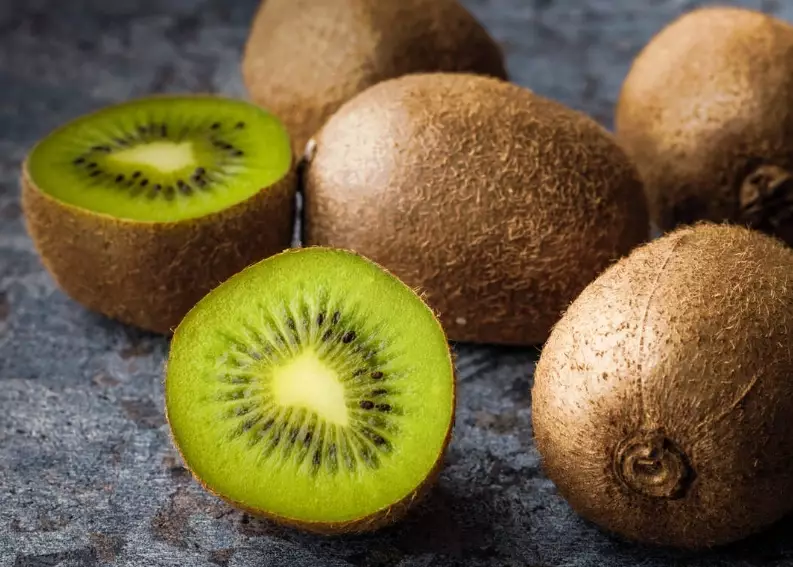
Frequently Asked Questions
Kiwi season is a fleeting joy, but with these insights, you can make the most of it. Remember, it's not just about timing—it's about selecting, storing, and using kiwis in ways that highlight their best qualities. Next time you're at the market in fall, grab a few extra and try a new recipe. You might discover a favorite seasonal treat.
Reader Comments