You know the feeling. You're at the grocery store or farmers market, sifting through piles of plums. They all look similar from the outside—a deep purple, maybe a reddish blush. You pick a few, take them home, slice one open... and there it is. That brilliant, ruby-red flesh. It's a small moment of kitchen magic. But what does it mean? Is a plum red on inside sweeter? More nutritious? Is it a specific type? For years, I just thought I got lucky. After talking to orchardists and testing hundreds of plums (a tough job, I know), I realized there's a whole world inside that red hue, and most guides miss the crucial details that actually help you shop and eat better.
What's Inside This Guide?
What Are Red-Flesh Plums Anyway?
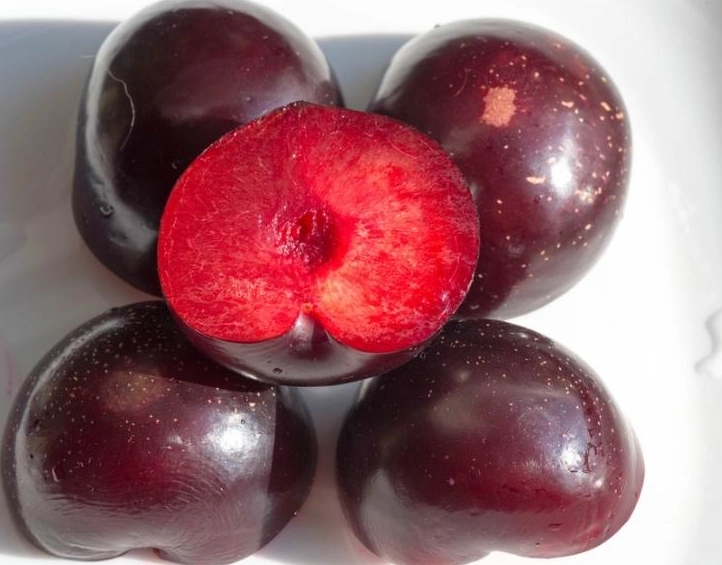
Let's clear this up first. A plum red on inside isn't one single variety. It's a category. The color comes from anthocyanins, the same powerful antioxidants that give berries, red cabbage, and even red wine their color. The intensity of the red can range from a light pink blush to a deep, blood-red that almost stains your fingers.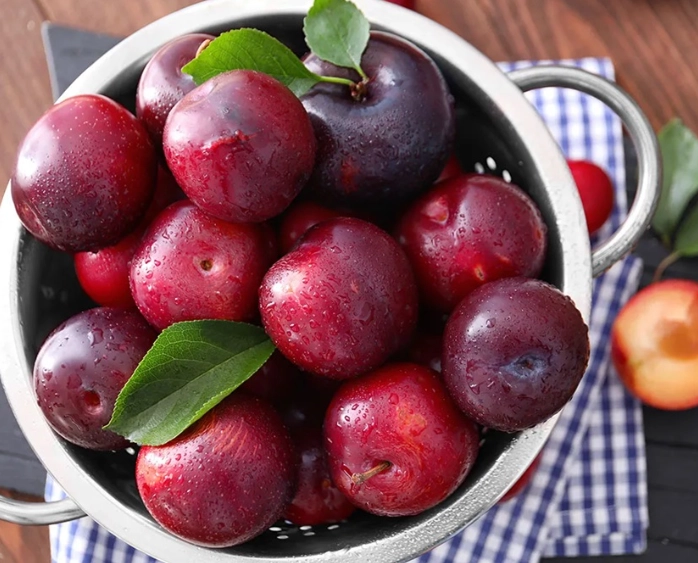
Many common plum varieties have yellow or amber flesh. The red-fleshed ones often (but not always) have a darker, sometimes nearly black skin. That's your first visual clue at the store. But here's the non-consensus bit everyone gets wrong: skin color is not a perfect indicator. I've bought deep purple plums only to find golden insides, and lighter red ones that were crimson within. The surefire sign? A slight give near the stem end and a fragrant smell. We'll get to that.
How to Choose the Perfect Red-Flesh Plum
This is where most articles give you generic "choose firm but slightly soft" advice. Useless. Picking a great plum, especially one with red flesh, is a sensory exercise. You need to use your eyes, hands, and nose. Do this, and you'll never bring home a bland, mealy plum again.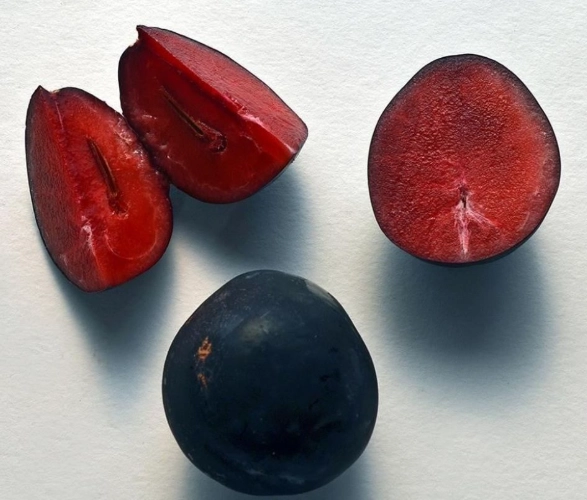
- Look for the Bloom: See that dusty, whitish film on the skin? That's the "bloom." It's a natural protective wax. A intact bloom often means the plum hasn't been over-handled and is fresher. Don't wash it off until you're ready to eat.
- Check the Background Color: Forget the red blush. Look at the background color of the skin. For most red-flesh varieties, it should be a rich, deep color—deep purple, blue-black, or burgundy. Avoid plums with a greenish background; they were picked too early.
- The Feel Test (The Right Way): Don't squeeze the belly. You'll bruise it. Cup the plum in your whole hand and apply gentle, even pressure. It should yield slightly, like a ripe avocado. The area around the stem end is the best place to check for this gentle give.
- The Sniff Test: Bring the plum up to your nose, near the stem end. A ripe, flavorful plum—red flesh or otherwise—will have a distinctly sweet, fragrant aroma. No smell often means no flavor.
- Avoid These: Shriveled skin, punctures, or brown, mushy spots. Also, be wary of rock-hard plums with no scent. They may never ripen properly.
One subtle mistake I see? People refrigerate plums immediately. If your plums are firm, leave them on the counter in a paper bag for a day or two. Cold temps halt the ripening process and can kill the development of those complex sugars and anthocyanins that make the red flesh so special.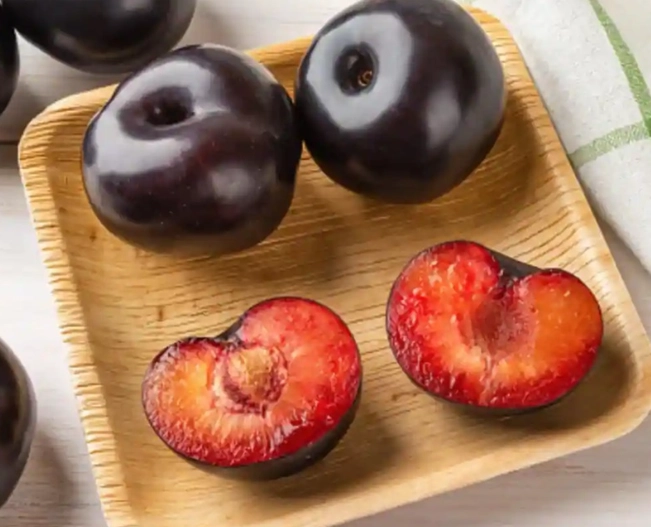
Popular Red-Flesh Plum Varieties & How to Use Them
Not all red-flesh plums are created equal. Some are best for fresh eating, others transform when cooked. Here’s a breakdown of the most common ones you'll encounter, based on my own tastings and conversations with growers at the Ferry Plaza Farmers Market in San Francisco.
| Variety Name | Skin Color | Flesh Color & Texture | Flavor Profile | Best Use |
|---|---|---|---|---|
| Black Splendor | Very dark purple, almost black | Deep blood-red, juicy, firm | Extremely sweet with a perfect tart finish | Fresh eating, show-stopping salads |
| Satsuma | Burgundy-red | Dark red, tender, super juicy | Classic sweet-tart plum flavor | All-purpose: eating fresh, jams, baking |
| Elephant Heart | Purplish-mahogany | Dark red, meaty, less juicy | Rich, sweet, almost winy | Grilling, roasting, drying into prunes |
| Friar | Dark blue with a light bloom | Amber with red streaks | Very sweet, mild, low acid | Great for kids, lunchboxes |
| Blood Plum (various) | Red to dark red | Bright to dark red, juicy | Often quite tart, tangy | Perfect for pies, sauces, plum wine |
My personal favorite for eating out of hand is the Black Splendor when I can find it. For cooking, you can't beat the intensity of a true tart Blood Plum. Its red flesh makes a stunning, vibrantly colored sauce or jam without needing food coloring.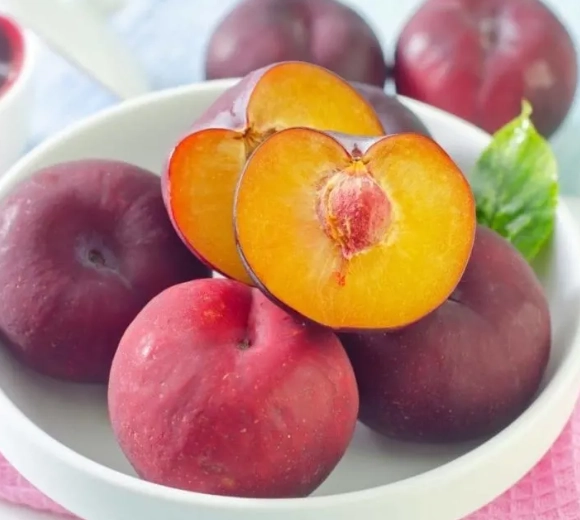
What Are the Health Benefits of Red-Flesh Plums?
So, is a plum red on inside healthier? In a word, yes. The anthocyanins that provide the color are potent antioxidants. According to nutrient data from sources like the USDA FoodData Central, plums are a good source of vitamin C, vitamin K, and fiber. But the red-fleshed varieties pack an extra punch.
Plus, they're full of dietary fiber, which aids digestion—hence the age-old remedy of prunes (which are just dried plums, often from red-fleshed varieties like Elephant Heart). One medium red-flesh plum has about 30 calories, making it a fantastic, nutrient-dense snack.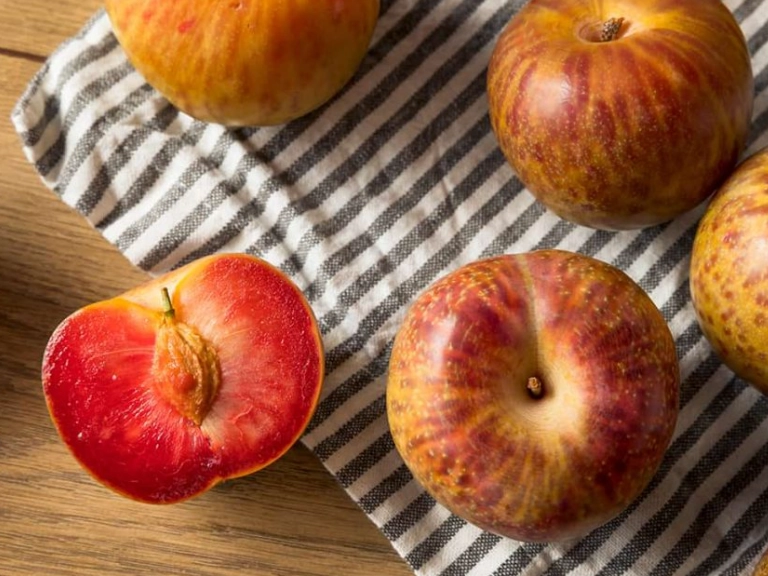
Storing and Ripening: The Mistakes Everyone Makes
You brought home perfect plums. Now what? This is where flavor is won or lost.
If they're firm: Leave them at room temperature, out of direct sun, in a single layer. Putting them in a paper bag traps ethylene gas and speeds up ripening. Add a banana to the bag for an extra boost. Check daily.
If they're ripe: Now you refrigerate them. The cold dramatically slows down the ripening process. Put them in the crisper drawer, loosely in a breathable bag or container. They should last 3-5 days.
Big mistake: Washing them before refrigeration. The moisture promotes mold. Wash right before you eat.
Got a glut? Red-flesh plums freeze beautifully for later use in smoothies or cooking. Wash, pit, slice, and spread on a baking sheet to freeze individually before transferring to a bag. This prevents a giant frozen clump.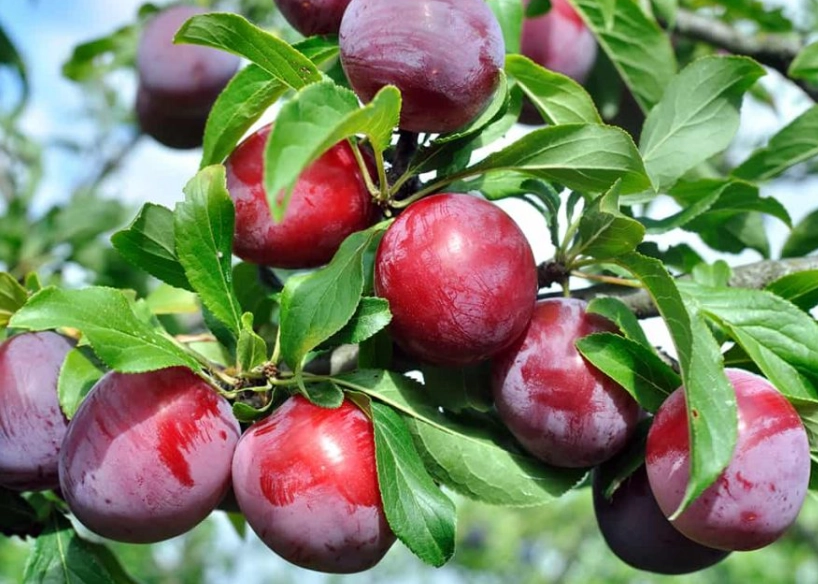
Your Red-Flesh Plum Questions Answered
Finding a plum red on inside is more than luck. It's a clue to a fruit that's often richer in flavor and antioxidants. With these tips on choosing, storing, and using them, you can turn that lucky find into a regular delight. Head to the market, use your senses, and enjoy the vibrant world inside.
Reader Comments