That first perfect cherry of the year. It’s not just fruit; it’s a signal. The season of cherries is a short, intense window where everything aligns—warm sun, long days, and trees heavy with ruby-red gems. For a few glorious weeks, farmers' markets transform, roadside stands pop up, and u-pick farms become weekend destinations. But here’s the thing most people miss: navigating the cherry harvest isn't just about eating them out of hand. It’s a logistical and culinary project. If you don’t have a plan, you’ll either miss the peak or end up with a flat of expensive fruit spoiling in your fridge. I’ve been chasing the perfect cherry season for over a decade, from the orchards of Michigan to the valleys of California. Let’s talk about how to do it right.
What’s Inside This Guide
Knowing Your Cherries: Sweet vs. Tart & Prime Times
Step one is knowing what you’re looking at. This isn't just pedantry; it changes everything you do with them.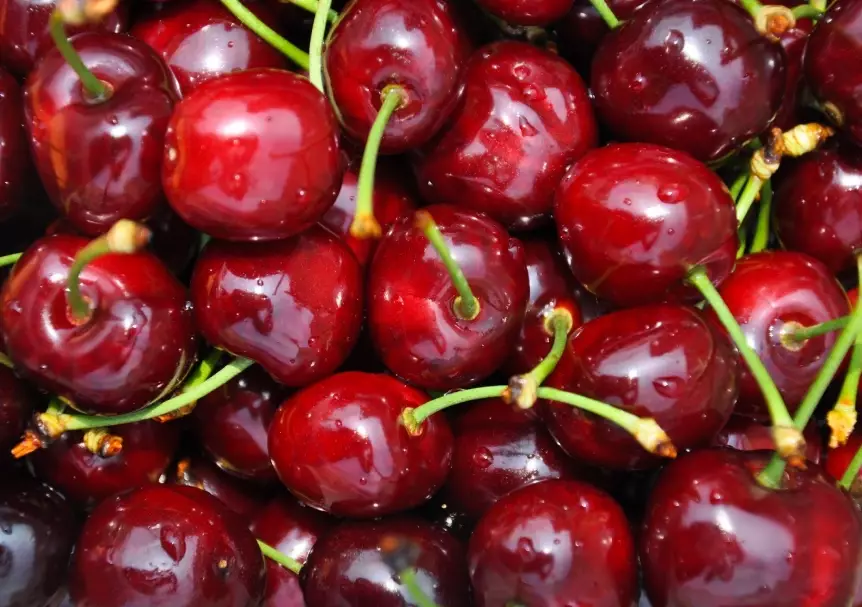
Sweet cherries (Prunus avium) are the ones you eat fresh. Think Bing, Rainier, Lapins. They’re plump, firm, and have that classic deep red or yellow-red blush. Their season is brutally short, typically from late May through early August in North America, with regional peaks. Washington state hits its stride in June, Michigan follows in July.
Tart cherries (Prunus cerasus), like Montmorency, are almost always sold processed—frozen, canned, or as juice. They’re too puckery to eat raw but are superstars for baking and cooking. Their harvest is even narrower, often just a few weeks in July.
A Quick Timing Note
Relying on a generic "cherry season" calendar will disappoint you. Weather is the dictator. A cold, wet spring can delay things by two weeks. A heatwave can compress the harvest. The only reliable method? In late spring, start checking the social media pages or websites of specific farms in your target region. They’ll post near-daily updates on bloom, fruit set, and projected picking dates. The USDA’s National Agricultural Statistics Service also provides state-level crop progress reports, which give a macro view.
I made the mistake once of driving four hours to a famous orchard based on their "usual" opening date. They’d opened a week early and were already picked clean. Lesson learned.
How to Pick the Perfect Cherry (And Where to Go)
Picking your own is the best way to experience the season. The quality is unmatched, and it’s a fantastic outing. But most people do it wrong.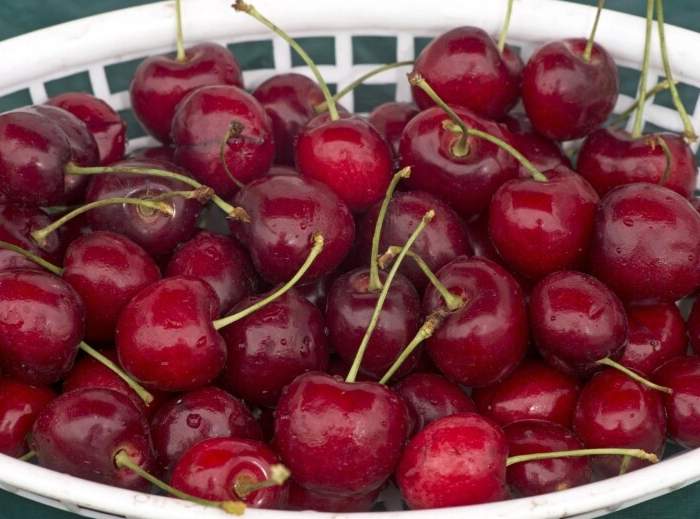
The Picking Technique Most People Get Wrong
You see folks yanking cherries off the stem. Stop. The correct way is to grasp the cherry and gently twist the stem, leaving it attached to the fruit. That little green stem acts like a natural plug, sealing in moisture and dramatically slowing decay. A cherry without its stem will go soft and leaky in a day or two. A cherry with its stem can last over a week in the fridge if stored properly. This one habit is the difference between a successful haul and a mushy mess.
Look for cherries that are uniformly deep in color for their variety (a dark Bing should be almost mahogany, a Rainier a creamy yellow with a full red blush). They should feel firm and plump, not soft or wrinkled. Avoid any with cuts, bruises, or brown spots.
U-Pick Farm Etiquette (From an Orchard Insider)
I’ve worked a few seasons at a family farm, and here’s what they wish you knew:
- Call ahead. Even if the website says "open," a sudden storm or a busy morning can change picking availability.
- Wear closed-toe shoes and a hat. Orchards are farms. The ground is uneven, and the sun is relentless.
- Only pick what you intend to buy. Sampling a few is expected, but grazing your way through a row isn’t.
- Don’t break the branches. Pulling down a limb to reach high fruit can damage the tree for future seasons. Use the provided ladders.
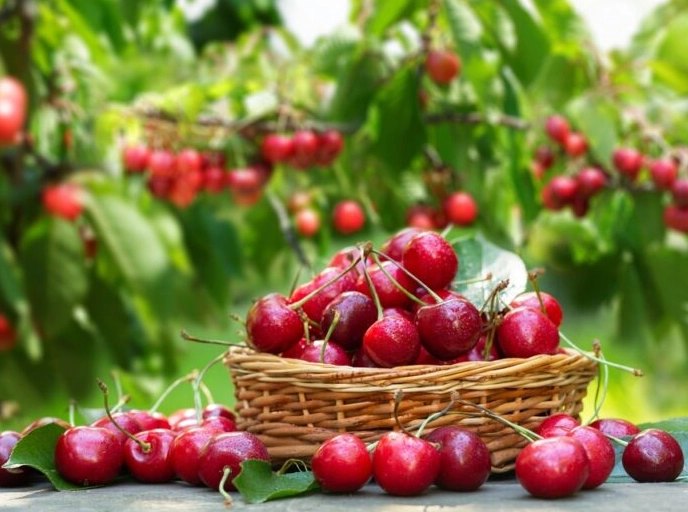
Top Cherry Picking Farms: A 2024 Shortlist
Based on consistent quality, variety, and visitor experience, here are a few standout destinations. Remember, always verify details before you go.
| Farm Name & Region | Address & Contact | Key Varieties & Season | Visitor Notes & Price (Approx.) |
|---|---|---|---|
| Sunny Ridge Orchard (Pacific Northwest) |
123 Orchard Lane, Yakima, WA 98901. Phone: (555) 123-4567. | Bing, Rainier, Skeena. Late June – Late July. | Stunning mountain views. Excellent for families. Pre-picked also available. ~$4.50/lb u-pick. |
| Leelanau Fruit Co. (Great Lakes) |
456 Cherry Blvd, Suttons Bay, MI 49682. Phone: (555) 987-6543. | Montmorency (tart), Balaton, Sweetheart. Mid-July – Early August. |
I personally lean towards Sunny Ridge for their Bing cherries—they’re sweet to the point of being almost decadent. Leelanau is a tart cherry powerhouse; if you’re into baking pies, this is your source.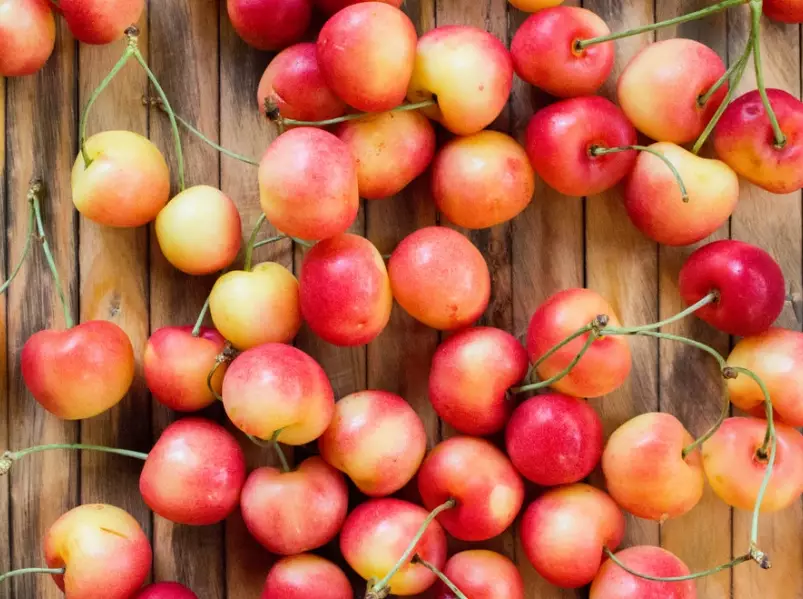
The Art of Cherry Storage: Make Them Last
This is the critical failure point. You bring home a beautiful flat, leave it on the counter, and by day two they’re starting to lose their snap. Here’s the system.
Step 1: Do NOT wash them yet. Water on the skin accelerates mold and breakdown. Leave them dry until the moment you’re ready to eat or cook with them.
Step 2: Sort immediately. Go through your haul. Any cherries with bruises, cuts, or missing stems? Separate them. These are your "use first" batch for jam, compote, or immediate eating. The perfect, stem-on cherries are your "keepers."
Step 3: The right container. Place the keeper cherries in a single layer, if possible, in a breathable container. A shallow plastic clamshell (the kind they come in) with the lid slightly ajar is good. A paper bag works. Do not seal them in an airtight plastic bag—they’ll sweat and rot.
Step 4: Cold is key. Get them into the coldest part of your refrigerator (usually the back, not the door) immediately. The ideal temperature is just above freezing, around 32-34°F (0-1°C). Stored this way, perfect cherries can last 10 days to 2 weeks.
For long-term storage, pitting and freezing is your friend. Spread pitted cherries on a baking sheet, freeze solid, then transfer to a freezer bag. They’ll keep for a year, perfect for smoothies or baking off-season.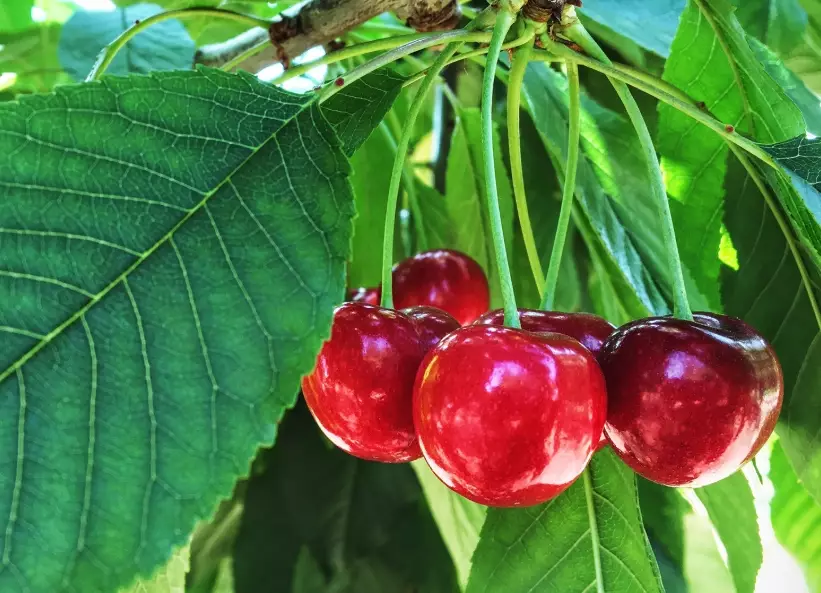
Moving Beyond Snacking: Cherry Recipe Ideas
When you have an abundance, you need a game plan. Here are three tiers of effort.
The 5-Minute Hero: Cherry Balsamic Glaze. Simmer pitted cherries with a splash of balsamic vinegar and a tablespoon of honey until they break down. Strain if you want it smooth. Incredible on grilled chicken, pork chops, or goat cheese crostini.
The Weekend Project: Classic Sour Cherry Pie. This is where tart cherries shine. Use a tried-and-true recipe like the one from America’s Test Kitchen. The key is using a lattice top—it lets steam escape so the filling thickens properly instead of becoming soupy.
The Preserve: Bourbon Vanilla Cherry Jam. A small-batch canning project. The bourbon and vanilla add a deep, complex note that makes it feel special. It’s a knockout gift and a way to taste summer in January.
Your Cherry Season Questions, Answered
How long do freshly picked cherries last in the refrigerator?
With perfect storage—unwashed, sorted, stem-on, in a breathable container in the back of the fridge—you can expect 10 to 14 days of prime quality. They’ll still be edible after that but will gradually lose firmness and flavor. The single biggest factor is whether the stem is attached.
Can I freeze cherries with the pits in?
Technically, yes. Practically, it’s a terrible idea for later use. The pit contains cyanogenic compounds (very minimal, not dangerous) that can impart a faint bitter almond flavor over long freezing. More importantly, trying to pit a frozen cherry is a messy, fruit-destroying chore. Always pit before freezing. It’s a bit of work upfront but saves massive frustration later.
What’s the difference between Rainier and Bing cherries, and which is better?
"Better" depends on your goal. Bing cherries are the classic deep red, robustly sweet with a hint of acidity. They’re great for eating, baking, and their color makes beautiful preserves. Rainiers are a yellow-red blush variety, exceptionally sweet with almost no acidity and a thinner skin. They’re more delicate, more expensive, and best enjoyed fresh where their subtle, honey-like flavor can shine. They bruise easier and their jam is a less vibrant pink. For versatility, choose Bing. For a sublime fresh-eating experience, splurge on Rainiers when you see them.
My recipe calls for tart cherries, but I only have sweet. Can I substitute?
You can, but you must adjust. Sweet cherries lack the sharp acidity that makes a cherry pie or sauce balanced. If substituting sweet for tart in a pie, add 1-2 tablespoons of lemon juice or a teaspoon of apple cider vinegar to the filling. You’ll also need to reduce any added sugar in the recipe by at least 25%, maybe more. Taste as you go. It won’t be identical, but it can still be delicious.
Reader Comments