There's a quiet satisfaction in growing butternut squash. You nurture these sprawling vines all summer, watching the small fruits swell into their distinctive bell shapes. But the moment of truth—the harvest—is where many gardeners, even experienced ones, second-guess themselves. Pick too early, and you get a bland, starchy disappointment that won't sweeten up. Leave it too late, and a surprise frost turns your prize into mush. Getting it right means months of sweet, nutty, velvety soup, roast, and pie filling. This isn't just about cutting a stem; it's about unlocking the full potential of your crop.
I've been growing winter squash for over a decade, and I've made every mistake in the book. I've harvested beautiful squash only to watch them rot in storage a few weeks later. I've learned that the difference between a squash that lasts until spring and one that spoils by Thanksgiving often comes down to a few critical steps during and immediately after harvest. Let's walk through exactly what you need to know.
What You’ll Learn in This Guide
How to Know When to Harvest Butternut Squash: It's More Than Just Color
Forget the calendar. The "days to maturity" on the seed packet is a rough guide, not a commandment. Your local weather, soil, and summer sun have the final say. Relying on visual and tactile cues is the only way to guarantee ripeness.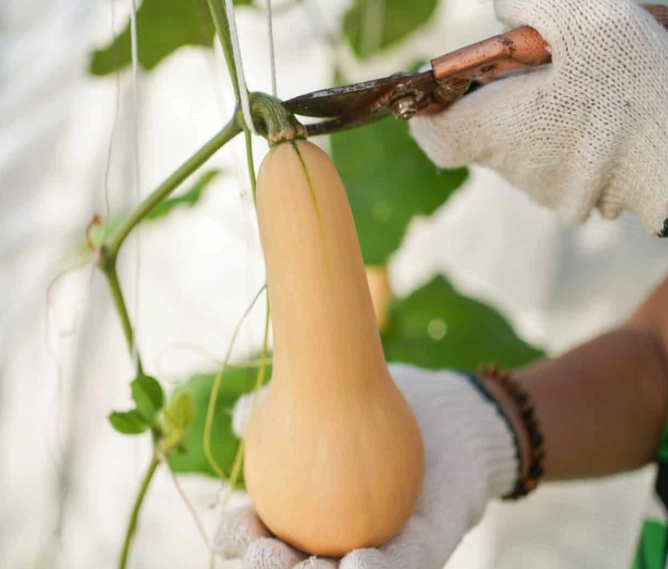
Here’s your checklist. Your squash should meet all of these criteria:
The skin has turned a uniform, deep tan or beige. Any lingering green streaks or patches mean it's still converting starches to sugars. The color should be consistent, like a peanut shell. A pale squash is an underripe squash.
The stem is hard, dry, and corky. This is the most overlooked sign. Run your thumb over the stem where it meets the fruit. It should feel rough, woody, and start to crack slightly. A green, fleshy, flexible stem is a giant "NOT READY" sign.
The skin is rock hard. Press your thumbnail into the skin. If it pierces or leaves a dent, walk away. A ripe butternut has a rind so tough it's almost impossible to scratch without serious effort. This hardened shell is what allows it to store for months.
It sounds hollow when tapped. Give it a gentle thump. A ripe squash has a deeper, more hollow sound compared to the dull thud of an immature one. It's a subtle difference, but you'll hear it with practice.
The vines will often start to die back and turn brown as the squash ripens. Take this as a helpful hint, but not the final word—sometimes a squash is ready on a still-green vine.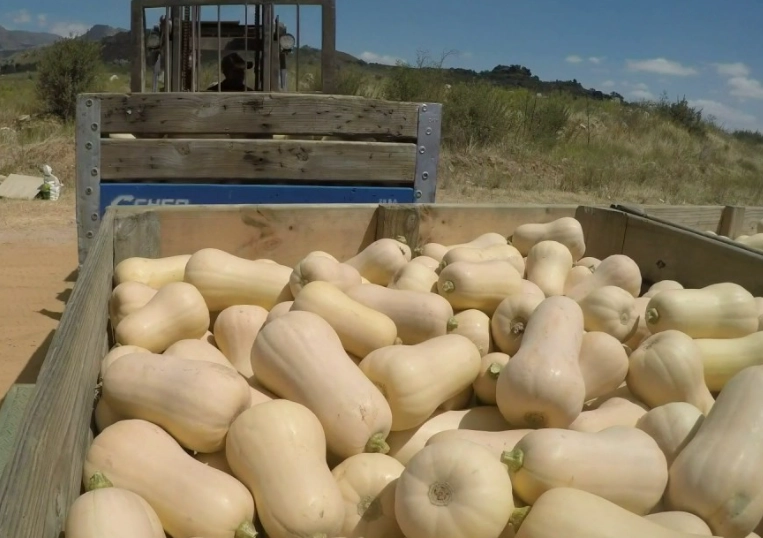
How to Harvest Butternut Squash Correctly (This is Where Most Mistakes Happen)
You've confirmed ripeness. Now, don't ruin it with a sloppy cut. The goal is to create a clean, dry wound that will heal over during curing, sealing the squash against rot.
Use the right tool: pruning shears or a sharp knife. Never twist or yank the squash off the vine. You'll tear a wound that's jagged and prone to infection. I made this mistake my first year and lost half my harvest to mold.
Cut the stem, don't cut the squash. Leave a generous stem handle, at least 1 to 2 inches long. Think of this stem as the squash's natural seal. If you cut it flush with the fruit, you create a flat, wet spot that's a direct entry point for bacteria and fungi. A long stem acts like a cork.
Hold the squash in one hand and snip the stem about 2-3 inches from the fruit with your shears. Make it a clean, straight cut.
Handle with care. Treat them like eggs. Bruises and cracks are invitations to spoilage. Don't toss them into a bucket. Gently place them in a crate, basket, or onto a soft blanket in your garden cart.
Clean them? Not really. Resist the urge to wash them. That beautiful, hard skin has a natural protective coating. Washing removes it and adds moisture. If there's heavy soil, let it dry and brush it off gently later. The curing process will help dry any minor dirt.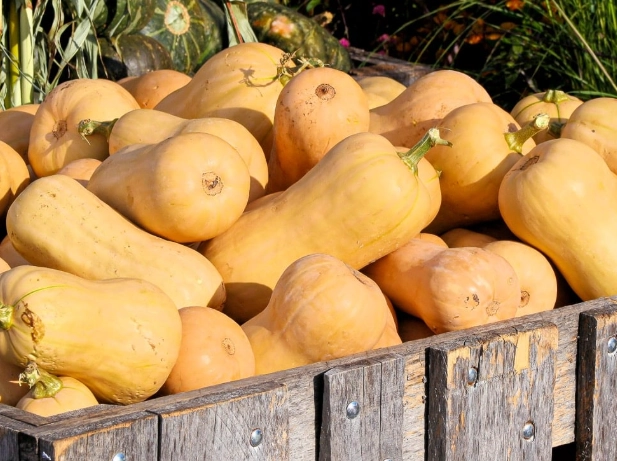
What to Do Immediately After Cutting
Get them out of direct sun. Sunlight can actually soften and degrade the rind you worked so hard to develop. Move your harvested squash to a warm, dry, shaded, and airy spot—like a garage, covered porch, or garden shed—as soon as possible. This begins the drying process for the cut stem.
Curing and Storing: The Secret to Long-Lasting Squash
This is the magic. Harvesting isn't the finish line; it's the start of the final transformation. Curing is the process of hardening the skin and healing the stem scar further. It also converts more starches to sugars, improving flavor.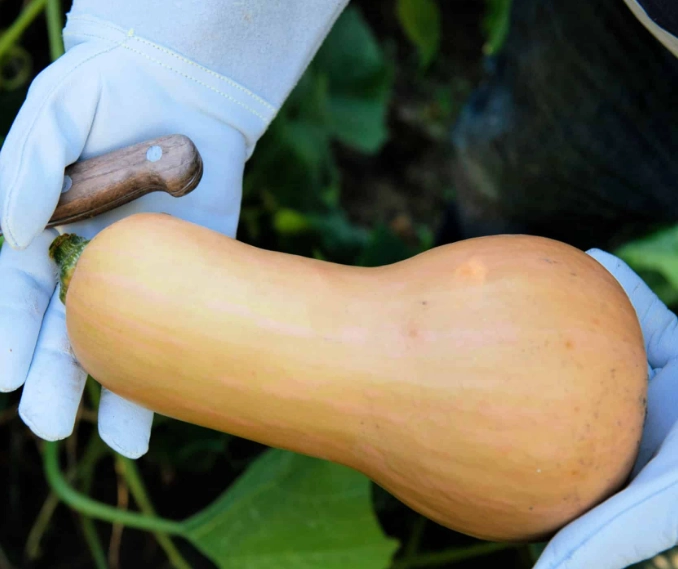
How to cure: Arrange your squash in a single layer, not touching, in a warm (75-85°F / 24-29°C), dry, and well-ventilated area. A greenhouse, sunny room, or on tables in a garage with a fan works perfectly. Leave them there for 10 to 14 days. You'll see the stem end dry out completely and become cork-like.
After curing, they're ready for long-term storage.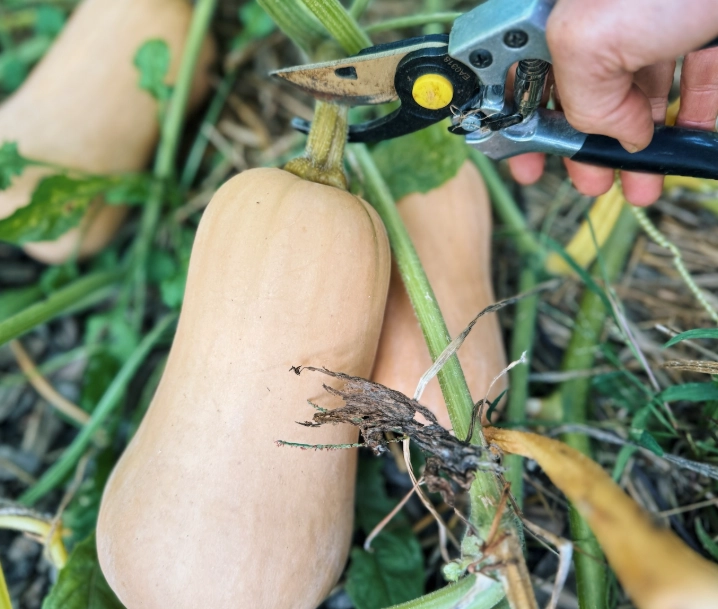
| Storage Condition | Ideal Temperature | Ideal Humidity | Expected Shelf Life | Best For |
|---|---|---|---|---|
| Perfect Root Cellar | 50-55°F (10-13°C) | 50-70% | 3-6 months | Longest storage, best flavor retention. |
| Cool Basement | 55-60°F (13-16°C) | Moderate | 2-4 months | Good alternative if no root cellar. |
| Under a Bed | Room Temp (~68°F/20°C) | Dry | 1-2 months | Short-term, use these squash first. |
| What to Avoid | The refrigerator (too cold and humid), plastic bags (traps moisture), piles where they touch (spreads rot). | |||
Check your stored squash every couple of weeks. If one starts to get a soft spot, use it immediately. One bad squash can spoil others nearby.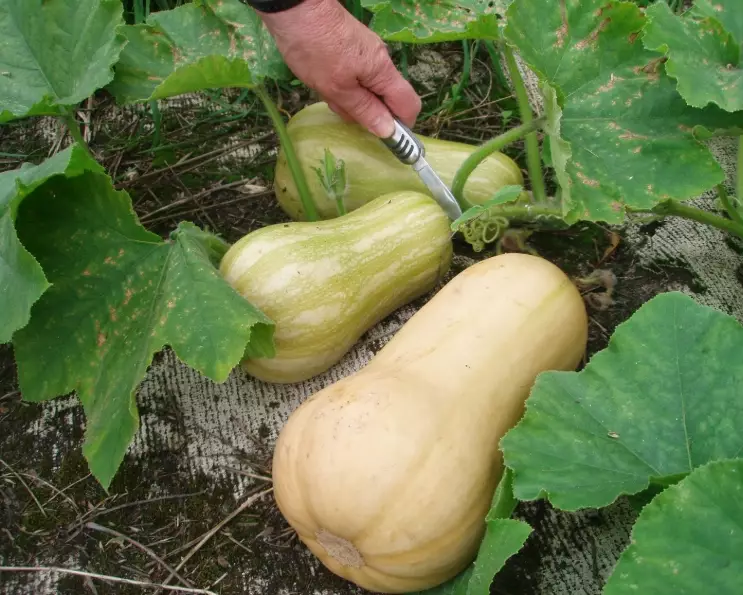
What If Things Go Wrong? Troubleshooting Your Harvest
Gardening is messy. Here's how to handle common post-harvest curveballs.
You harvested too early. The skin is still a bit soft or the stem greenish. All is not lost. Cure it as normal. It might not store as long (maybe 4-8 weeks instead of months), and the flavor might be less sweet, but it will still be edible. Use these first.
A frost caught you by surprise. If the squash itself froze solid, it's usually a loss—the flesh becomes watery and rots quickly. If only the vines were frosted but the squash feels firm, harvest immediately and cure indoors. It might have a slightly shorter shelf life.
You accidentally broke the stem off. It happens. Don't panic. Cure it carefully, making sure the broken area is exposed to air. This squash becomes a high-priority use candidate. Eat it within a month or two, as the missing stem makes it more vulnerable.
You see a small bruise or cut. Don't store it with the others. Use this squash within a week or two. You can cut out the damaged part when you cook it.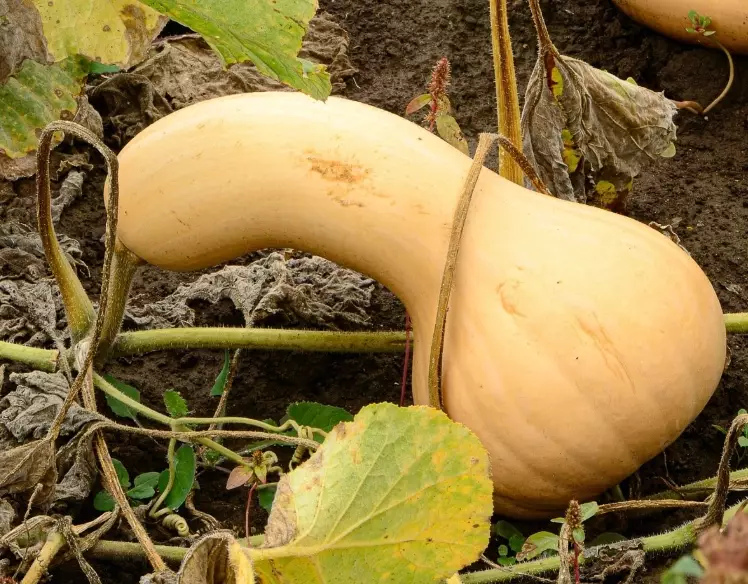
Your Butternut Squash Harvest Questions, Answered
Harvesting butternut squash perfectly is a skill that pays off all winter long. It turns the abundance of fall into a practical, delicious pantry staple. By focusing on the stem, the skin, and that crucial curing period, you're not just picking a vegetable—you're preserving sunshine.
Reader Comments