If you've ever stumbled upon a cascading, frilly cluster of mushrooms at the base of an oak tree that looked like a ruffled hen, you've met the maitake. Also called "hen of the woods," this isn't just another forest fungus. It's a culinary treasure with a meaty texture and a deep, earthy flavor that chefs fight over, and a powerhouse of compounds studied for their health-promoting potential. Forget the bland button mushroom; this is where the real flavor and function live. I've spent over a decade hunting, cooking, and studying these mushrooms, and I'm still amazed by them. Let's cut through the hype and get into what makes maitakes truly special, from the forest floor to your dinner plate.
What's Inside This Guide?
What Are Maitake Mushrooms? Beyond the Basic Description
Maitake (Grifola frondosa) is a polypore mushroom, meaning it has pores on its underside instead of gills. It grows in large, overlapping clusters that can weigh over 50 pounds, though finding one that size feels like winning the lottery. The Japanese name "maitake" translates to "dancing mushroom," allegedly because people would dance with joy upon finding one. After tasting it, I believe it.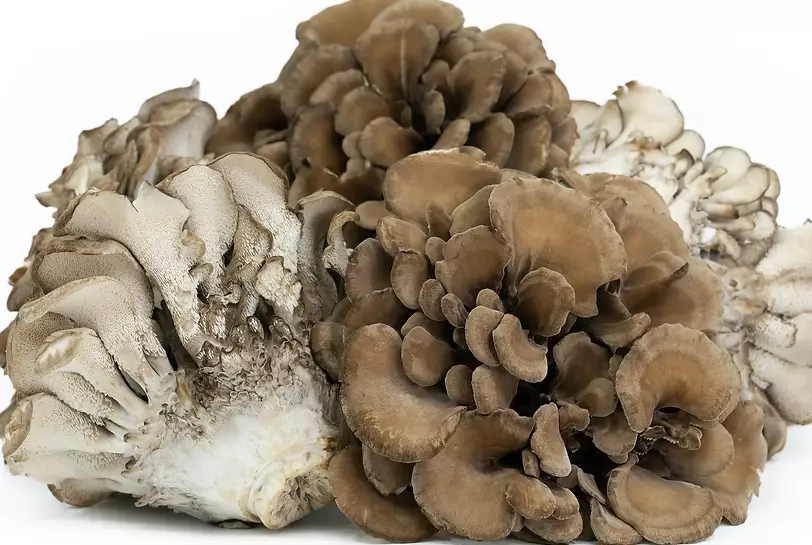
But here's a nuance most guides miss: not all maitakes taste the same. Their flavor profile is deeply tied to their host tree. Specimens growing on oak have a richer, more robust nuttiness. Those from maple can be slightly sweeter. I once found a cluster on an ancient beech stump that had an almost smoky undertone. It makes foraging an adventure in terroir.
You can find them in specialty grocery stores like Whole Foods or at Asian markets year-round, typically sold in pre-packaged clusters or as extracts. But the flavor and texture of a fresh, wild-foraged maitake in peak season (late summer to mid-fall) is incomparable. It's firmer, more aromatic, and just... more alive.
How to Find and Identify Maitake Mushrooms (Safely)
Foraging is rewarding but requires respect and knowledge. Never eat a wild mushroom unless you are 100% certain of its identification. Consult local field guides and experts. Here’s your field checklist for Grifola frondosa:
- Location & Habitat: Almost exclusively at the base of hardwood trees (especially old oaks, but also maples, beeches) or on their stumps. Look in mature deciduous forests.
- Season: Late August through November in the Northern Hemisphere, peaking after the first few cool rains.
- Appearance: Forms a large, circular cluster of overlapping, spoon- or fan-shaped caps. The cluster has a single, branching base. Individual caps are tongue-shaped, grayish-brown to tan on top, with a creamy white underside covered in tiny pores (not gills).
- Texture: The flesh is firm and white. It should feel succulent, not slimy or dry.

A Critical Foraging Tip: The most common look-alike is the Berkeley's Polypore (Bondarzewia berkeleyi). It's also edible but tougher and less flavorful. Key differences: Berkeley's grows in rosettes (not overlapping clusters), has thicker, fleshier caps, and its pores are larger and more angular. When in doubt, pass it by.
What to Do Once You've Found One
Harvest sustainably. Use a sharp knife to cut the cluster at the base, leaving the mycelium in the ground to potentially fruit again. Brush off dirt and bugs in the field. I carry a soft brush for this. Back home, avoid soaking them in water. They're like sponges. Instead, use a damp cloth or a soft brush to clean. For bugs, some foragers swear by a quick soak in lightly salted water, but I find it alters the texture. I prefer to meticulously check and clean each frond.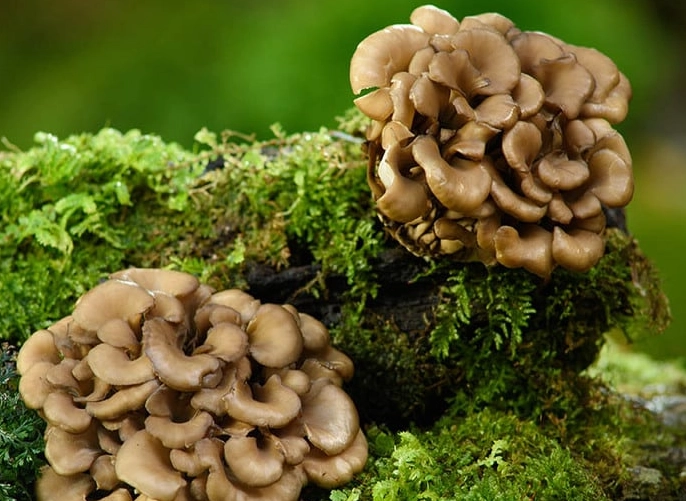
How to Cook Maitake Mushrooms: Techniques That Actually Work
This is where maitake shines. Its structure is perfect for high-heat cooking, which brings out a deep umami you won't get from simmering. The biggest mistake? Treating it like a delicate mushroom. It's not.
The Non-Negotiable Rule: High Heat & Don't Crowd the Pan
To achieve that perfect caramelized exterior and tender interior, you need space and heat. Tear the cluster into large, bite-sized pieces (don't slice—tearing follows the natural grain). Heat a neutral oil with a high smoke point (avocado, grapeseed) in a wide skillet until it shimmers. Add the mushrooms in a single layer. If they're piled on top of each other, they'll steam and become soggy. You might need to cook in batches. Let them sear undisturbed for 3-4 minutes until deeply browned on one side, then toss. Season with salt only after they've browned—salt draws out moisture early and hinders browning.
Three Can't-Miss Maitake Recipes
1. The Simple Sear (The Best First Taste): Cook as above. In the last minute, add a few crushed garlic cloves and a couple sprigs of thyme. Finish with a knob of butter and a squeeze of lemon. Serve as a side or pile on toast with ricotta.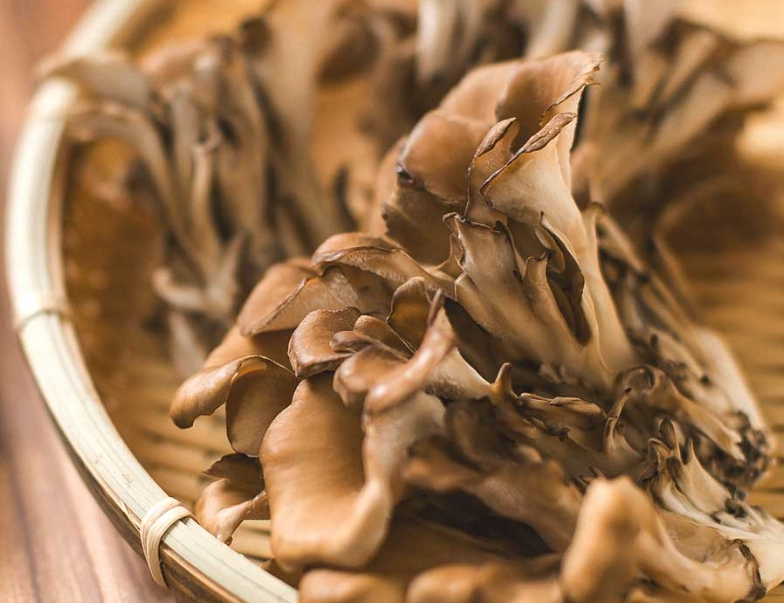
2. Maitake "Steaks": Take a large, thick section of the cluster (about 1-inch thick). Marinate for 30 minutes in a mix of soy sauce, maple syrup, olive oil, and smoked paprika. Grill or pan-sear over medium-high heat for 5-7 minutes per side until charred and cooked through. It's shockingly meat-like.
3. Creamy Maitake Pasta: Sear the mushrooms and set aside. In the same pan, sauté a shallot, deglaze with white wine, add heavy cream, and reduce. Stir in grated Parmesan, the cooked maitake, and cooked pasta (tagliatelle works great). Finish with parsley and black pepper.
Storage is straightforward. Keep fresh maitake in a paper bag in the fridge for up to a week. For long-term storage, I prefer drying over freezing. Sliced and dried in a dehydrator (or a very low oven), they keep for years and reconstitute beautifully in soups and stews.
The Science-Backed Health Benefits of Maitake Mushrooms
Maitake is a star in the world of functional mushrooms, and for good reason. Much of the research focuses on its beta-glucans, complex sugars with immunomodulating properties. It's crucial to note that while promising, many studies are preclinical (in labs or animals), and more human trials are needed. Always consult your doctor before using supplements for health conditions.
The primary active compound is a specific beta-glucan called D-Fraction. Research, including studies cited by the Memorial Sloan Kettering Cancer Center, suggests D-Fraction may help stimulate certain immune cells. This has led to interest in its supportive role alongside conventional therapies, though it is not a treatment or cure.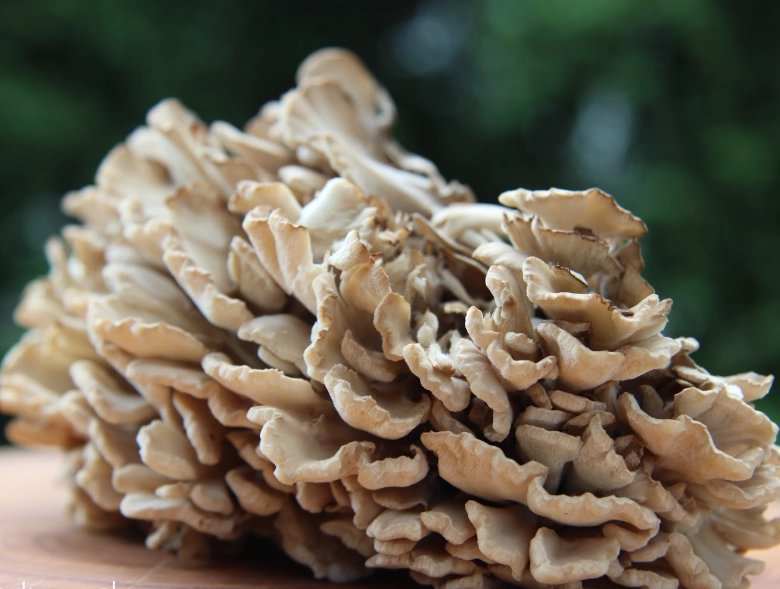
Here’s a breakdown of the key researched areas:
| Potential Benefit | What the Research Suggests | Important Context |
|---|---|---|
| Immune System Support | Beta-glucans may help activate immune cells like macrophages and natural killer cells, potentially enhancing the body's defense mechanisms. A review in the International Journal of Medicinal Mushrooms summarized these immunomodulatory effects. | This is about support and modulation, not about "boosting" immunity to an unnatural level. Think of it as helping your immune system function more efficiently. |
| Blood Sugar Regulation | Several animal studies, including one published in the Journal of Pharmacy and Pharmacology, have shown maitake extract can help lower blood glucose and improve insulin sensitivity. | Very promising, but human clinical data is limited. It should not replace diabetes medication. If you have blood sugar issues, talk to your doctor before using supplements. |
| Cholesterol Management | Animal studies indicate maitake may help reduce LDL ("bad") cholesterol and triglycerides, possibly by inhibiting cholesterol absorption in the gut. | Again, a supportive role. A heart-healthy diet and exercise are foundational. |
How to consume for potential benefits? Eating cooked maitake is great for nutrition and flavor. For targeted, higher doses of beta-glucans, people turn to standardized extracts (powders, tinctures, capsules). Look for products that specify beta-glucan or D-Fraction content and are from reputable suppliers that use hot water extraction (this pulls the beneficial compounds). A common beginner's mistake is buying a cheap powder made from just ground-up mushroom—it's mostly indigestible chitin. You need an extract.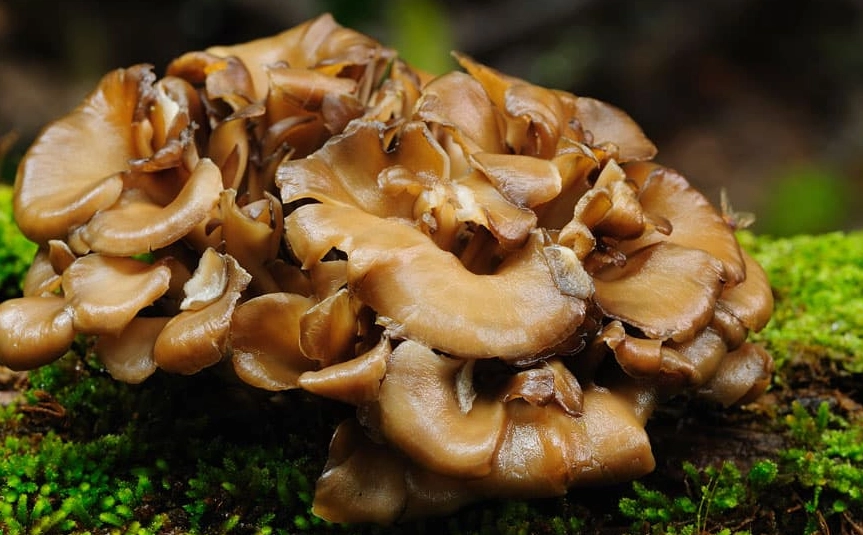
Your Maitake Questions, Answered
Can I eat maitake mushroom raw?
Technically yes, but you shouldn't. Like many wild mushrooms, maitake contains chitin and other compounds that can be tough on digestion when raw. Cooking breaks these down, making the mushroom more digestible, releasing nutrients, and—most importantly—unlocking its full, rich flavor. Raw maitake tastes bland and woody.
Why do my sautéed maitake mushrooms turn out soggy instead of crispy?
This almost always comes down to two things: moisture and overcrowding. First, make sure your mushrooms are dry after cleaning. Second, and this is critical, give them space in the pan. If the pieces are touching, they release steam and stew in their own juices. Cook in batches if you have to. Also, wait to add salt until they've developed a good sear. Salt draws out moisture immediately.
What's the difference between maitake, hen of the woods, and sheep's head? Are they all the same?
Maitake and "hen of the woods" are common names for the same mushroom, Grifola frondosa. "Sheep's head" or "ram's head" usually refers to a different, though related, mushroom called Hericium erinaceus (lion's mane). They look nothing alike—lion's mane is white and has long, dangling spines. The names get confusing regionally, so always go by the Latin scientific name for certainty.
Are maitake supplements safe to take with prescription medications?
Because of its potential effects on blood sugar and immune function, maitake could interact with certain medications like diabetes drugs, immunosuppressants, or blood thinners. This isn't a reason to avoid it, but it's a non-negotiable reason to have a conversation with your healthcare provider before adding a concentrated supplement to your routine. They can help you assess potential interactions based on your specific health profile.
Where's the best place to buy fresh maitake if I can't forage?
Your best bets are local farmers' markets in the fall (ask mushroom growers), specialty grocery stores (Whole Foods, Sprouts), or well-stocked Asian supermarkets. When buying, look for clusters that feel firm and springy, not limp or slimy. The color should be vibrant, not dull. Avoid packages with lots of loose, broken pieces at the bottom.
Reader Comments