If you're staring at the apple aisle wondering whether to grab Gala or Honeycrisp for your pie, here's the quick answer: Honeycrisp is generally the better choice for a classic apple pie that holds its shape, but Gala can work if you're after a sweeter, softer filling. I've baked dozens of pies with both, and the difference isn't just about taste—it's about texture, cost, and how much you're willing to tweak your recipe. Let's peel back the layers and see why.
Your Quick Guide to Pie-Perfect Apples
Why Apple Choice Matters for Pie
Picking the wrong apple for pie is like using the wrong flour for bread—it can turn a masterpiece into a mess. Apples vary wildly in sugar, acid, and pectin content, which affects how they behave in the oven. A high-sugar apple like Gala caramelizes quickly but might turn to mush, while a crisp apple like Honeycrisp holds its shape but can be tart. The US Apple Association categorizes apples by their best uses, but most home bakers just grab what's cheap or looks good. That's a mistake I made early on, ending up with a pie that was more soup than slice.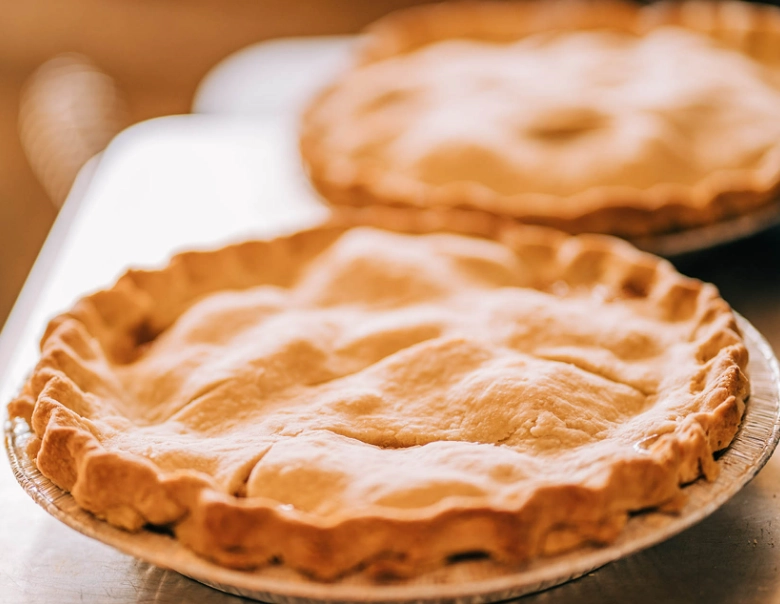
Think about it: you spend hours on a crust, only to have the filling collapse. It's frustrating. The right apple balances sweetness, tartness, and texture so every bite is perfect. This isn't just opinion; it's based on food science. For example, apples with more malic acid (like Honeycrisp) help balance sweetness and prevent a cloying taste, while those with higher water content (like Gala) need extra thickeners.
Gala Apples: The Sweet and Tender Contender
Gala apples are everywhere—they're affordable, sweet, and have a mild flavor with hints of pear. But are they good for pie? Well, it depends. I remember using Gala for my first apple pie because they were on sale. The result? A filling that was overly soft, almost applesauce-like, with little structure. If you love a saucy, sweet pie where the apples blend together, Gala might work. But if you want distinct slices that hold up, you'll need adjustments.
Here's the lowdown on Gala for pie:
- Flavor: Very sweet, low acidity. This means your pie might lack that tangy kick that cuts through richness.
- Texture when raw: Tender and juicy. They're great for eating fresh, but that juiciness translates to more liquid in the pie.
- Texture after baking: They soften significantly. In my tests, Gala slices often break down after 45 minutes in the oven, especially if sliced thin.
- Best use: For pies where you don't mind a softer filling, or if you mix them with firmer apples. They're also good for apple sauce or crumbles where texture isn't as critical.
One non-consensus view: many bakers say Gala is a no-go for pie, but I've found that if you pre-cook the slices for 5-10 minutes to evaporate excess juice, they can work. It's an extra step, but it prevents a soggy bottom. Still, for a classic pie, there are better options.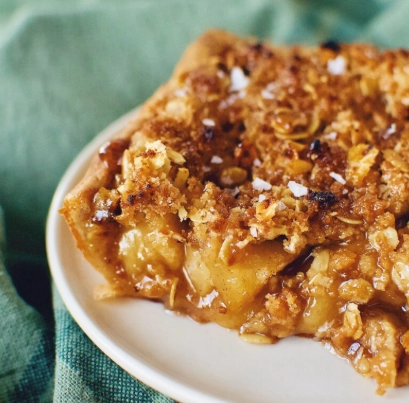
Honeycrisp Apples: The Crisp and Tangy Challenger
Honeycrisp apples are the darlings of the apple world—crisp, juicy, and with a perfect sweet-tart balance. They're more expensive, often $3-$4 per pound compared to Gala's $1-$2, but for pie, they're worth it if you can swing it. I switched to Honeycrisp a few years ago after a pie disaster with softer apples, and the difference was night-and-day. The slices held their shape, the flavor was complex, and the pie didn't weep juice all over the plate.
Let's break down Honeycrisp for pie:
- Flavor: Sweet with a noticeable tartness. This acidity enhances the overall pie flavor, making it more vibrant and less one-note sweet.
- Texture when raw: Exceptionally crisp and firm. That crispness comes from a dense cell structure, which helps them withstand baking.
- Texture after baking: They hold their shape well, remaining slightly firm but tender. You get distinct apple slices in every bite, which is what most people want in a pie.
- Best use: Ideal for classic apple pie, especially if you're after that picture-perfect slice. They also work well in tarts or baked dishes where texture matters.
Here's a tip many recipes don't mention: Honeycrisp apples vary in tartness depending on harvest time. Early-season Honeycrisp can be more tart, so you might need to adjust sugar. I learned this the hard way when my pie turned out too sour—now I always taste a slice before baking.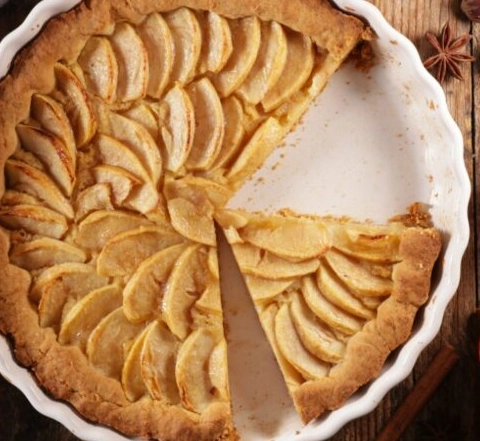
Side-by-Side Comparison
To make this concrete, here's a table comparing Gala and Honeycrisp apples for pie-making. This isn't just theory; it's based on my own baking logs and resources from authorities like the University of Minnesota Extension, which developed Honeycrisp.
| Characteristic | Gala Apple | Honeycrisp Apple |
|---|---|---|
| Flavor Profile | Sweet, mild, with hints of pear; low acidity | Sweet-tart, crisp, with honey notes; balanced acidity |
| Texture When Raw | Tender, juicy, easy to bite | Exceptionally crisp, firm, juicy |
| Texture After Baking | Softens significantly, can become mushy or saucy | Holds shape well, remains slightly firm but tender |
| Best For Pie Type | Pies where a softer, saucier filling is desired; good for mixed-apple pies | Classic apple pie with distinct apple slices; excellent for structural integrity |
| Sugar Content (Approx.) | High sugar, around 14-16% | Moderate to high sugar, around 12-14%, with higher acid |
| Cost and Availability | Generally cheaper ($1-$2/lb), widely available year-round | More expensive ($3-$4/lb), peak season in fall, but often available |
| Common Baking Issue | Excess juice leading to soggy crust | Can be too tart if under-ripe, requiring sugar adjustment |
Notice how Honeycrisp scores better on texture after baking? That's the key for most pie lovers. But Gala wins on cost and sweetness, which might matter if you're baking on a budget or for kids who prefer sweeter desserts.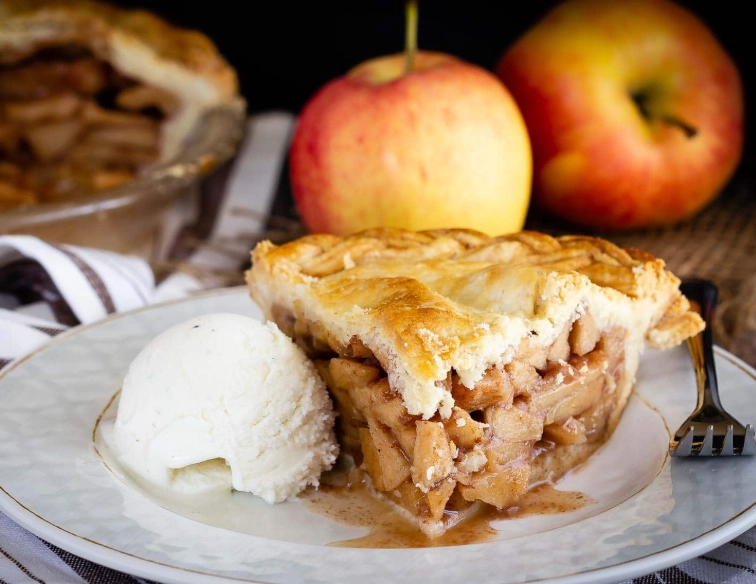
Flavor Profile: Sweetness vs Tartness
Flavor isn't just about taste—it's about balance. Gala apples are overwhelmingly sweet, which can make your pie cloying if you're not careful. Honeycrisp brings tartness to the table, thanks to its malic acid content. In my experience, that tartness cuts through the butter in the crust and any spices like cinnamon, creating a more complex flavor. If you've ever had a pie that tasted flat, it might be because the apples were too sweet.
Texture After Baking: Hold or Mush?
This is where the rubber meets the road. I've sliced Gala apples thin for a pie, and after baking, they practically dissolved into a compote. Honeycrisp, on the other hand, kept its shape even when baked for an hour. The reason? Honeycrisp has a higher density and more pectin, which acts as a natural thickener. For a pie with firm slices, Honeycrisp is the clear winner. But if you like a more homogeneous filling, Gala might be your jam—literally.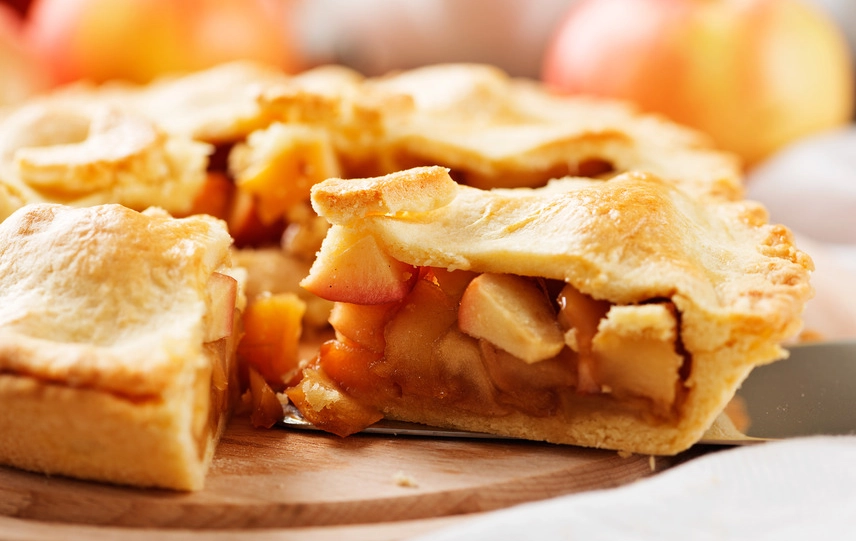
Sugar and Acid Content: The Science Behind the Pie
According to food science resources, sugar content affects caramelization, while acid impacts flavor and how the apples break down. Gala apples have higher sugar but lower acid, so they brown quickly but can turn soft. Honeycrisp has a balanced sugar-acid ratio, which helps maintain structure. When I measured with a refractometer (a tool for sugar content), Gala came in around 15 Brix, Honeycrisp around 13 Brix but with more acid. That acid also helps activate thickeners like cornstarch, giving you a better set.
How to Pick the Right Apple for Your Pie
Don't just go by price or looks. Think about what you want in your pie. Here's a practical guide based on common scenarios:
- You're making a classic apple pie for a holiday dinner: Go with Honeycrisp. The slices will hold up, and the flavor will impress. Yes, it costs more, but for a special occasion, it's worth it. I always use Honeycrisp for Thanksgiving—guests notice the difference.
- You're on a tight budget or baking for a crowd: Consider Gala, but mix them with a firmer apple like Granny Smith. A 50-50 mix can save money while keeping some texture. Or, use Gala alone but add an extra tablespoon of cornstarch to thicken the juices.
- You prefer a sweeter, softer pie (like an apple custard pie): Gala works well here. Their sweetness blends into the filling, and the soft texture complements a creamy base. I've made a French apple tart with Gala, and it turned out great because the recipe called for a compote-like layer.
- You're unsure and want to experiment: Try both! Bake two small pies—one with Gala, one with Honeycrisp. Compare them side by side. That's how I learned that my family prefers the tartness of Honeycrisp, but my kids like the sweetness of Gala.
Remember, apple pie is forgiving. Even if you choose "wrong," you can adjust with thickeners or spices. But starting with the right apple sets you up for success.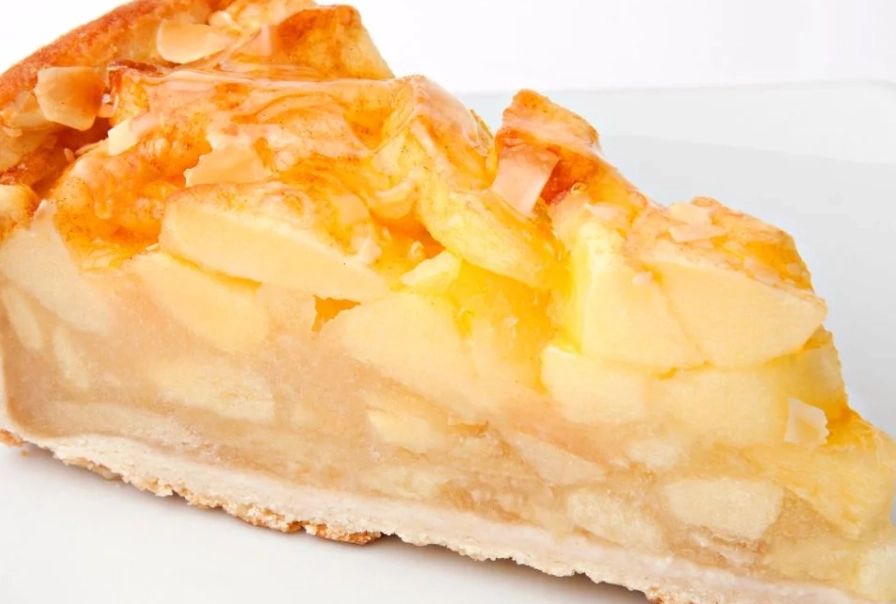
Pro Tips for Foolproof Apple Pie, Regardless of Apple
After years of baking, I've picked up tricks that most recipes gloss over. These tips apply whether you use Gala, Honeycrisp, or any apple:
Pre-cook the apples for wet varieties like Gala. Sauté sliced Gala apples in a pan for 5-7 minutes to evaporate excess moisture. This prevents a soggy crust and concentrates flavor. I do this every time with Gala now, and it's a game-changer.
Use a mix of thickeners. Cornstarch is common, but for apples with high water content, combine it with a bit of tapioca flour. It gives a clearer set and handles juice better. For Honeycrisp, cornstarch alone usually suffices.
Slice apples evenly, about 1/4-inch thick. Uneven slices bake unevenly. With Gala, slice them slightly thicker to help them hold up; with Honeycrisp, you can go thinner if you want.
Don't skip the salt and acid. Even a pinch of salt enhances sweetness, and a teaspoon of lemon juice (even for sweet apples) brightens the flavor. I learned this from a pastry chef friend—it makes the pie taste more "apple-y."
Let the pie cool completely before slicing. This allows the filling to set. Cutting into a hot pie is tempting, but it'll be runny. I wait at least 4 hours, which is tough but worth it.
FAQs Answered by a Baking Enthusiast
At the end of the day, both Gala and Honeycrisp can make a delicious pie if you understand their strengths and weaknesses. Honeycrisp wins for structure and balanced flavor, while Gala offers sweetness and affordability. Try both, tweak your recipe, and find what works for your kitchen. Happy baking!
Reader Comments